
Argentina
Parque Nacional Quebrada del Condorito
Condors launch from cliff walls close enough to feel the downdraft of their wings.
Quebrada del Condorito is a gorge cut hundreds of metres into the granite of the Pampa de Achala, and its geometry builds the thermal columns Andean condors need — birds rising from below the rim to eye level, wingspans over three metres shadowing the path. Few places in South America put the world's largest flying bird this close to a walker, and the condors remain possible visitors, never performers.
The park protects 37,000 hectares of high granite plateau at over two thousand metres — coirón grassland, native bromeliads and endemic frogs in a biogeographic island above the lowland sierras — around one of Argentina's significant condor nesting grounds, dozens of birds documented in the canyon walls. The signed out-and-back to the Balcón Norte rim is the province's most serious walking objective: roughly five hours return over exposed grassland with little shelter, two litres of water per hiker because the visitor-centre taps are not for drinking, sun protection and layers regardless of season, winter ice sometimes closing the lower sections, and a respectful margin from the cliff edges when the wind rises. The condors ride the updraughts from dawn to midday — the plateau itself is the reason to walk even when they choose not to.
Solo
The signed route to the rim suits prepared solo hikers with a firm turnaround — Córdoba's most direct wild condor encounter, earned across eight kilometres of high grassland.
Couple
The plateau appears with the abruptness of a geological revelation after the lowland drive — the condors are the reason to reach the rim, the grassland the reason to walk, and a sighting never the measure of the day.
Friends
A clear morning on the trail — condors thermalising at nine, the plateau empty, granite catching low sun — shows the Córdoba sierras at a scale the holiday-town circuit never approaches, at a steady shared pace.
- Condors ride the gorge's updraughts to eye level with walkers on the rim.
- Balcón Norte gives one of Argentina's most direct wild condor encounters.
- The high plateau runs cold even in summer, with fast-forming afternoon storms.
- Mountain viscachas pose on trailside rocks, the most approachable wildlife of the walk.
A packed meal from the access-road paradores before the five-hour walk.
Two litres of water per hiker — the plateau grants shade and springs to no one.
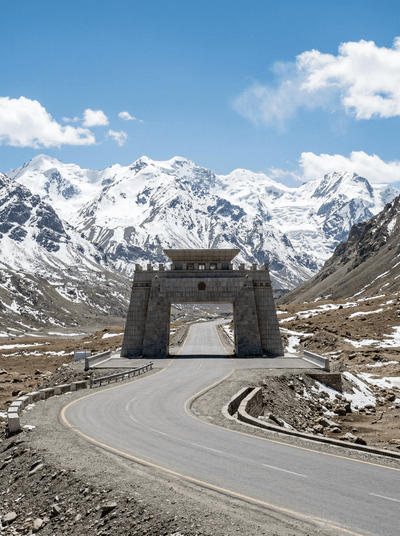
Khunjerab Pass
Pakistan
Yaks graze at 4,693 metres where the Karakoram Highway ends at Earth's highest paved border.
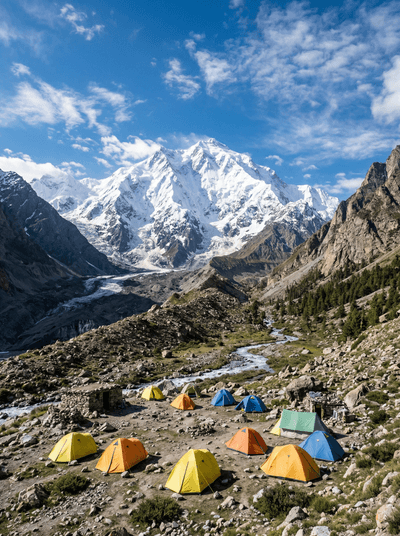
Rakaposhi Base Camp
Pakistan
Rakaposhi rises 5,800 unbroken metres — and a village footpath leads to its feet.
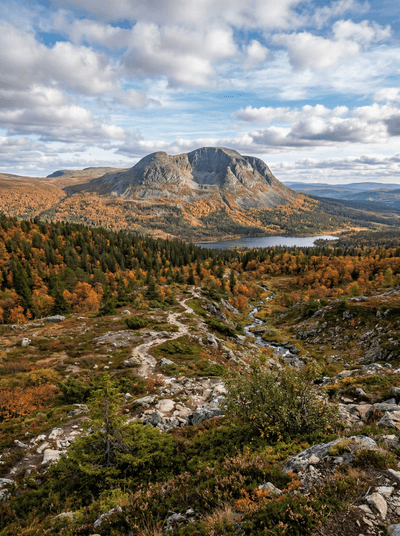
Sonfjället National Park
Sweden
A lone rounded mountain in bear country, protected for the bears since 1909.
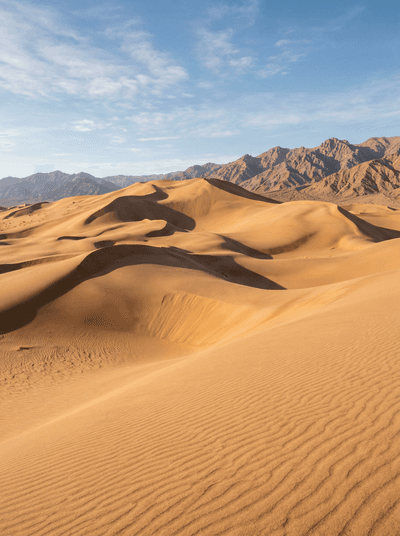
Dunas de Tatón
Argentina
Pale dunes surge against dark Andean foothills where the sand seems to climb the mountains.
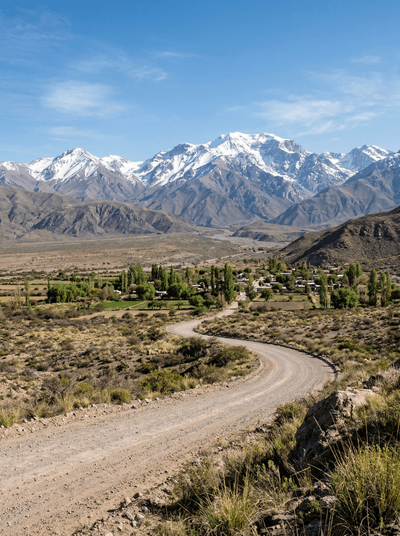
Barreal
Argentina
A dried lakebed so flat and white it doubles as a land-sailing course beneath the Andes.
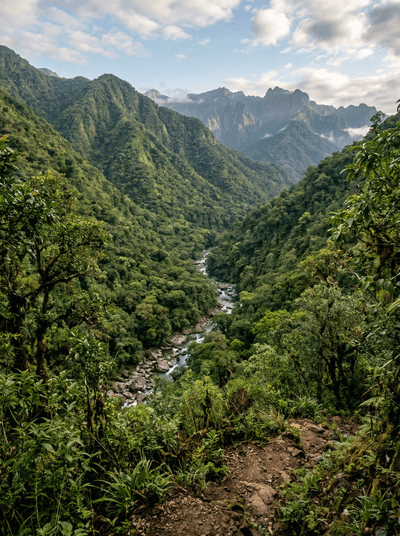
Parque Nacional Calilegua
Argentina
Cloud forest draped in moss where jaguars still prowl a jungle climbing from the Chaco.
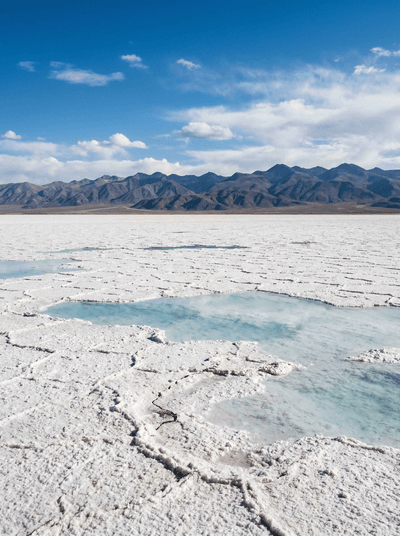
Salinas Grandes
Argentina
A salt flat so white it dissolves the horizon, cracked into hexagonal tiles.