India
Patan
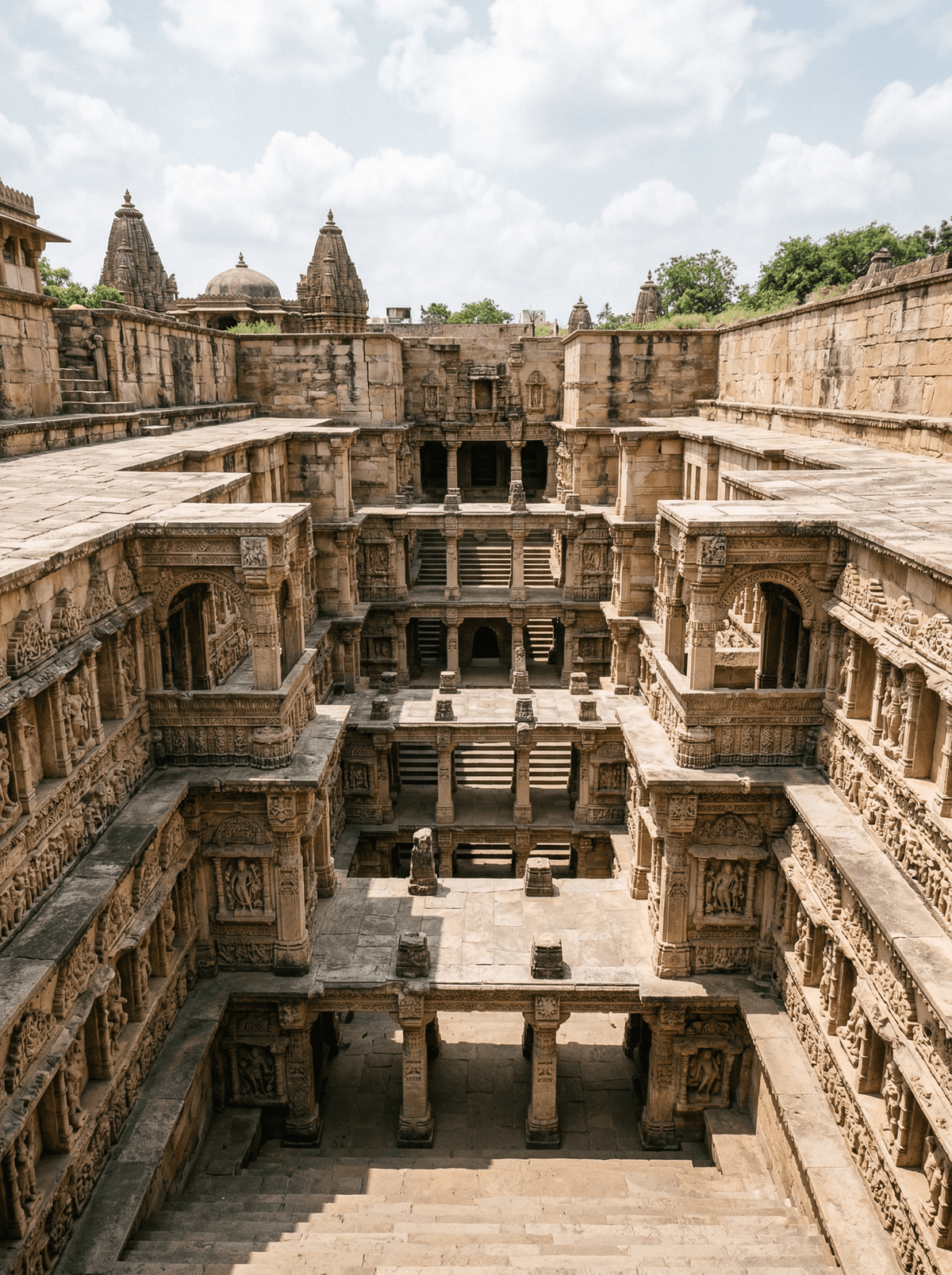
An inverted seven-storey stepwell plunging into the earth, carved with hundreds of subterranean stone deities.
The earth opens. Seven storeys of carved sandstone galleries plunge into the ground, each level darker and cooler than the last, until the water table glimmers at the bottom. Rani ki Vav is not a well — it is a subterranean temple, built downward instead of up.
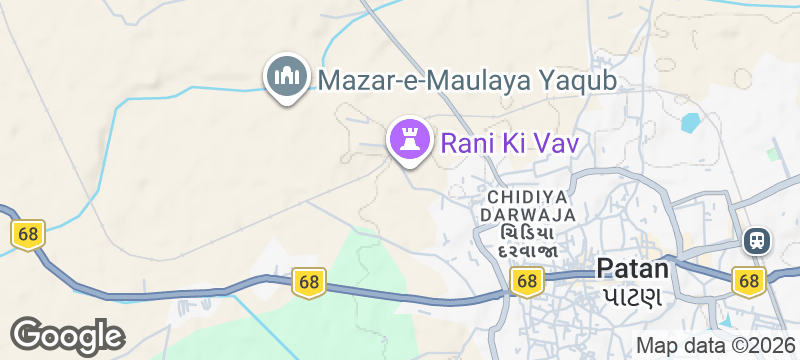
Rani ki Vav at Patan was built around 1063 CE by Queen Udayamati as a memorial to Bhimdev I of the Solanki dynasty — an inverted temple sinking seven levels, lined with more than 500 principal sculptures and over a thousand minor ones, Vishnu's avatars and apsaras carved to the jewellery. The Saraswati River buried it for centuries and preserved the carving almost perfectly; UNESCO inscribed it in 2014. In town, the Salvi family's museum keeps Patola double-ikat weaving alive, a craft they have carried since the 11th century.
Solo
Descend level by level in the morning cool and let the carving density slow you down.
Couple
The stepwell first, then the Salvi family's Patola museum — six months of weaving in one sari.
Friends
Pair the vav with Modhera's sun temple up the road and argue Solanki favourites.
- Seven storeys underground, five hundred principal sculptures — a temple in negative.
- The river that buried it also preserved it: the excavated carving is nearly mint.
- UNESCO listed it in 2014, and the Reserve Bank put it on the 100-rupee note.
- Patola double-ikat is woven here by the Salvi family — one sari takes months of work.
Patra — colocasia leaves smeared with gram flour and tamarind, rolled and steamed — is the Gujarati snack done properly.
Winter's Rani ki Vav festival fills the grounds with local-cuisine stalls; the rest of the year, sweet-sour kadhi does the warming.
St Bathans
New Zealand
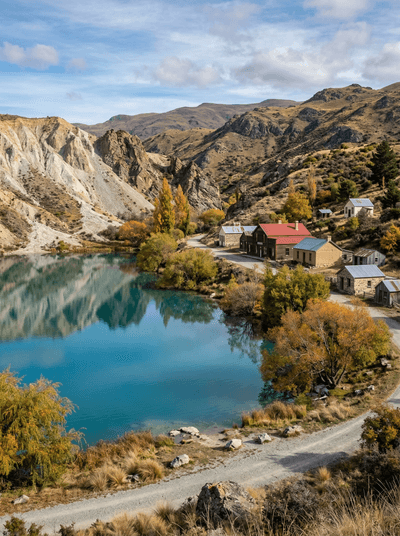
A gold-rush village of mud brick beside a flooded mine pit turned sapphire lake.
Ayacucho
Peru
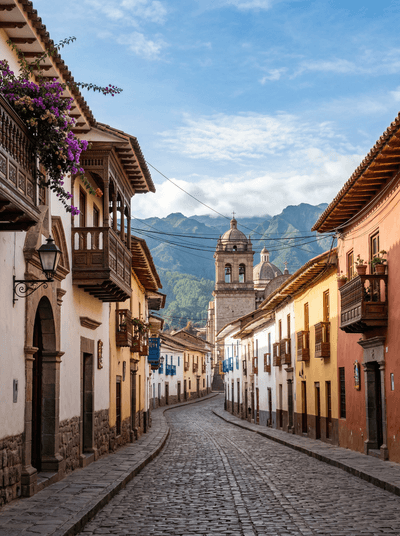
Thirty-three colonial churches in a city whose Holy Week is Peru's most devoted.
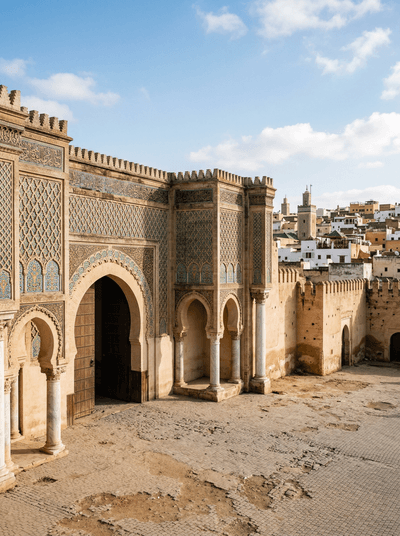
Meknès
Morocco
Water runs beneath roofless granaries where tribes once paid their taxes in grain.
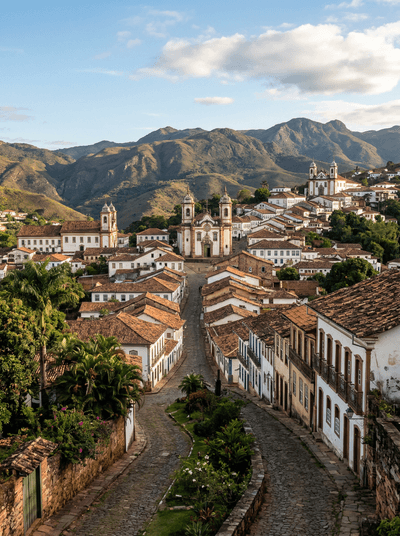
Ouro Preto
Brazil
Baroque churches dripping gold leaf in a mining town where the cobblestones still remember revolution.
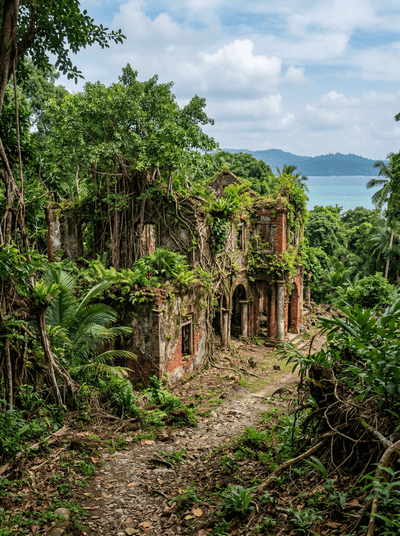
Netaji Subhas Chandra Bose Island (Ross Island)
India
A British colonial headquarters slowly being digested by ficus roots in the Andaman Sea.
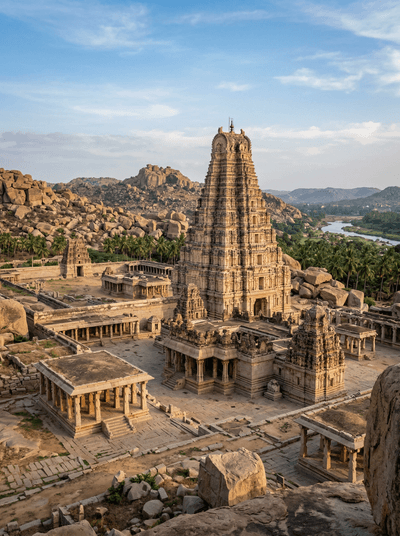
Hampi
India
A ruined empire scattered across a landscape of balancing granite boulders and banana plantations.
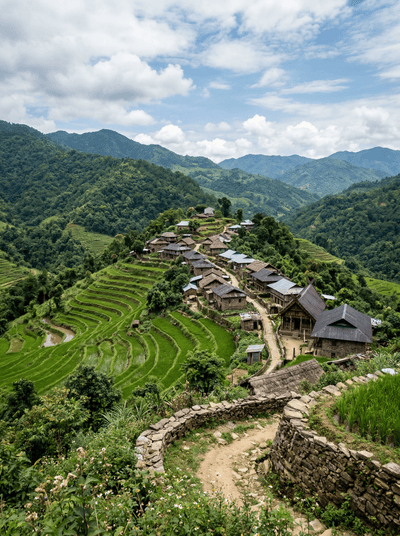
Khonoma
India
A warrior village clinging to terraced slopes that traded headhunting for deep forest conservation.
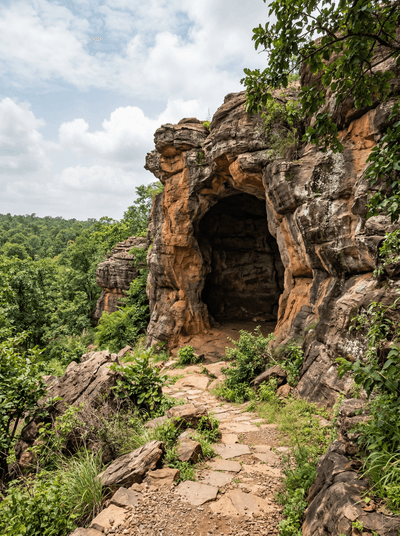
Bhimbetka
India
Prehistoric hunting scenes painted in blood-red ochre across sandstone shelters buried in thick teak forest.