Brazil
Ouro Preto
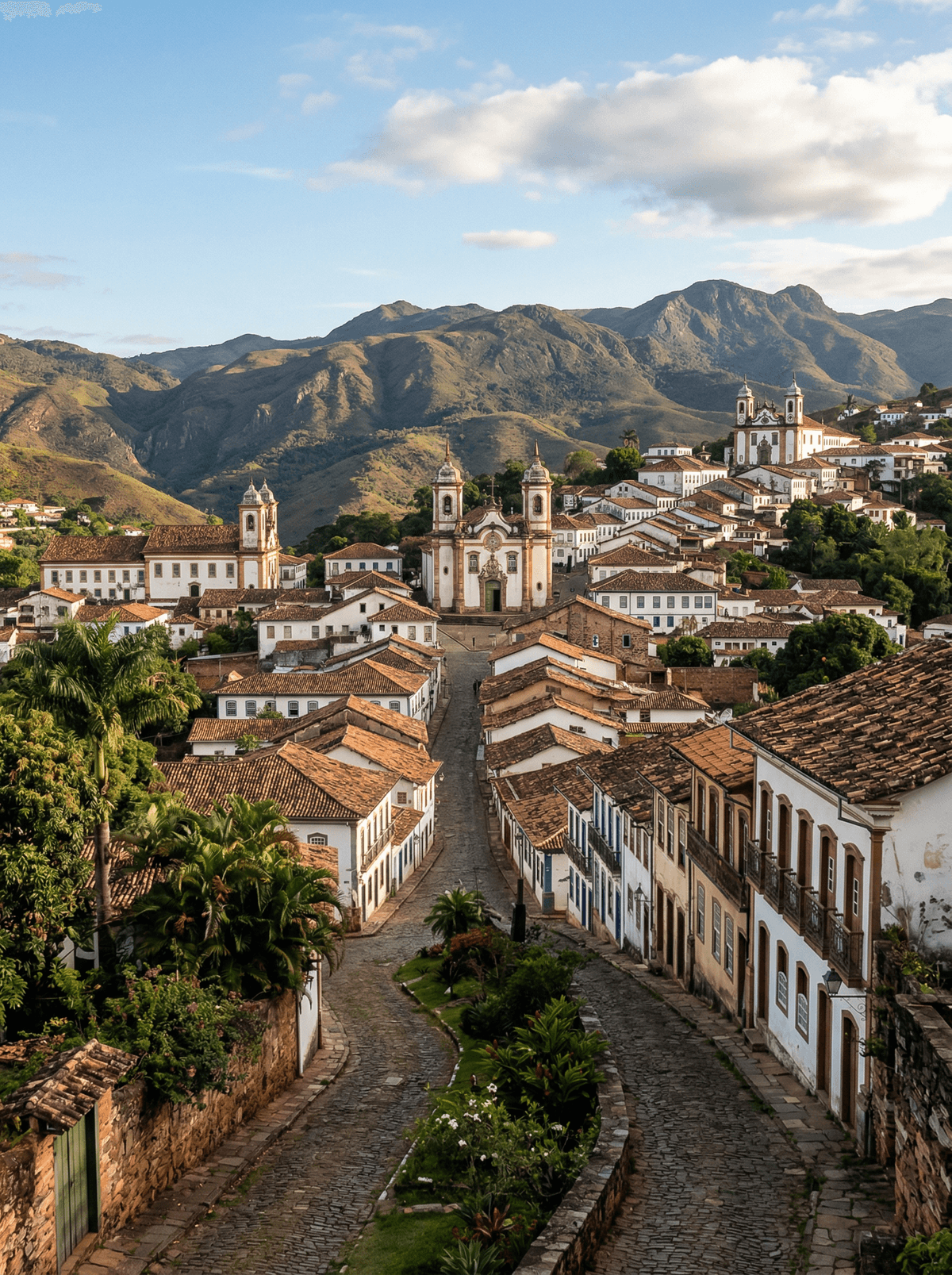
Baroque churches dripping gold leaf in a mining town where the cobblestones still remember revolution.
The streets arrive as staircases here, and the churches sit above them on their own terraces, thirteen of them inside a few square kilometres. Ouro Preto was Vila Rica, capital of Minas Gerais until 1897, and in 1980 it became the first Brazilian property of any kind inscribed on the UNESCO World Heritage list.
The wealth is not subtle. The Matriz de Nossa Senhora do Pilar carries more than four hundred kilograms of gold in its ornamentation and is reckoned the richest interior in colonial Brazil. Up the hill, São Francisco de Assis was begun in 1765 to Aleijadinho's design and is treated as the masterpiece of Brazilian colonial art; the sculptor was diagnosed in 1777 with a disease that deformed his hands, and tradition holds he had his tools tied to his wrist to keep working. This was also where the Inconfidência Mineira was plotted in 1789, and the old Casa de Câmara e Cadeia on Praça Tiradentes, once courthouse and gaol, now holds the museum that tells it. On the night before Easter Sunday the streets themselves are covered: more than fifteen tonnes of dyed sawdust, mixed with wheat flour, coffee grounds, cypress and lime, laid down in the dark for the Resurrection procession.
Solo
Everything worth seeing is walkable if you accept the gradients. Take São Francisco at opening, the Inconfidência museum on the square after it, and a gold mine in the afternoon when the light has gone off the facades.
Couple
Come in Holy Week. The sawdust carpets are laid overnight by whoever turns up, walked over by the Sunday procession and gone by evening, which is a strange and moving thing to stand in at four in the morning.
Friends
Ouro Preto's food festivals happen out in the districts rather than the centre, so a group with a car gets São Bartolomeu for the guava harvest and Santo Antônio do Salto on the third Sunday of August.
- São Francisco de Assis opens Tuesday to Sunday from half past eight, and the building is Aleijadinho's own design.
- Old gold mines are open to visitors alongside the churches, fountains and colonial houses of the original street plan.
- Mestre Ataíde's ceiling paintings sit inside the same church Aleijadinho drew.
- The municipal food route runs district festivals from April's guava feast to October's jabuticaba celebration.
Goiabada cascão, the guava paste made with the skin left in, from the doceiros of São Bartolomeu.
Feijão tropeiro comes off Raimunda's stall at the Saturday fair in Cachoeira do Campo, three kilos of beans a week beside a feijoada that takes two, and she goes home with the pans empty.
Meknès
Morocco
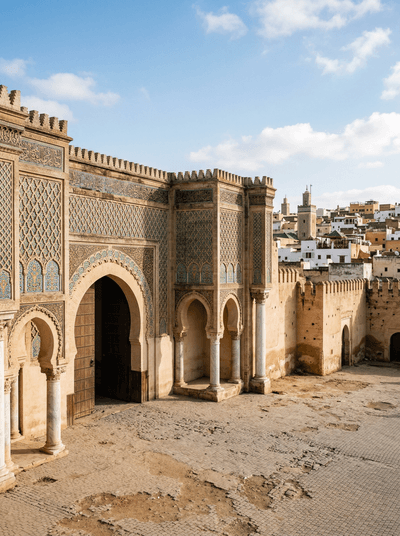
Water runs beneath roofless granaries where tribes once paid their taxes in grain.
Rouen
France
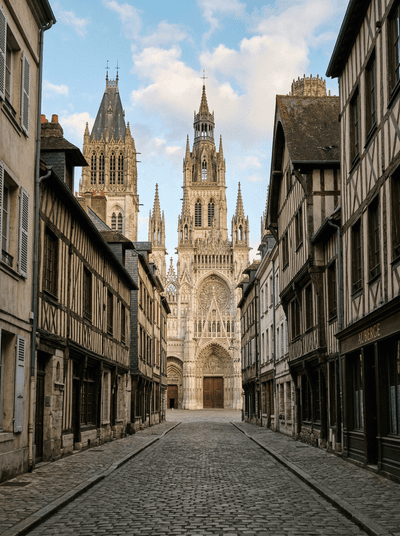
Half-timbered lanes winding to the square where Joan of Arc's fire still scorches the stone.
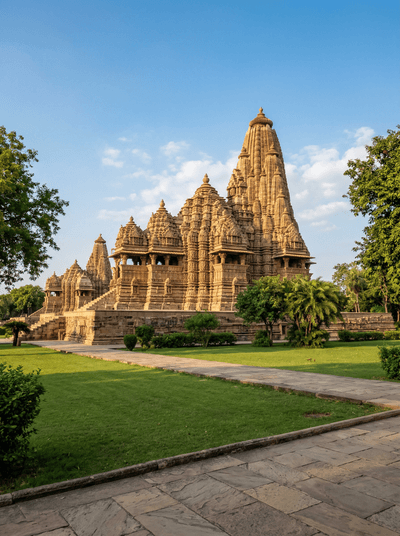
Khajuraho
India
Elaborate sandstone temples covered in explicitly acrobatic carvings rising unexpectedly from the flat central plains.
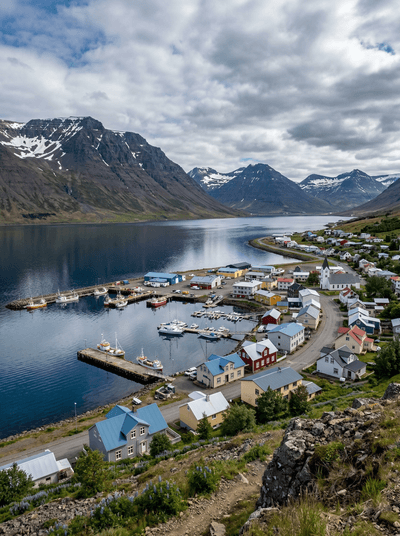
Ísafjörður
Iceland
The Westfjords capital clinging to a spit of land between mountains so steep roads spiral.
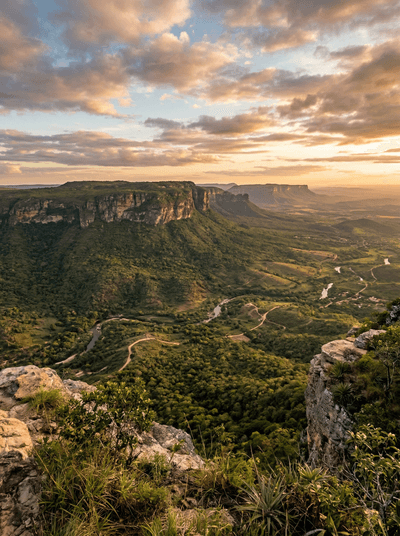
Chapada do Araripe
Brazil
Diggers call this rock pedras de peixe, fish stones, and that is exactly what is inside.
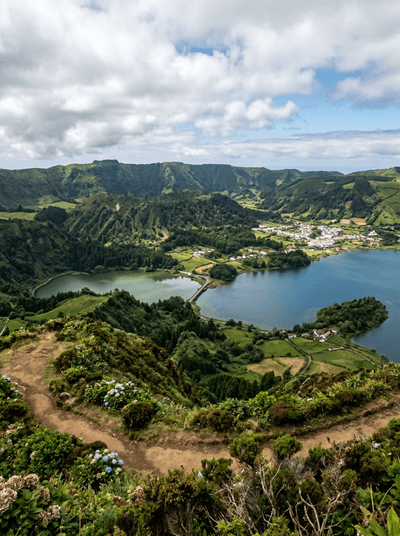
Sete Cidades
Brazil
Sandstone eroded into what look like seven separate cities, with rock paintings inside them.
Bananal Island
Brazil
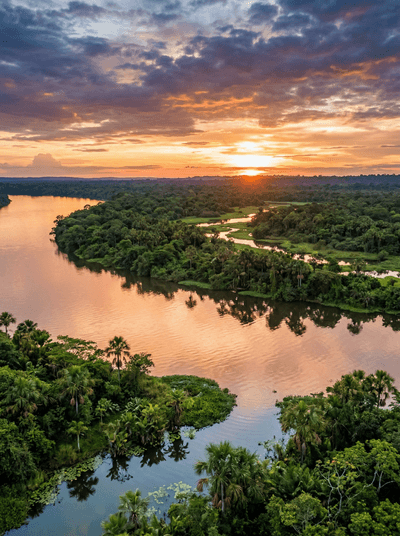
The world's largest river island spends much of the year under the water that made it.
Ilha de Marajó
Brazil
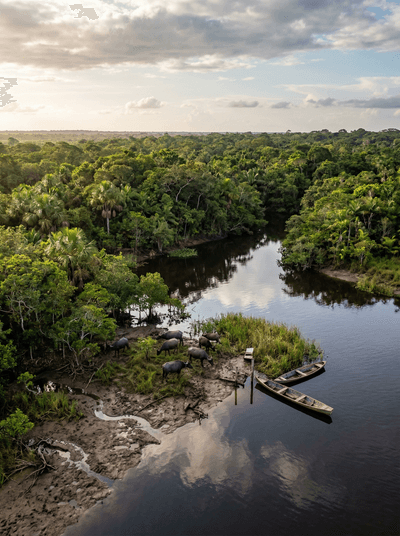
The police here ride buffalo, because the flooded ground defeats anything with wheels.