Peru
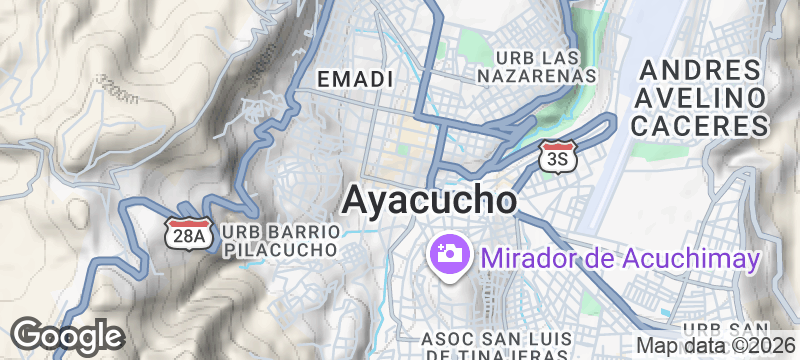
Ayacucho
Thirty-three colonial churches in a city whose Holy Week is Peru's most devoted.
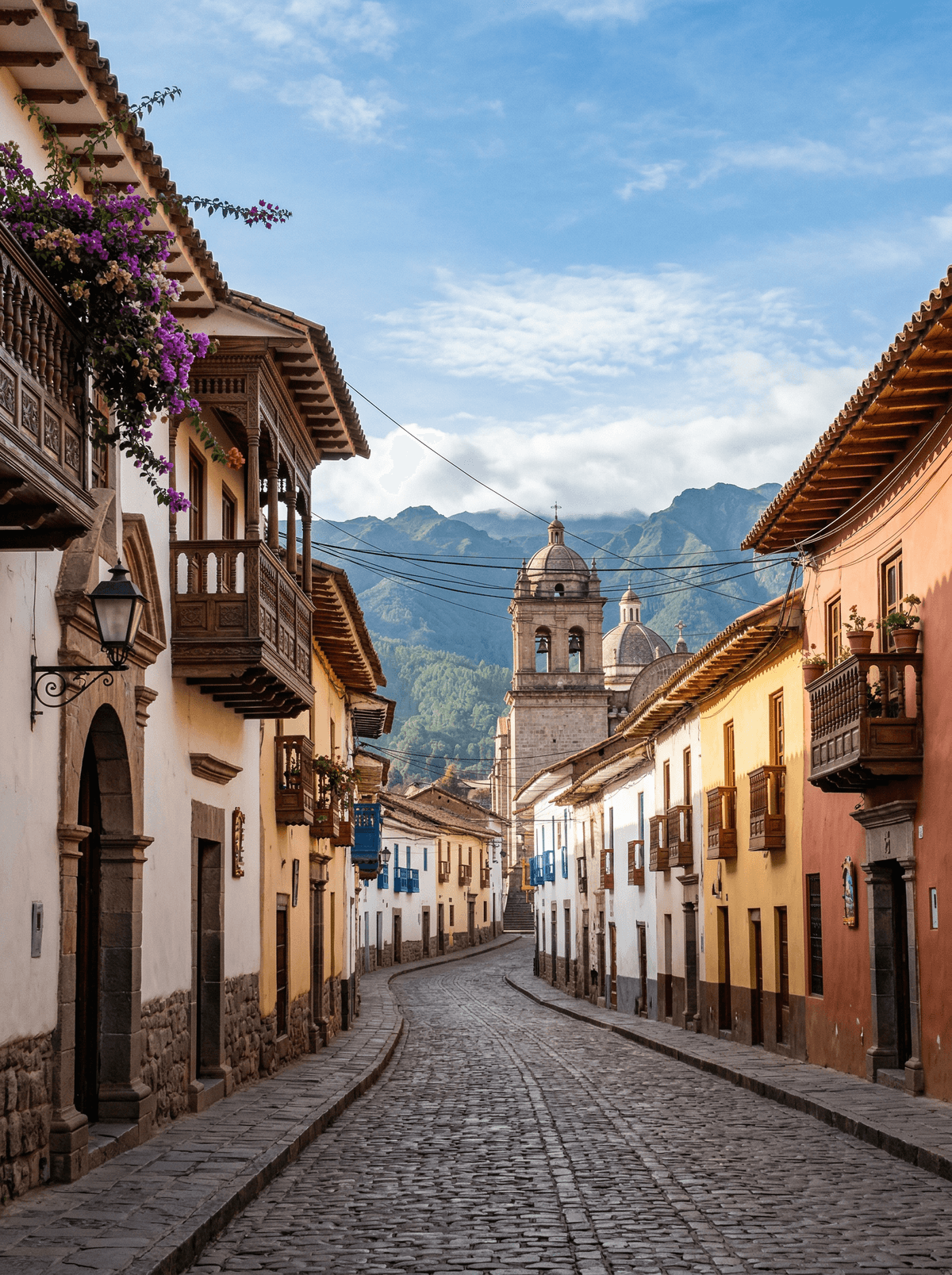
Candlelight multiplies across the churches and fills colonial streets with flickering warmth that smells of beeswax and incense. In Holy Week tradition, Ayacucho's plazas fill with processions — brass bands, flower carpets, costumed devotion moving through the city. The highland air is dry and cold; the churches glow from within.
Ayacucho — historic Huamanga — counts thirty-three colonial churches by cherished local tradition, one for each year of Christ's life, built across the city's sixteenth-to-eighteenth-century golden age and filled with one of Peru's finest stores of religious art: carved baroque retablos, Cusco School canvases, centuries of silverwork. Its Semana Santa is the country's most famous — a tradition of processions, vigils and flower-carpeted streets that belongs to worshippers first. The other devotion is craft: in Barrio Santa Ana's workshops, artisans hand-carve retablos — portable altars packed with miniature worlds — in a tradition running unbroken from the colonial era. Around all of it, stone arcades frame a plaza that has barely changed in two hundred years.
Solo
Peru's best city for wandering with purpose — each church a discovery, each workshop a conversation, at highland pace.
Couple
Candlelit interiors, quiet plazas and warm ponche shared in the evening square feel romantic without trying.
Family
Retablo makers carving miniature worlds hold children rapt, and the city's traditions flood every sense — approached with reverence.
Friends
The churches and Santa Ana workshops fill days without repeating, and the city's festival traditions run deeper than any itinerary.
- Local tradition counts thirty-three churches — one for each year of Christ's life.
- Semana Santa here is Peru's most famous — candlelit processional devotion generations deep.
- Barrio Santa Ana's workshops carve retablos in an unbroken colonial-era craft line.
- Baroque retablos and Cusco School canvases fill one of Peru's richest church treasuries.
Puca picante — beetroot-red potato and pork stew, as vivid as the processions.
Ponche ayacuchano — warm sesame milk spiced with cloves, ladled from brass urns on the plaza.
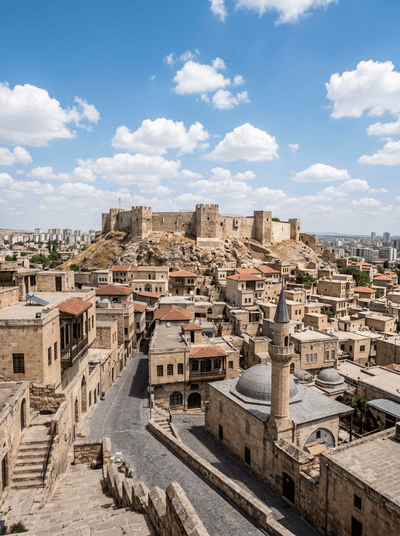
Gaziantep
Turkey
Pistachio baklava layered by hand in copper-scented bazaars, a UNESCO city of gastronomy.
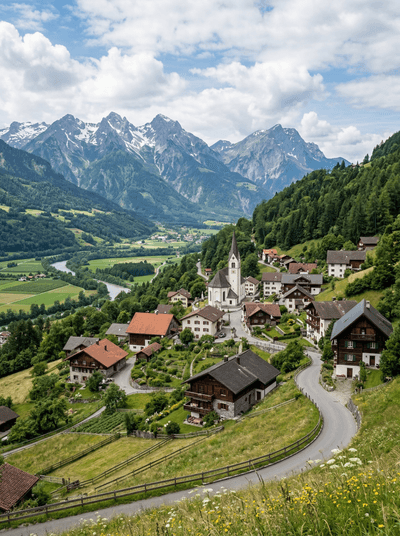
Schellenberg
Liechtenstein
Schellenberg keeps two ruined castles on one ridge; the bigger one lets you barbecue inside.
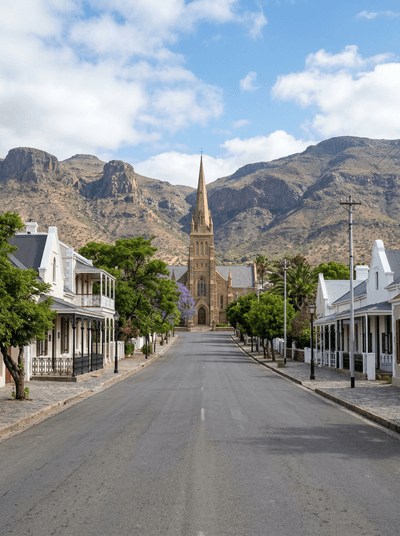
Graaff-Reinet
South Africa
Whitewashed Cape Dutch streets end at a valley of leaning dolerite pillars.
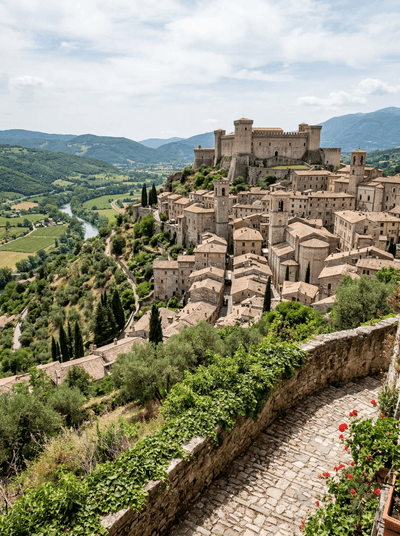
Narni
Italy
A hill town hiding an underground church discovered in 1979, frescoed walls sealed for centuries.
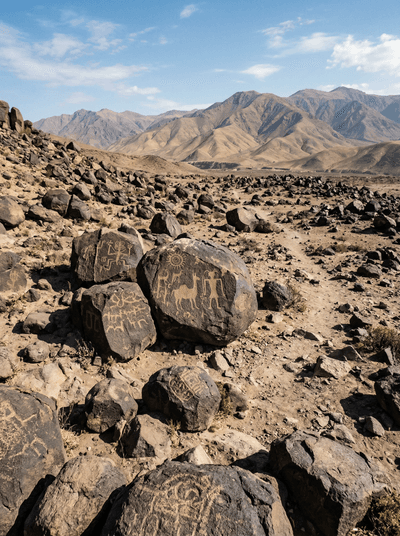
Toro Muerto
Peru
A desert of engraved boulders — thousands of petroglyphs, barely a visitor.
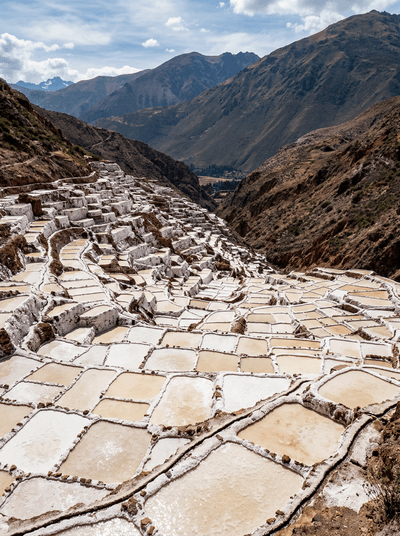
Salineras de Maras
Peru
Thousands of salt pans cascading down a mountainside, hand-harvested since before the Inca.
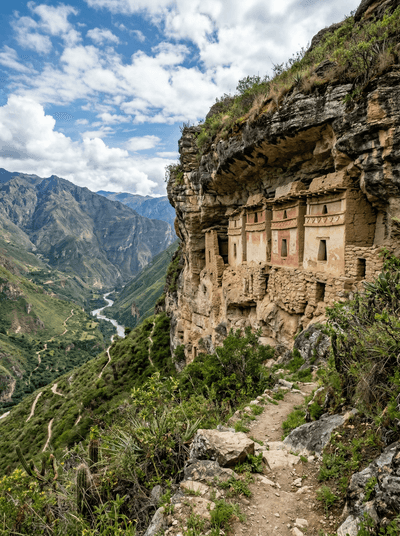
Revash
Peru
Miniature painted houses for the dead, set into a cliff above swirling cloud forest.
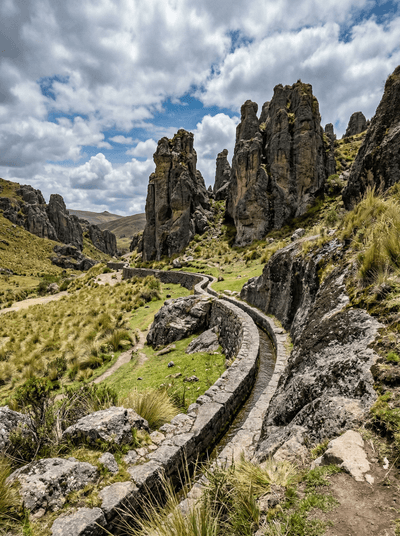
Cumbemayo
Peru
Pre-Inca aqueducts carved through living rock — still channelling water after millennia.