Wales
Porthgain and the Blue Lagoon
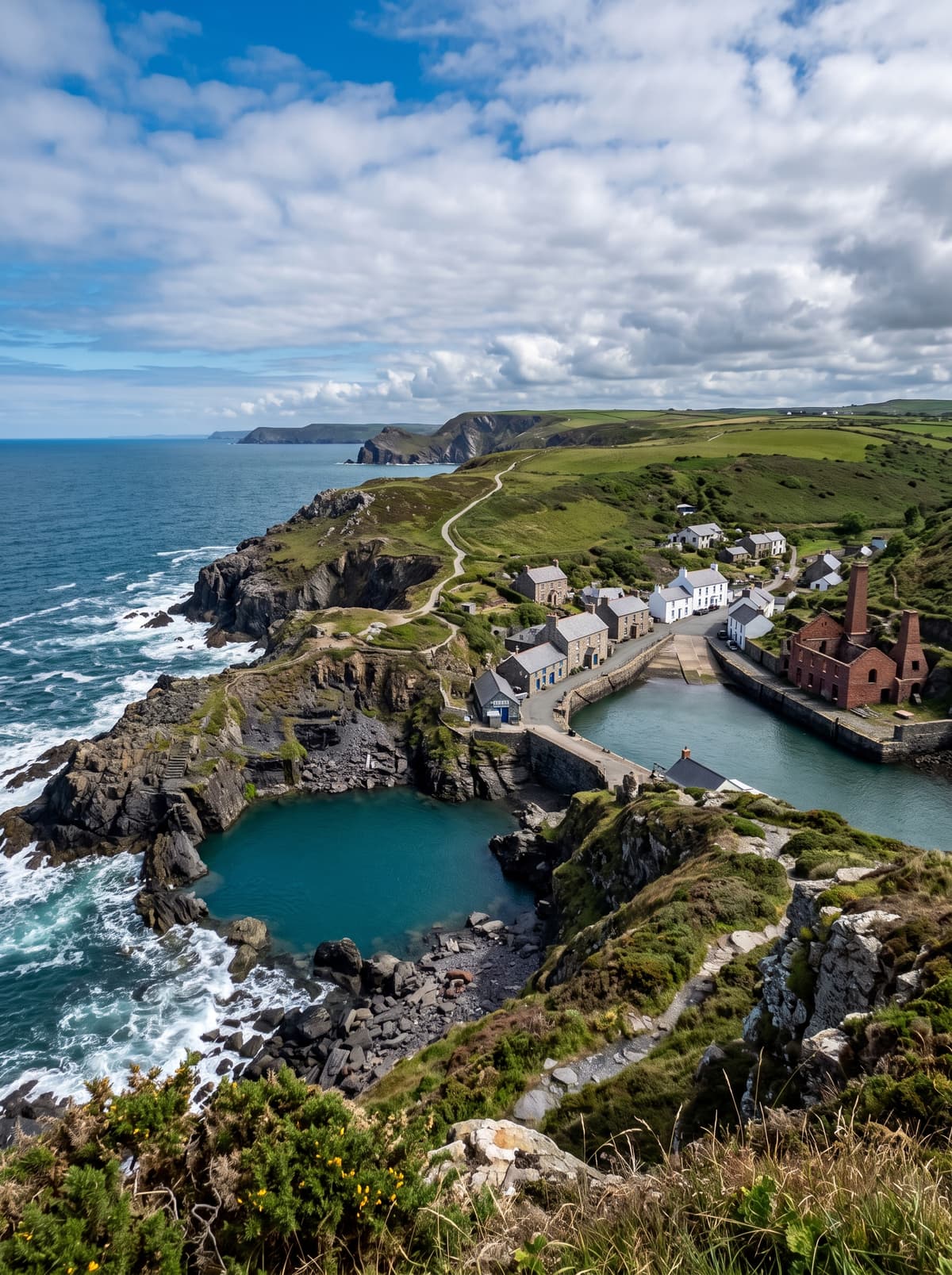
Brick hoppers over a working harbour, and a flooded slate quarry the colour of green glass.
Two industrial ruins on the north Pembrokeshire coast of Wales have become the most beautiful stretch of the coast path. At Porthgain, brick hoppers the size of houses loom over a harbour that once loaded crushed granite into ships; at Abereiddi a slate quarry pit breached by the sea has become the Blue Lagoon, 25 metres deep and green as bottle glass.
The name means chisel port: from around 1850 the village shipped slate, then bricks from the Ty Mawr works, then road stone crushed from the tiered quarry along the cliff, dispensed from the hoppers built in the early 1900s straight into the holds alongside the quay. The work ended in the 1930s and the village kept its shape: the Sloop Inn of 1743, a café-restaurant, art galleries, and boats that still use the harbour. The circular walk to Abereiddi and back is around 3.6 miles, past Traeth Llyfn, a beach of extraordinary rock formations reached by steep metal steps and cut off in parts at high tide, to the lagoon, where the ruins of the engine house overlook the pool and a slipway lets small boats in. The Blue Lagoon is a flooded quarry, not a beach: the national park warns of currents and undertows, and in autumn access is often closed to leave the seal pups alone. Abereiddi's own beach is black sand, with tiny fossil graptolites in the shale; together they are the Pembrokeshire coast at its most surprising: the industrial past not tidied away but turned into the view.
Solo
The coast path loop early, the hoppers in morning light, then a plate at the Sloop when it opens.
Couple
A walk to the lagoon and back for lunch in the harbour, then the quay at evening as the fishing boats come in.
Family
Fossil hunting on Abereiddi's black sand, a walk to the green pool, and chips by a harbour with boats for children to watch.
Friends
Kayaks on the lagoon, the coast path to Porthgain, and the Sloop's terrace for the debrief.
- Porthgain means chisel port: from around 1850 slate, then brick, then crushed granite left this harbour, and the huge brick hoppers that fed the stone straight into ships still stand over the quay.
- The Sloop Inn dates from 1743, and the working stopped in the 1930s, leaving a hamlet of galleries, a pub and a café around a harbour still in use.
- At Abereiddi the slate quarry pit was breached by the sea and is now the Blue Lagoon, 25 metres deep and, despite the name, a distinct green from the mineral content of the quarry.
- The coast path between the two runs past Traeth Llyfn, a beach reached by steep metal steps below unstable cliffs, and the lagoon is closed at times in autumn for the seals and their pups.
A pint and a plate at the Sloop Inn, the harbour pub that has stood in the village since 1743.
Lunch at the café-restaurant by the quay, the other reason walkers time the coast path to arrive here hungry.
Manuel Antonio
Costa Rica
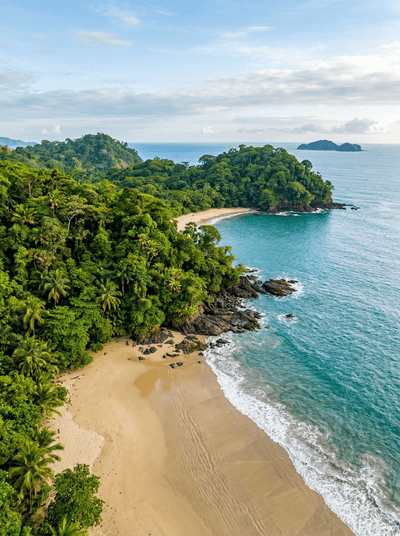
Capuchins patrol the sand beneath dozing sloths where rainforest walks into the ocean.
Vaitupu
Tuvalu
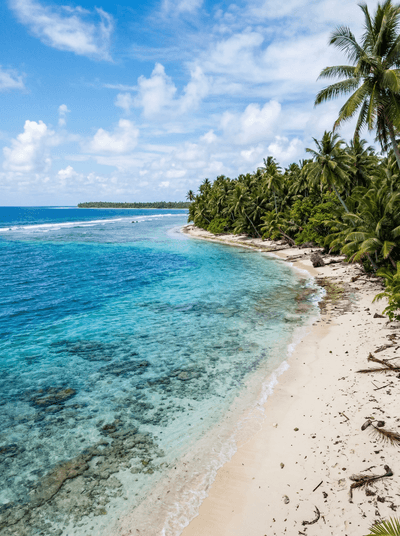
Tuvalu's largest island, where traditional sport te ano sends two woven balls flying at once.
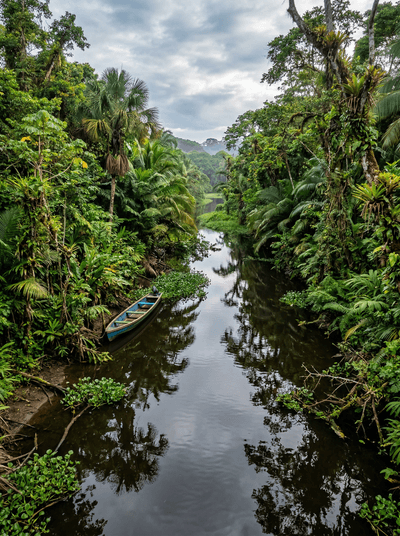
Tortuguero
Costa Rica
Jungle canals where green sea turtles haul onto black volcanic sand under a moonless sky.
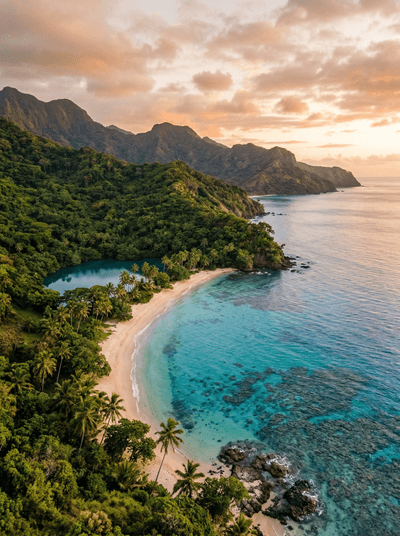
Kadavu
Fiji
Manta rays circle the world's fourth-largest barrier reef, off villages the road barely reaches.
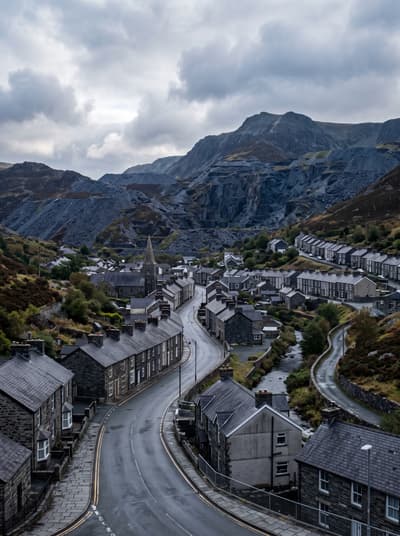
Blaenau Ffestiniog
Wales
The town that roofed the world, where you bounce on trampolines slung inside a slate cavern.
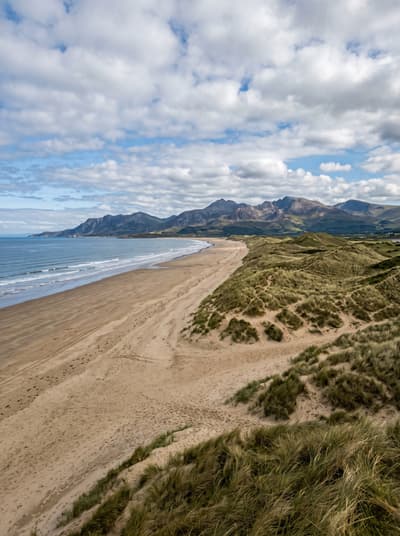
Harlech
Wales
A castle on a crag waiting for a sea that walked away centuries ago.
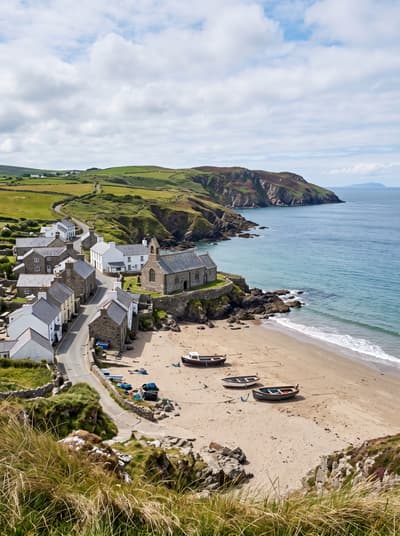
Aberdaron
Wales
A church on the sand where pilgrims ate their last meal before the island crossing.
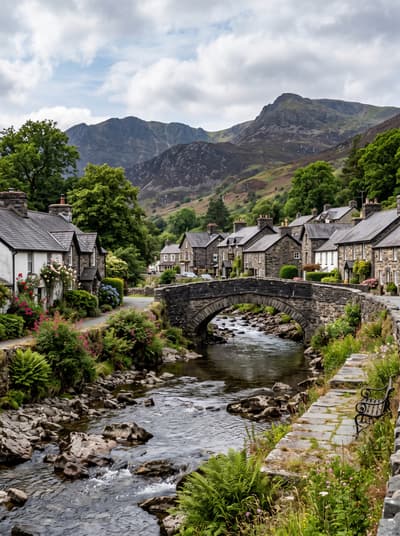
Beddgelert
Wales
A stone village at the meeting of two rivers, named for a legendary dog's grave.