Wales
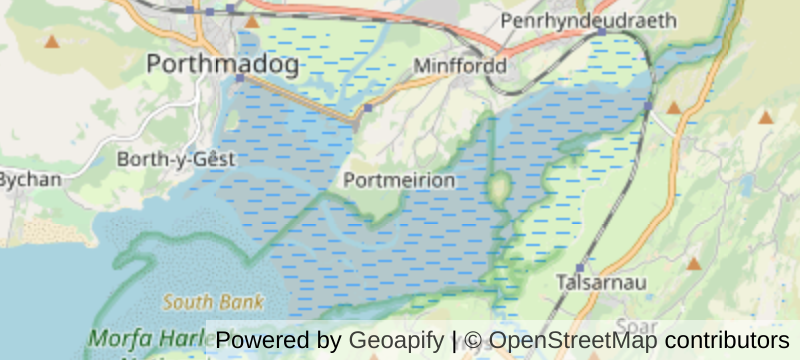
Portmeirion
An Italianate village one architect built on a Welsh shore over fifty years.
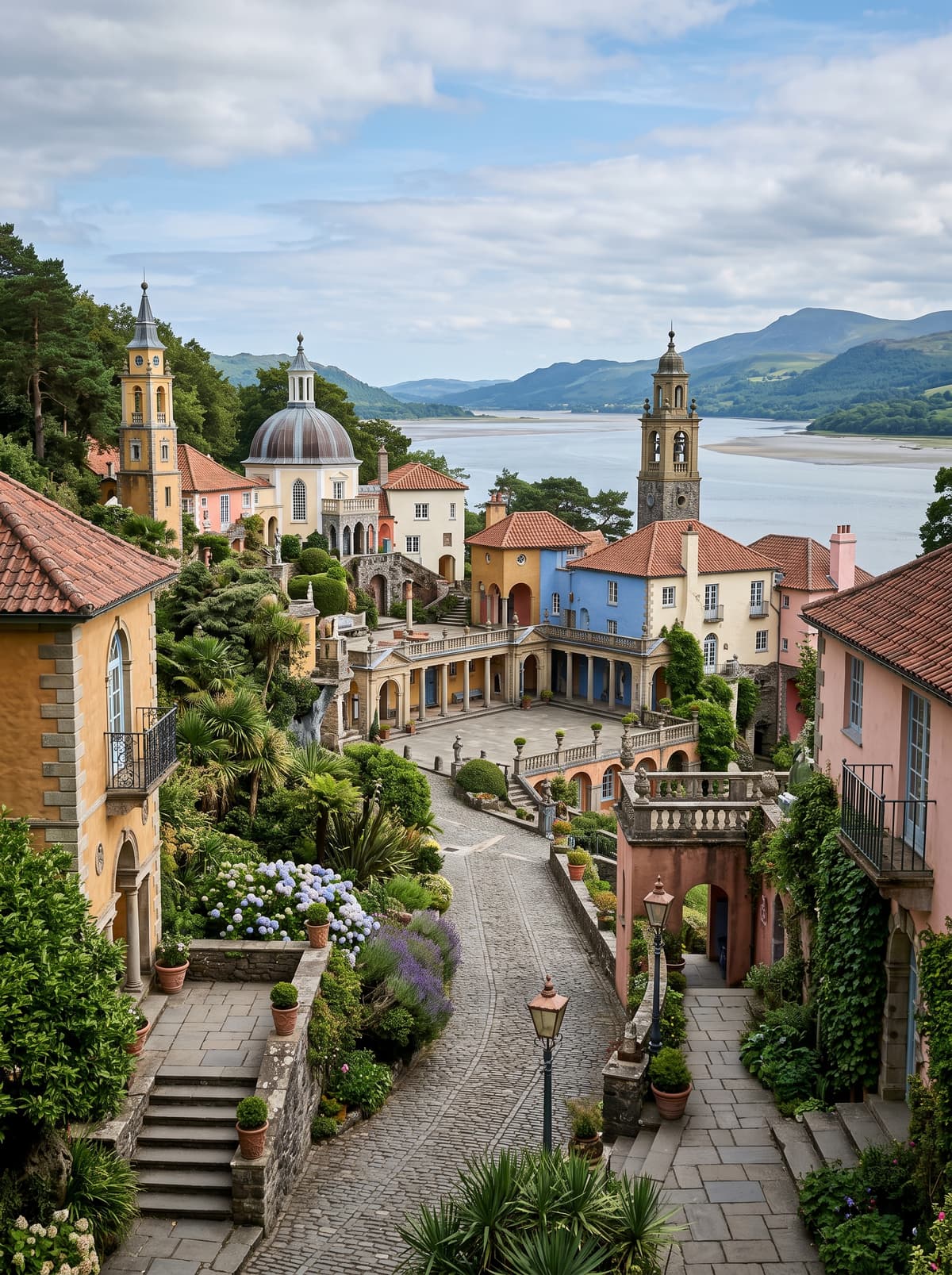
In 1925 a Welsh architect bought a wooded headland above an estuary and spent the next fifty years building an Italian village on it. Clough Williams-Ellis finished in 1975, and what he left is a piazza of Riviera-coloured houses, a campanile and a waterfront hotel in the middle of Gwynedd, a pocket of madness, as Visit Wales calls it, like no other.
Portmeirion is a private village that welcomes the public: you pay at the gate, and then the place is yours to wander, from Battery Square where coffee is taken Mediterranean-style to the quayside and the tide. The campanile and the piazza are the set-piece, but the Gwyllt behind them is the surprise, a ten-hectare Edwardian wild garden planted by Caton Haigh before Clough arrived, its paths dropping through rhododendron and old trees to the shore. Television found the village in the 1960s, when The Prisoner was filmed here, and it has never quite let go. The Hotel Portmeirion sits on the water and feeds the village, and Castell Deudraeth, the house at the entrance, holds a brasserie whose menu leans on local produce; a 1950s-style café in the Town Hall feeds day visitors. Guests who stay in the cottages see the village after the day visitors leave, which is how to see it: lamps on, campanile against the estuary sky.
Solo
Walk the Gwyllt to the shore before the coaches arrive, then sit in the piazza and watch the village fill.
Couple
A night in a village cottage, afternoon tea at the hotel, and the piazza after closing.
Family
A whole village to explore like a maze, woodland paths to the beach, and a café with a retro bar for lunch.
Friends
A group cottage inside the gates, the brasserie at Castell Deudraeth, and the Prisoner references nobody will admit to knowing.
- The Welsh architect Clough Williams-Ellis bought the site in 1925 and went on building his village until 1975, half a century of one man's idea.
- The central piazza's Riviera-inspired houses, ornamental garden and campanile make it, in Visit Wales's words, a pocket of madness like no other.
- Behind the village the Gwyllt is a ten-hectare woodland, an Edwardian wild garden laid out before Clough arrived, with paths down to the shore.
- Portmeirion was the setting for The Prisoner, the 1960s cult television series, and the village still trades on the memory.
Lunch at the brasserie in Castell Deudraeth, the castellated house at the village gate, on a menu built from local produce.
A meal at the Hotel Portmeirion on the waterfront, with the estuary tide filling outside the windows.
Manuel Antonio
Costa Rica
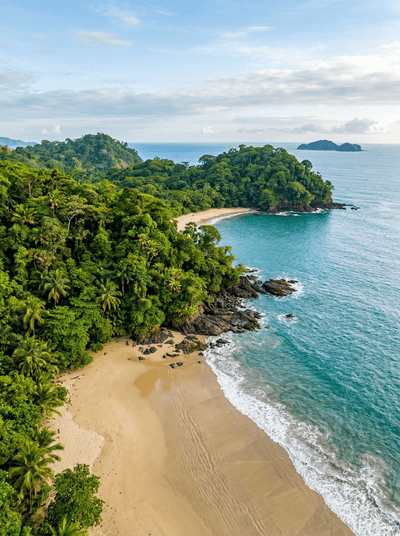
Capuchins patrol the sand beneath dozing sloths where rainforest walks into the ocean.
Vaitupu
Tuvalu
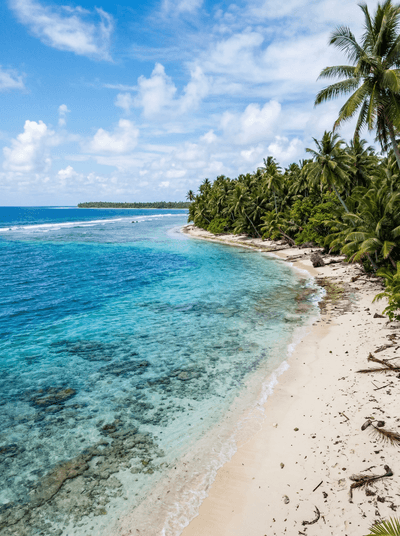
Tuvalu's largest island, where traditional sport te ano sends two woven balls flying at once.
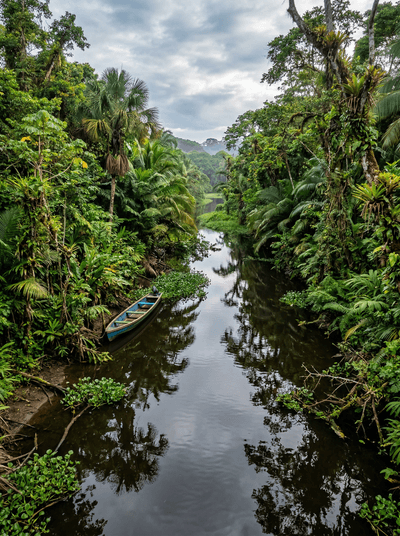
Tortuguero
Costa Rica
Jungle canals where green sea turtles haul onto black volcanic sand under a moonless sky.
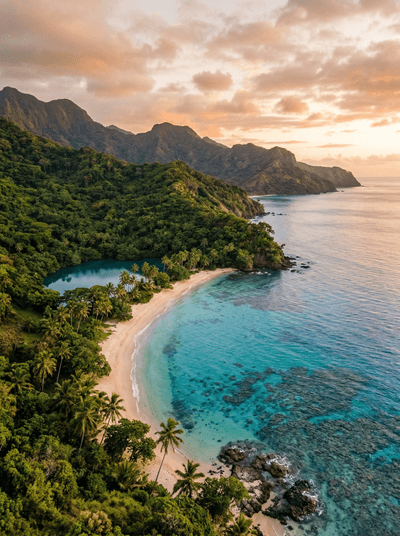
Kadavu
Fiji
Manta rays circle the world's fourth-largest barrier reef, off villages the road barely reaches.
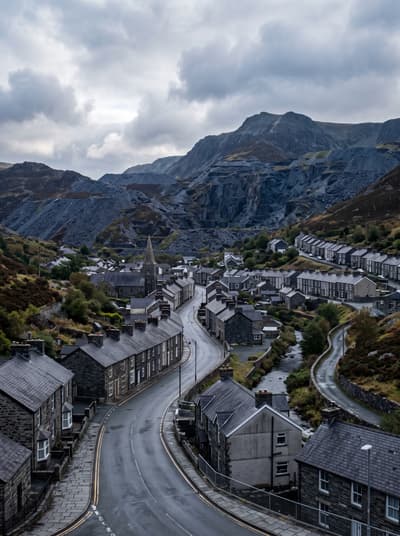
Blaenau Ffestiniog
Wales
The town that roofed the world, where you bounce on trampolines slung inside a slate cavern.
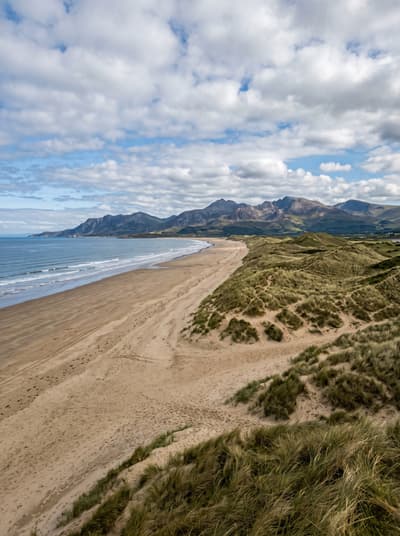
Harlech
Wales
A castle on a crag waiting for a sea that walked away centuries ago.
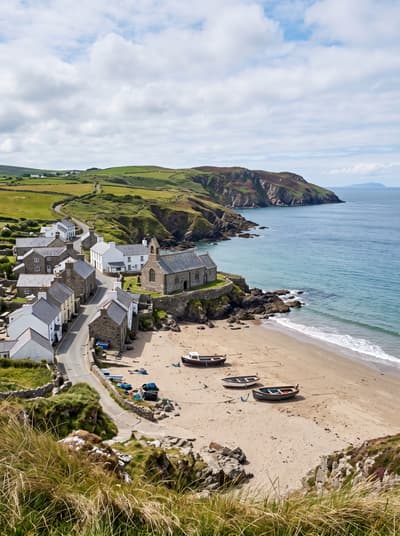
Aberdaron
Wales
A church on the sand where pilgrims ate their last meal before the island crossing.
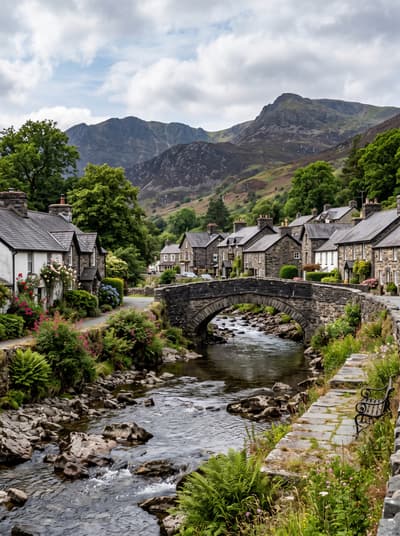
Beddgelert
Wales
A stone village at the meeting of two rivers, named for a legendary dog's grave.