Brazil
Praia dos Carneiros
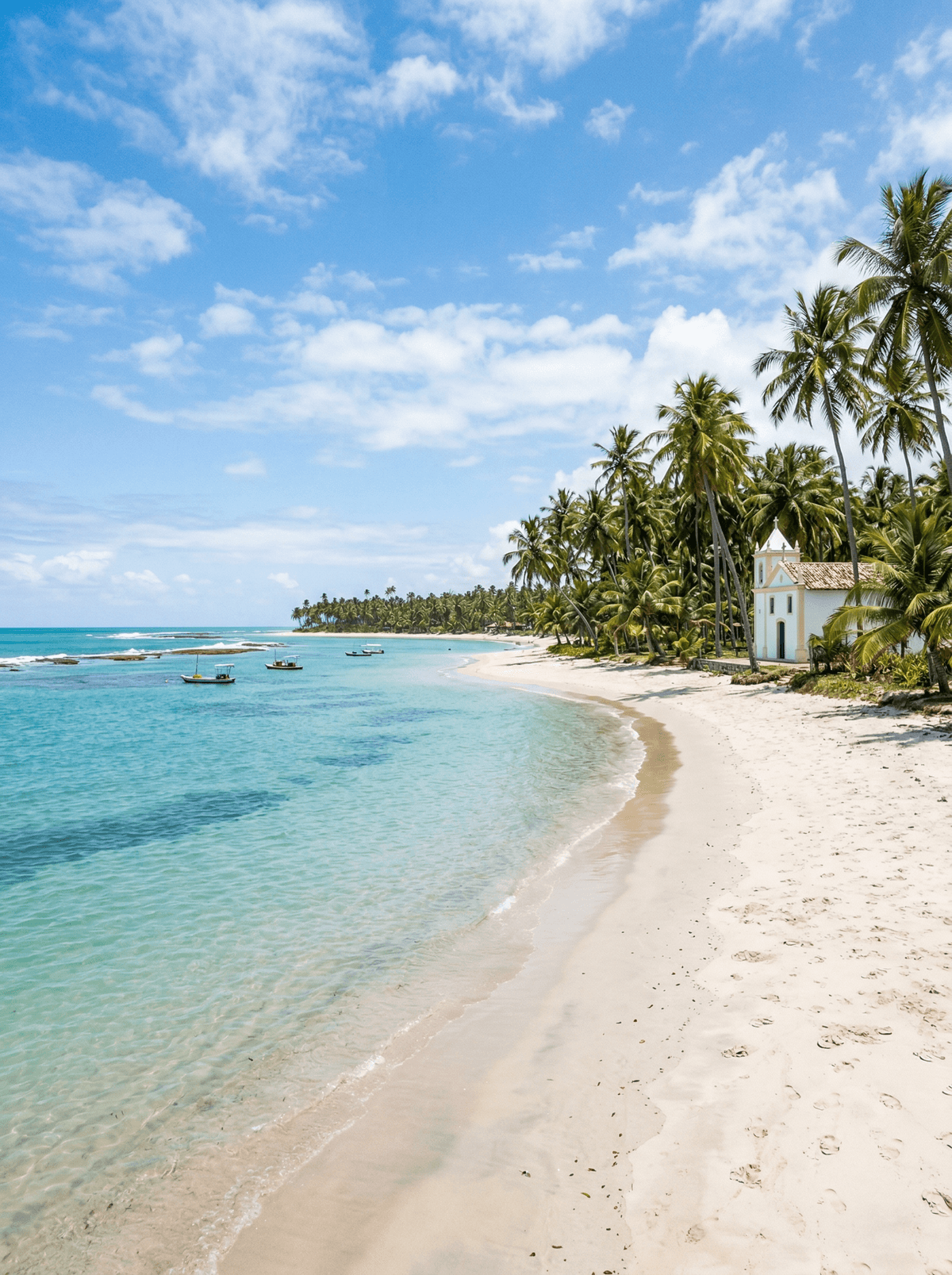
A chapel alone on the sand, and reef pools that open as the tide drops away.
The chapel stands on the beach with nothing built up around it, and that is law rather than luck: bars may not set tables, chairs or parasols on this strip of sand, and fixed stalls are banned outright. When the tide pulls back, the reef offshore holds a set of pools behind it and people walk out into them. Behind the beach, the Rio Formoso is coming down to meet the sea.
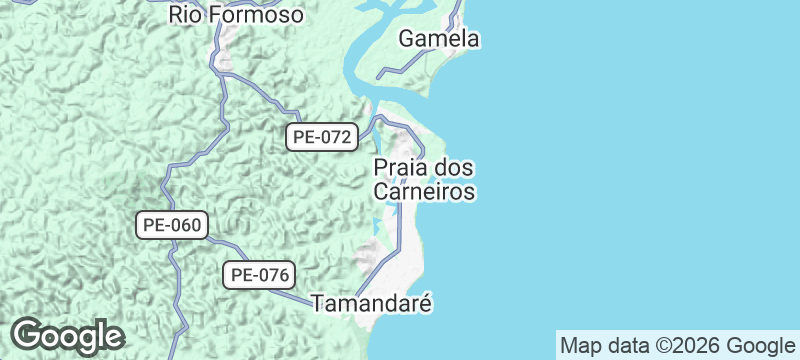
Praia dos Carneiros belongs to Tamandaré, on the southern coast of Pernambuco, and the municipality puts the seafront chapel of São Benedito at the head of the five things it thinks worth seeing, calling it a witness of the centuries. The state calls the beach one of the most wanted destinations in Brazil, and says so inside the document explaining why it had to be regulated: disorderly growth of local tourism around the mouth of the Rio Formoso. What came out of that runs to 58.3 square kilometres of land, sea and estuary, more ground than the whole municipality of Olinda, worked out over two years with around 360 people taking part. Under it this beach is its own subzone, where kayaks and stand-up paddleboards may be hired only inside designated selective areas, jet-ski hire and banana boats are out, and each tourism vessel gets a single nautical outing a day. Over the reef complex boats hold to ten knots, anchoring is confined to selective areas, feeding the fish is prohibited, and so is selling or drinking alcohol. There is plenty down there worth the rule: surveys of the Tamandaré reefs have recorded 103 fish species, forty of which come inside the Rio Formoso itself. Rain runs the other timetable, with about three quarters of the year's 1,977 millimetres falling between March and August; from September the river slackens and the sea pushes back up the estuary.
Couple
The rules are what make this beach what it is: one outing per boat per day, ten knots over the reef, nothing built on the sand. That buys quiet on a coast the state itself describes as having grown out of hand. Look at the tide before anything else, because the pools are a low-water event.
Family
Wading out to the pools is the day for most children, and it happens on the ebb, so the tide table decides when to arrive. Glass bottles and single-use plastic cups and straws are banned on the sand, and there is no bar furniture to rent, so bring the day out with you in something reusable.
- The sand is kept clear by decree: fixed stalls are banned, bars may not put tables, chairs or parasols on the beach strip, and vehicles may not park on it.
- Each tourism vessel is allowed one nautical outing a day, and over the reef complex boats hold to ten knots and drop anchor only in designated areas.
- The municipality leads its list of what to see with the chapel of São Benedito on this beach, calling it a witness of the centuries.
- The reef pools are formally recognised as somewhere to swim and snorkel, with feeding the fish prohibited and no food or alcohol sold or drunk over them.
The camarão Bora Bora arrives in its own coconut at the restaurant of the same name, a hundred metres back from the sand where the cars stop.
Beijupirá cooks the seafood with a northeastern hand inside the Pousada Pontal dos Carneiros, and further along the Gameleiro does peixada and moqueca pernambucana with the reef in front of it.
Hervey Bay
Australia
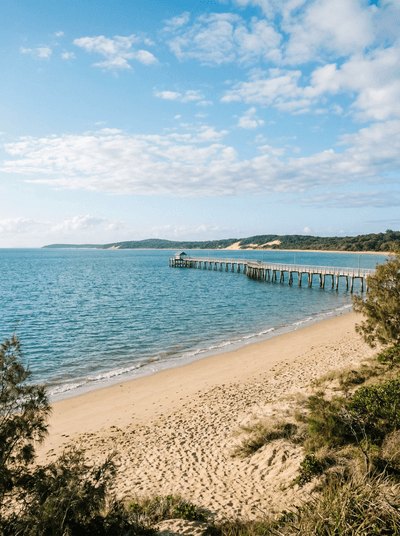
Humpback mothers rest with calves inside the sheltered bend of their winter migration.
Koh Yao Noi
Thailand
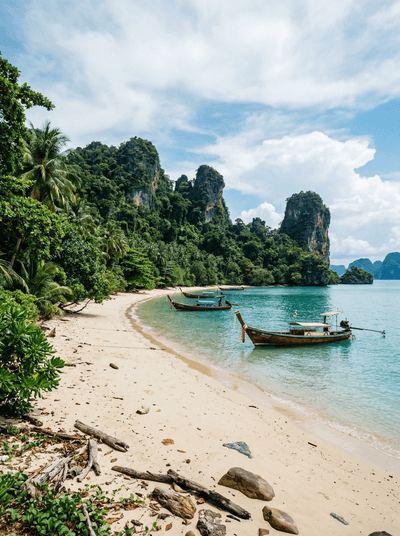
Hornbills swoop over rubber plantations while limestone karst towers slice the horizon in half.
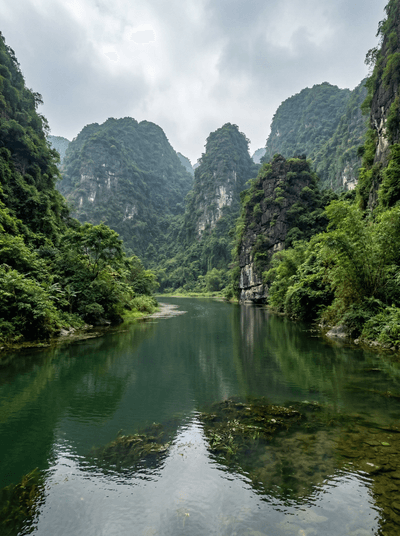
Trang An
Vietnam
Sampans paddled by foot through flooded caves beneath vertical limestone monoliths.
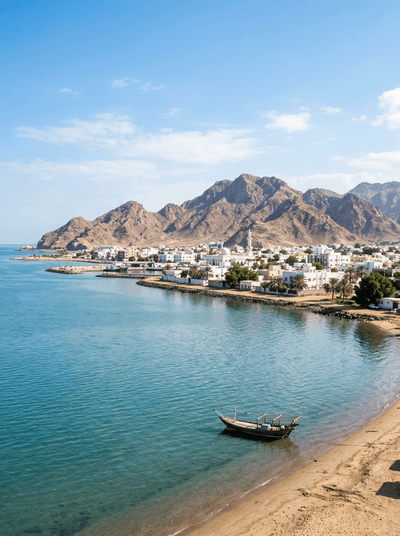
Al Lith
Saudi Arabia
Whale sharks gather each spring in warm shallows where the desert meets the Red Sea.
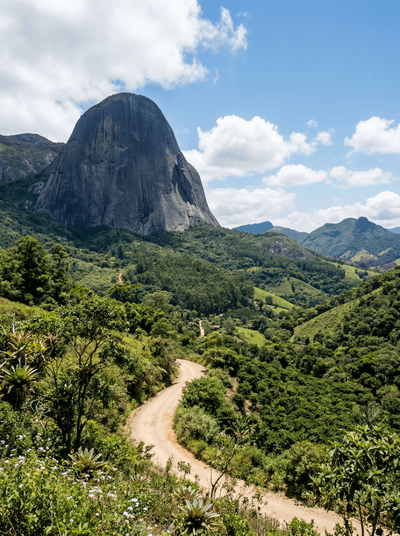
Pedra Azul
Brazil
A granite monolith blue with lichen, erupting from Atlantic Forest like a wave.
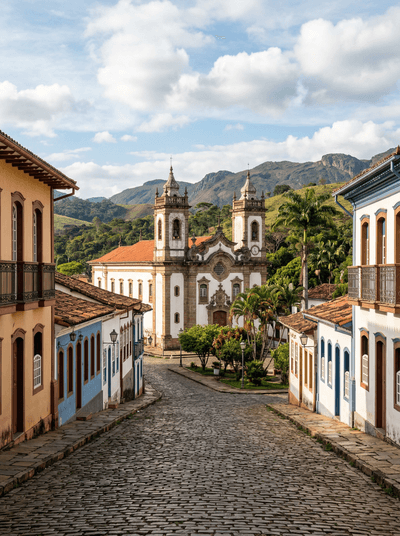
São João del-Rei
Brazil
Baroque towers answering each other across a valley, ringing the sex of whoever has just died.
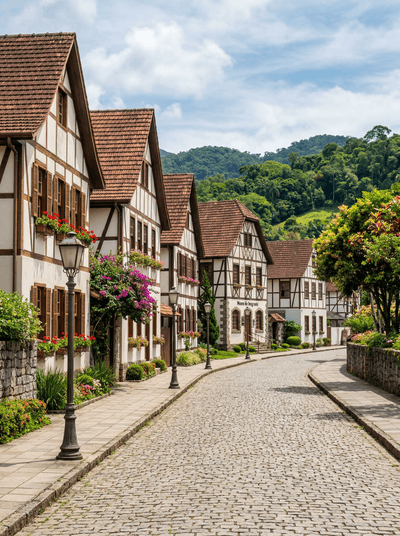
Pomerode
Brazil
Half-timbered Fachwerk houses by the hundred, in a town whose name means the Pomeranians' clearing.
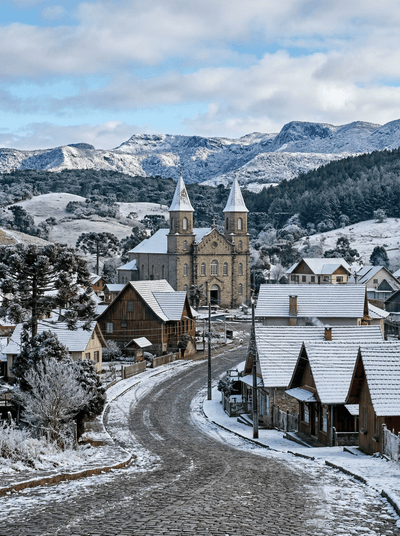
São Joaquim
Brazil
Apple orchards under frost in a highland town where Brazil forgets it's supposed to be tropical.