Argentina
Puente del Inca
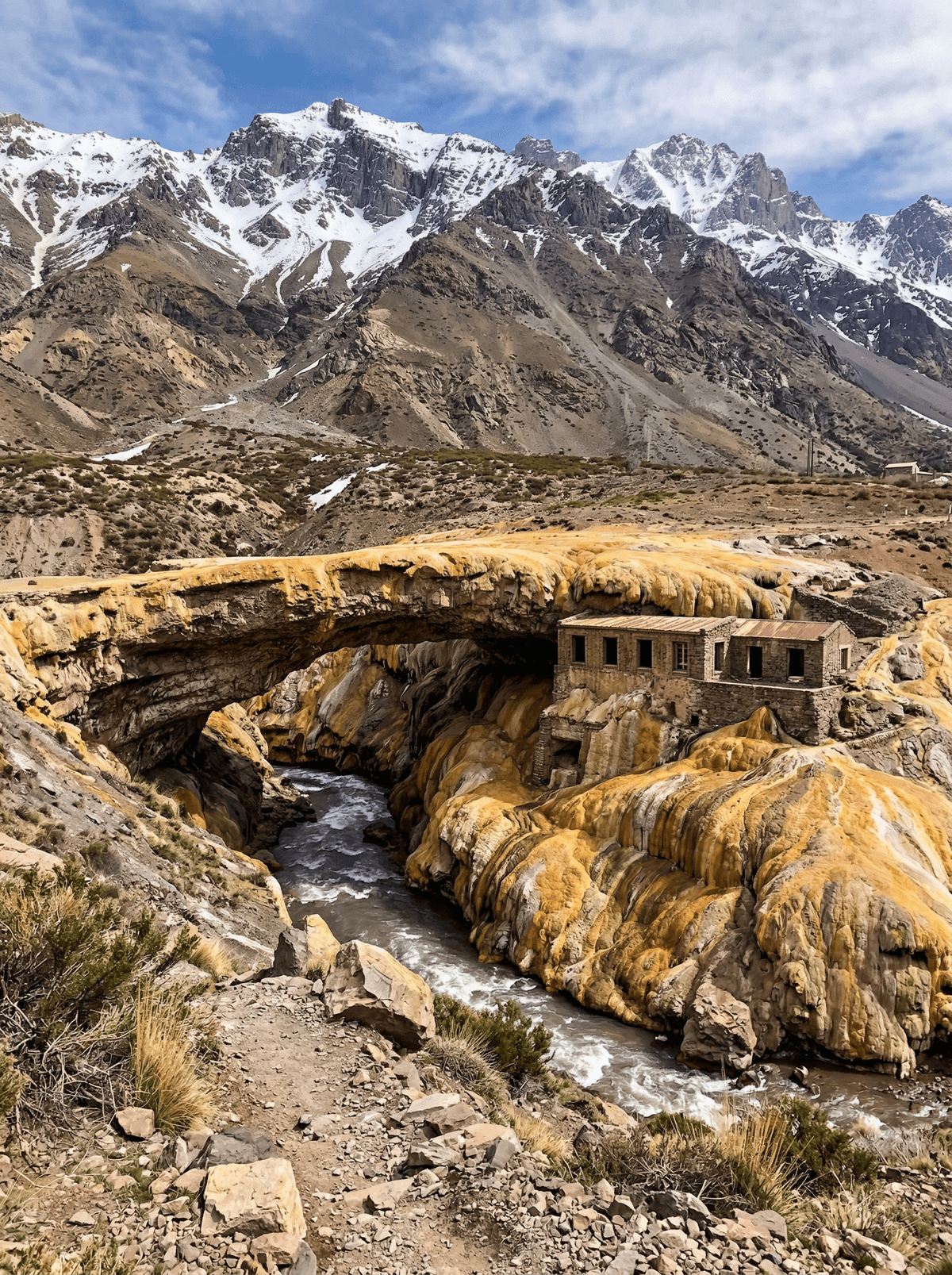
A natural stone bridge stained sulphur-yellow, slowly absorbing the ruins of a spa hotel.
Puente del Inca is a natural travertine arch spanning the Río Las Cuevas at 2,719 metres on the road to the Chilean border — built by the springs themselves, calcium and sulphur precipitating layer over layer, staining the arch and everything near it orange and yellow. An avalanche took the thermal hotel beside it in 1965, and the springs have been mineralising its ruins ever since: architecture becoming geology in slow motion.
The arch runs some 47 metres, and the thermal water that made it still emerges warm and mineral-rich from the rock faces, continuously depositing new crust. The site is viewed from the marked perimeter — crossing the fragile bridge itself is prohibited, and the crusted hotel ruins are looked at, not entered, which is exactly what their strangeness deserves. The stop sits naturally on the high-Andes road: Aconcagua's massif stands visible to the north, the artisan stalls sell mineral-crusted curiosities made by leaving objects in the spring water, and in winter the yellow arch against snow looks even more improbable. Provisions come from Uspallata or Mendoza — the bridge itself offers little beyond a small shop and a large silence.
Solo
A solo pause on the mountain road — the arch, the mineralising ruins, Aconcagua to the north — recalibrates an hour better than most destinations manage with a day.
Couple
The strange beauty of architecture being absorbed into stone, framed from the viewpoint in winter snow or summer glare, is a shared stop that stays in the conversation long past the border.
- The 47-metre arch is still being built — springs deposit fresh mineral layers continuously.
- The 1965 avalanche left a hotel the springs have been crusting yellow ever since.
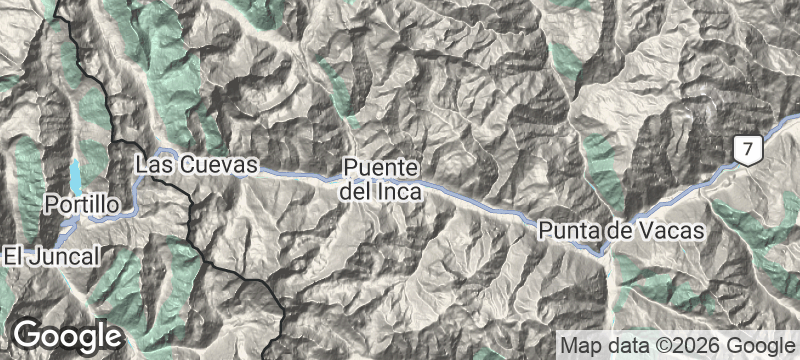
- The site sits on the main road toward the Chilean crossing, viewed from the marked perimeter.
- Against winter snow the sulphur-yellow bridge looks even more improbable.
Provisions from Uspallata or Mendoza — there is little at the bridge itself beyond a small shop.
Empanadas and hot mate at the roadside, the Andes rising steeply on both sides.
Rocca Calascio
Italy
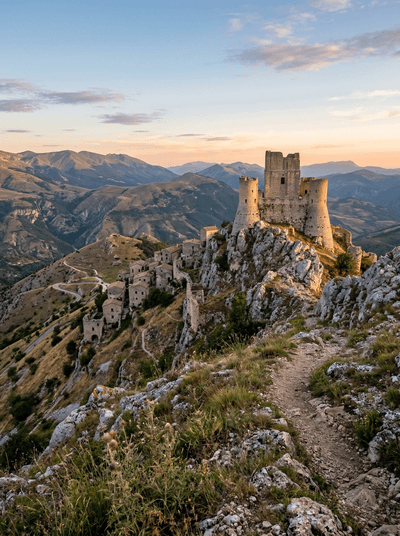
Among the highest fortresses in the Apennines, alone on a ridge with only wind for company.
Calhau
Cape Verde
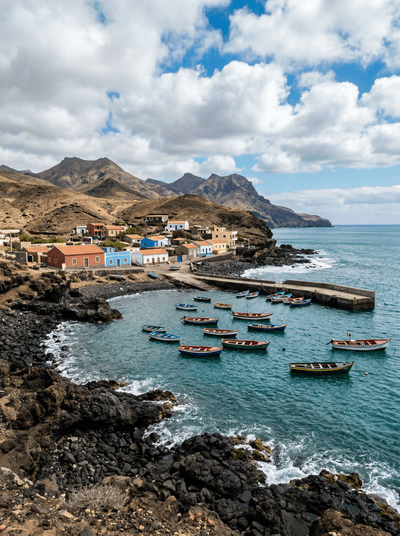
Climb a dead volcano from the beach and count three uninhabited islands from its rim.
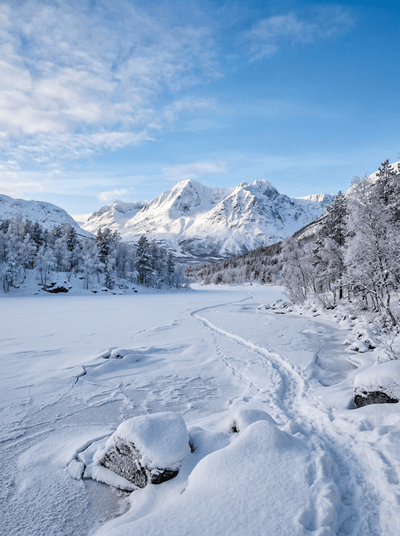
Abisko
Sweden
A rain-shadow valley whose famously clear Arctic sky draws the aurora hunters north.
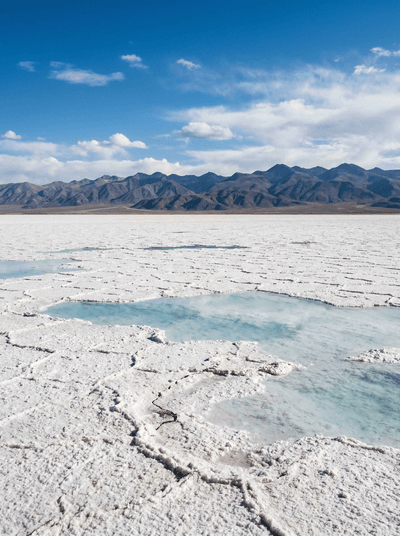
Salinas Grandes
Argentina
A salt flat so white it dissolves the horizon, cracked into hexagonal tiles.
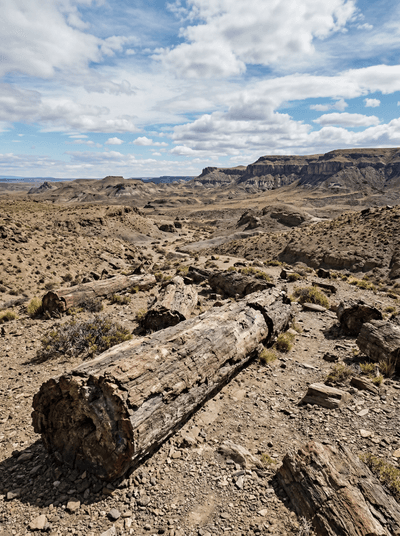
Bosques Petrificados de Jaramillo
Argentina
Trees turned to stone in the Jurassic, lying where they fell on windswept steppe.
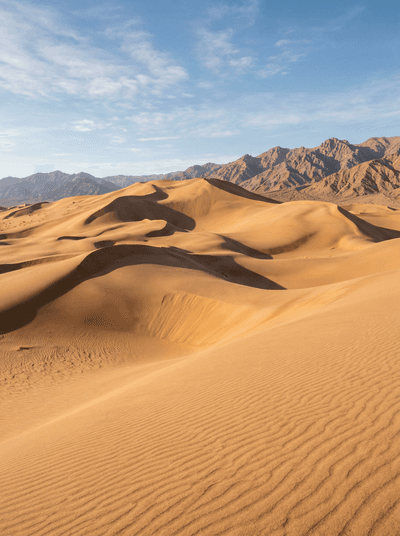
Dunas de Tatón
Argentina
Pale dunes surge against dark Andean foothills where the sand seems to climb the mountains.
Tilcara
Argentina
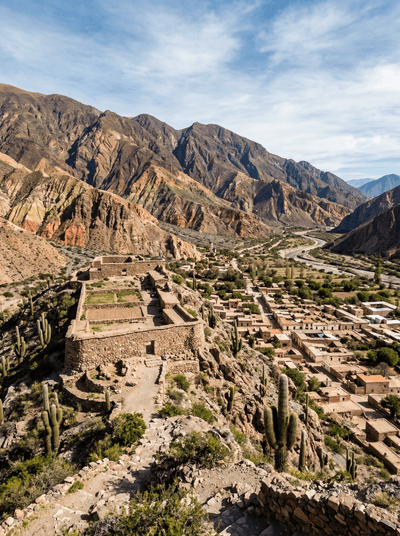
A pre-Inca fortress above a rainbow canyon where carnival explodes into devil masks.