Saudi Arabia
Qaryat al-Faw
A pre-Islamic city with wall paintings and sculptures buried at the Empty Quarter's edge.
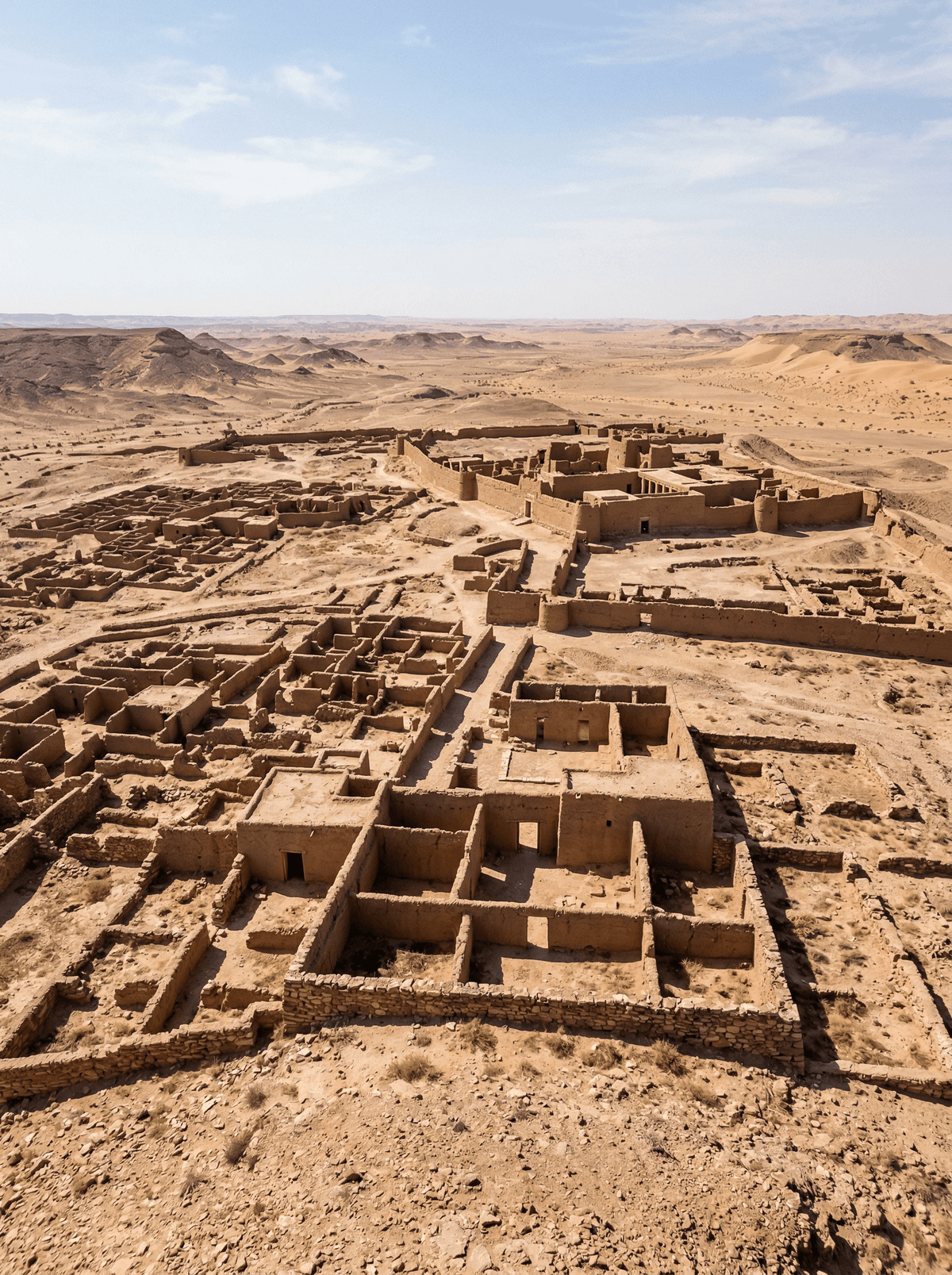
The ruins of Qaryat al-Faw sit at the edge of the Empty Quarter like the last outpost of civilisation before the sand takes over — which, historically, is exactly what they were. Wall paintings survive in buried chambers, bronze sculptures have been pulled from the rubble, and the irrigation channels that once fed this pre-Islamic trading city are still traceable in the hard-packed earth. Beyond the ruins, there is only sand.
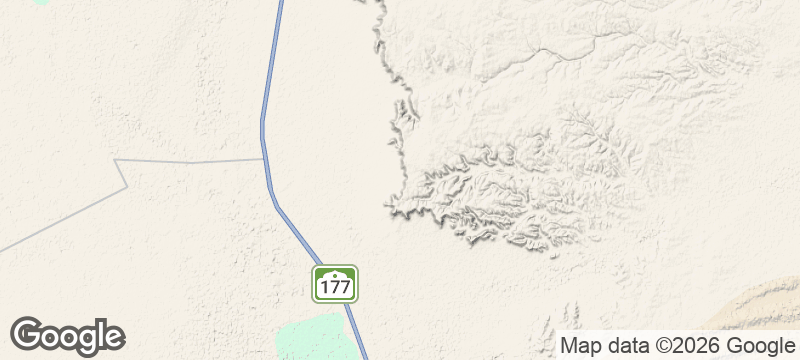
Qaryat al-Faw was the capital of the Kingdom of Kindah, a pre-Islamic Arabian civilisation that flourished in the centuries around the Common Era. The city sat at the junction of the incense road and the route connecting the Gulf to the Hejaz, a strategic position that brought it wealth and cultural diversity. Excavations — led by King Saud University since the 1970s — have uncovered wall paintings, bronze figurines, pottery, and an irrigation system that demonstrate a sophistication often overlooked in accounts of pre-Islamic Arabia. The site lies at the very edge of the Rub' al Khali, and the contrast between the urban remains and the surrounding desert emptiness is stark. Qaryat al-Faw is one of the most significant archaeological sites in Saudi Arabia, though it remains largely unknown outside specialist circles.
Solo
Reaching Qaryat al-Faw requires effort and intention — the kind of destination that rewards the solo traveller who follows their curiosity to its logical end.
- Capital of the ancient Kingdom of Kindah — a pre-Islamic Arabian civilisation that rivalled the Nabataeans.
- Excavations have revealed wall paintings, bronze sculptures, and an irrigation system from the first century CE.
- The city sat at the junction of the incense road and the route connecting the Gulf to the Hejaz.
- The ruins lie at the very edge of the Empty Quarter — beyond the city, there is only sand.
Bedouin madfoon — lamb buried in embers beneath desert sand — unearthed after hours of patient cooking.
Strong bitter coffee and dates under a canvas shade, the silence of the desert pressing close.
Millennium Cave
Vanuatu
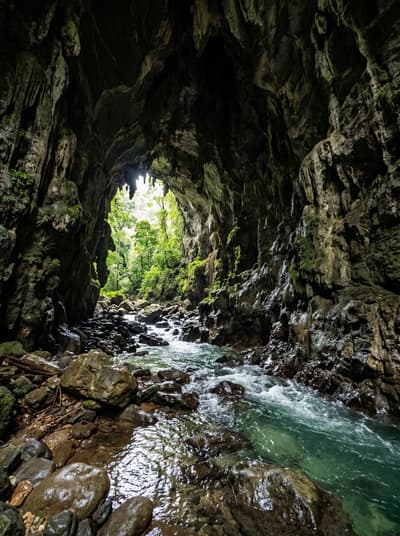
Scramble through jungle and wade chest-deep rivers to a cave you enter walking and exit floating.
Maryang-ri
South Korea
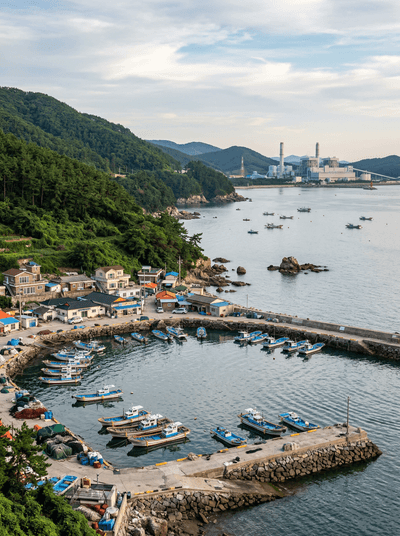
A five-hundred-year-old forest of camellia trees bleeding red flowers against the grey winter sea.
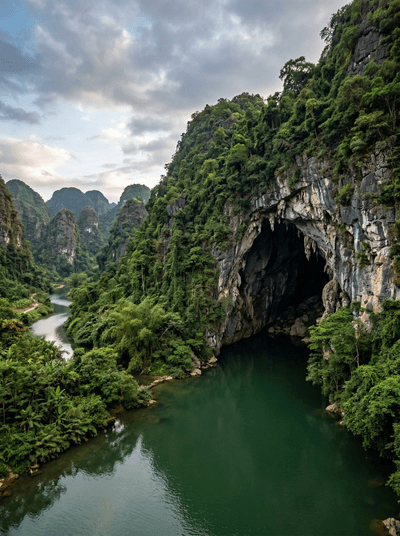
Phong Nha
Vietnam
Hidden jungle portals opening into subterranean river systems and limestone caverns.
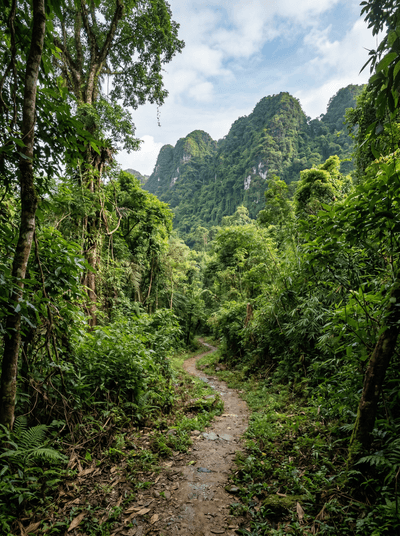
Cuc Phuong National Park
Vietnam
Millennium-old trees rising above a jungle floor swarming with millions of white butterflies each spring.
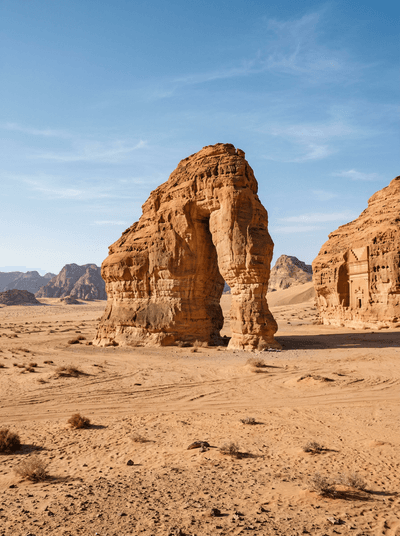
Al-Ula
Saudi Arabia
Nabataean tombs carved into sandstone cliffs that glow amber at dusk.
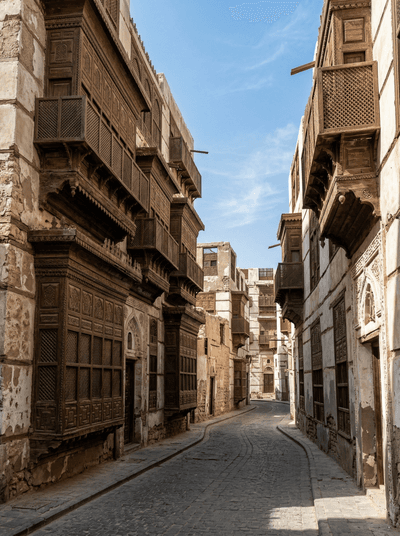
Jeddah Al-Balad
Saudi Arabia
Coral-stone towers with carved wooden balconies leaning over spice-scented alleys.
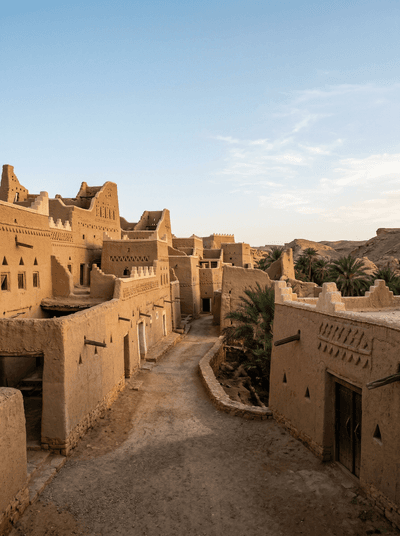
Diriyah
Saudi Arabia
Mud-brick fortress walls still sharp-edged against the Najdi sky after three centuries.
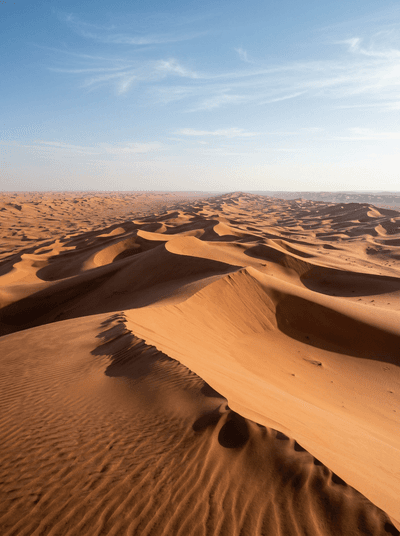
Rub' al Khali
Saudi Arabia
Dunes 250 metres high stretching unbroken to every horizon, silence pressing like weight.