Chile
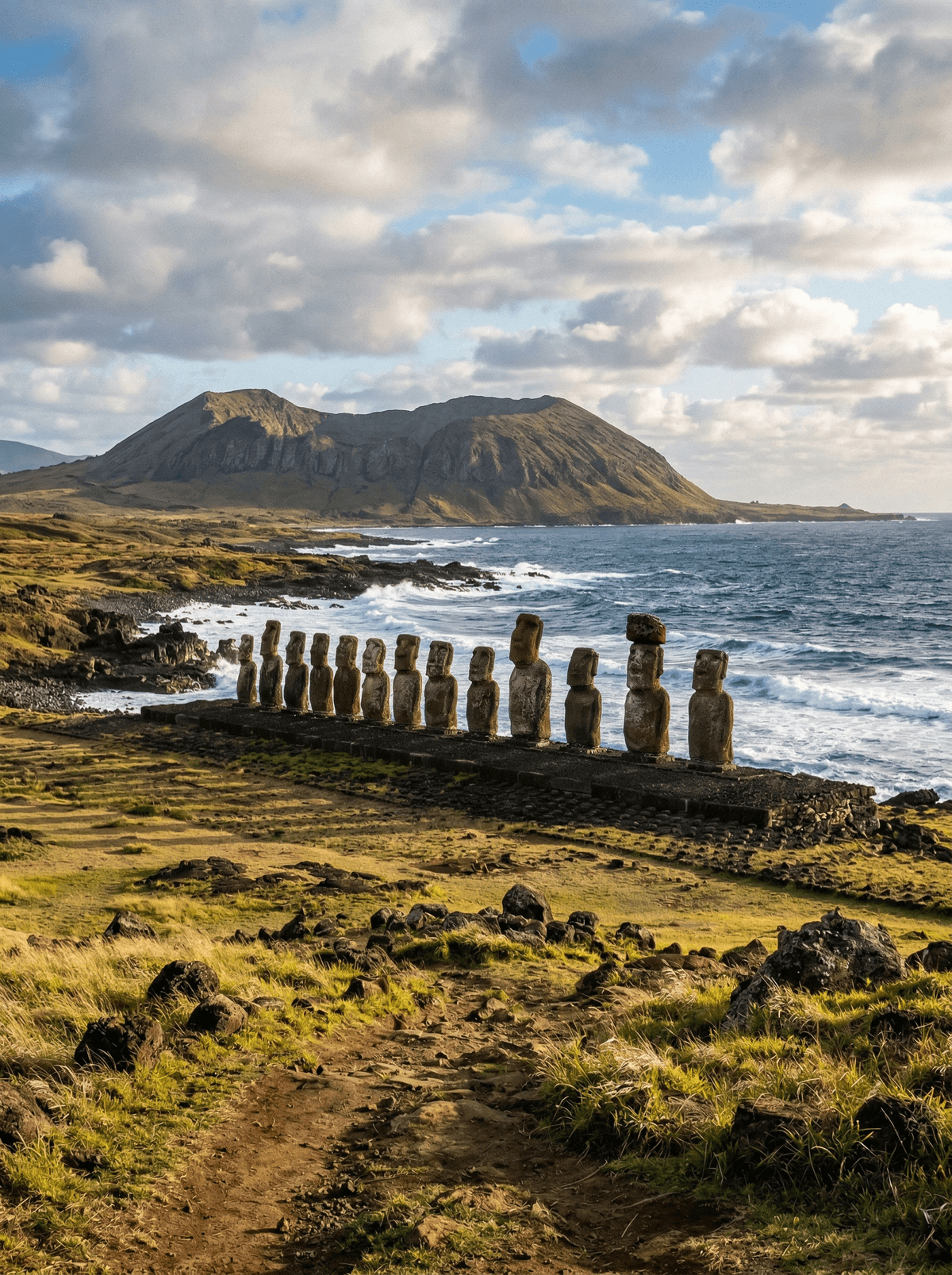
Rapa Nui (Easter Island)
Moai, grassed craters and a living Polynesian culture meet in the open Pacific.
First light reaches the profiles of carved ancestors while surf sounds below the ahu. Inland, quarry slopes still hold figures at different stages of emergence.
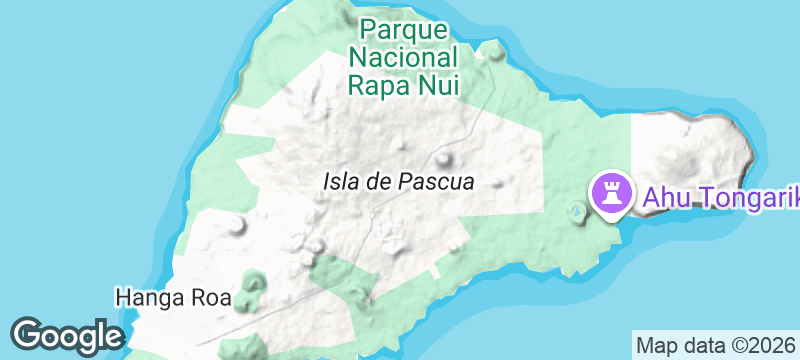
The national park protects ceremonial platforms, volcanic landscapes and the quarry where many moai were made. Accredited local guides are required at most archaeological sites, so context arrives built into the day, never as an optional extra. Hanga Roa supports several days that balance guided heritage with coast, food and present-day island life.
Solo
An accredited local guide supplies both company and context across the protected archaeological sites.
Couple
Balance two guided heritage days with a slower coast-and-food day around Hanga Roa.
- Rapa Nui National Park protects moai, ceremonial platforms and the quarry where the figures were carved.
- Accredited local guides accompany most archaeological sites, folding living culture into every visit.
- Hanga Roa anchors the stay with coast, food and community-run experiences between guided days.
Umu Rapa Nui — the island's curanto — cooks in an earth pit over fire-heated stones.
Tunu ahi is the island's other fire tradition, and po'e — the banana pudding — closes the meal; kahi, the tuna, rules the table.
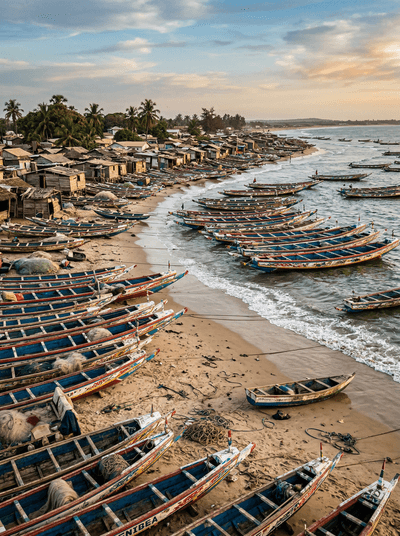
Tanji Fishing Village
Gambia
The beach erupts each afternoon: pirogues through surf, silver bonga by the basket, woodsmoke everywhere.
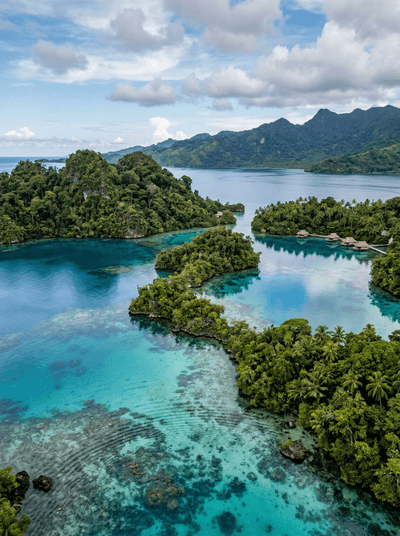
Marovo Lagoon
Solomon Islands
Two barrier reefs enclose a lagoon holding its own islands, villages and generations of woodcarvers.
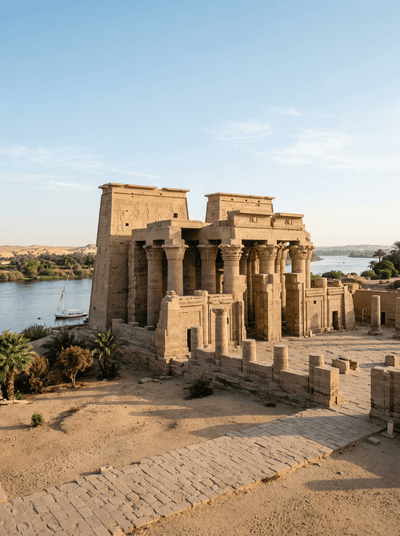
Kom Ombo
Egypt
A temple split between crocodile god and falcon, mummified crocs filling the gallery beside it.
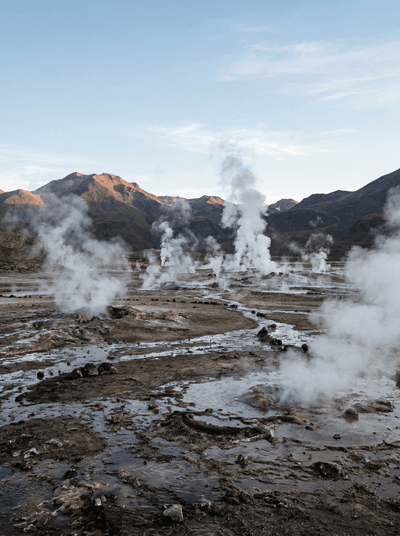
El Tatio Geysers
Chile
Steam columns rise into freezing dawn air at 4,300 metres in the Andes.
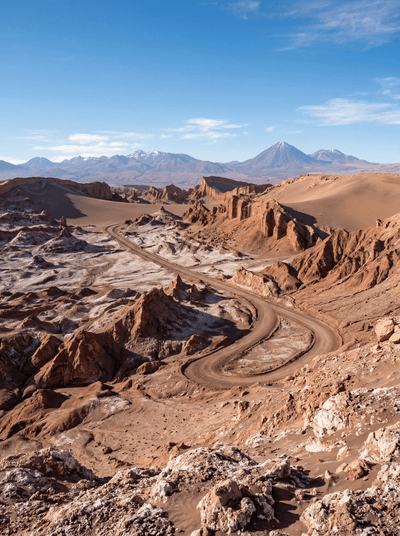
Valle de la Luna
Chile
Copper light skims salt ridges and sculpted clay at the edge of the Atacama.
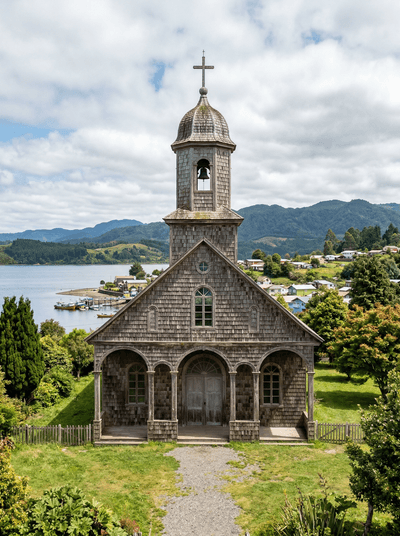
Chiloé's Wooden Churches (UNESCO Circuit)
Chile
Sixteen timber churches turn Chiloé's islands into a road-and-ferry pilgrimage.
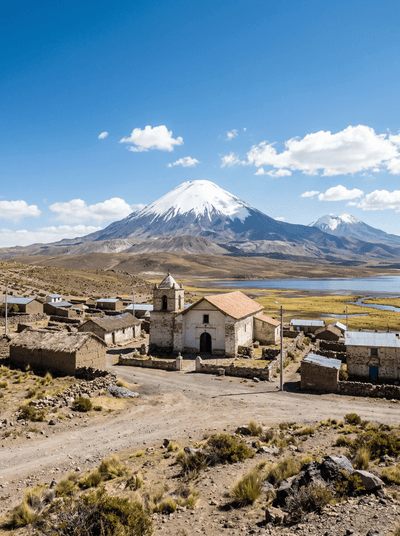
Parque Nacional Lauca (Parinacota Village)
Chile
A white Andean church sits beneath volcanoes in Lauca's immense high-altitude light.