Chile
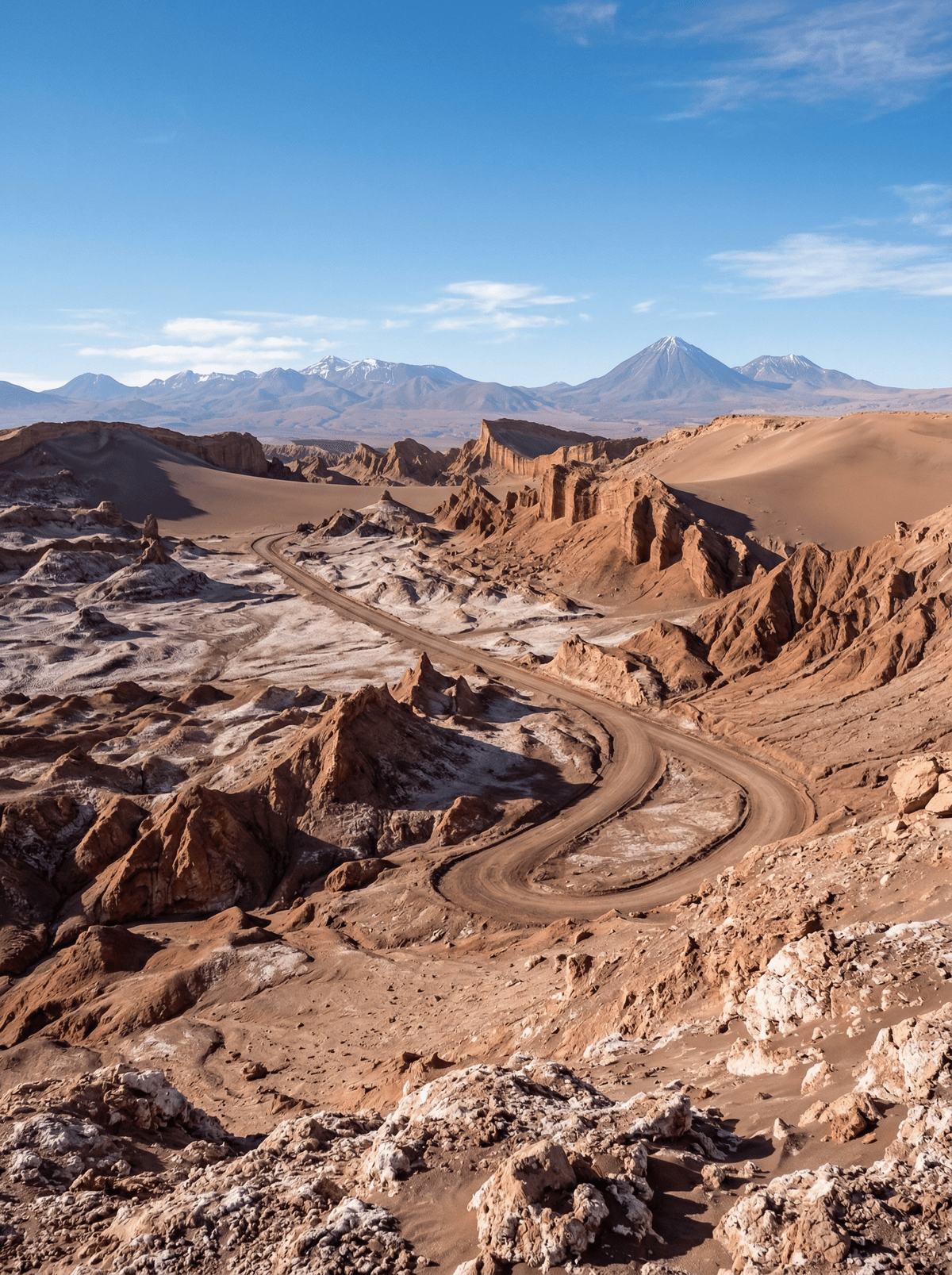
Valle de la Luna
Copper light skims salt ridges and sculpted clay at the edge of the Atacama.
Footsteps crunch over the marked path as long shadows enter the folds of the Cordillera de la Sal. The valley changes from chalk and ochre to violet in minutes.
Dunes, salt and clay formations form a managed circuit close to San Pedro, with timed entry protecting both fragile ground and visitors from the harshest heat. The pleasure lies in watching mineral surfaces change, not pretending the valley belongs to another planet. The timed circuit sets how late into the changing evening light a visit can run.
Solo
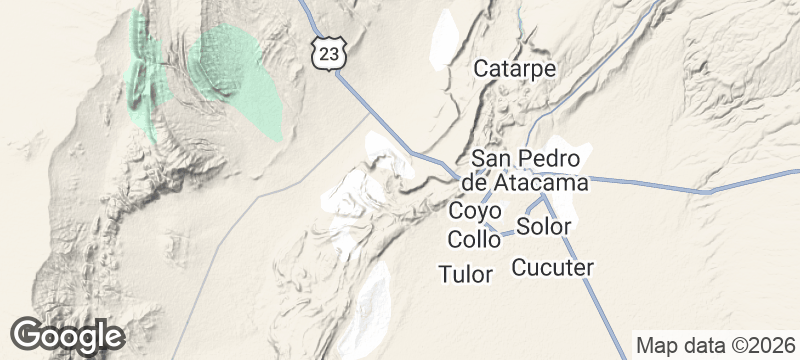
The marked timed circuit is straightforward to follow from San Pedro with organised transport.
Couple
Save the final mineral viewpoint for the colour change, then return to San Pedro for dinner.
- The managed circuit crosses salt and clay formations, dunes and viewpoints in the Cordillera de la Sal near San Pedro.
- Timed access and marked routes protect fragile ground and reduce exposure during the harshest heat.
- Late light reveals the valley’s mineral colours, but entry conditions and closing times remain operational facts to check.
Back in the oasis, quinoa in red, white and black anchors the San Pedro table.
A bowl of patasca after the evening circuit is the traditional recovery from a desert day.
Undara Lava Tubes
Australia
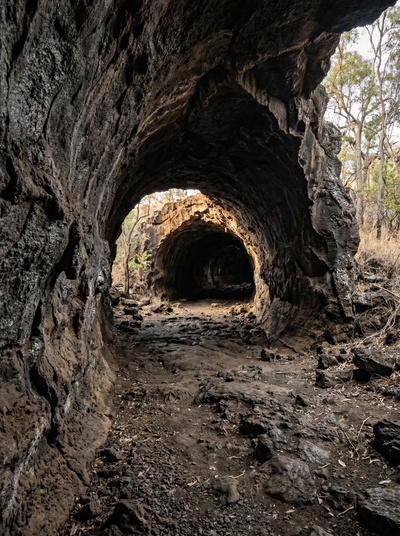
Step through a collapsed roof into tubes hollowed by a vanished river of fire.
Agiofarango Gorge
Greece
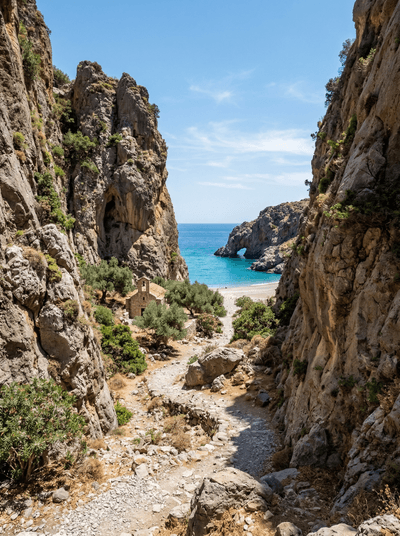
Three hundred hermits once lived this gorge — a cave chapel and the Libyan Sea remain.
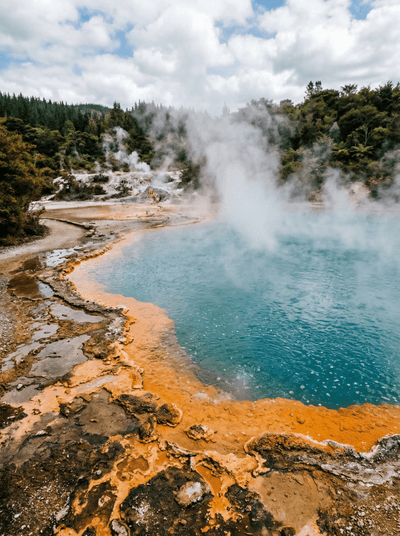
Wai-O-Tapu
New Zealand
Champagne-fizzing pools and sulphur-green water in a landscape that smells of hell.
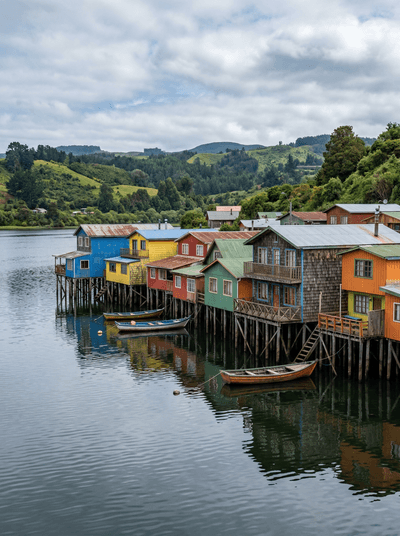
Chiloé Island
Chile
Palafitos, timber churches and ferries unfold through an archipelago softened by rain.
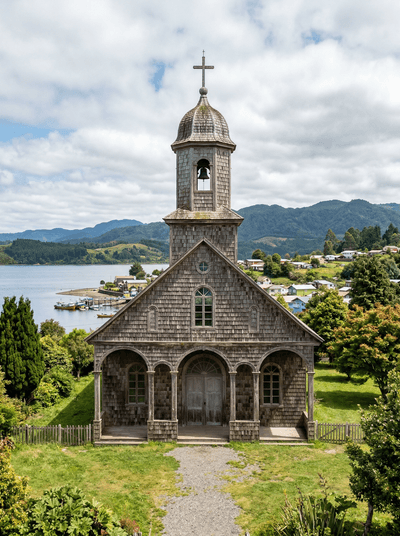
Chiloé's Wooden Churches (UNESCO Circuit)
Chile
Sixteen timber churches turn Chiloé's islands into a road-and-ferry pilgrimage.
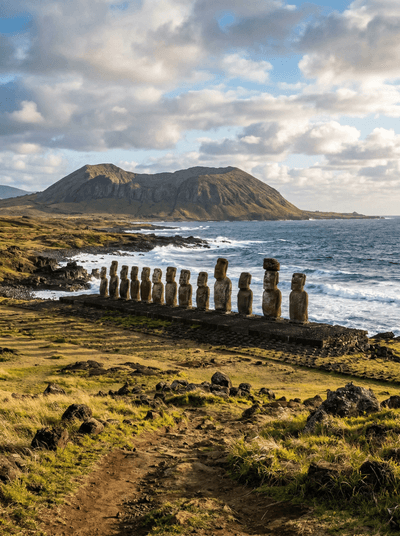
Rapa Nui (Easter Island)
Chile
Moai, grassed craters and a living Polynesian culture meet in the open Pacific.
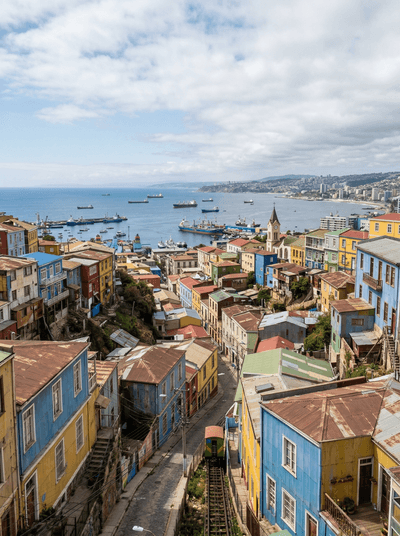
Valparaíso
Chile
Rattling hillside lifts climb between painted houses above a working Pacific port.