Brazil
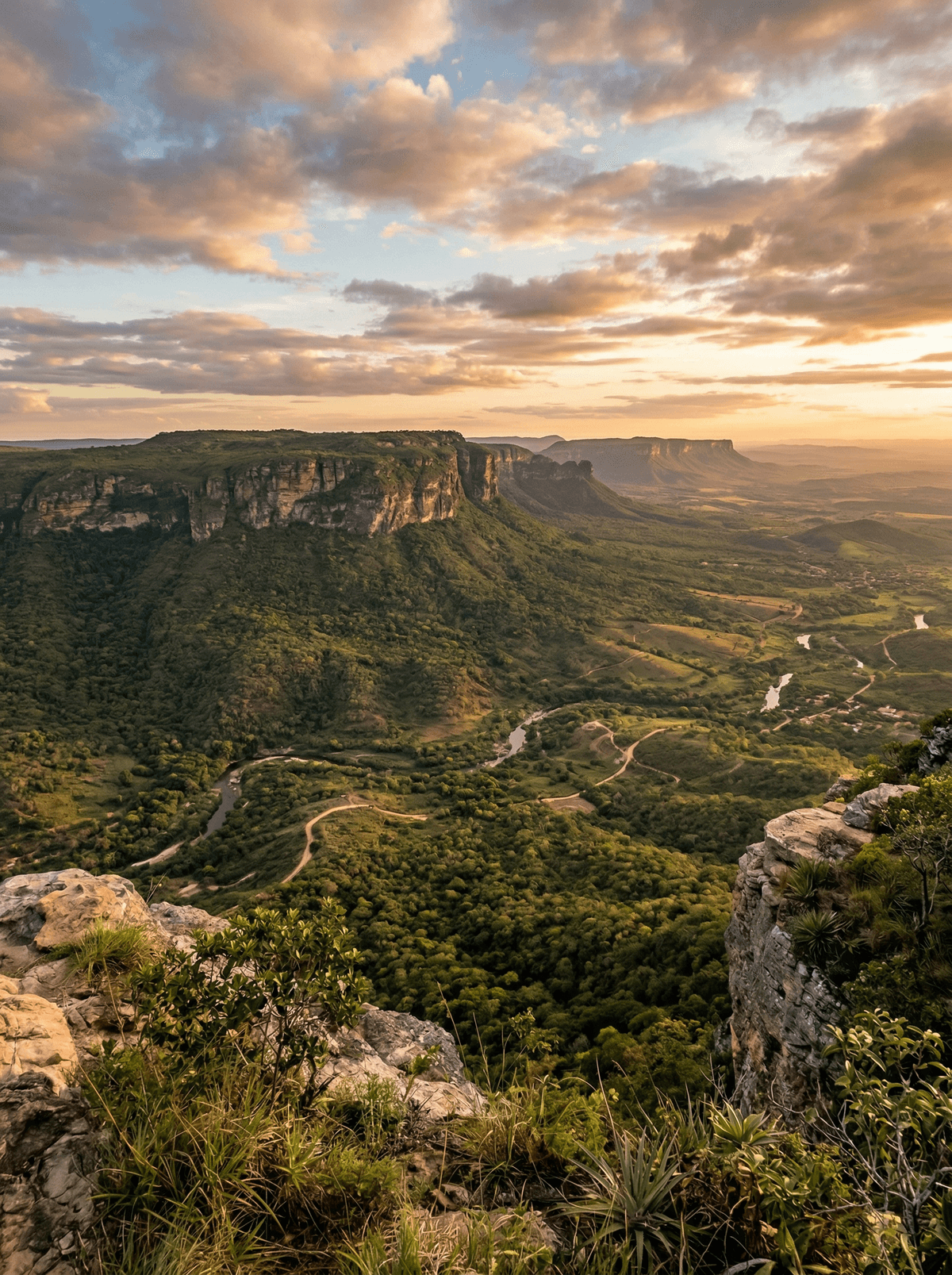
Chapada do Araripe
Diggers call this rock pedras de peixe, fish stones, and that is exactly what is inside.
Santana do Cariri sits under a plateau that used to be a lagoon. Two and a half kilometres out of town at Sítio Canabrava, limestone concretions come up out of the Romualdo rock, and what is folded inside them is around a hundred and ten million years old. At least twenty-one species of pterosaur and twenty-two of fish have been named from that single site.
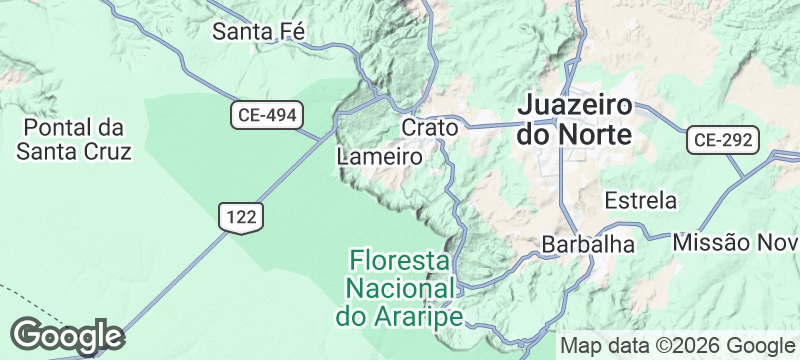
The Geopark Araripe runs across six municipalities in southern Ceará, Crato, Juazeiro do Norte, Barbalha, Missão Velha, Nova Olinda and Santana do Cariri, and eleven of its geosites are open to visitors. It sits inside the Araripe Sedimentary Basin, more than nine thousand square kilometres of it, laid down as Pangaea came apart into Africa and South America, which is why the fossil beds record a lagoon with occasional contact with the sea. The plateau is where the caatinga meets the cerrado, and the Floresta Nacional do Araripe-Apodi holds more than 38,000 hectares of that meeting, along with the Araripe manakin, a bird found nowhere else. The other half of the geopark is human: the Colina do Horto geosite in Juazeiro do Norte carries the Padre Cícero museum, and the Memorial do Homem Kariri holds the archaeology and rock art of the people the valley is named for. The fossils are worth stealing, which is its own measure of them, and French customs seized 998 at Le Havre in 2013 and sent them back here.
Solo
The geosites are free and take no booking, so a car and a list is the whole plan. Start at Santana do Cariri for the dig and the university's palaeontology museum, then take the plateau road for the viewpoints.
Couple
Give one day to the rock and one to the valley. Fossil sites on top, and underneath them Barbalha, where five sugar mills are left out of a hundred and the rapadura is made to order instead of to stock.
Family
Children get a working excavation at the Parque dos Pterossauros rather than a display case, with the university museum two and a half kilometres away in town. Fossils stay where they are; taking one out of this basin is theft, and French customs have sent nearly a thousand of them home.
Friends
Book a Geopark guide off the contact list and take the eleven geosites as a circuit across the six municipalities. Put Colina do Horto in Juazeiro do Norte on the list too, where the statue is open from four, and the place is a pilgrimage before it is a viewpoint.
- Eleven geosites are open across the six Cariri municipalities of Crato, Juazeiro do Norte, Barbalha, Missão Velha, Nova Olinda and Santana do Cariri, and entry to them costs nothing.
- The Parque dos Pterossauros is a working dig two and a half kilometres from Santana do Cariri, on land the regional university owns, beside its palaeontology museum.
- At least twenty-one species of pterosaur and twenty-two of fish have been identified from the Romualdo rock at that one site.
- Guides come from the Geopark's own contact list, arranged through its website beforehand or settled on arrival, with the fee agreed directly.
Pequi is the Cariri's own flavour, stirred through rice and into the baião de dois, and served plainly as pequizada with cream, okra and maxixe.
Five engenhos are left in Barbalha where a hundred stood until the 1960s: two making only rapadura, three adding cachaça, batida and alfenim, all of them working to order.
Doi Inthanon
Thailand
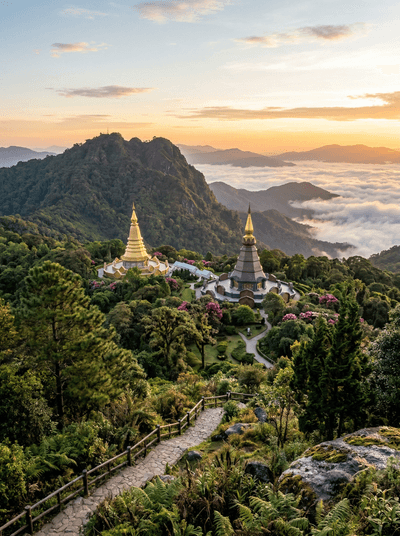
Thailand's rooftop, where twin pagodas pierce cloud forest and Karen villages farm the ridgelines.
Vale do Paúl
Cape Verde
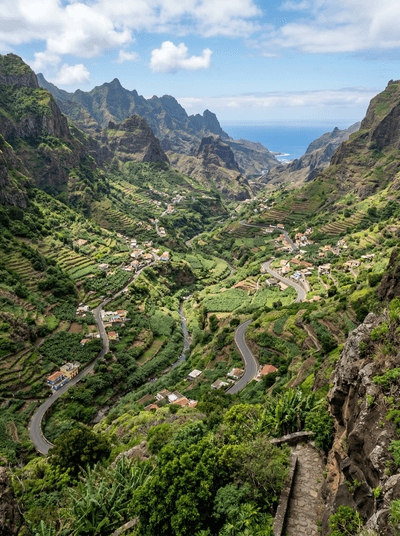
Sugarcane and coffee terraces pour off a crater rim into a valley threaded with running water.
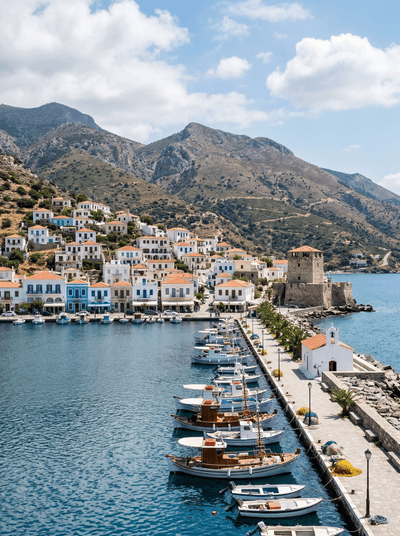
Karystos
Greece
Dragon houses of unknown origin crouch on windswept ridges above Greece's second-largest island.
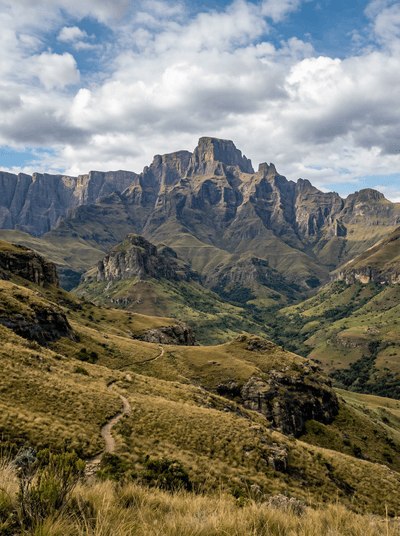
Giant's Castle
South Africa
Vulture thermals circle above high grassland folded beneath the Drakensberg escarpment.
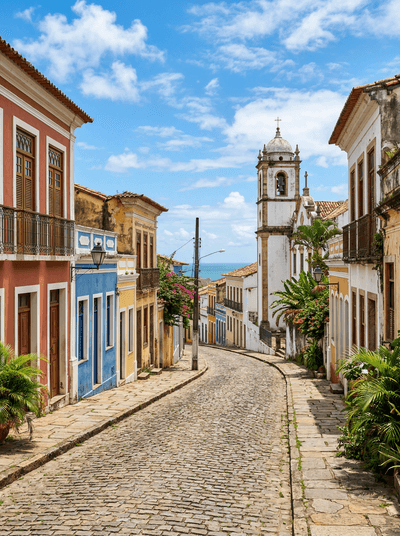
Olinda
Brazil
Candy-coloured colonial streets tumbling downhill to the sea, alive with maracatu drums and giant puppets.
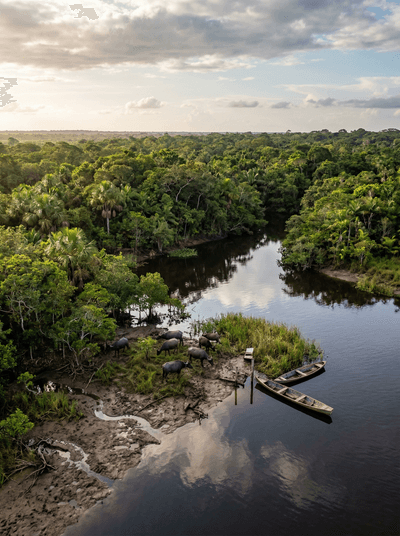
Ilha de Marajó
Brazil
The police here ride buffalo, because the flooded ground defeats anything with wheels.
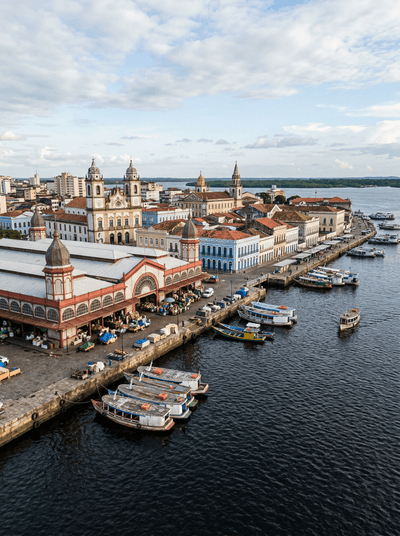
Belém
Brazil
Buyers hold açaí berries up to a phone torch at half four in the morning.
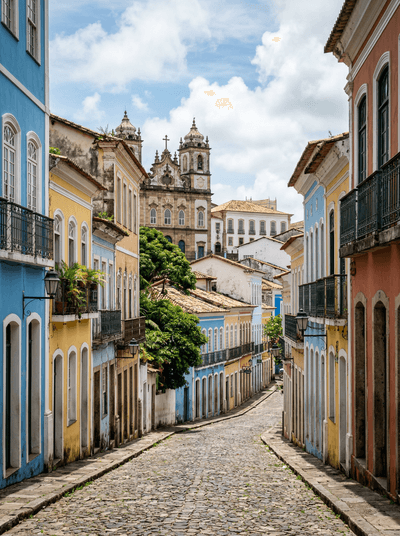
Salvador
Brazil
Drum rhythms ricocheting off colonial walls where song, dance and combat happen at once.