Brazil
Ilha de Marajó
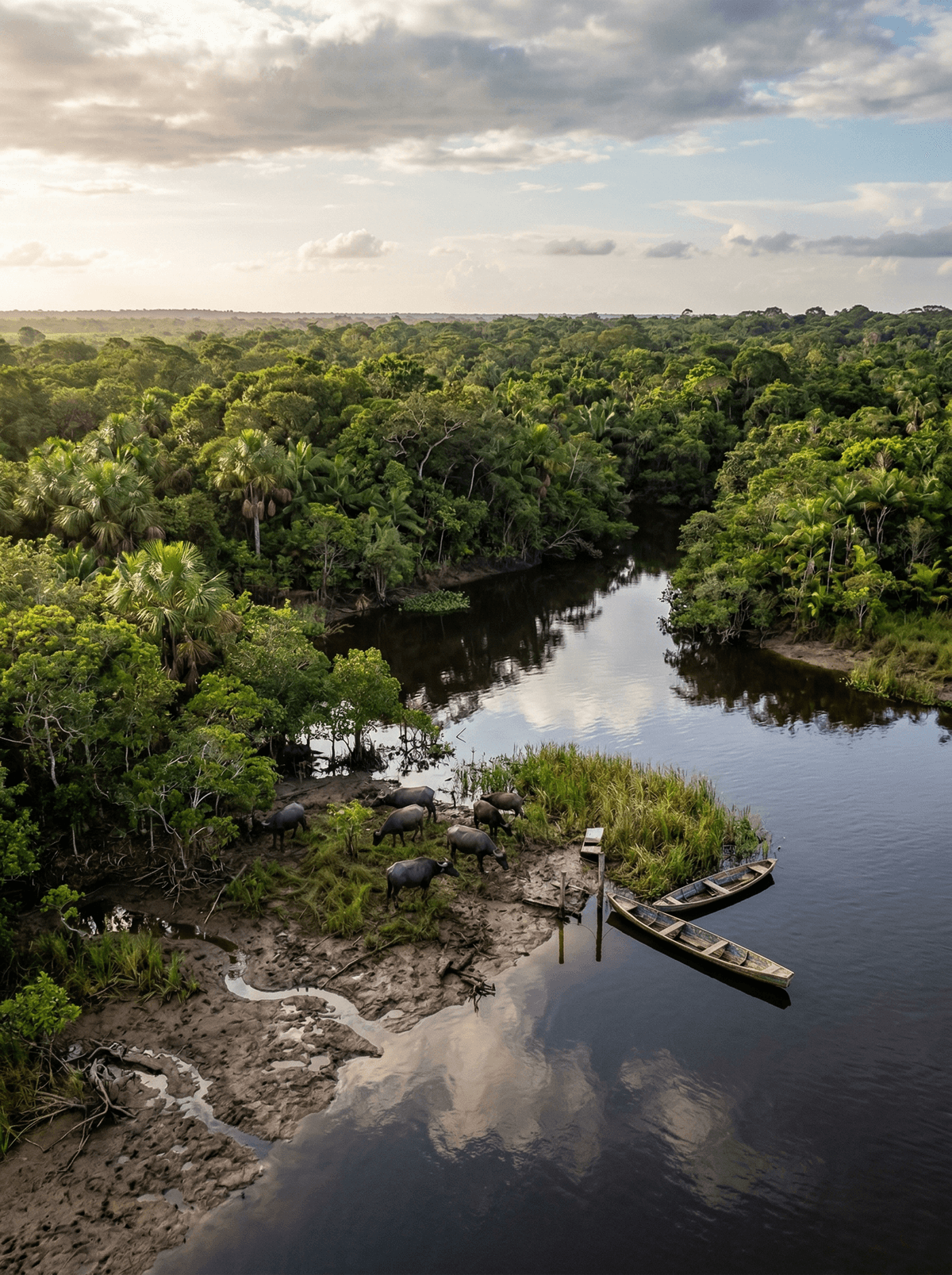
The police here ride buffalo, because the flooded ground defeats anything with wheels.
The 8th Battalion in Soure has been patrolling on buffalo since 1992, and the reason is practical: the ground floods, and a motorcycle cannot go where a 590-kilo animal can. Two of them, Baratinha and Canária, come down to the port to meet the boats. That is the island in one image, a place where the buffalo is the transport, the police mount, the economy and the cheese.
Marajó lies in the Amazon's mouth and is reached only by water, either by fast boat from Belém's hydroviary terminal, about two hours twenty to Soure, or by car ferry from Icoaraci to Porto Camará and thirty-one kilometres of road. Pará holds 38 per cent of Brazil's buffalo by the 2017 agricultural census, and the island's cheese has had a geographical indication from INPI since 2021, covering producers in Cachoeira do Arari, Chaves, Muaná, Ponta de Pedras, Salvaterra, Santa Cruz do Arari and Soure. The beaches out of Soure are named and close, Pesqueiro at eight kilometres under dunes and coconut palms, Araruna and Barra Velha at three, the last of them backed by mangrove. In the Pacoval district the Ateliê Arte Mangue Marajó makes Marajoara ceramics and wood carvings and runs pottery workshops, and inland at Cachoeira do Arari the Museu do Marajó, founded in 1972 by the priest and museologist Giovanni Gallo, is free to walk into. The rains run January to May and turn the campos to water; July is the month the ground comes back and goes gold.
Solo
The boat is the whole preamble: Monday to Saturday from Belém at half past six or half past eight, about two hours twenty to Soure. Between September and December the sea is rougher on that crossing, so take the earlier departure.
Couple
Fazenda Mironga runs a two-hour visit at 150 reais a head, with the animals, the fresh dairy and a regional spread. Afterwards Praia do Pesqueiro is eight kilometres out, dunes and coconut palms and barracas doing the cooking.
Family
Children get the buffalo at the port in the morning and a pottery workshop at the Ateliê Arte Mangue Marajó in Pacoval in the afternoon. The Mercado Municipal does coffee with tapioquinha and the island cheeses, and the crab here is the caranguejo toc-toc.
- Soure's 8th Military Police Battalion has patrolled on buffalo since 1992, eight animals with seven on duty at about 590 kilos apiece, and two of them, Baratinha and Canária, meet the boats at the port.
- The island's buffalo cheese carries an INPI geographical indication granted in 2021 across seven municipalities, and Pará holds 38 per cent of Brazil's buffalo by the 2017 agricultural census.
- The Museu do Marajó at Cachoeira do Arari was founded in 1972 by Giovanni Gallo, a priest and museologist, and entry is free to everyone.
- Fast boats leave Belém's hydroviary terminal Monday to Saturday at half past six and half past eight and reach Soure in about two hours twenty, with a separate car ferry from Icoaraci to Porto Camará.
Queijo do Marajó, raw buffalo milk left to ferment on its own, in the manteiga and creme styles, protected by a geographical indication since 2021.
Frito do vaqueiro at Solar do Bola in Soure, buffalo cubed and cooked two days in its own fat, served with banana or cassava and white rice.
Undara Lava Tubes
Australia
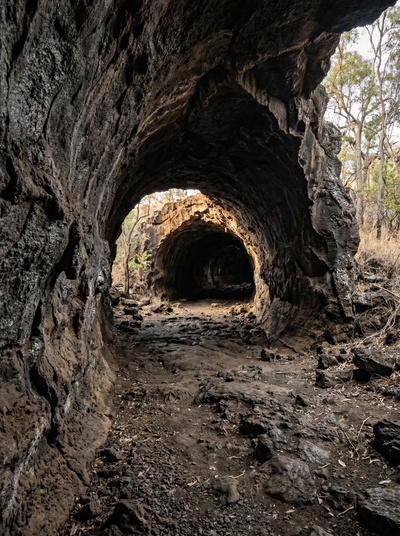
Step through a collapsed roof into tubes hollowed by a vanished river of fire.
Agiofarango Gorge
Greece
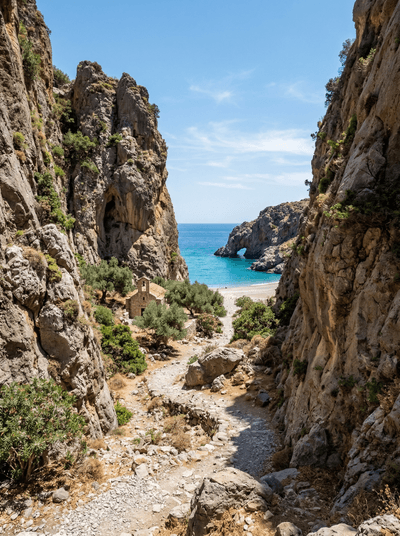
Three hundred hermits once lived this gorge — a cave chapel and the Libyan Sea remain.
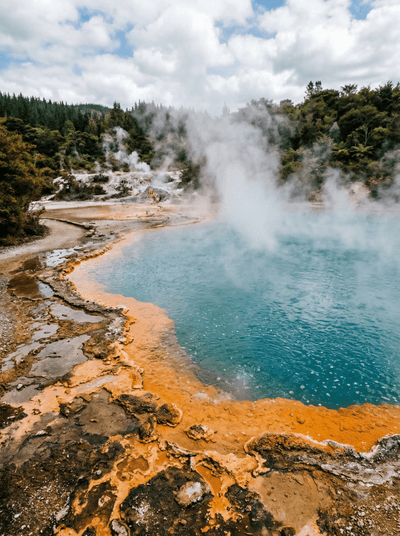
Wai-O-Tapu
New Zealand
Champagne-fizzing pools and sulphur-green water in a landscape that smells of hell.
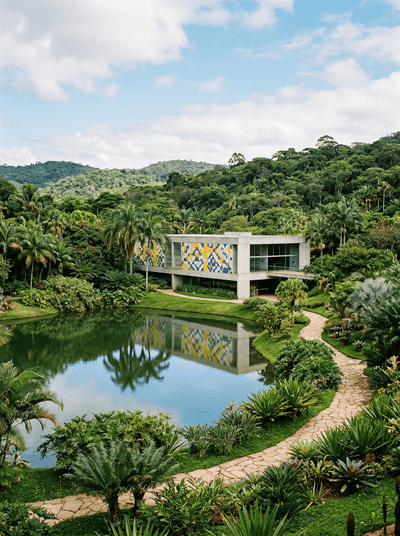
Inhotim
Brazil
A legally recognised botanical garden with twenty-four art galleries planted through it.
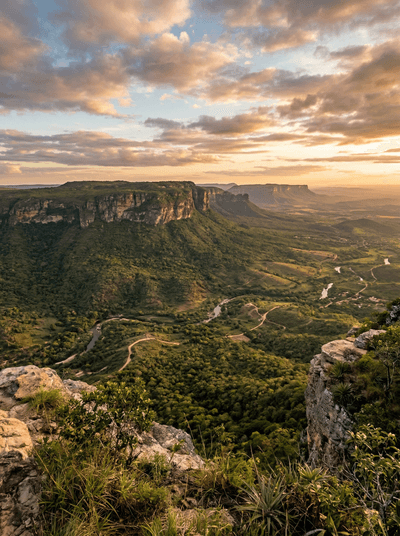
Chapada do Araripe
Brazil
Diggers call this rock pedras de peixe, fish stones, and that is exactly what is inside.
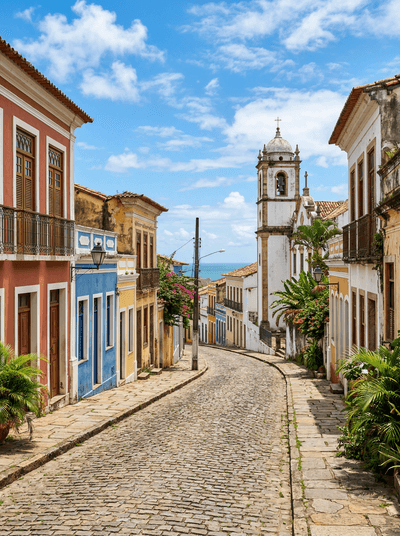
Olinda
Brazil
Candy-coloured colonial streets tumbling downhill to the sea, alive with maracatu drums and giant puppets.
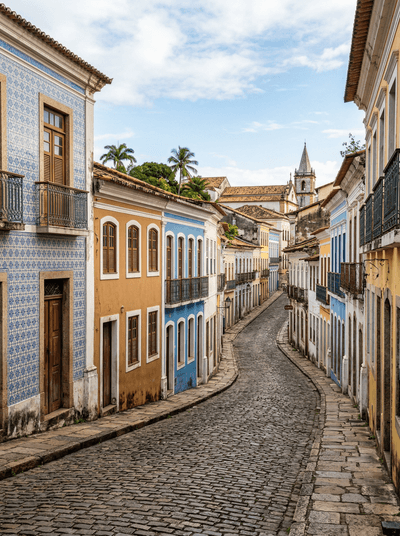
São Luís
Brazil
Hand-painted Portuguese tiles across four thousand colonial houses, cooling the walls against equatorial heat.