Kyrgyzstan
Saimaluu-Tash
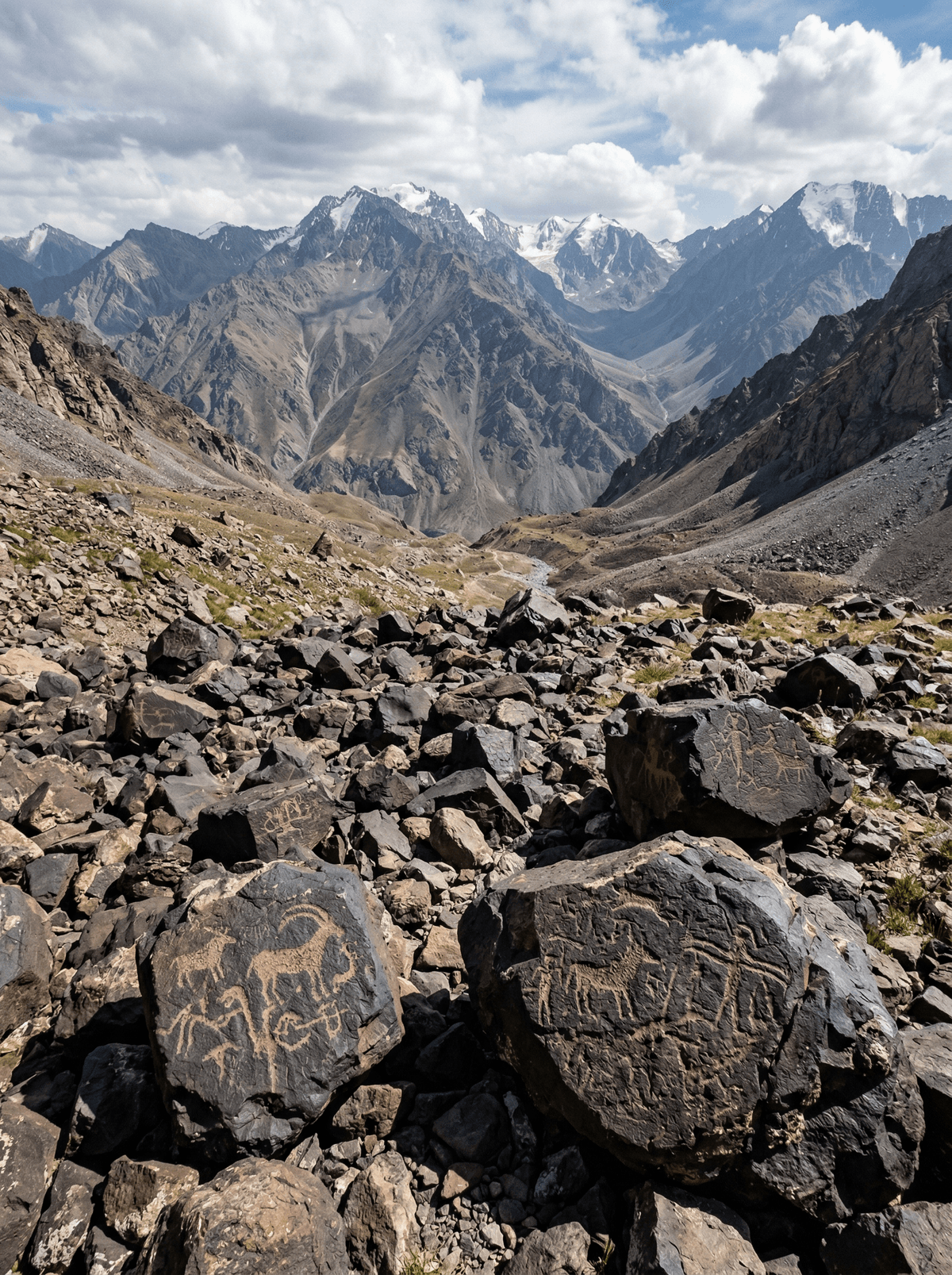
Over 90,000 petroglyphs at 3,200 metres, buried under snow ten months a year.
The snow recedes in July and the stones emerge — thousands of them, flat basalt slabs carved with hunters, ibex, sun discs, and chariots by hands that worked here 4,000 years ago. At 3,000 metres in Kyrgyzstan's Jalal-Abad province, Saimaluu-Tash is buried under snow for ten months of the year. The two-month window feels less like a visit and more like an audience granted reluctantly by the mountain.
Saimaluu-Tash is one of the largest petroglyph sites on earth, with over 90,000 individual carvings spread across two galleries at elevations between 3,000 and 3,400 metres in the Fergana Range. The carvings span from the late Neolithic to the medieval period, depicting hunting scenes, ritual processions, solar symbols, and animals — including snow leopards, ibex, and wolves. Access requires a multi-hour horseback or 4x4 approach from Kazarman, followed by a steep hike to the galleries. The site has minimal infrastructure: no fencing, no signs, no entrance fee. Shepherd camps in the surrounding pastures offer tea and bread to visitors. The brevity of the access window — typically July and August — and the effort required to reach it keep visitor numbers in the low hundreds per year.
Solo
Standing alone among 4,000-year-old carvings at 3,000 metres, with no other visitors and no interpretive barriers between you and the stone. The journey to reach Saimaluu-Tash is an expedition in itself — the reward matches the effort.
Friends
The logistics demand a group: 4x4 hire to Kazarman, horseback to the site, camping gear for the altitude. Splitting the effort makes a genuinely remote archaeological site accessible, and exploring 90,000 petroglyphs is better with someone to share the disbelief.
- Over 90,000 petroglyphs were carved here between 2000 BCE and 500 CE — one of the largest concentrations of rock art in the world.
- The site is accessible only July to August when the pass clears snow, reached by a 2-day horse trek from the nearest road.
- The carvings spread across several ridges at 3,000-3,200 metres with no infrastructure — no fences, signs, or ticket booths.
- The shadow play across the rock changes through the day, revealing different carvings at different hours.
Pack-in provisions: dried apricots, walnuts, and flatbread from Jalal-Abad's market.
Shepherd-camp hospitality — hot tea and fresh bread from herders grazing the high pastures.
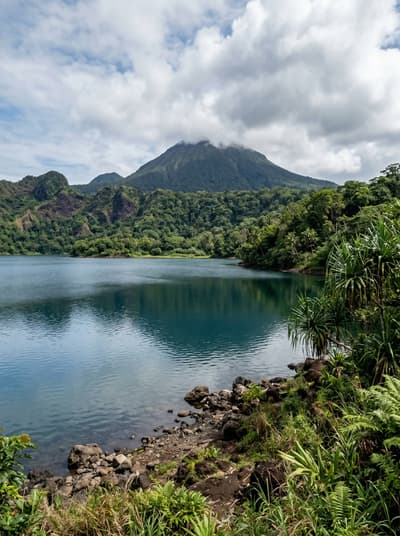
Gaua
Vanuatu
A volcanic lake drains into the ocean via a waterfall that plunges through untouched jungle.
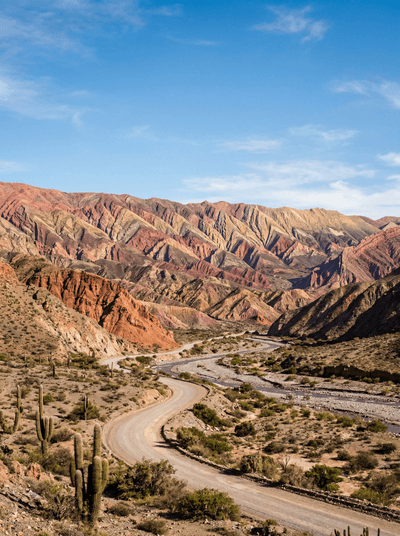
Quebrada de Humahuaca
Argentina
A canyon of fourteen-colour hills where Inca trails thread through villages older than the conquest.
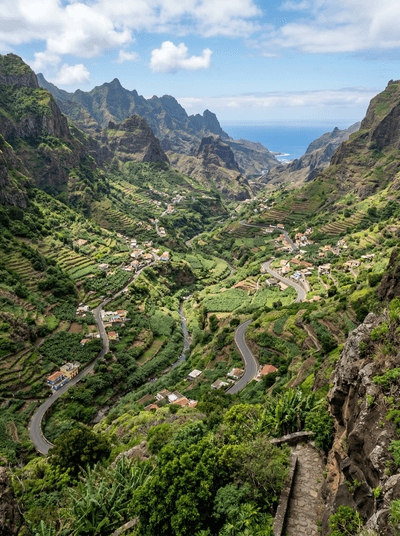
Vale do Paúl
Cape Verde
Sugarcane terraces spill down a volcanic crater into the greenest valley in the archipelago.
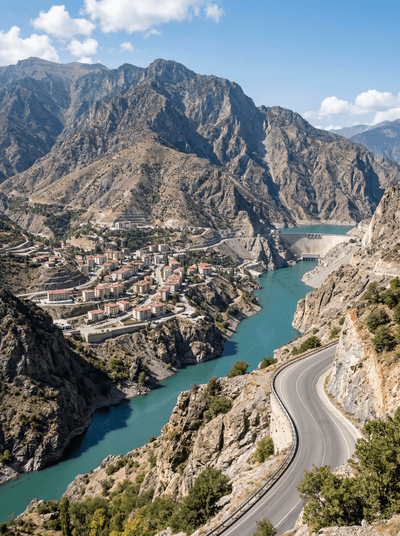
Yusufeli
Turkey
White-water rapids crash through a granite canyon where a medieval Georgian church perches on the cliff.
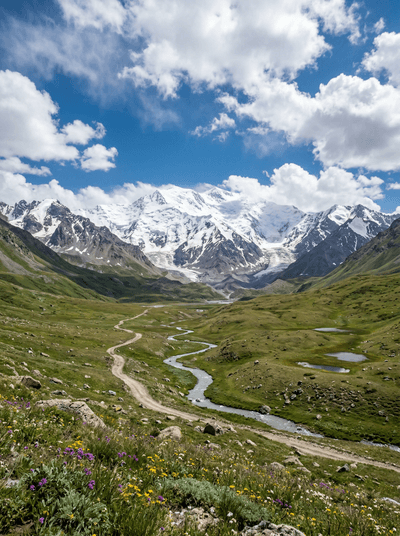
Achik-Tash
Kyrgyzstan
Yurt camps at 3,600 metres beneath a 7,134-metre peak, alpinists and trekkers sharing vodka at sunset.
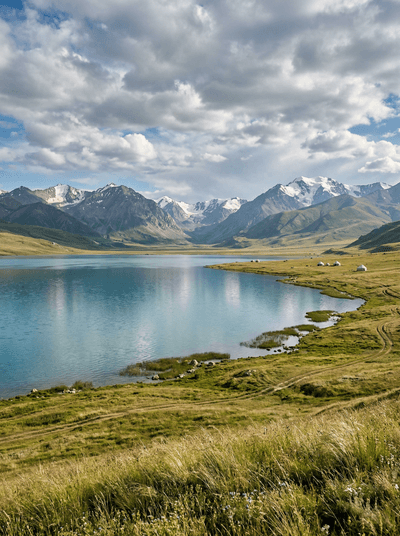
Song-Köl
Kyrgyzstan
Nomad yurts circling a lake at 3,000 metres where the only sound is wind through grass.
Issyk-Kul (South Shore)
Kyrgyzstan
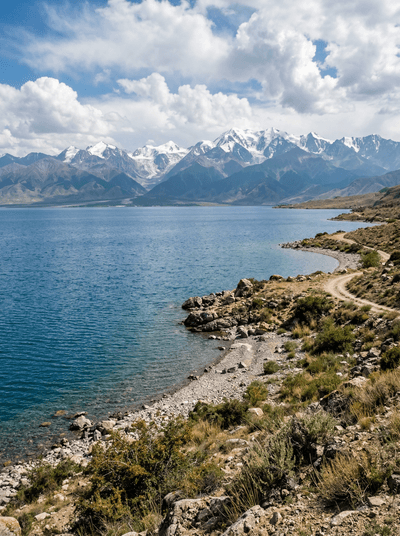
A salt lake that never freezes at 1,600 metres, snow peaks dissolving into haze.
Karakol
Kyrgyzstan
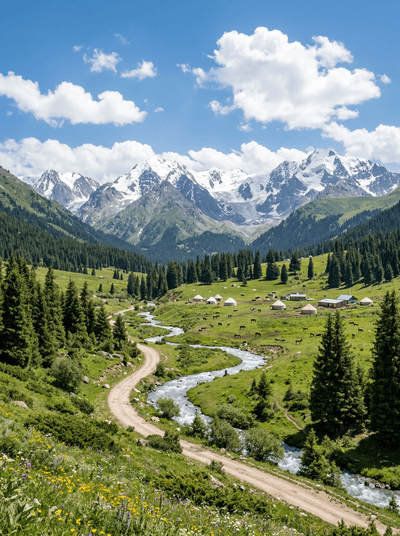
A mosque built without nails beside an Orthodox cathedral — both carved entirely from wood.