Saudi Arabia
Sakaka
Stone pillars from the fourth millennium BCE stand in silent rows on an empty desert plain.
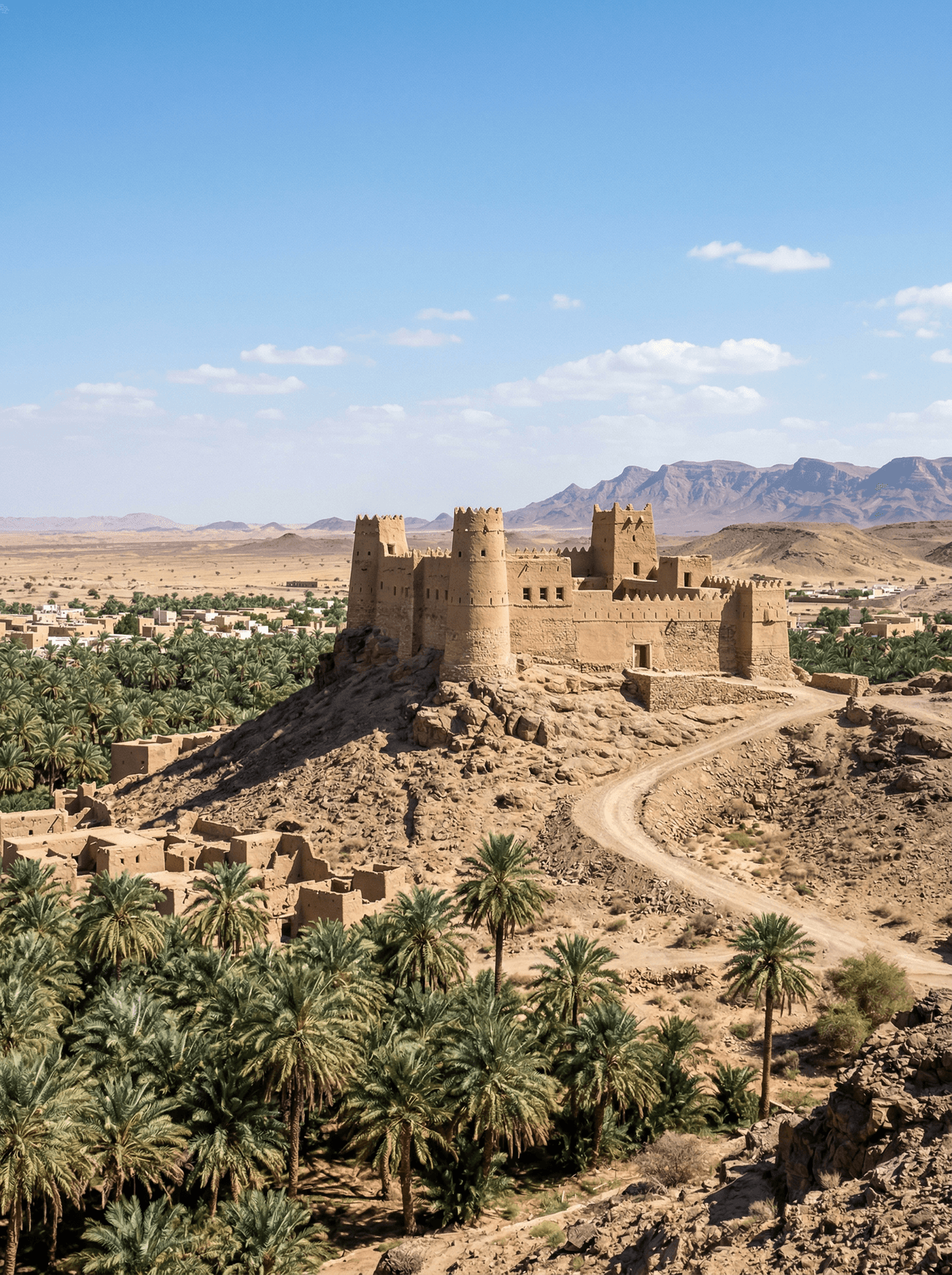
The Rajajil Columns stand in rows on an empty desert plain — over fifty stone pillars from the fourth millennium BCE, weathered but upright, arranged in a pattern that suggests intention without revealing its purpose. The silence around them is the kind that accumulates over six thousand years. The columns predate the Great Pyramid and remain largely unstudied, which is either a failure of archaeology or a gift to the traveller who arrives without a guidebook.
Sakaka is the capital of Saudi Arabia's Al Jouf region, a northern oasis city near the Jordanian border. The Rajajil Columns — a collection of stone pillars dating to approximately 4000 BCE — stand on the desert plain south of the city, one of the most enigmatic archaeological sites on the Arabian Peninsula. The pillars are thought to be funerary or ceremonial, but their exact purpose remains debated. Nearby, Bir Sisra — a Nabataean well carved deep into rock — demonstrates the engineering that made desert habitation possible. The Al Jouf region is also Saudi Arabia's primary olive-growing area, with groves extending across the northern landscape.
Solo
Standing among the Rajajil Columns alone — no guides, no fences, no other visitors — is a solo encounter with deep time that no museum can replicate.
Couple
The mystery of the columns invites shared speculation — couples tend to linger, debating purpose and meaning, longer than they planned.
Friends
The combination of the standing stones, the Nabataean well, and the olive groves gives a group enough variety for a full day of exploration and debate.
- The Rajajil Columns — over 50 standing stone pillars from the fourth millennium BCE — stand in the open desert.
- The pillars predate the Great Pyramid of Giza and remain largely unstudied and unvisited.
- Al Jouf's olive groves — the northernmost in Arabia — surround the ancient site.
- Bir Sisra, an ancient Nabataean well cut deep into rock, lies a short drive away.
Al Jouf's prized olive oil — thick, peppery, green — poured over warm bread at every meal.
Thareed — lamb stew ladled over torn flatbread until the bread soaks through — eaten by hand.
Trollskogen (Öland)
Sweden
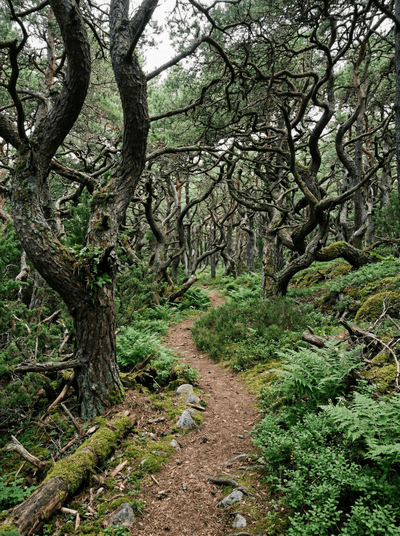
A forest of wind-warped oaks so twisted they look like a witch's spell gone wrong.
Millennium Cave
Vanuatu
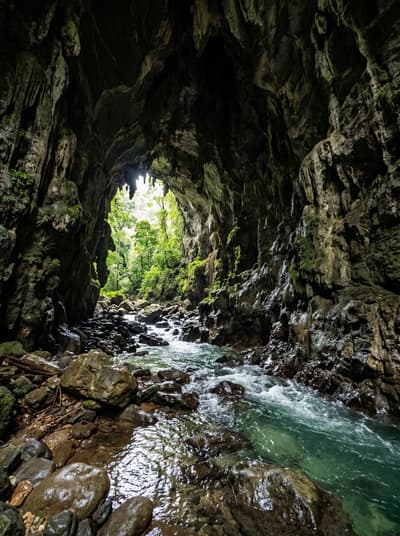
Scramble through jungle and wade chest-deep rivers to a cave you enter walking and exit floating.
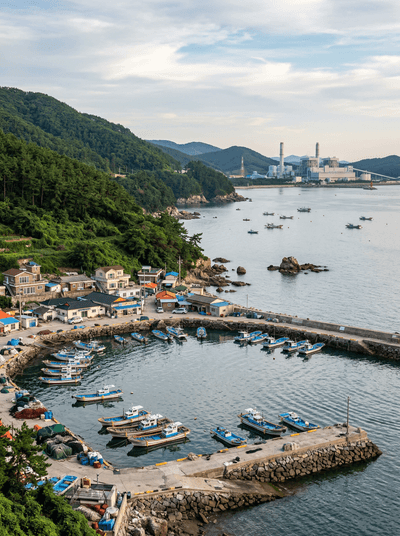
Maryang-ri
South Korea
A five-hundred-year-old forest of camellia trees bleeding red flowers against the grey winter sea.
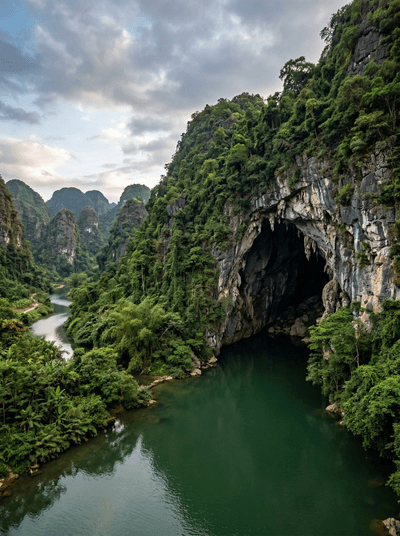
Phong Nha
Vietnam
Hidden jungle portals opening into subterranean river systems and limestone caverns.
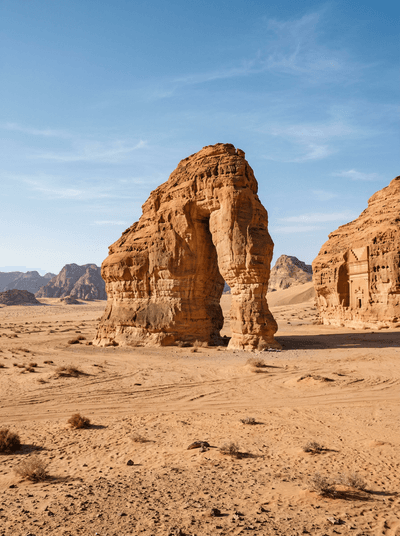
Al-Ula
Saudi Arabia
Nabataean tombs carved into sandstone cliffs that glow amber at dusk.
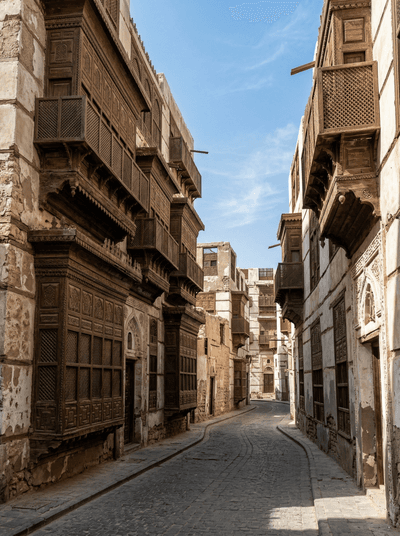
Jeddah Al-Balad
Saudi Arabia
Coral-stone towers with carved wooden balconies leaning over spice-scented alleys.
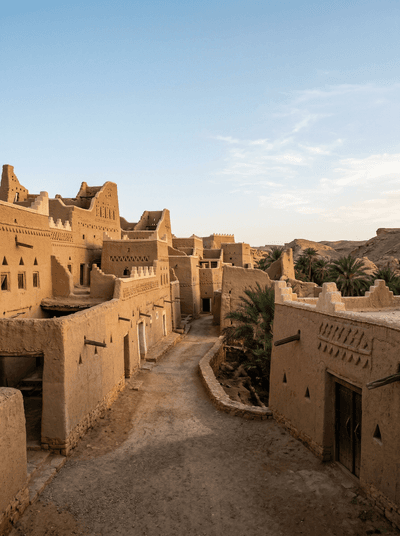
Diriyah
Saudi Arabia
Mud-brick fortress walls still sharp-edged against the Najdi sky after three centuries.
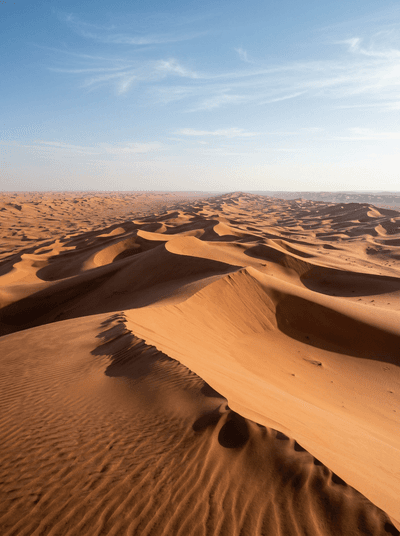
Rub' al Khali
Saudi Arabia
Dunes 250 metres high stretching unbroken to every horizon, silence pressing like weight.