Costa Rica
Sarapiquí
Poison dart frogs glow neon on the forest floor while rapids thunder through lowland jungle.
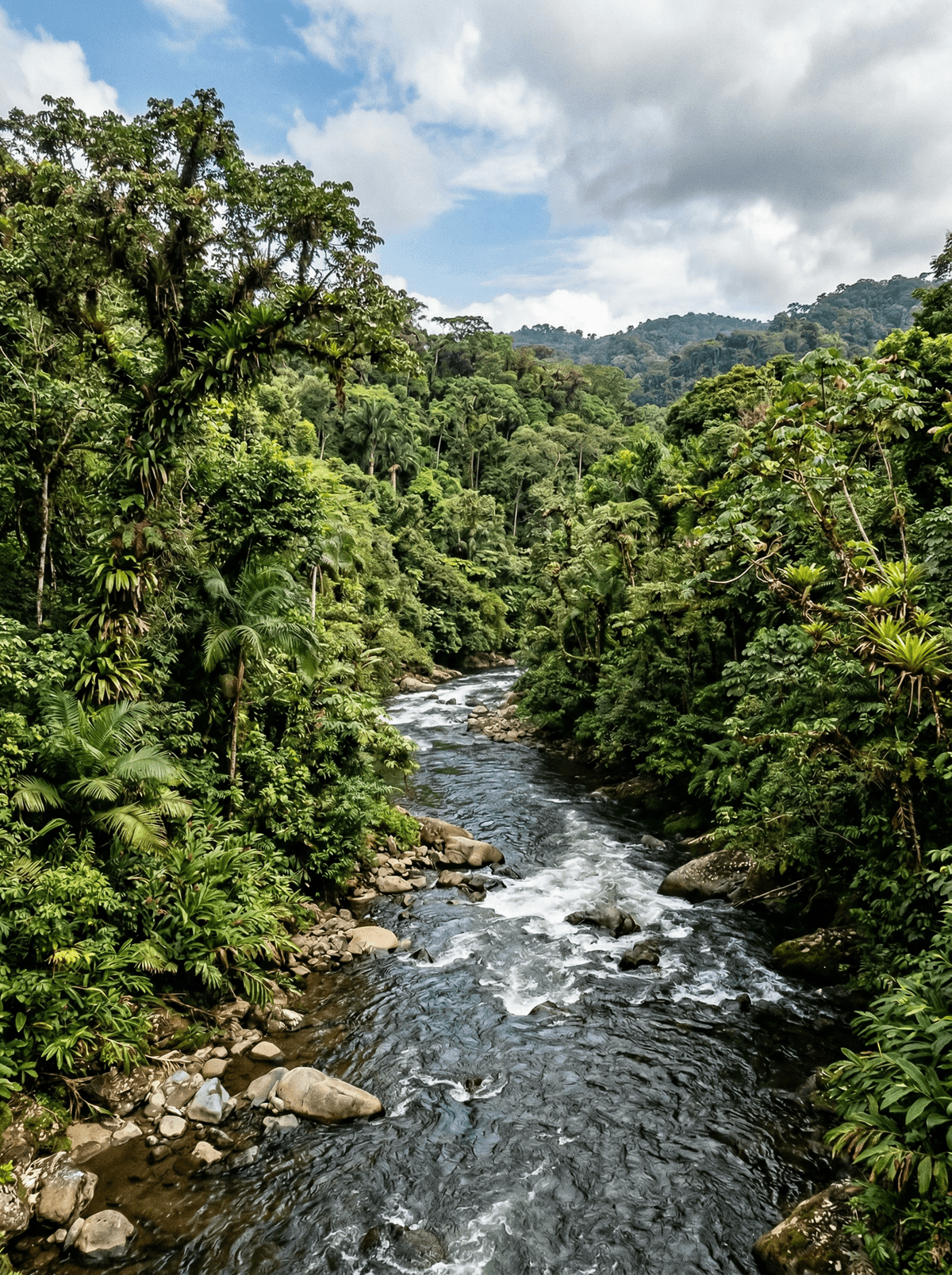
A strawberry dart frog — no larger than a thumbnail, red as a warning — sits motionless on a wet leaf at knee height. Above, the canopy seals out the light; below, the Sarapiquí River announces its rapids long before the raft rounds the bend. This is lowland Costa Rica at its densest and loudest.
Sarapiquí is where Costa Rica does its rainforest science in public. At Tirimbina Biological Reserve, resident biologists run research and education across seven kilometres of trails and three hanging bridges, and the cacao tour ends with beans ground by hand under the forest canopy. The river carries the region's other identity — whitewater that made this valley a rafting name, running through jungle hung with oropendola nests. Frogs are the region's calling card: strawberry dart frogs on the leaf litter by day, glass frogs by torchlight on night walks. The Caribbean slope stays green all year, even while the Pacific side runs brown and dry.
Couple
Eco-lodges perch above the river for rainforest dawns — stillness first, adrenaline optional.
Family
Chocolate tours and frog-spotting night walks are pitched perfectly for curious children, with float trips gentle enough for young rafters.
Friends
Whitewater in the morning, cacao and canopy bridges in the afternoon — the rapids are the main event, but the jungle steals the show.
- Tirimbina's seven kilometres of trails cross three hanging bridges, with resident biologists working on site.
- The reserve's cacao tour ends with beans ground by hand and raw nibs on your tongue.
- The Sarapiquí River's rapids have made this valley one of Costa Rica's rafting bases.
- Rain reaches the Caribbean slope year-round — the forest stays loud and green in every month.
Cacao ground by hand at the reserve — taste the raw nib, then the chocolate it becomes.
A soda casado among the farms — beans, rice, fried plantain and river fish on the lucky days.
Sundarbans
India
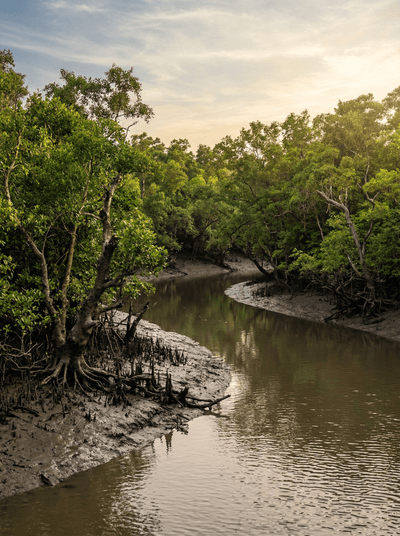
Mangrove swamps where tigers swim across muddy delta rivers and honey-gatherers wear masks facing backwards.
Peneda-Gerês
Portugal
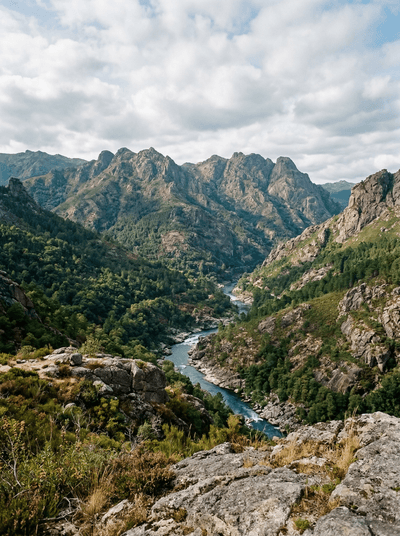
Portugal's only national park — granite canyons, wild horses, Roman milestones on lost paths.
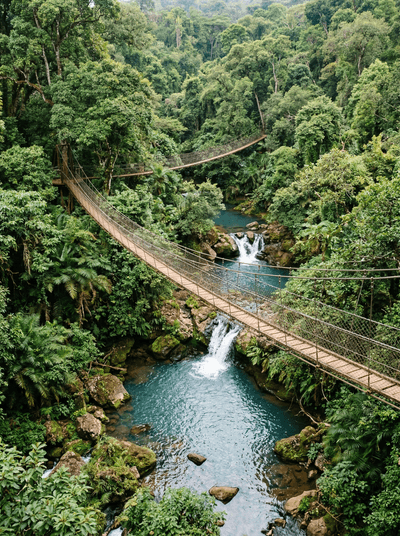
Ngare Ndare Forest
Kenya
A canopy walkway sways ten metres above the forest floor, ending at turquoise natural pools.
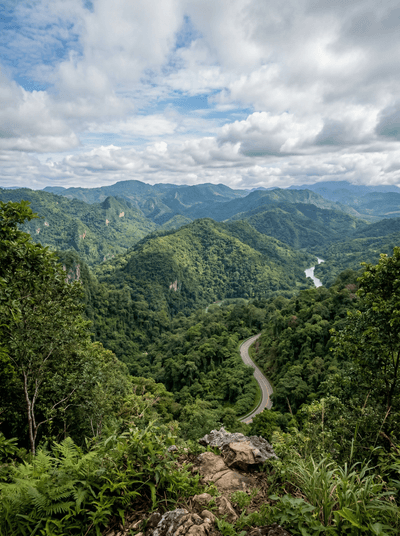
Khao Yai National Park
Thailand
Wild elephants block the tarmac road while hornbills beat the air above the canopy.
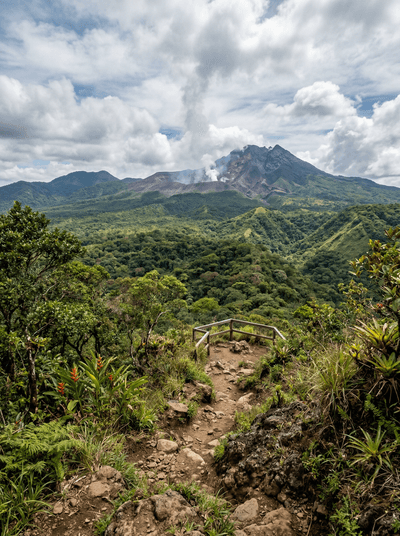
Rincón de la Vieja
Costa Rica
Volcanic mud pots belch and bubble through dry tropical forest like the earth digesting itself.
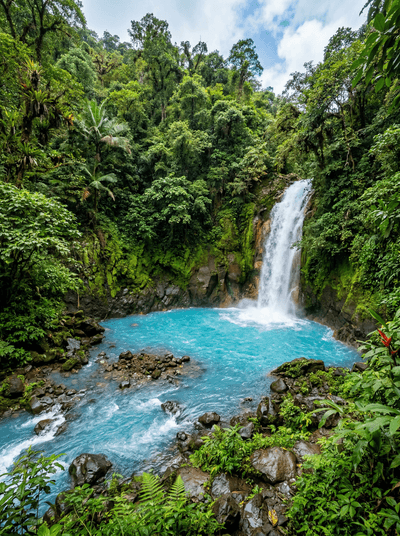
Río Celeste
Costa Rica
Two clear rivers collide and turn supernatural blue — no dye, no trick, just volcanic alchemy.
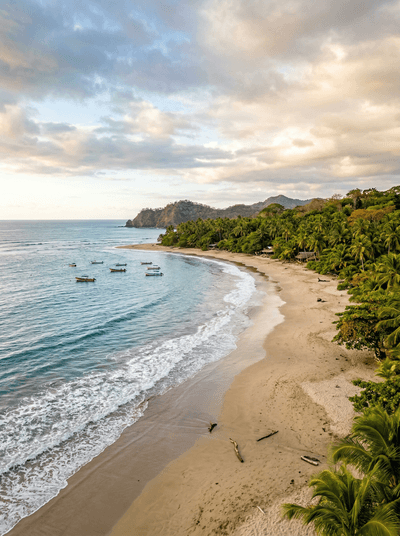
Tamarindo
Costa Rica
Sunset surf sessions where pelicans dive-bomb the lineup and howler monkeys heckle from shore.
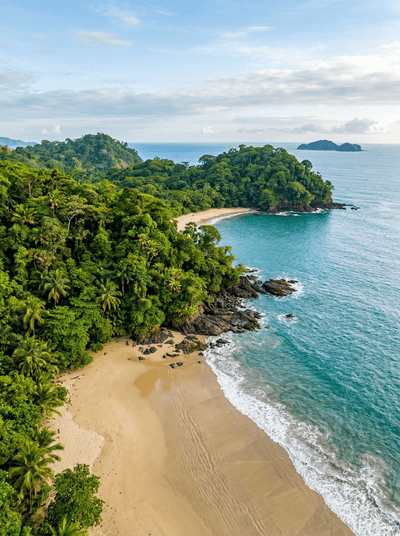
Manuel Antonio
Costa Rica
Capuchins patrol the sand beneath dozing sloths where rainforest walks into the ocean.