Kenya
Sibiloi National Park
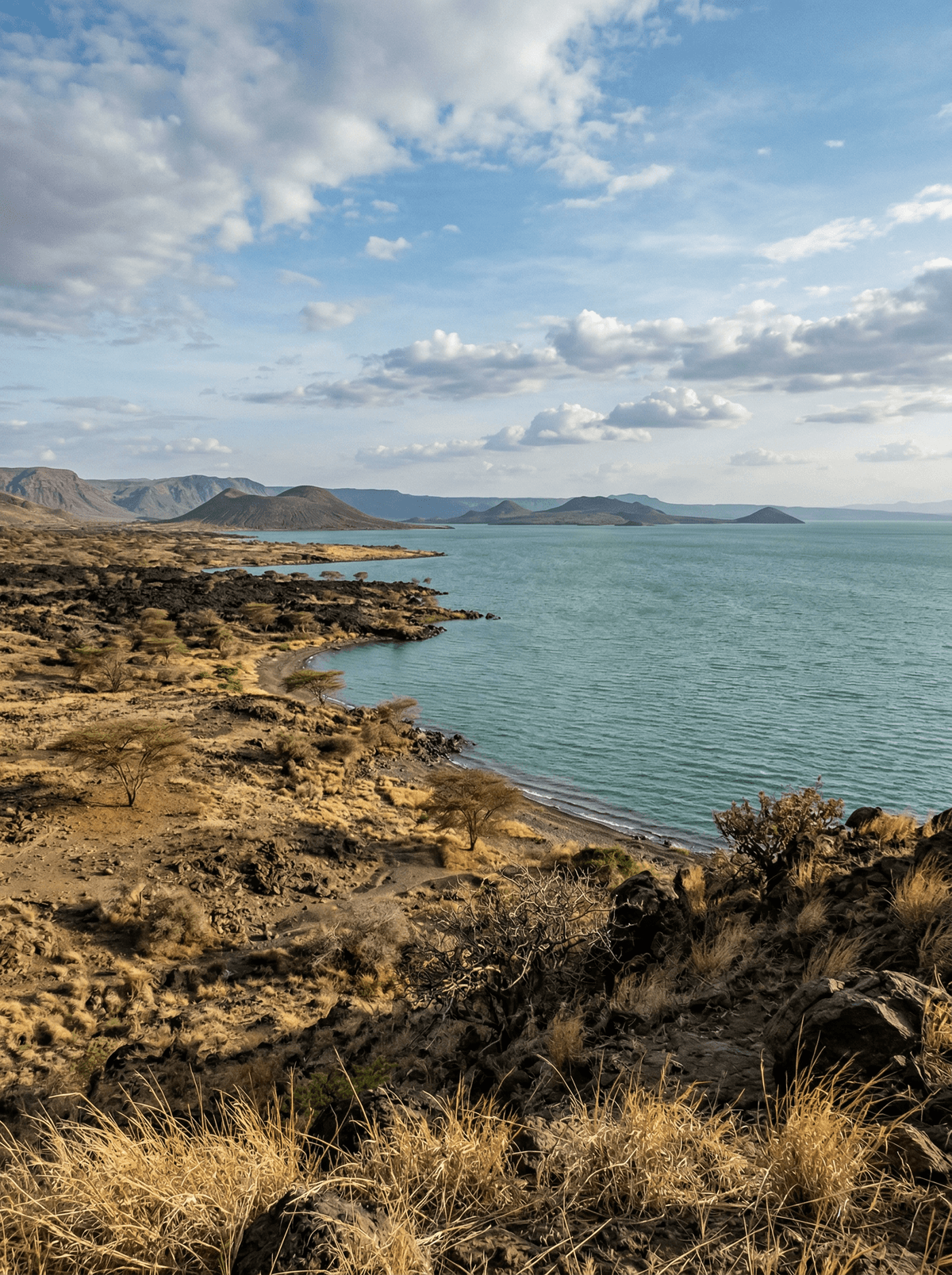
Wind-scoured badlands where 1.5-million-year-old human ancestors still surface from the crumbling earth.
The wind never stops. It scours the badlands east of Lake Turkana, peeling sediment from slopes that have been slowly surrendering their dead for millennia. Fragments of bone — ancient, mineralised, sometimes recognisably human — surface from the crumbling earth after each rainstorm. The landscape is treeless, sun-blasted, and profoundly still between gusts. You are standing where your species began.
Sibiloi National Park on the northeastern shore of Lake Turkana encompasses the Koobi Fora fossil beds, one of the most important palaeoanthropological sites on Earth. Richard Leakey's expeditions here from the 1960s onward unearthed Homo habilis and Homo erectus specimens dating back over 1.5 million years, fundamentally reshaping the understanding of human evolution. The park's 1,570 square kilometres of wind-eroded badlands, petrified forest, and volcanic terrain form part of the Lake Turkana UNESCO World Heritage Site. A small on-site museum displays casts of key fossil finds. The Daasanach and Gabra communities inhabit the surrounding desert, continuing pastoralist traditions shaped by the lake's harsh margins.
Solo
Sibiloi is pilgrimage-grade travel. Solo visitors prepared for rough logistics and extreme heat will find themselves walking the same ground where the earliest members of our genus walked — an experience that requires no company to feel profound.
- Sibiloi is part of the Lake Turkana UNESCO World Heritage Site — the Koobi Fora excavation sites have produced skull and bone specimens of Homo habilis, Homo erectus, and Australopithecus that rewrote the human family tree.
- Visitors walk through open excavation sites where fossil-bearing sediments are still actively eroding — hand axes and animal bones surface from the crumbling lakebed without excavation.
- Fewer than 300 visitors enter the park each year — accessible only by charter aircraft — making it one of the least-visited UNESCO properties on Earth and one of the most solitary experiences in Kenya.
- The geological landscape is extraordinary — volcanic plugs, petrified forest remnants, and lake sediment formations create a terrain with no visual equivalent in the rest of Kenya.
Campfire meals of dried fish and ugali on the lakeshore — frontier Kenya at its rawest.
Everything is carried in. Water, flour, and chai leaves are currency here.
Millennium Cave
Vanuatu
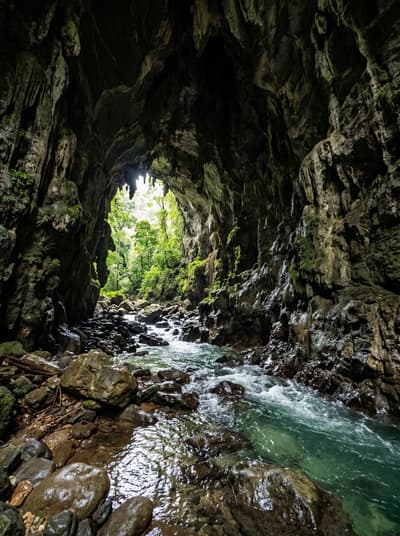
Scramble through jungle and wade chest-deep rivers to a cave you enter walking and exit floating.
Maryang-ri
South Korea
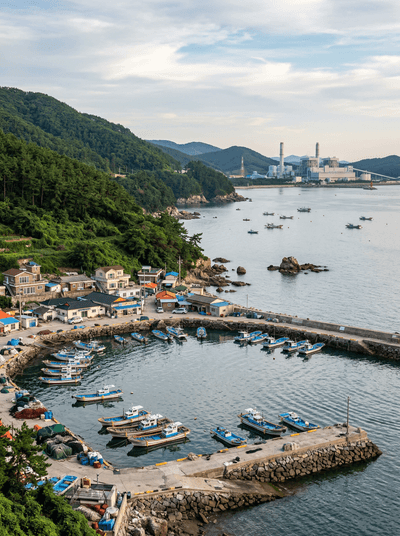
A five-hundred-year-old forest of camellia trees bleeding red flowers against the grey winter sea.
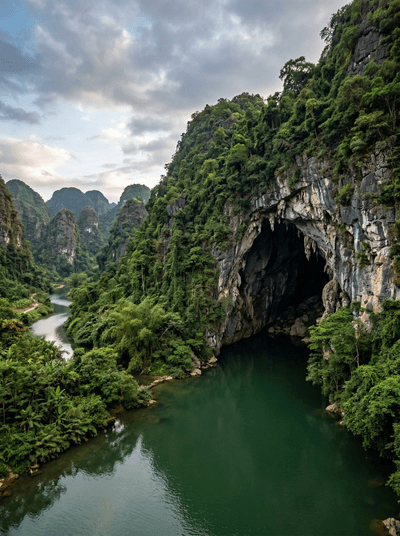
Phong Nha
Vietnam
Hidden jungle portals opening into subterranean river systems and limestone caverns.
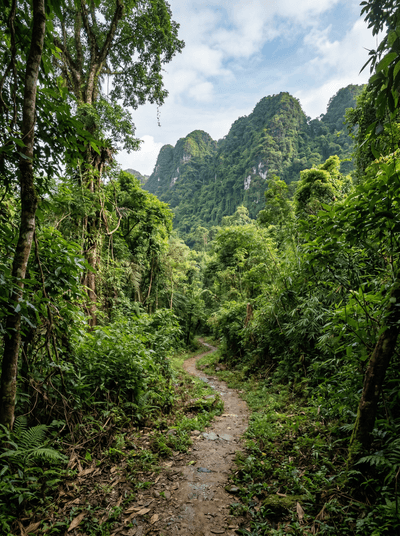
Cuc Phuong National Park
Vietnam
Millennium-old trees rising above a jungle floor swarming with millions of white butterflies each spring.
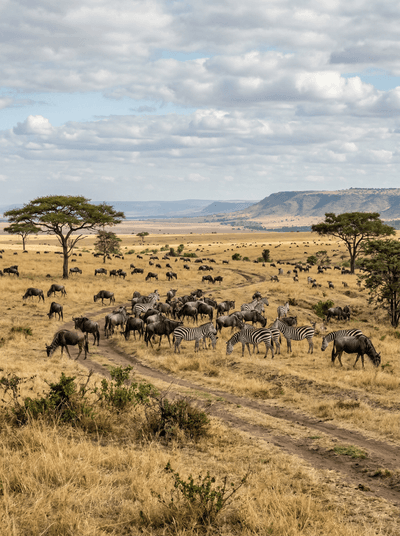
Masai Mara National Reserve
Kenya
Over a million wildebeest thunder across crocodile-thick rivers in Earth's largest land migration.
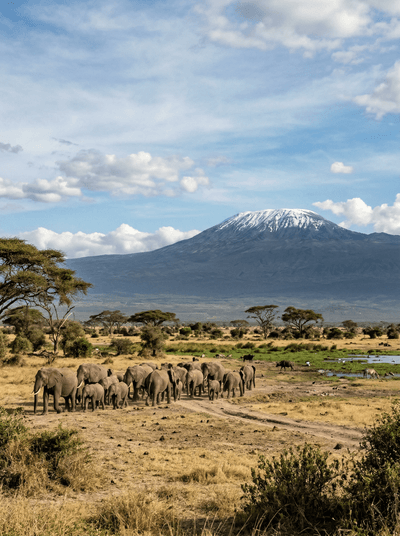
Amboseli National Park
Kenya
Elephants wade through swamp grass with Kilimanjaro's snow-capped peak floating above the haze.
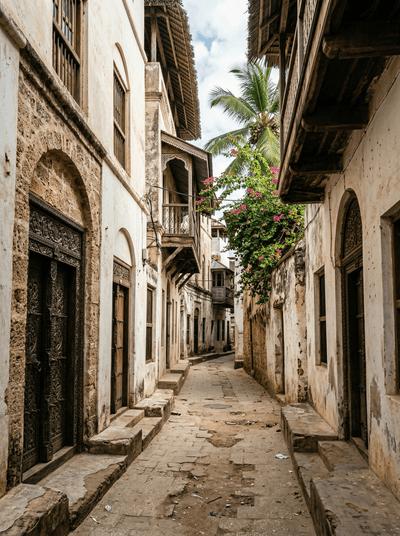
Lamu Old Town
Kenya
Donkeys replace cars on coral-stone lanes where Swahili doors tell centuries of family history.
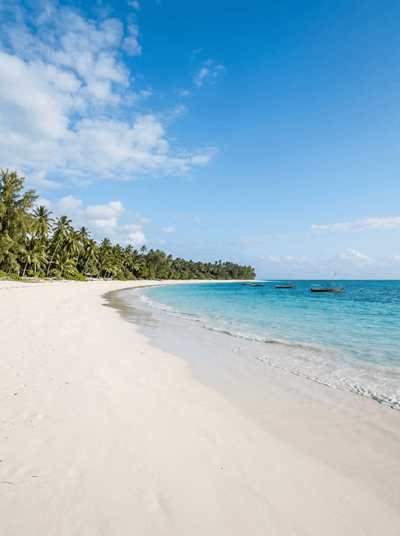
Diani Beach
Kenya
Colobus monkeys leap through the canopy above white sand so fine it squeaks underfoot.