Egypt
Siwa Oasis
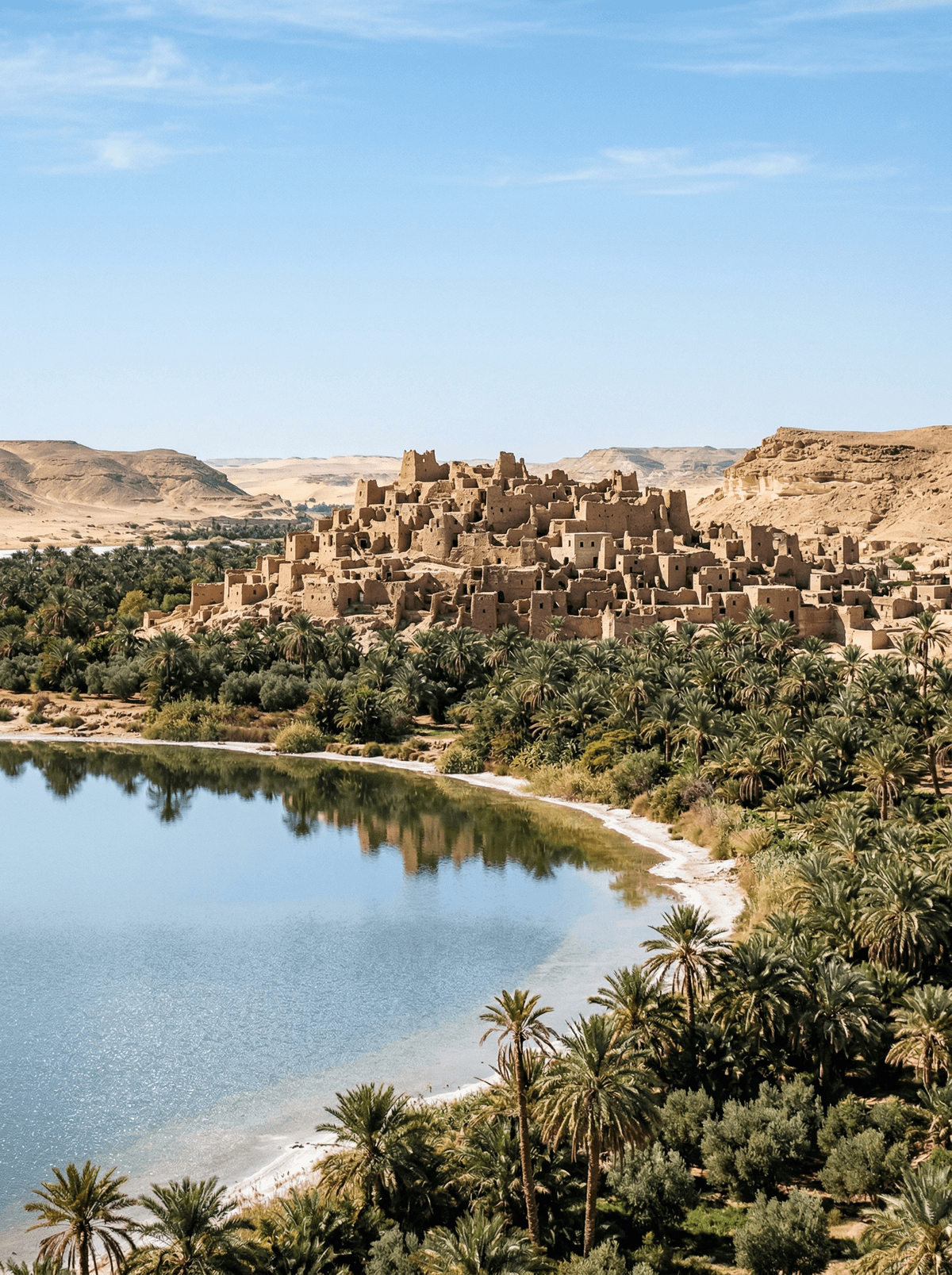
Salt lakes shimmering where the Great Sand Sea begins and Alexander once sought the Oracle.
Palm groves erupt from the desert floor thick enough to block the wind, salt pools shimmer turquoise toward midday, and the ruined mud-brick fortress of Shali rises from the oasis centre like a sandcastle reclaimed by time. Underneath it all runs Siwi — a Berber language, not Arabic.
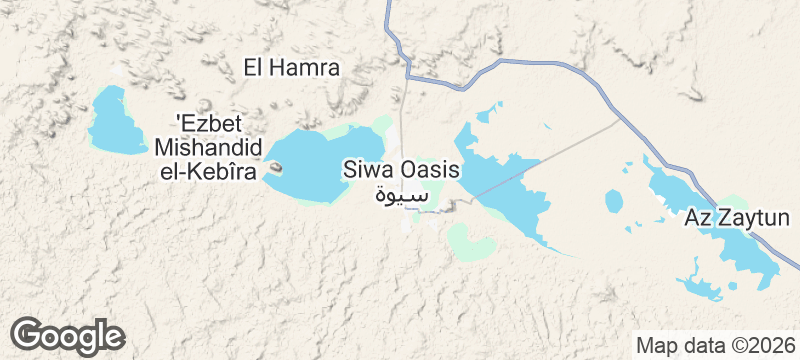
Siwa sits near the Libyan border, 560 kilometres from Cairo, once a stop on the ancient date trade route. Alexander the Great crossed this desert in 331 BCE to consult the Oracle of Amun, whose temple still stands on its rock above the palms, and Cleopatra's Spring still fills its stone pool from underground aquifers. The oasis presses some of Egypt's finest dates and olive oil, its Berber-rooted culture holding its own shape while the Great Sand Sea waits at the western treeline.
Couple
Take a kershef lodge room, swim a salt pool at dusk, and aim for early October when the date harvest starts.
- The Oracle Temple where Alexander received his decree still stands at Aghurmi, on the edge of the old town.
- Siwi, a Berber tongue, is the oasis's own language — you are in Egypt, but not quite in Arabic Egypt.
- Eco-lodges built of kershef — salt rock and mud — stay cool through the day without air conditioning.
- Dozens of turquoise salt pools ring the oasis; float in one and the desert's silence does the rest.
Dates go into the cooking itself: Elhuji with egg and olive oil, Tarfant with bread, Tagilla kneaded from flour and dates.
Abdu's, the longest-running restaurant in town, is where locals and travellers both end up.
Saguaro
United States
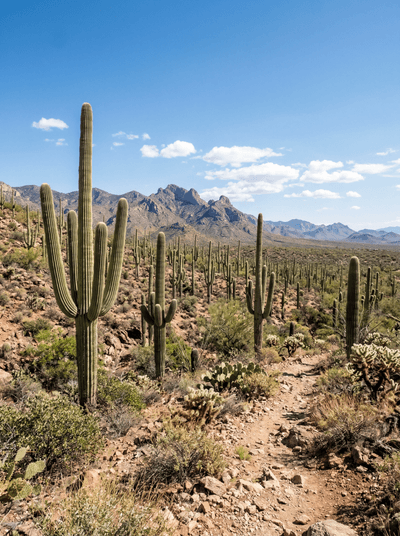
Cathedral stands of giant cacti with arms raised, some nearly two centuries old.
Damyang
South Korea
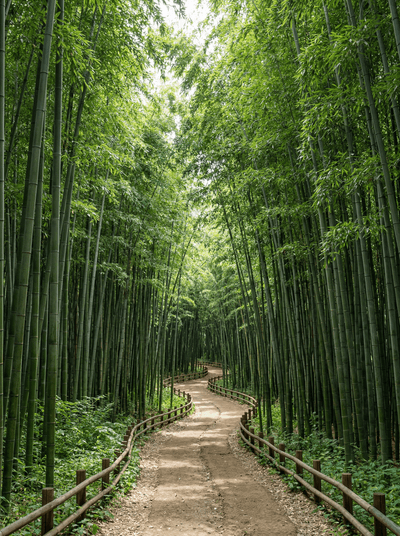
Bamboo thick as forearms closes overhead and the outside world goes quiet.
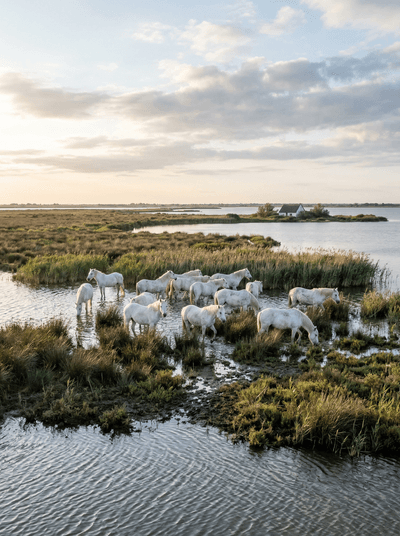
Camargue
France
White horses galloping through salt marshes where flamingos turn the shallow lagoons pink.
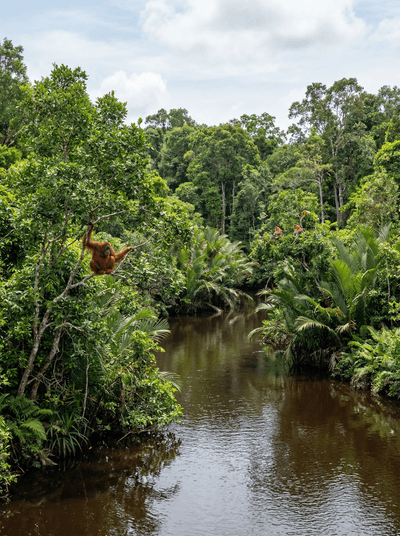
Tanjung Puting
Indonesia
A wooden houseboat drifts blackwater rivers where wild orangutans cross the canopy overhead.
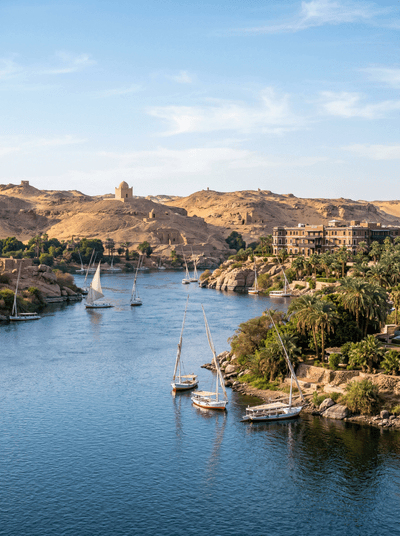
Aswan
Egypt
Feluccas gliding past granite islands where the Nile runs quietest and Nubian colour blazes.
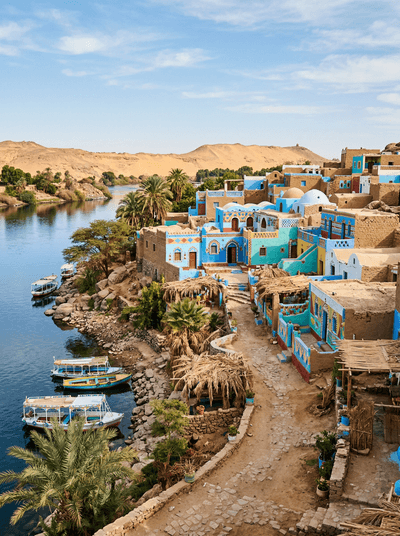
Nubian Villages
Egypt
Houses painted impossible blue and yellow, a language older than Arabic spoken on every corner.
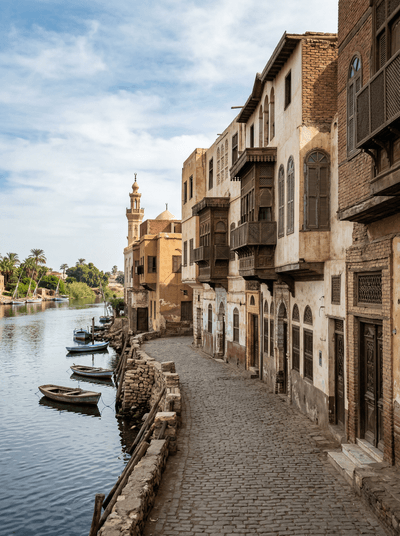
Rosetta
Egypt
Ottoman mansions with mashrabiya screens leaning over lanes where the key to hieroglyphs was found.
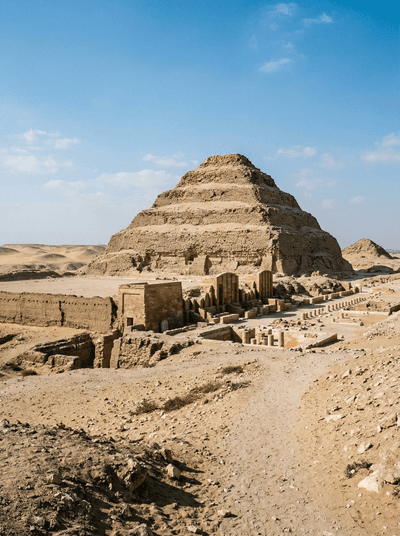
Saqqara
Egypt
The world's first monumental stone building, still standing on a desert plateau littered with unopened tombs.