Mexico
Sótano de las Golondrinas
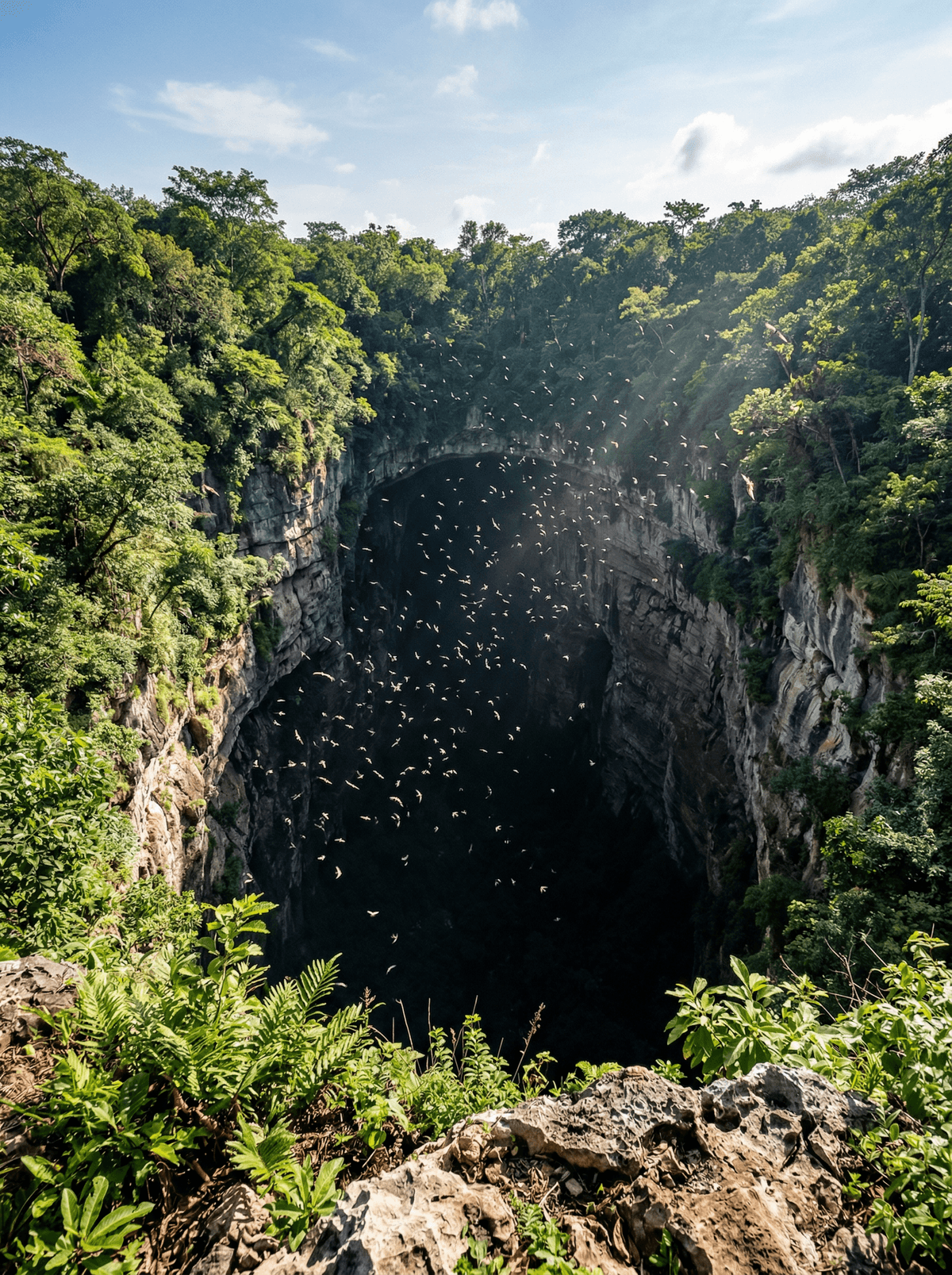
A cave mouth plunging 376 metres — a million swiftlets spiralling out at dawn.
The cave mouth opens like a wound in the forest floor — 60 metres wide, the darkness below absolute. You lean over the edge and the bottom isn't visible. It's 376 metres down. At dawn, the swiftlets begin to spiral out — a vortex of hundreds of thousands of birds corkscrewing upward for twenty minutes, the sound building from whisper to roar.
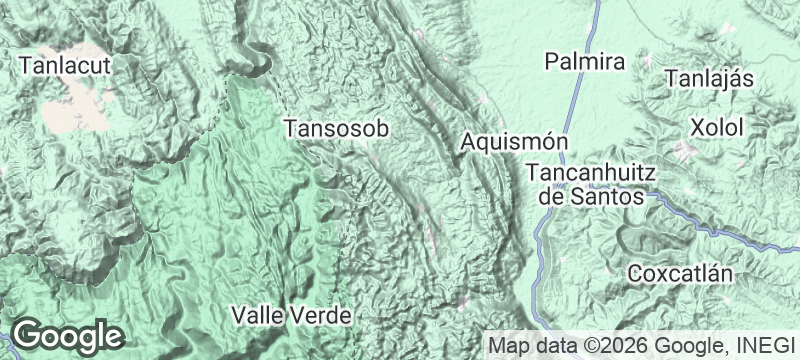
Sótano de las Golondrinas (Pit of the Swallows) is a cave mouth in the karst landscape of the Huasteca Potosina, San Luis Potosí, plunging 376 metres straight down — deep enough to contain the Eiffel Tower with room to spare. The cave mouth is 60 metres wide, and the chamber opens wider below the rim, creating a bell-shaped void. At dawn, hundreds of thousands of white-collared swifts (not swallows, despite the name) spiral out of the cave in a living vortex that takes 15 to 20 minutes to clear — one of the most dramatic bird emergences in the natural world. At dusk, the process reverses as the swifts dive back into the darkness. BASE jumpers consider the sótano one of the world's premier sites — the freefall lasts over 10 seconds. Rappelling the full depth is also possible for equipped and experienced cavers. The site is reached by a 90-minute hike from the village of Aquismón through subtropical forest. The Tének and Náhuatl communities manage access.
Solo
Standing at the edge of a 376-metre drop at dawn, watching a living vortex of swifts spiral upward from the void — Sótano de las Golondrinas is a solo pilgrimage to one of Earth's most dramatic natural spectacles.
Friends
The pre-dawn hike, the swiftlet emergence, and the vertiginous edge — Sótano de las Golondrinas is one of those experiences where having friends beside you intensifies both the awe and the terror.
- The cave mouth is 60 metres wide and plunges 376 metres straight down — deep enough to contain the Eiffel Tower.
- At dawn, hundreds of thousands of white-collared swifts spiral out in a living vortex that takes 20 minutes to clear.
- BASE jumpers consider it one of the world's premier sites — the freefall lasts over 10 seconds.
Enchiladas huastecas from the village of Aquismón, washed down with fresh sugar cane juice.
Wild honey from the Huastecan beekeepers sold in repurposed bottles at the trailhead.
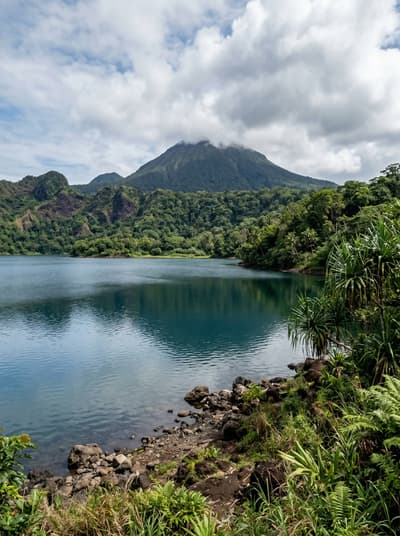
Gaua
Vanuatu
A volcanic lake drains into the ocean via a waterfall that plunges through untouched jungle.
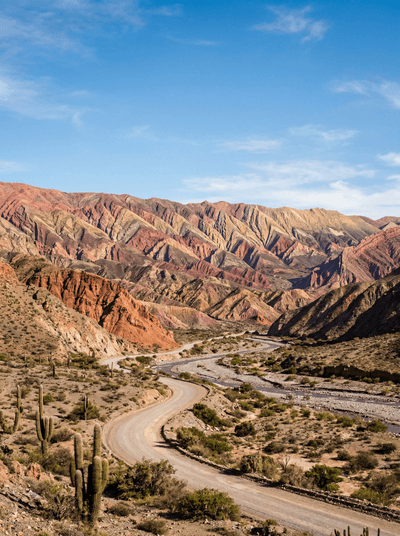
Quebrada de Humahuaca
Argentina
A canyon of fourteen-colour hills where Inca trails thread through villages older than the conquest.
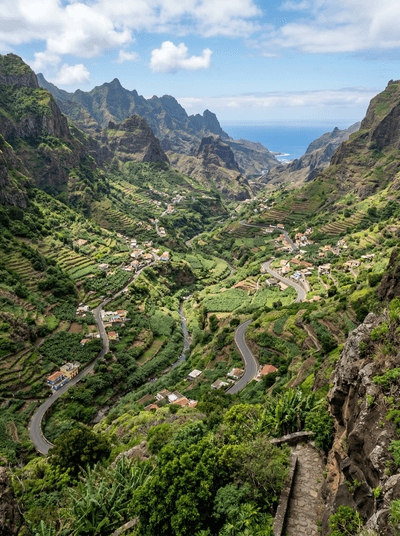
Vale do Paúl
Cape Verde
Sugarcane terraces spill down a volcanic crater into the greenest valley in the archipelago.
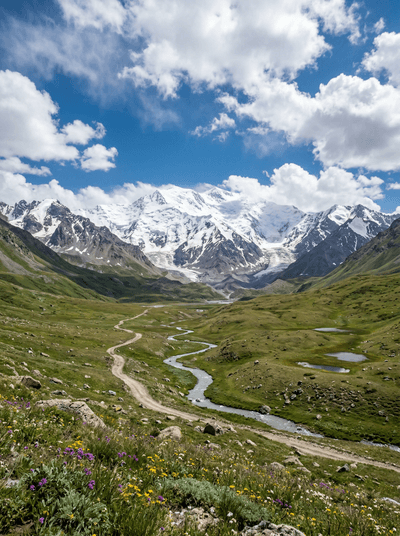
Achik-Tash
Kyrgyzstan
Yurt camps at 3,600 metres beneath a 7,134-metre peak, alpinists and trekkers sharing vodka at sunset.
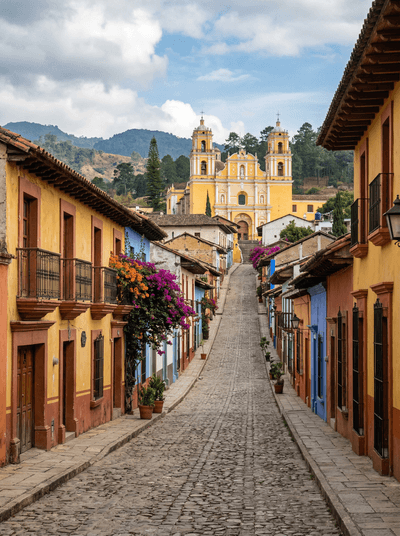
San Cristóbal de las Casas
Mexico
Highland mist curling through colonial arcades where Tzotzil women weave galaxies into cloth.
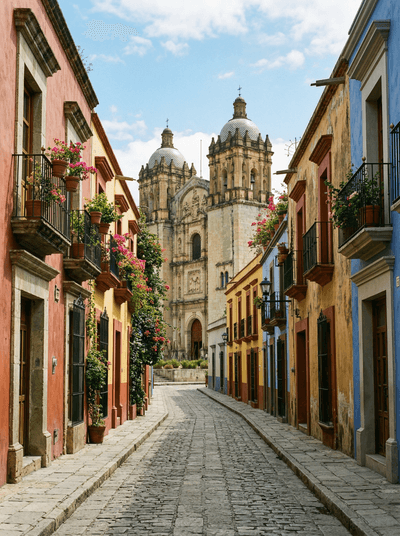
Oaxaca City
Mexico
Seven varieties of mole simmering in a city where every wall is an altar to colour.
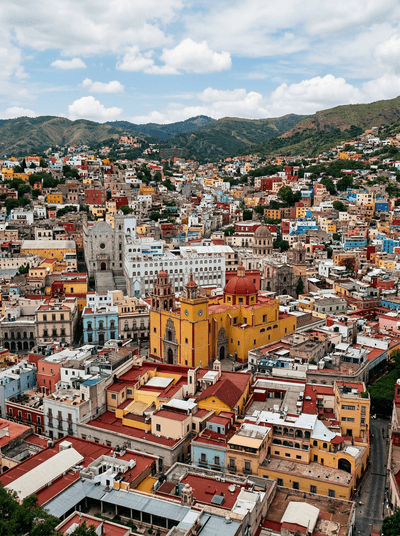
Guanajuato
Mexico
A city poured into a canyon, its houses stacked like a tumbled box of pastels.
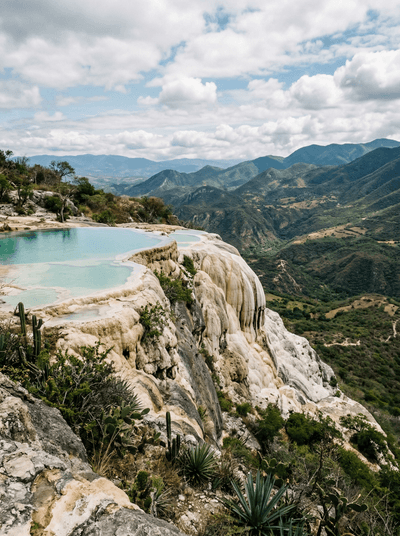
Hierve el Agua
Mexico
Petrified waterfalls frozen mid-cascade above a valley, their infinity pools warm and mineral-green.