Chile
Mina San José
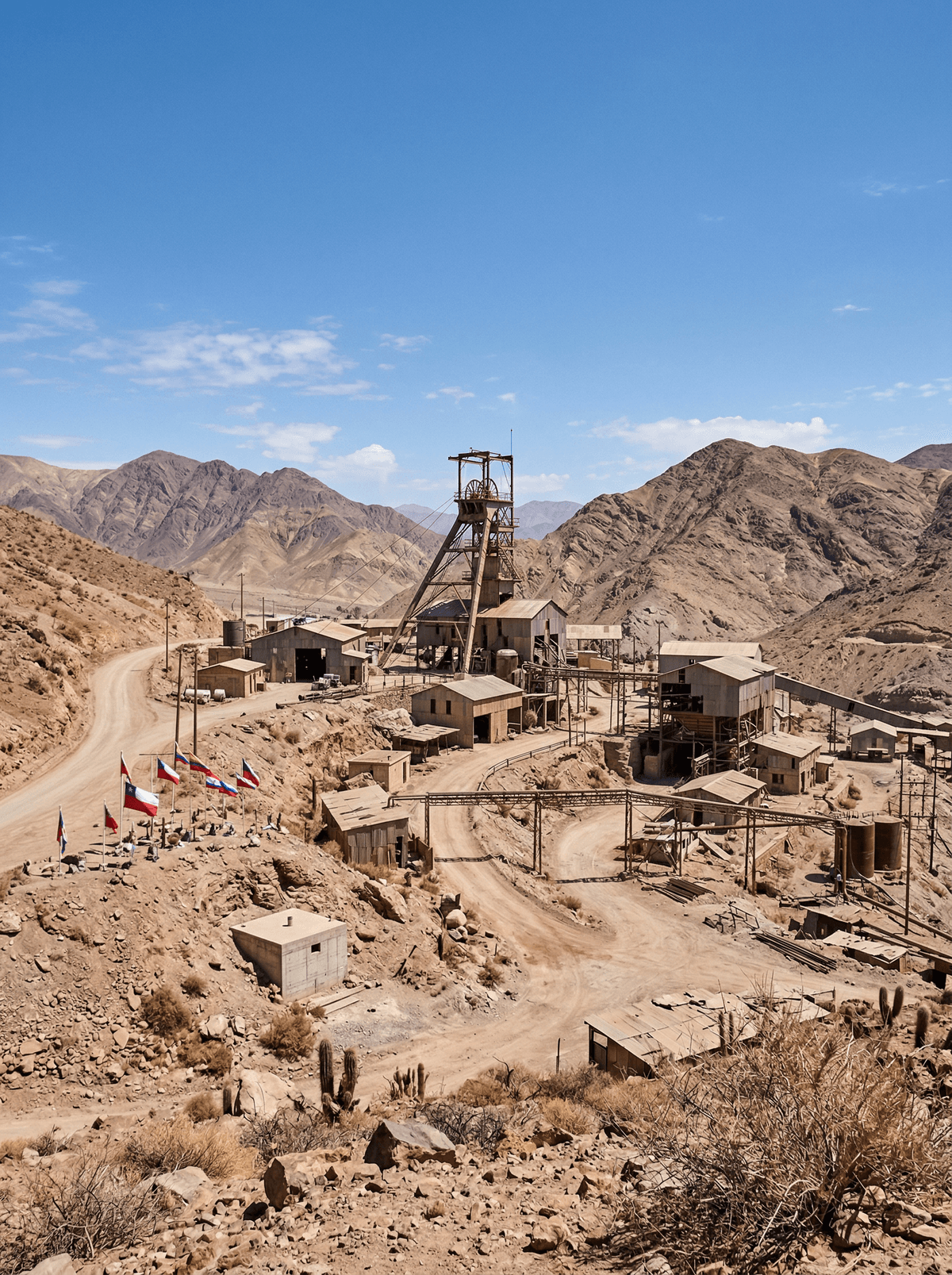
The story of thirty-three rescued miners is told where the Atacama held them underground.
Dry hills surround the mine entrance and interpretation centre. The exposed landscape makes the depth and duration of the 2010 rescue newly difficult to grasp.
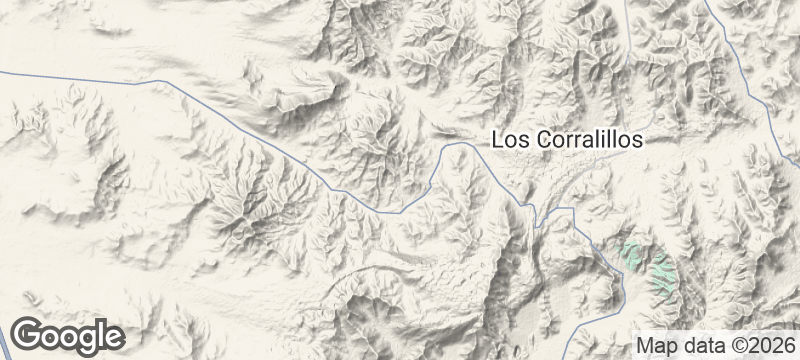
The current Circuito de los 33 interprets the rescue through a scheduled centre and local visits lasting several hours. The documented operation, its workers and the long wait above ground provide more than enough drama without uncertain artefact claims. Copiapó is where the excursion begins and ends.
Solo
The organised interpretation route provides structure and human context across the exposed mine landscape.
Family
Older children can understand the rescue through the centre's documented account rather than sensational reconstruction.
- The Circuito de los 33 interprets the 2010 rescue at the mine where thirty-three men survived sixty-nine days underground.
- An interpretation centre and organised local visits give the documented operation its full weight.
- The exposed Atacama hills make the depth and length of the wait newly hard to grasp.
Copiapó bookends the desert drive as the excursion's only real table.
Chile's heritage service records Colla cooking being shared in the city — recipes of the valley's Indigenous pueblo.
Stonehenge
England
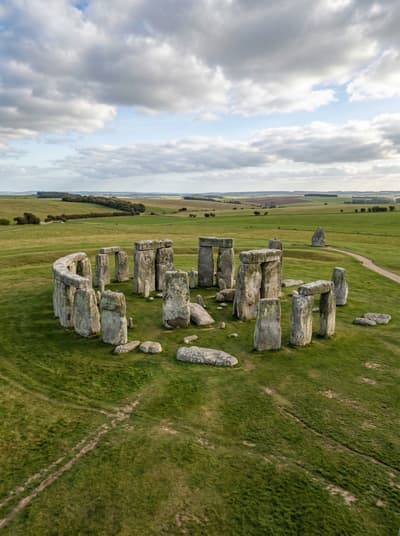
Bluestones hauled a hundred and fifty miles to stand in a circle nobody can fully explain.
Cradle of Humankind
South Africa
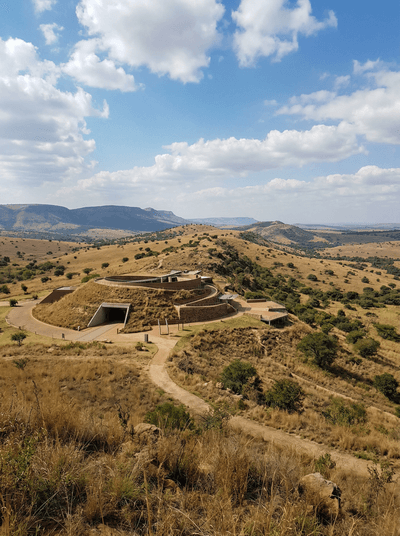
Fossils surface from limestone darkness, pulling the human family tree millions of years backwards.
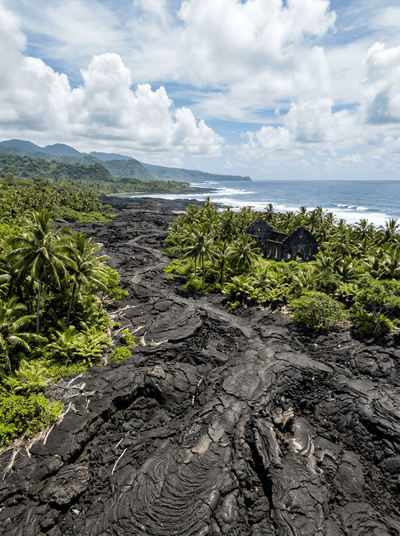
Saleaula Lava Fields
Samoa
The lava filled a church to its windows yet parted around a single grave.
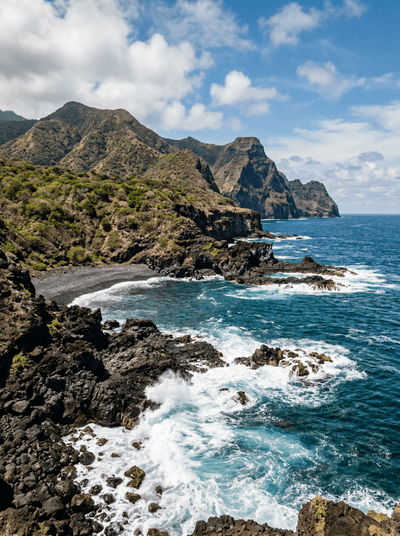
Isla Socorro
Mexico
A lone volcano stands in open Pacific, where the dive deck becomes the whole world.
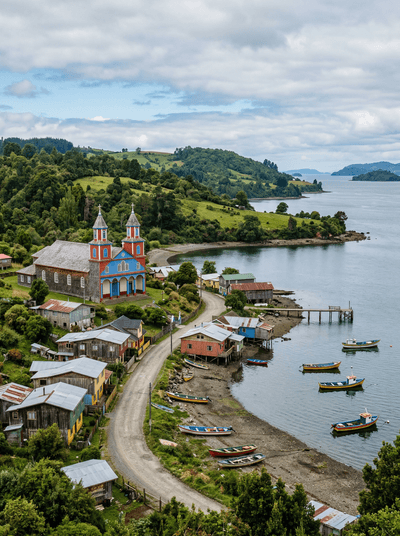
Isla Chiloé (Tenaún)
Chile
Three timber towers rise above a quiet Chilote waterfront.
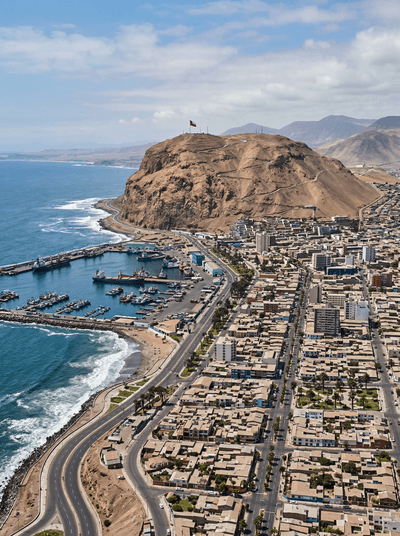
Arica
Chile
One of humanity's earliest mummification traditions rests beneath Arica's beaches and headland.
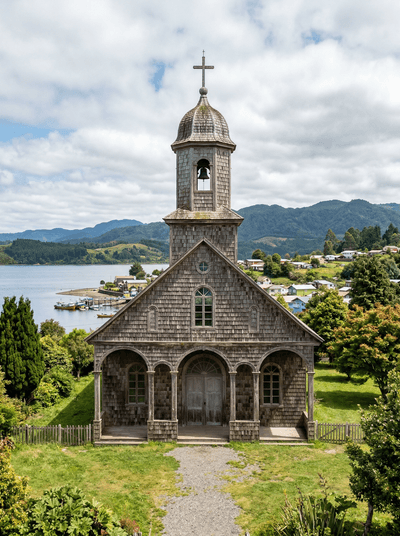
Chiloé's Wooden Churches (UNESCO Circuit)
Chile
Sixteen timber churches turn Chiloé's islands into a road-and-ferry pilgrimage.
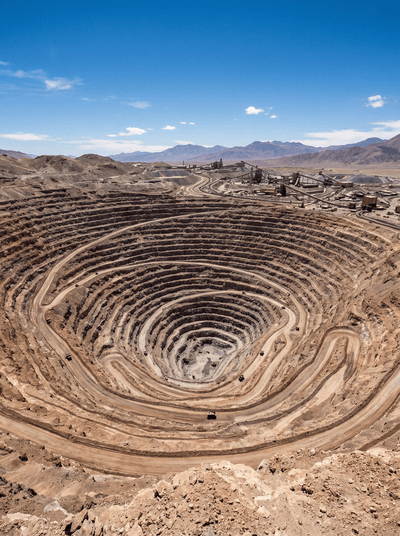
Chuquicamata
Chile
A silent company town faces a copper pit carved kilometres wide and deep.