Peru
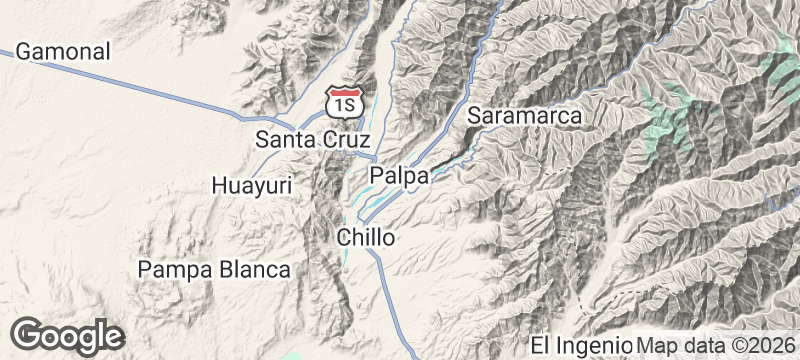
Palpa
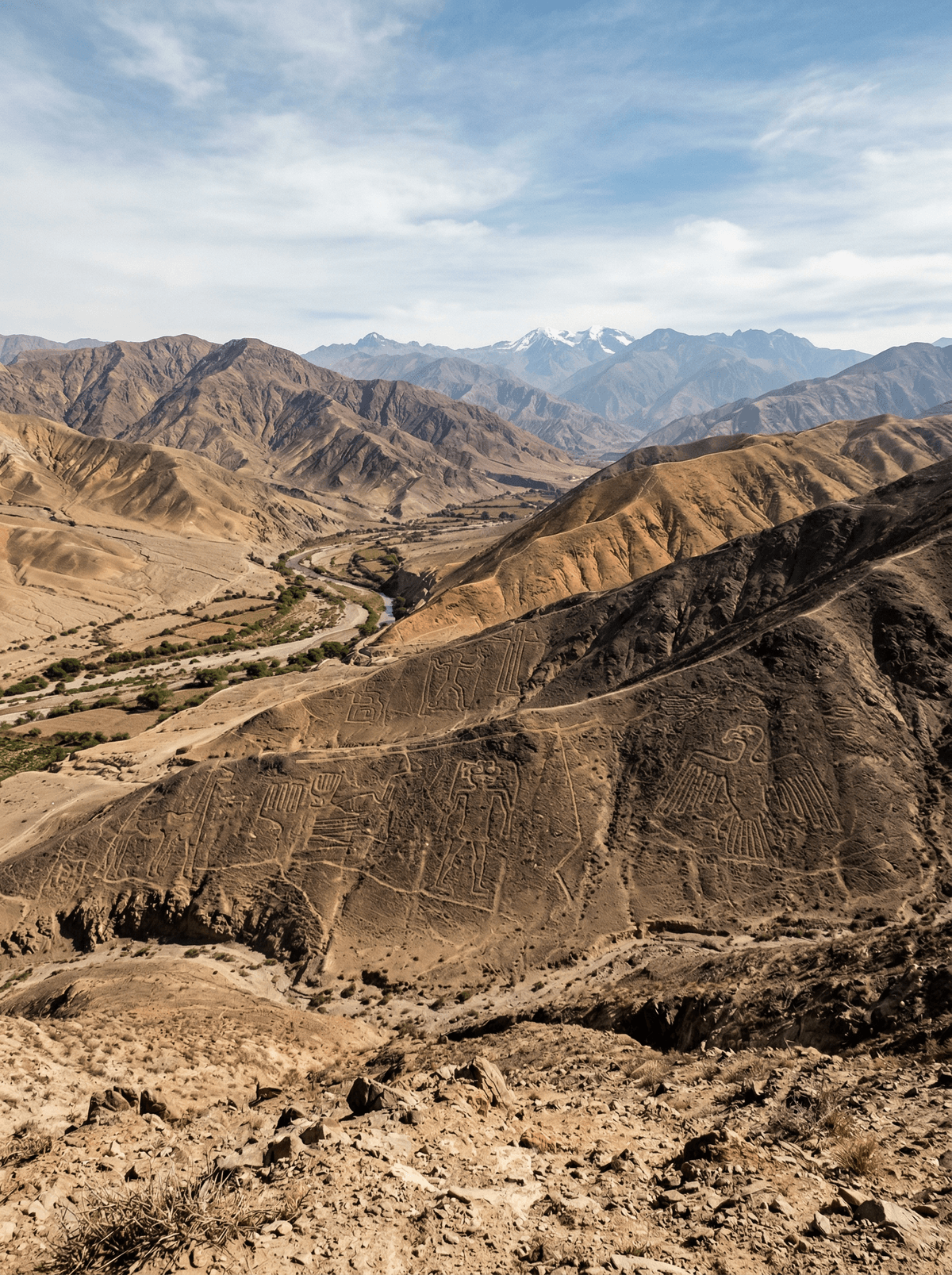
Hillside geoglyphs with human faces, in a valley the tour planes ignore.
The desert silence is nearly absolute — no engines overhead, no queueing coaches, just hillsides carrying figures scratched into the earth well over two millennia ago. Palpa's geoglyphs share UNESCO listing with the famous lines to the south, and keep a fraction of the audience.
Palpa, north of Nazca in the Ica desert, holds the geoglyph tradition's other testament: Paracas-period figures climbing steep hillsides — human forms with visible faces, readable from the valley floor without any aircraft — alongside later lines and geometry belonging to the same protected landscape. The hillside placement and early dates complicate every tidy story about the tradition's origins — exactly what makes the valley compelling: the archaeology is still under live argument, and you can study its evidence from authorised viewpoints while the coaches queue elsewhere. The protected desert surface is never crossed — the viewpoints are the visit — and early or late light raises the figures into relief. The valley's other export is sweetness: Palpa's figs and grapes, dried in the same sun that preserved the lines.
Solo
Geoglyphs studied in stillness turn archaeology meditative — authorised viewpoints, low light and the desert's hush.
Couple
Standing before figures older than the famous lines, with the Ica desert emptying toward dusk, makes the drive back feel like leaving another century.
- Paracas-period hillside figures carry human faces readable from the ground.
- The valley shares the Nazca lines' UNESCO listing with a sliver of the visitors.
- Early dates and hillside placement keep the tradition's origin story honestly open.
- Authorised viewpoints in raking light raise the figures into relief.
Palpa figs and grapes, sun-dried and sold in woven baskets at the roadside.
Pallares verdes — fresh green lima beans stewed — the valley's seasonal obsession.
Stonehenge
England
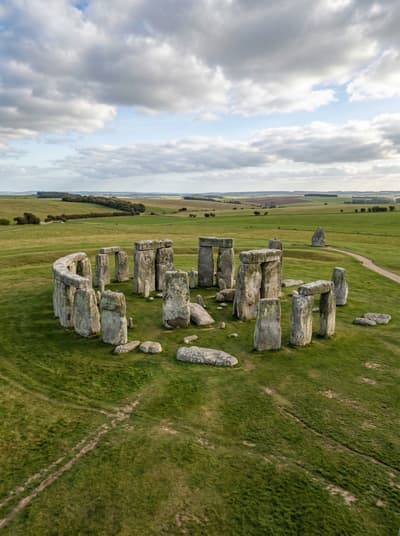
Bluestones hauled a hundred and fifty miles to stand in a circle nobody can fully explain.
Arnhem Land
Australia
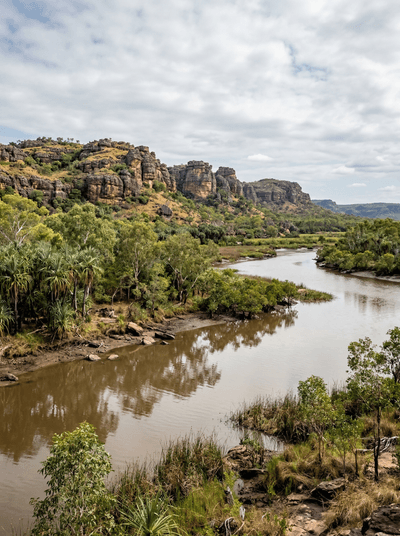
Escarpment rock-art country, floodplains and empty tropical coast make up a vast living Aboriginal homeland.
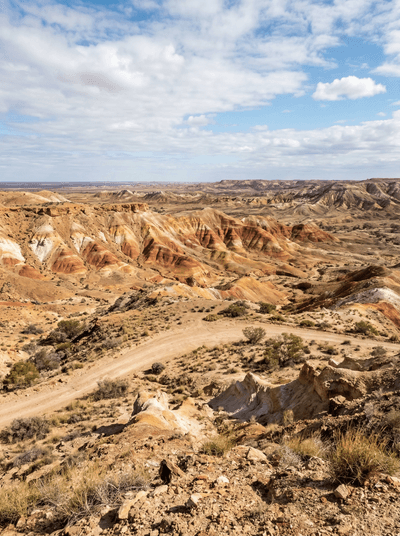
Painted Desert
Australia
Crimson, cream and gold hills erupt from flat outback beside a remote public route.
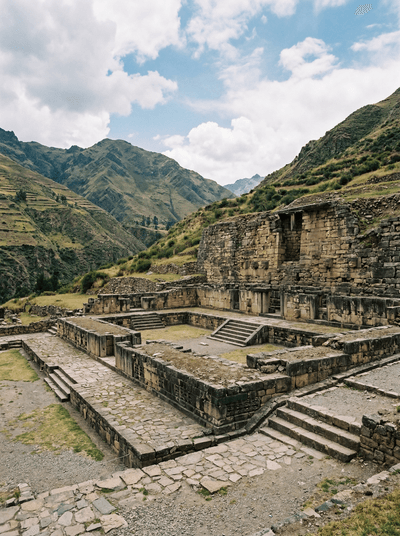
Chavín de Huántar
Peru
Underground galleries where a fanged god has waited in the dark for 3,000 years.
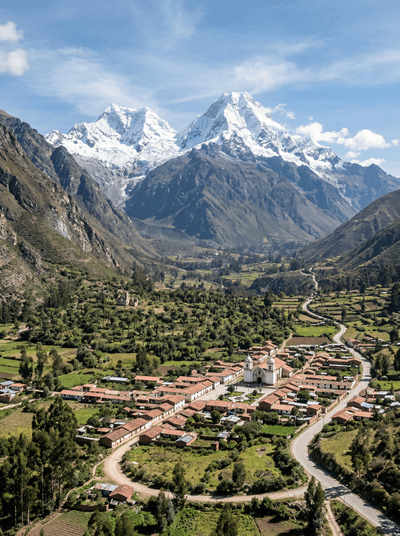
Yungay
Peru
A buried city marked by four palm tips piercing the debris that entombed it.
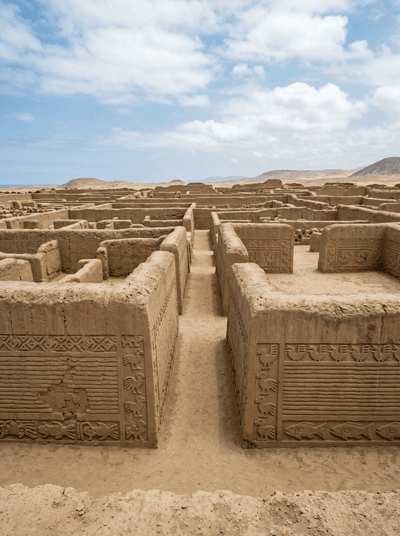
Chan Chan
Peru
The Americas' greatest earthen city — walls still carved with fish and waves after a millennium.
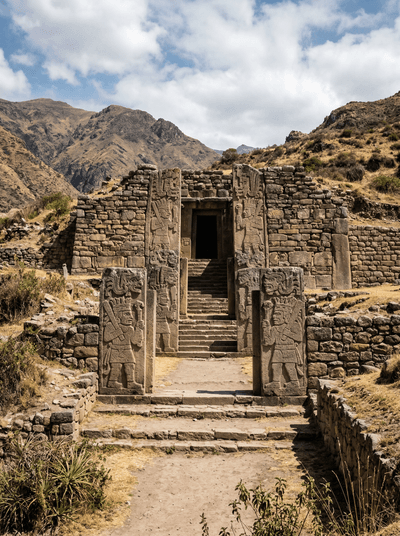
Sechín
Peru
Temple walls carved with warriors and the dismembered — 3,600-year-old stone testimony.