Pakistan
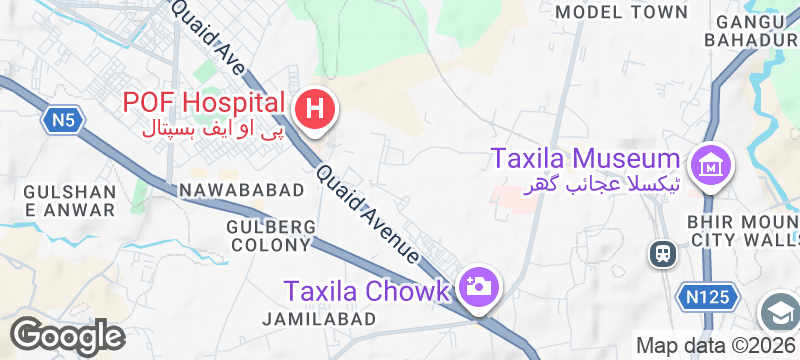
Taxila
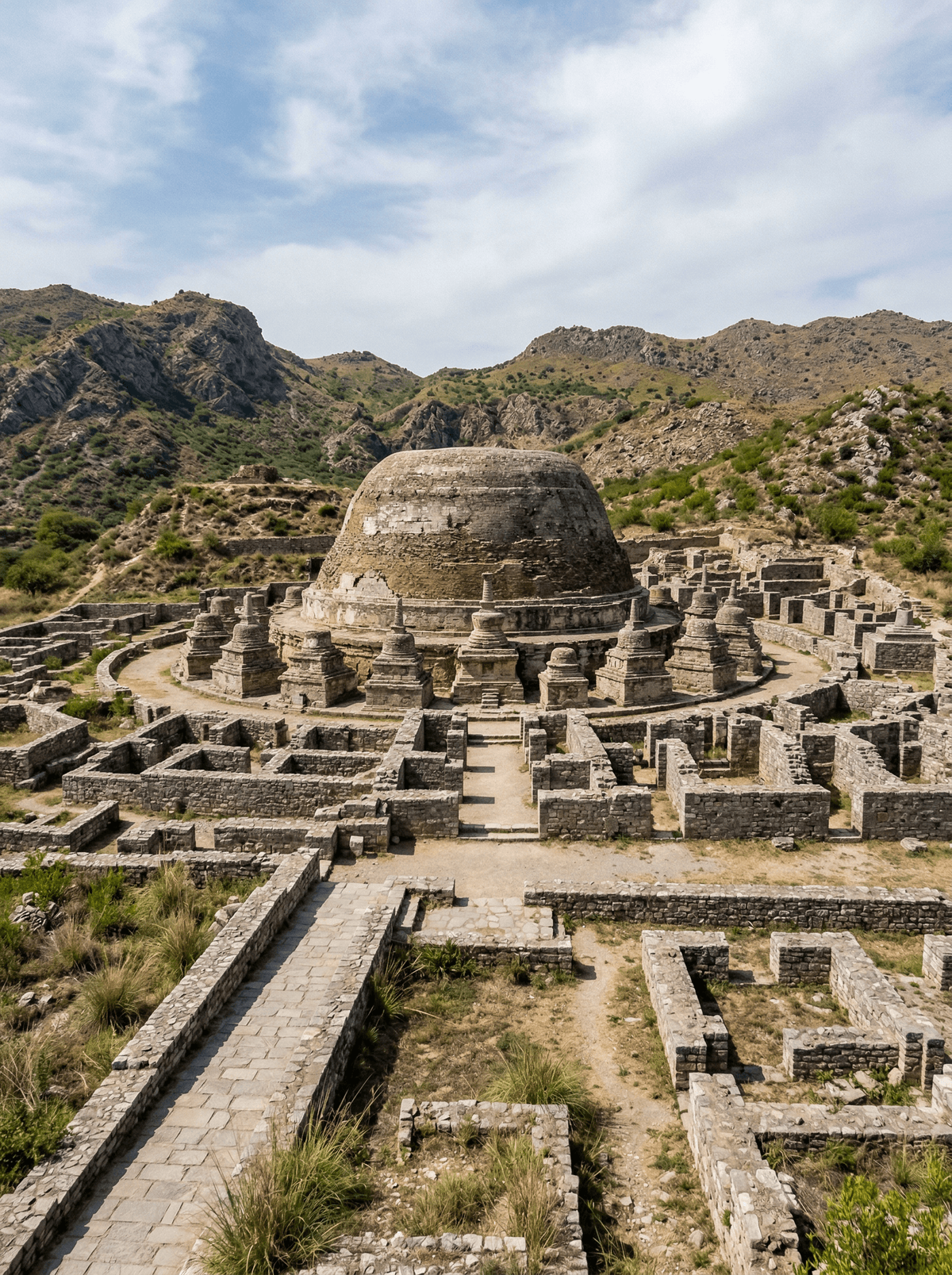
Three cities layered across a thousand years — Gandhara's monks carved Buddhas with Greek faces here.
Three cities lie within five kilometres of each other, each built by a different empire, each abandoned when the next arrived. At Taxila in Pakistan's Punjab, you walk from Achaemenid-era ruins to Greek-planned streets to Kushan monasteries in a single morning, and the Buddhas carved in the stonework have curly hair and Hellenistic faces that belong to no single tradition.
Taxila is UNESCO-listed — an archaeological complex near Rawalpindi spanning a thousand years and more of habitation across three successive city sites — Bhir Mound of the Achaemenid sixth century BCE, Sirkap of the Indo-Greek second century BCE, and Sirsukh of the Kushan first century CE. The Taxila Museum keeps Gandhara sculpture of the very first rank: Buddhas with Apollo-style curls, togaed bodhisattvas, imagery forged where Greek, Persian and Indian traditions met. The Jaulian monastery preserves stone teaching halls and cells from what may have been one of the world's earliest universities — tradition holds that Chandragupta Maurya studied here, and Ashoka governed Taxila as viceroy before he took the imperial throne.
Solo
Taxila rewards slow, solitary attention — moving between three empires' ruins with a guidebook and your own thoughts compresses a thousand years into a day.
Couple
Tracing the evolution of three civilisations together — debating which empire planned better, finding Greek faces on Buddhist statues — makes Taxila a shared intellectual adventure.
Family
The museum brings ancient civilisations to eye level for children, and climbing the monastery steps at Jaulian makes history physical.
- The Taxila Museum holds Gandhara Buddhas with unmistakably Greek faces — the legacy of the Greek kingdoms that followed Alexander.
- Three separate cities — Achaemenid Bhir Mound, Indo-Greek Sirkap, Kushan Sirsukh — sit minutes apart.
- Tradition holds that Chandragupta Maurya studied in Taxila's schools before founding an empire.
- Jaulian's votive stupas survive in remarkable condition, their carved niches still holding the ghost of painted plaster.
Chapli kebab from the roadside grills — minced meat flecked with pomegranate seed, Frontier-style.
Lassi thick enough to eat with a spoon, from the dairy vendors near the museum.
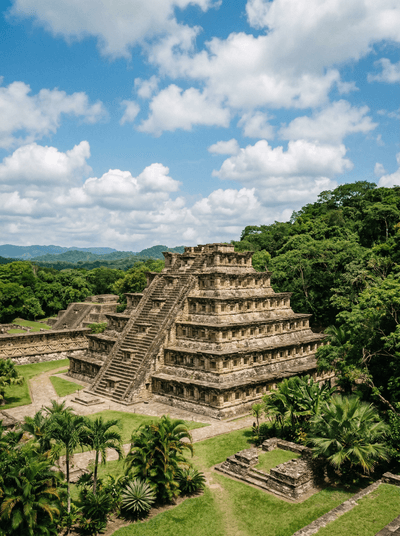
El Tajín
Mexico
Niches, ball courts and carved reliefs spread across an ancient Gulf Coast capital.
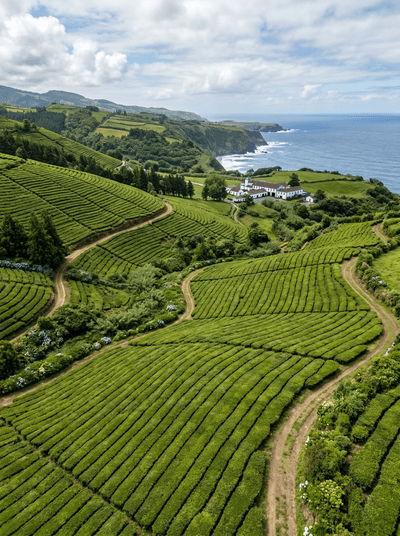
Gorreana
Portugal
Europe's oldest tea estate, emerald rows rolling down volcanic slopes to the Atlantic since 1883.
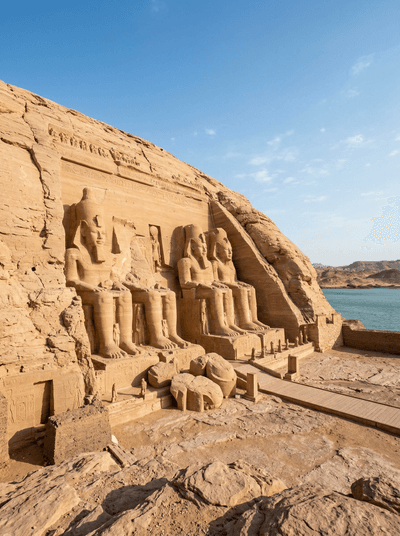
Abu Simbel
Egypt
Twice a year, dawn crawls sixty metres through solid rock to light a pharaoh's face.
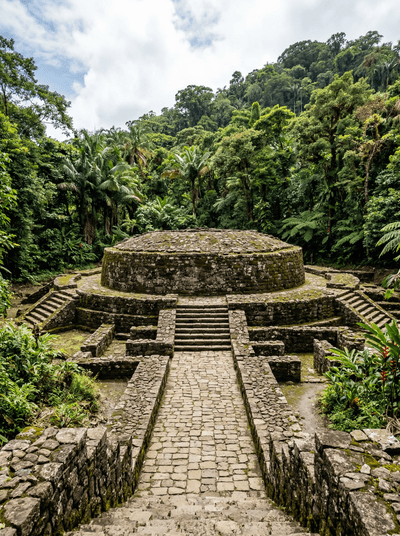
Guayabo National Monument
Costa Rica
Pre-Columbian aqueducts still carrying water through a city the jungle tried to swallow.
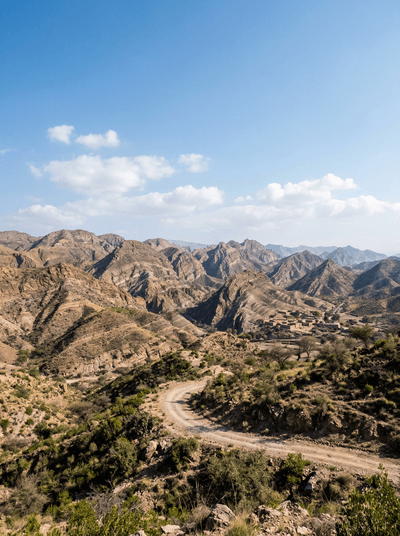
Salt Range
Pakistan
Crimson salt cliffs exposing the floor of a 600-million-year-old vanished ocean in Punjab's flat plains.
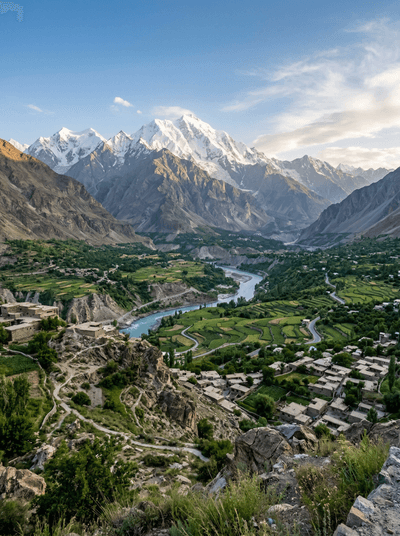
Hunza Valley
Pakistan
Apricot orchards cascade down centuries-old terraces beneath the ice pyramids of Rakaposhi and Ultar.
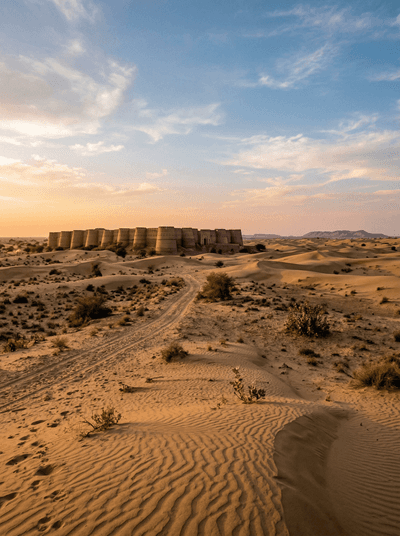
Cholistan Desert
Pakistan
Forty bastions of a forgotten fortress rising from featureless desert where camel nomads still roam.