Morocco
Tétouan
Jewish goldsmiths here shaped pendants like doves, in the city they call the White Dove.
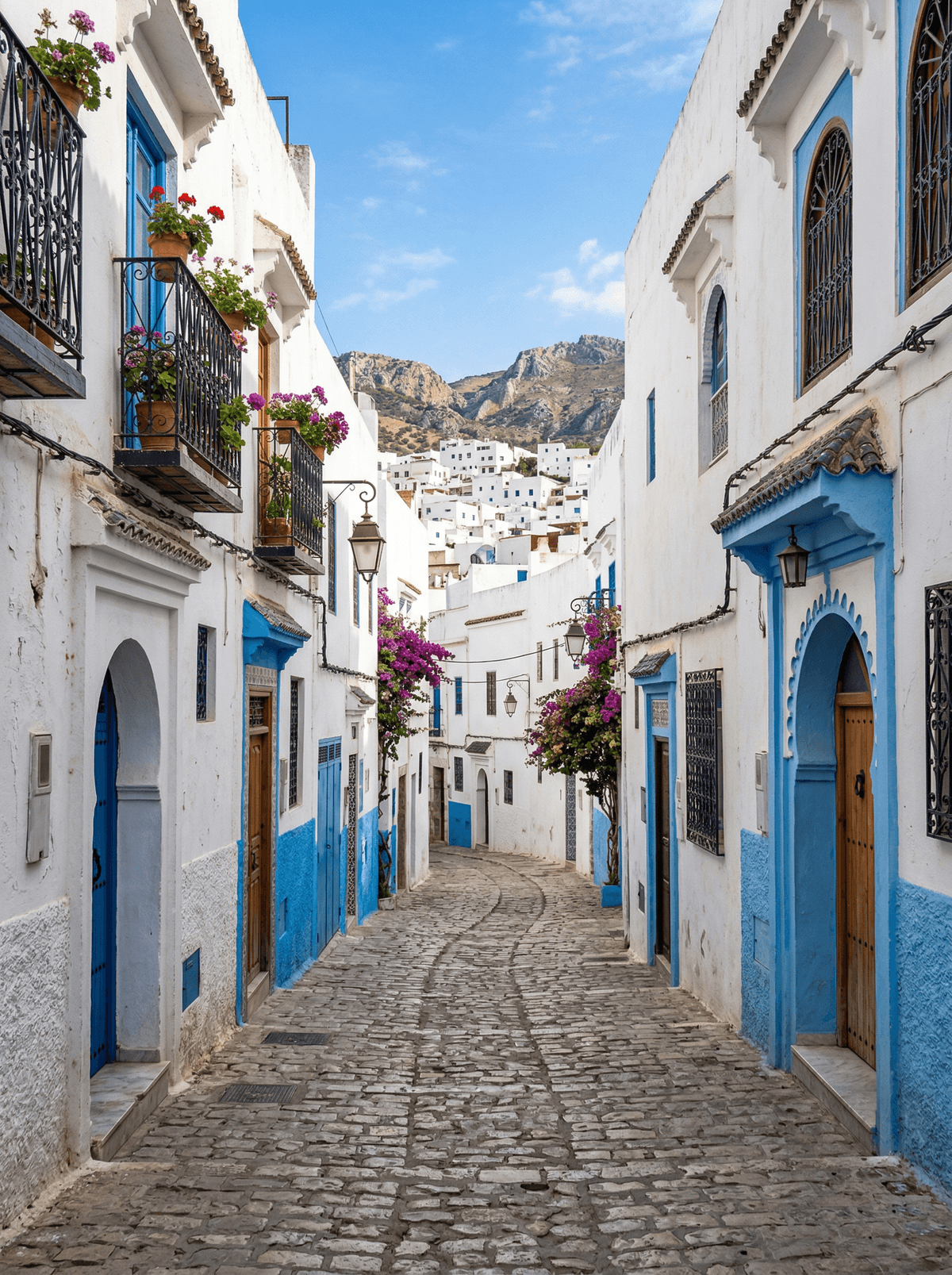
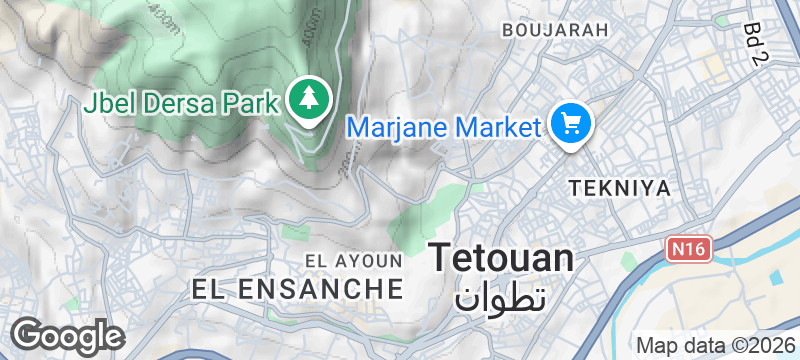
Tetouan sits in a valley under the Djebel Dersa, white against the mountain, and it is the place Al-Andalus went when Spain expelled it. Somewhere between ten and forty thousand Andalusians settled here and in the country around it, and what they brought was not a style but a whole working culture: mudejar plasterwork, embroidery, silverwork, and the habits of a city that had been somewhere else.
The expulsions began on 2 January 1492 and continued in waves into the seventeenth century. The crafts that arrived with them remain named and legible: Tarz Taajira embroidery on cotton and linen in purple, orange and green with Mudejar and Nasrid motifs; and the Tayr, a bird pendant made by Jewish goldsmiths, at its most popular in the eighteenth century. Dar Sanaa was founded in 1919 to preserve and teach those arts, placing embroidery, metalwork, wood and plaster inside one living lineage. The medina's lanes carry that inheritance through workshops, wedding dress and domestic architecture far beyond one museum door.
Solo
Go to Dar Sanaa before the medina rather than after. Once you have watched somebody cutting inlay or working leather, the doorways and ceilings in the old town stop being decoration and start being a trade.
Couple
Give it a whole day and stay the night. Tangier is forty minutes away and takes most of the visitors with it, which is why the lanes here empty out in the evening while the cafés fill.
- Between ten and forty thousand Andalusians expelled from Spain settled in Tetouan and its region from 1492 onwards.
- Dar Sanaa was founded in 1919 to preserve Tetouan's embroidery, metalwork, wood and plaster traditions.
- The medina joined the World Heritage list in 1997 and the city was the first Moroccan member of UNESCO's Creative Cities network in 2017.
- Tarz Taajira embroidery and the Tayr pendant preserve distinct Andalusian and Jewish craft lineages.
Arbutus honey from Jbal Moulay Abdessalam behind the town, with geographical protection dating to 2013.
Geographically protected Rif almonds, the crop that keeps Tetouan's pastry counters supplied.
Al Hamra
Oman
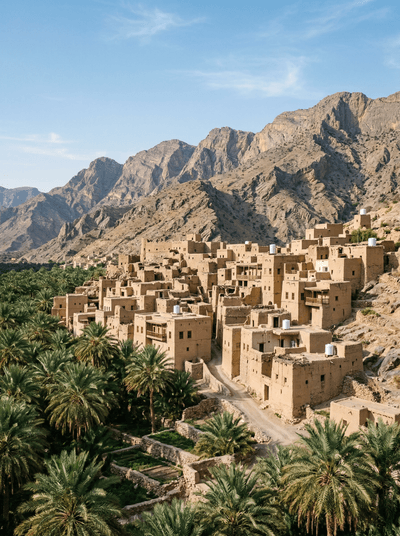
Mud-brick houses climb above the palms, and one of them still bakes its own bread.
Gunsan
South Korea
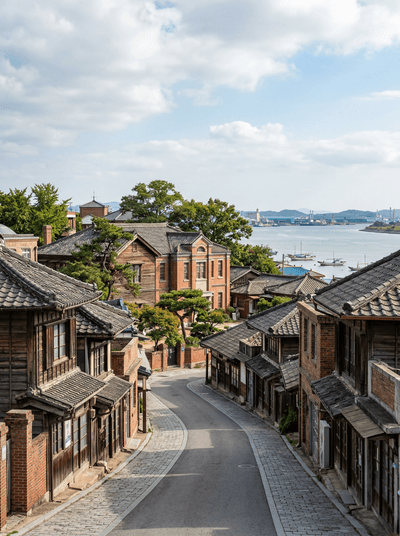
Korea's oldest bakery still sells the bread it sold in 1945, streets frozen around it.
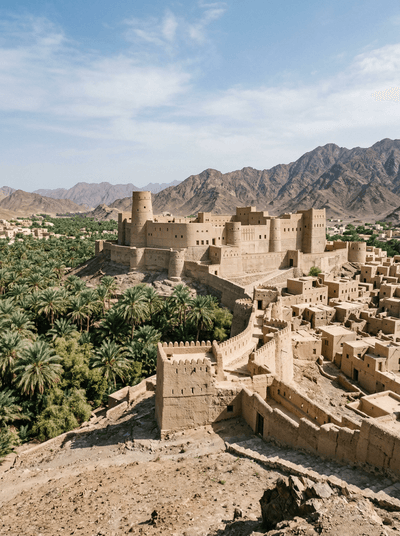
Bahla
Oman
A mud-brick fort rises from the same earth as its oasis, potters still firing beside it.
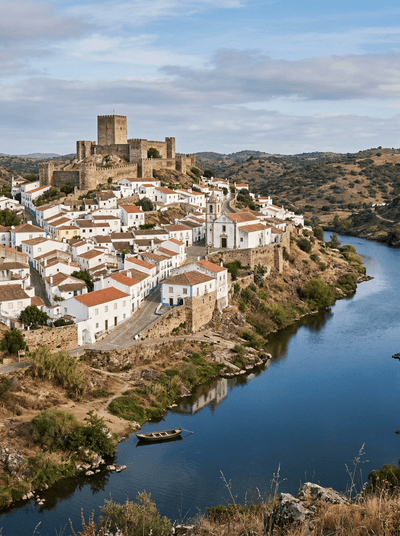
Mértola
Portugal
A whitewashed hill town whose mosque became a church — the mihrab still faces Mecca.
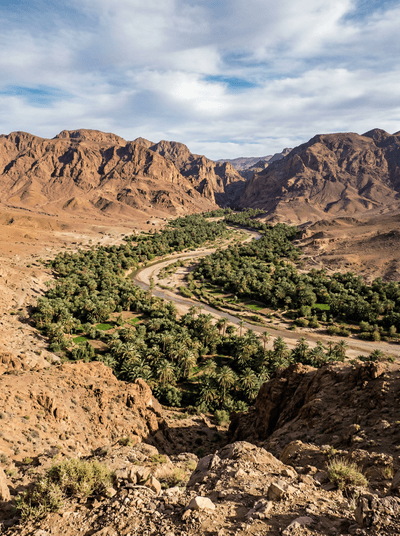
Draa Valley
Morocco
Two and a half million date palms carry a green river towards the Sahara.
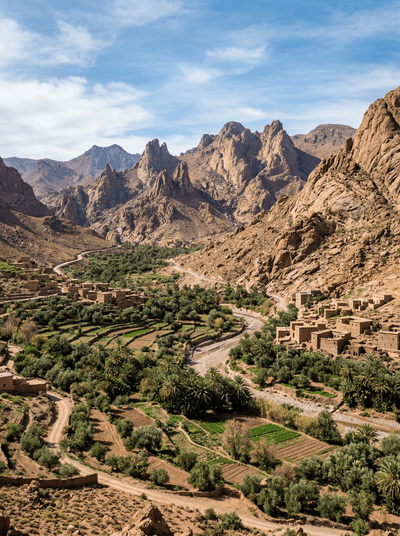
Ameln Valley
Morocco
Ochre villages disappear into Jbel Lekst while almond blossom clouds the valley floor.
N'Kob
Morocco
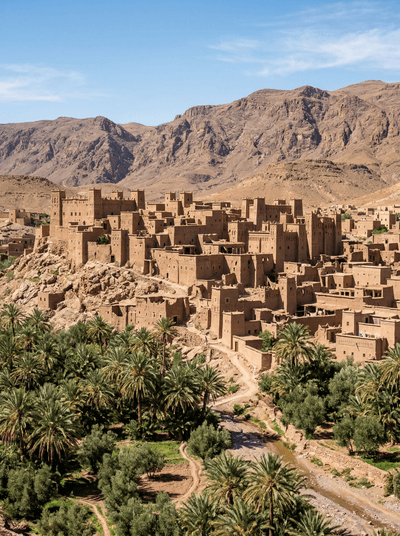
Forty-five earthen kasbahs crowd an oasis beneath the broken ridges of Jebel Saghro.
Tata Palm Groves
Morocco
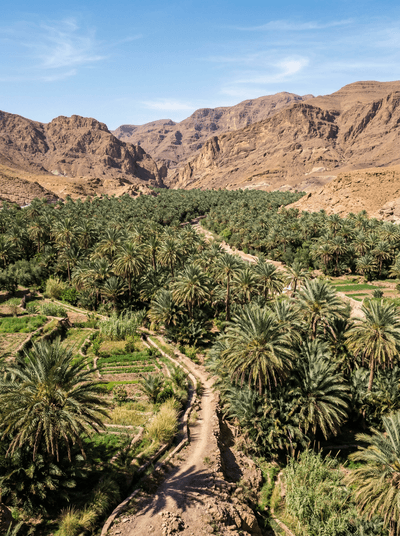
Elephants and rhinoceroses survive in stone beyond Tata's living palm shade.