Pakistan
Tharparkar
Jain temples carved from desert granite standing abandoned in Pakistan's only Hindu-majority district.
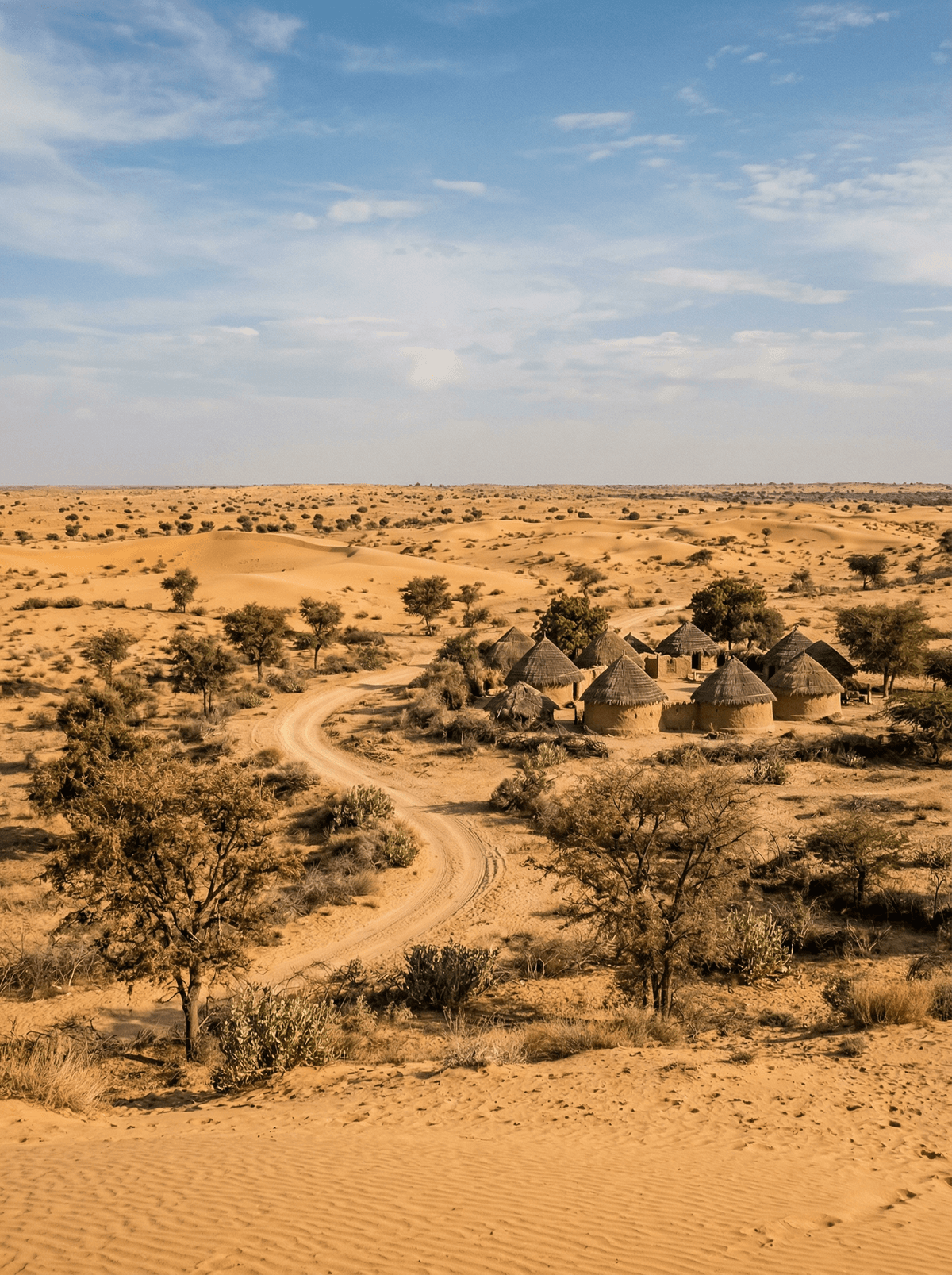
The Jain temples appear without warning — carved granite spires rising from desert scrub in a district where the call to prayer competes with temple bells. Tharparkar is Pakistan's only Hindu-majority district, a place where temple bells and mosque calls share the same desert air without friction. The light here is relentless, the land is spare, and the carved stone feels like an act of defiance against both.
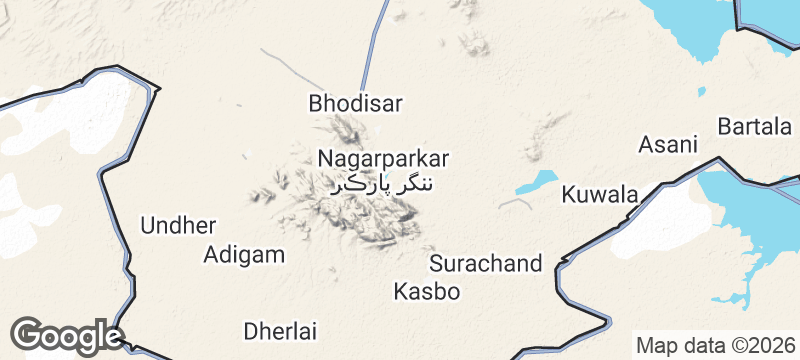
Tharparkar is a district in southeastern Sindh bordering India's Rajasthan, distinguished by its unique religious demographics and architectural heritage. The town of Nagarparkar sits at the foot of the Karoonjhar Hills, where intricately carved Jain temples — notably the Gori Temple complex — date to the medieval period, their sandstone facades among the finest examples of Jain architecture in the subcontinent. The district town of Mithi is a rare interfaith crossroads where Hindu temples and Muslim mosques sit side by side in active use. Desert crops — bajra millet, guar, and moth bean — sustain the population, while the monsoon months briefly transform the landscape from brown to green. The ker-sangri berry, cooked into a pickle unique to the Thar, is a culinary tradition found nowhere else in Pakistan. Camel milk barfi from Mithi's sweet shops is a desert delicacy tied to the region's pastoral economy.
Solo
Tharparkar is remote, culturally complex, and rewards the solo traveller willing to venture off every beaten path. The Jain temples alone justify the journey — standing in their empty courtyards, you feel the weight of a civilisation that once thrived here.
Couple
The carved Jain temples provide a shared sense of discovery, the Mithi bazaar offers interfaith warmth, and the monsoon-season transformation of the desert gives couples who time it right a landscape-scale spectacle.
Family
Tharparkar's cultural tapestry — Hindu and Muslim communities living together, Jain temples in the desert, camel herders and millet farmers — gives families a living lesson in diversity that no classroom can match.
- Nagarparkar's Hindu temples — carved from local granite — were still in active use before Partition, and the stonework is intact despite decades of abandonment.
- Tharparkar is Pakistan's only Hindu-majority district, with active Shiva temples, Hindu weddings, and Holi celebrations documented in villages across the desert.
- The Thar Desert here is a 'living desert' — populated year-round by Thari and Bhil communities who know every well and seasonal water source across 22,000 square kilometres.
- The painted facades of Thari homes — geometric in orange, blue, and white — are maintained by women and represent a living craft tradition distinct from any other in Pakistan.
Bajra roti — millet flatbread with white butter and fierce green chillies.
Desert berries — ker and sangri — cooked into a pickle unique to the Thar.
Mithi's sweet shops selling barfi made from camel milk, a true desert delicacy.
Trollskogen (Öland)
Sweden
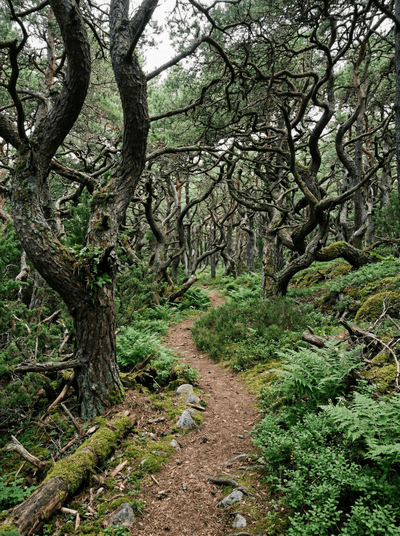
A forest of wind-warped oaks so twisted they look like a witch's spell gone wrong.
Millennium Cave
Vanuatu
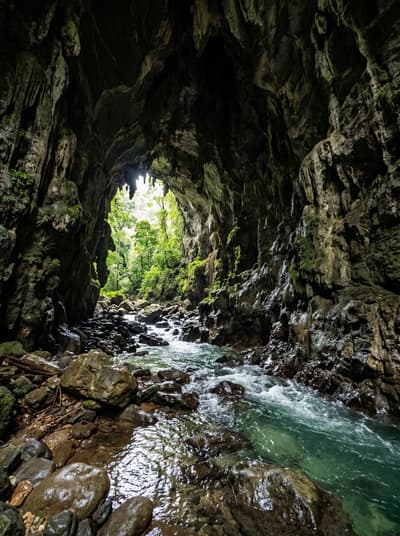
Scramble through jungle and wade chest-deep rivers to a cave you enter walking and exit floating.
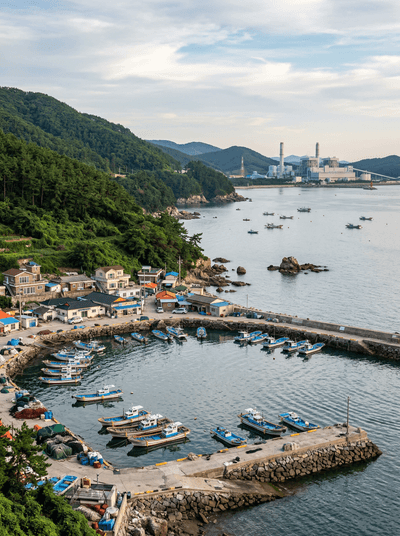
Maryang-ri
South Korea
A five-hundred-year-old forest of camellia trees bleeding red flowers against the grey winter sea.
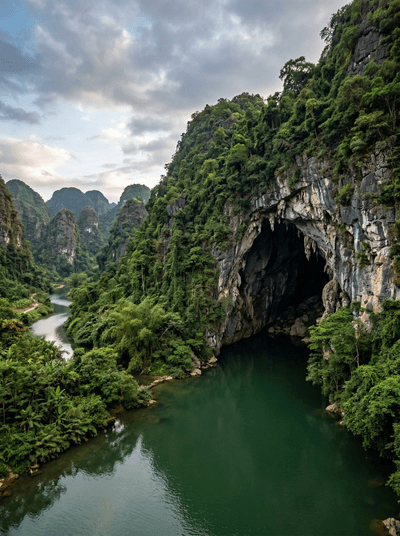
Phong Nha
Vietnam
Hidden jungle portals opening into subterranean river systems and limestone caverns.
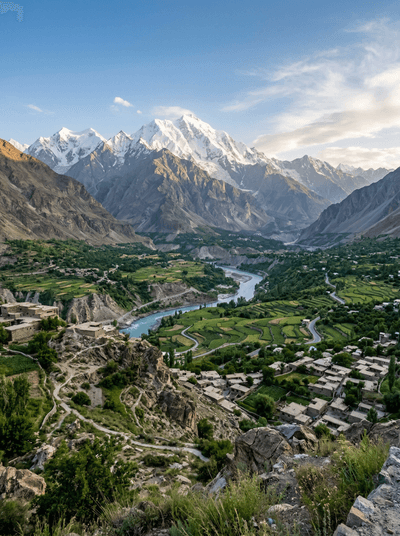
Hunza Valley
Pakistan
Apricot orchards cascading down terraces where three of Earth's mightiest mountain ranges collide.
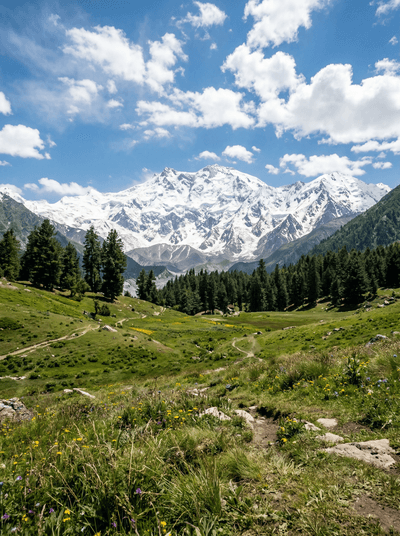
Fairy Meadows
Pakistan
A wildflower carpet at 3,300 metres where Nanga Parbat's killer face fills the entire sky.
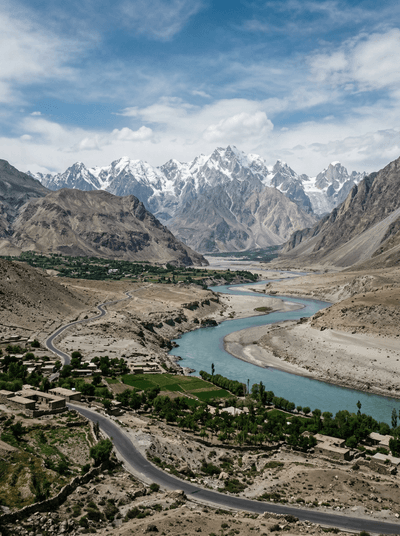
Skardu
Pakistan
Sand dunes and glacial lakes sharing the same valley floor beneath Karakoram granite walls.
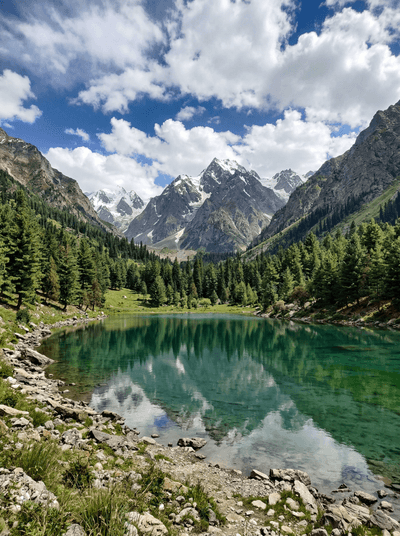
Naltar Valley
Pakistan
Three lakes cycling through turquoise, emerald, and sapphire depending on the angle of light.