Mexico
Volcán Paricutín
A volcano that erupted in a farmer's cornfield in 1943, burying a village church-deep.
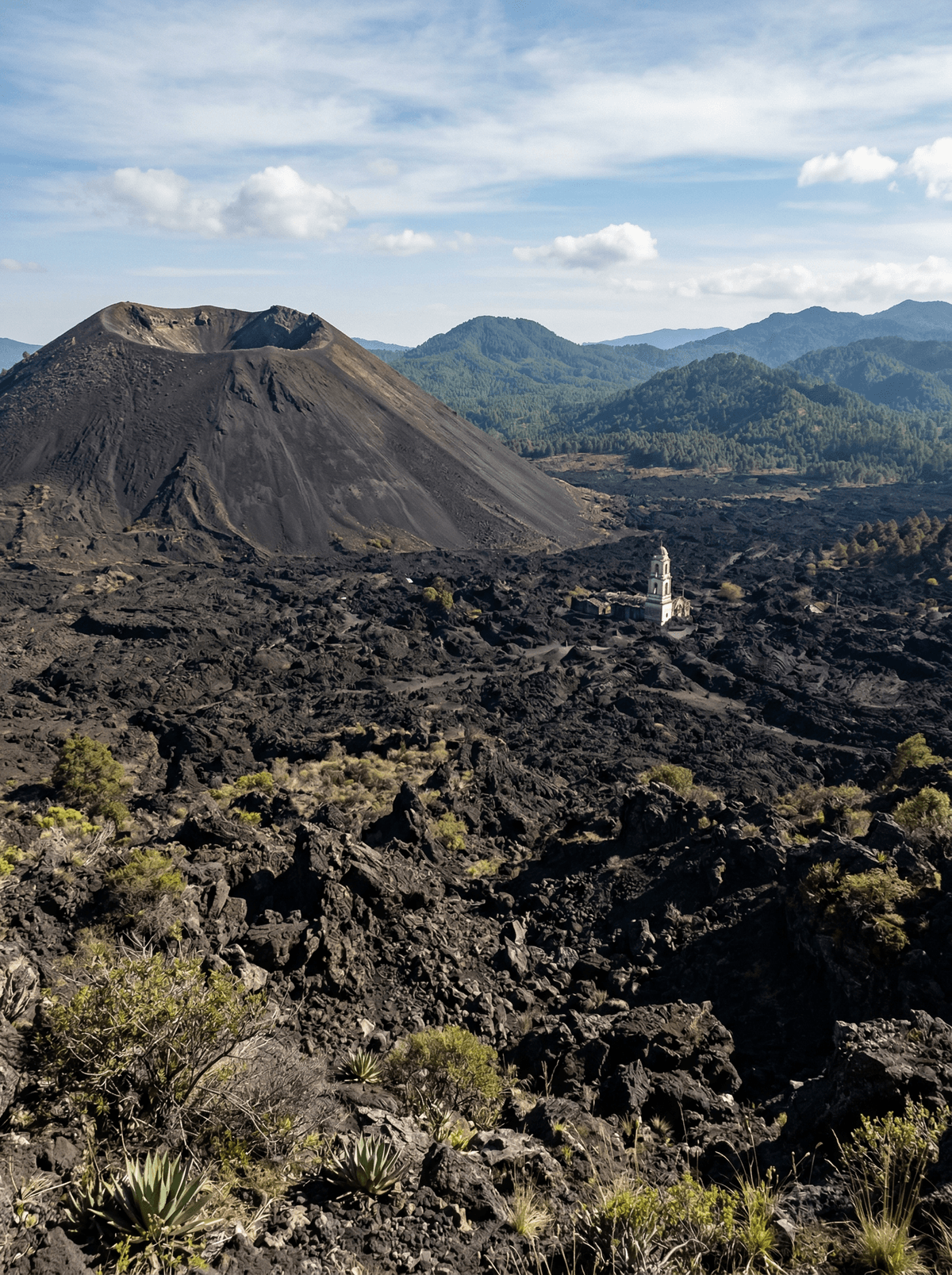
The lava field stretches to the horizon — black, frozen, cracked like broken pottery. Nothing grows. In the middle distance, a church steeple rises from the basalt as if the building is drowning in stone. The volcano responsible sits behind it, still warm, still young, born in a cornfield within living memory.
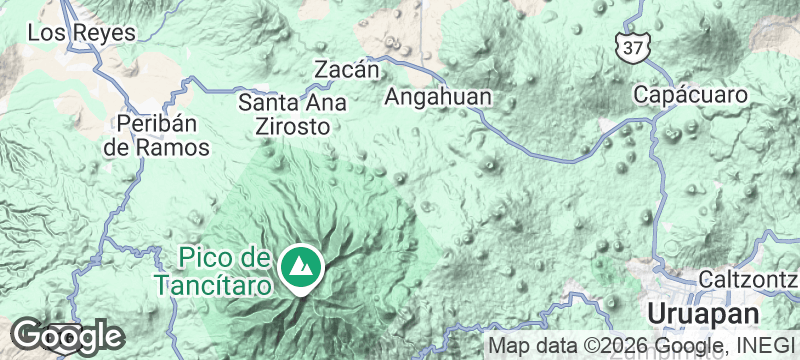
On February 20, 1943, farmer Dionisio Pulido watched a fissure open in his cornfield near the Purépecha village of Angahuan — within a week, a cinder cone stood 50 metres high, and within a year, the village of San Juan Parangaricutiro was buried under lava. Only the church steeple and altar remain visible above the solidified flow. Paricutín is the only volcano in recorded history whose birth was witnessed from start to finish, and it erupted continuously for nine years until 1952, reaching a final height of 424 metres above the original ground level. Horseback rides from Angahuan cross the lava field to the buried church — roughly an hour each way across black basalt. The Purépecha community of Angahuan manages access to the site, providing horses, guides, and meals. The volcano and its lava field now sit within a landscape of pine forest and avocado orchards, the contrast between fertile land and barren lava field sharp and immediate.
Solo
Riding horseback across a lava field to a buried church, alone with a Purépecha guide and a volcano born in one man's cornfield — Paricutín is solo adventure steeped in geological drama.
Friends
The horseback ride across the lava field is more fun with company, and standing at the buried church — imagining a volcano erupting in a farmer's field — demands someone to share the disbelief.
- The volcano erupted on February 20, 1943, in Dionisio Pulido's cornfield — the only witnessed birth of a volcano.
- The buried church of San Juan Parangaricutiro has only its steeple and altar visible above the lava.
- Horseback rides from Angahuan cross the lava field to the church — an hour-long ride through frozen black rock.
Corundas and atole from the Purépecha village of Angahuan before the horseback ride to the lava field.
Fresh-grilled trout from the volcanic spring-fed rivers around Uruapan.
Gaua
Vanuatu
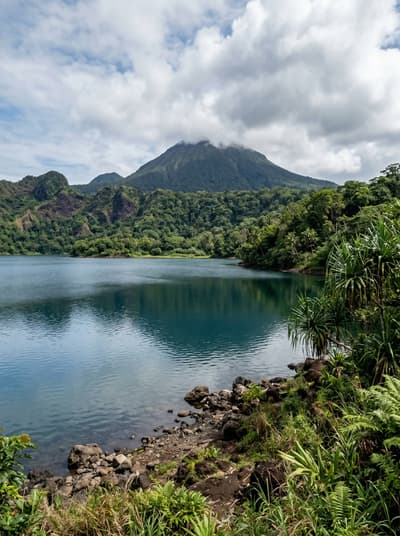
A volcanic lake drains into the ocean via a waterfall that plunges through untouched jungle.
Quebrada de Humahuaca
Argentina
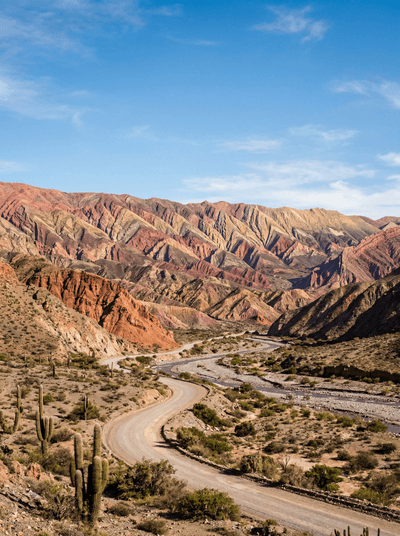
A canyon of fourteen-colour hills where Inca trails thread through villages older than the conquest.
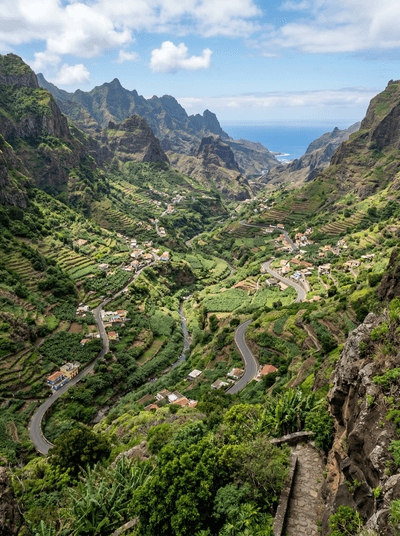
Vale do Paúl
Cape Verde
Sugarcane terraces spill down a volcanic crater into the greenest valley in the archipelago.
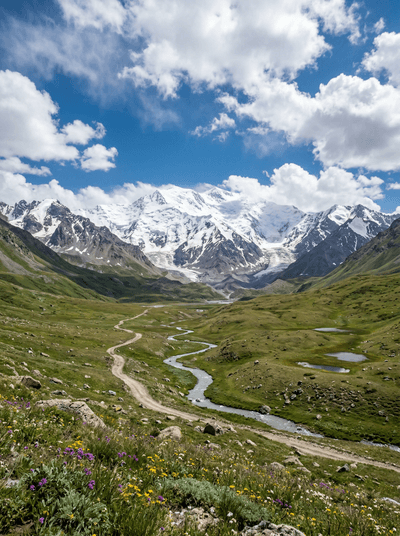
Achik-Tash
Kyrgyzstan
Yurt camps at 3,600 metres beneath a 7,134-metre peak, alpinists and trekkers sharing vodka at sunset.
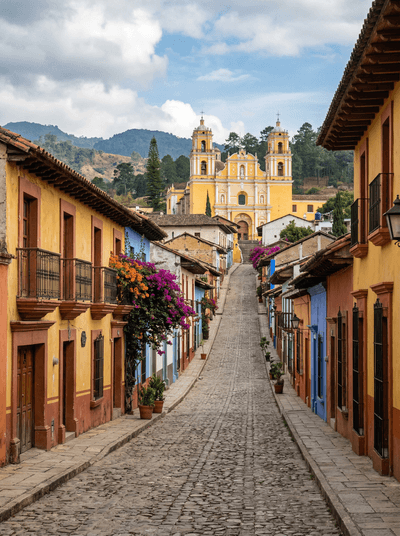
San Cristóbal de las Casas
Mexico
Highland mist curling through colonial arcades where Tzotzil women weave galaxies into cloth.
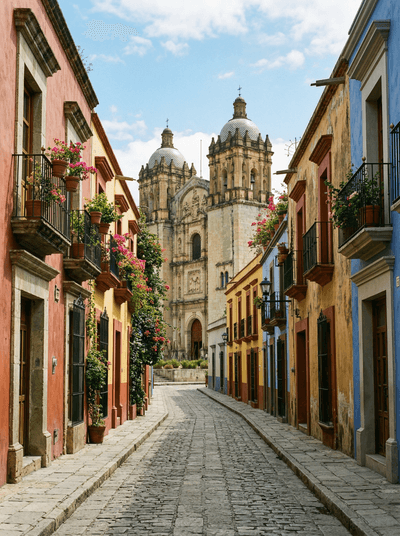
Oaxaca City
Mexico
Seven varieties of mole simmering in a city where every wall is an altar to colour.
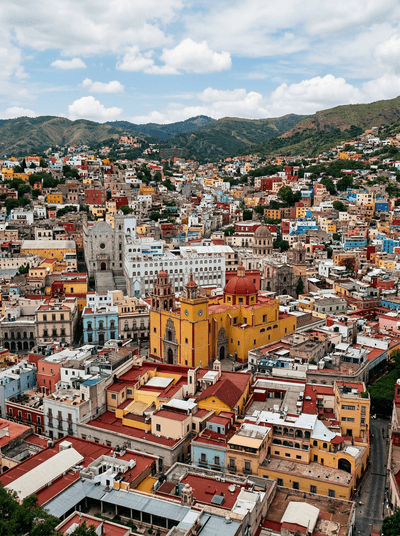
Guanajuato
Mexico
A city poured into a canyon, its houses stacked like a tumbled box of pastels.
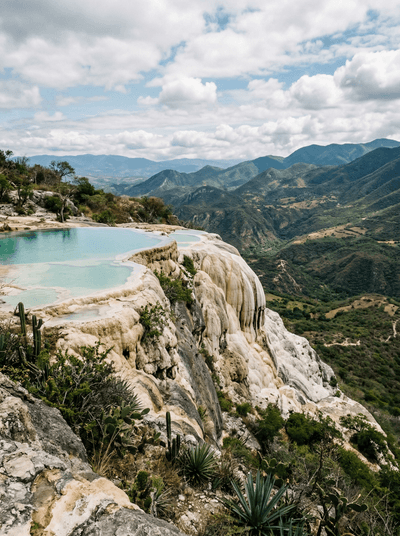
Hierve el Agua
Mexico
Petrified waterfalls frozen mid-cascade above a valley, their infinity pools warm and mineral-green.