Egypt
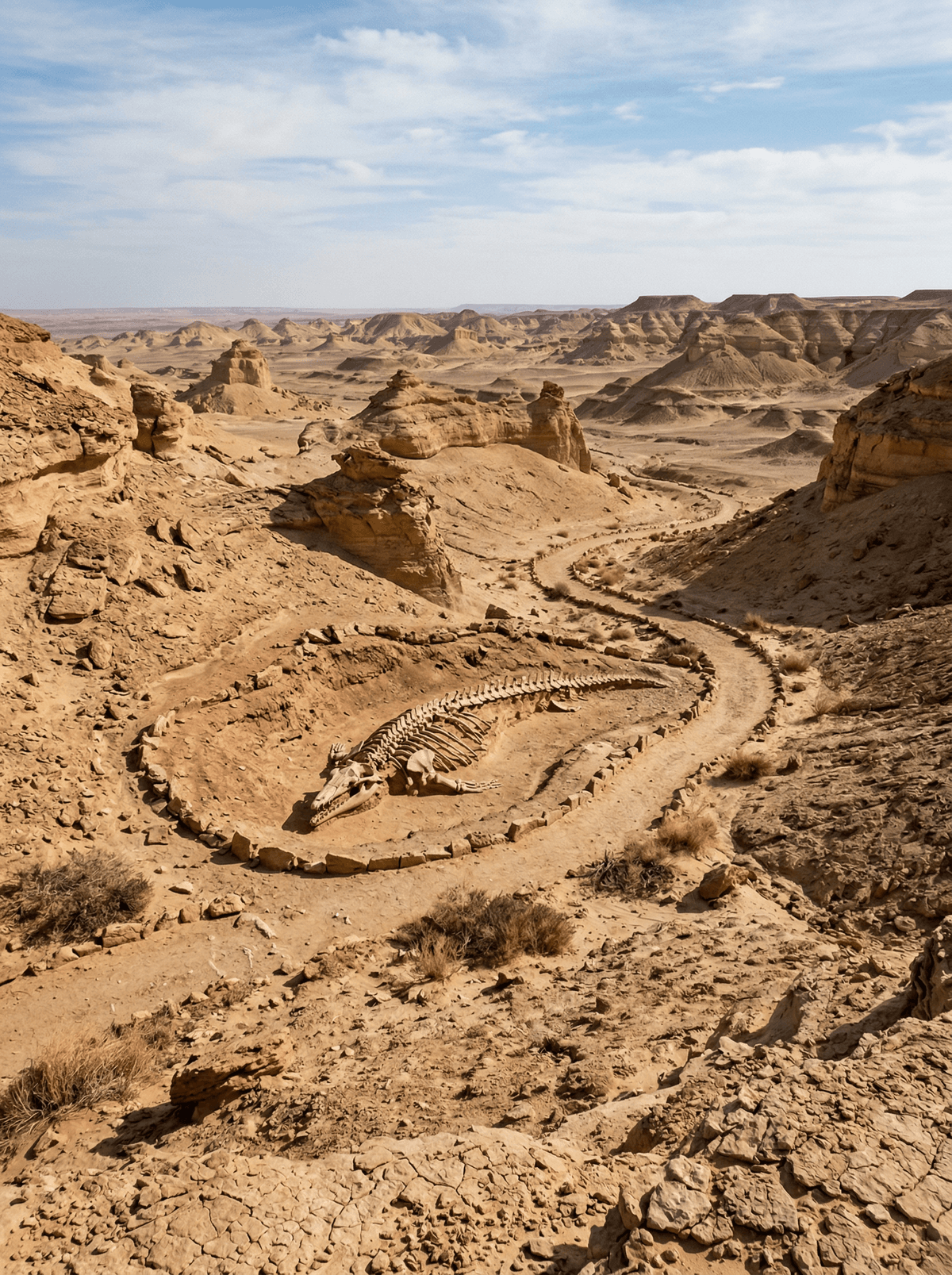
Wadi El-Hitan
Forty-million-year-old whale skeletons lying exposed in open desert where an ancient sea vanished.
Whale vertebrae lie exposed on the desert surface, bleached by forty million years of sun. Rib cages arc from the sand like the frames of ships that sank into solid earth. This was once the floor of the Tethys Sea, and the creatures that died here were proto-whales — Basilosaurus and Dorudon — caught in the evolutionary act of losing their legs.
Wadi El-Hitan — the Valley of the Whales — is a UNESCO World Heritage Site in Egypt's Fayoum Governorate, roughly 150 kilometres south-west of Cairo. The site contains the largest concentration of fossilised archaeocete whale skeletons in the world, many with vestigial hind limbs still attached, providing critical evidence of the transition from land mammals to modern cetaceans. An open-air museum with a boardwalk trail guides visitors past the most significant specimens, including a complete seventeen-metre Basilosaurus. The surrounding landscape is wind-carved sandstone desert, empty and silent, amplifying the strangeness of finding marine fossils in the Sahara. The site lies within the Wadi El-Rayan Protected Area, which also includes waterfalls, desert lakes, and sand dune habitats.
Solo
Walking among forty-million-year-old whale skeletons in open desert, with no sound except wind and no company except a guide, creates a solitude that borders on time travel. The overnight camp option — sleeping beside fossils under unpolluted sky — deepens the effect.
Couple
The sheer improbability of the site — whales in the Sahara — gives it a narrative power that stays in conversation long after the visit. Combine with the Fayoum lakes and waterfalls for a weekend that alternates between geological wonder and oasis tranquillity.
Family
Children who have seen whales on screens will be stopped cold by whale bones in the desert. The boardwalk trail is accessible, the museum provides context at child-friendly eye level, and the concept — the sea was here, and these creatures were becoming whales — ignites imaginations.
- Over 400 individual whale skeletons have been excavated here — the site documents the evolutionary transition from land mammal to whale in fossil form.
- Some Basilosaurus specimens retain fossilised fish inside their gut cavities, and skulls are displayed still containing their teeth.
- Boardwalked trails run between skeletons in the open air — the site is a UNESCO World Heritage Site with a small interpretation museum.
- The drive from Cairo takes 2.5 hours — combined with the Fayoum oasis, it makes a full-day trip accessible without overnight accommodation.
Pack a picnic from Fayoum's market: fresh bread, white cheese, dates, and guava for a desert lunch beside fossils.
Fayoum's duck restaurants serve slow-roasted whole duck with rice, a regional speciality worth the detour.
Desert camp meals of grilled chicken and roasted sweet potatoes under a sky unmarred by light pollution.
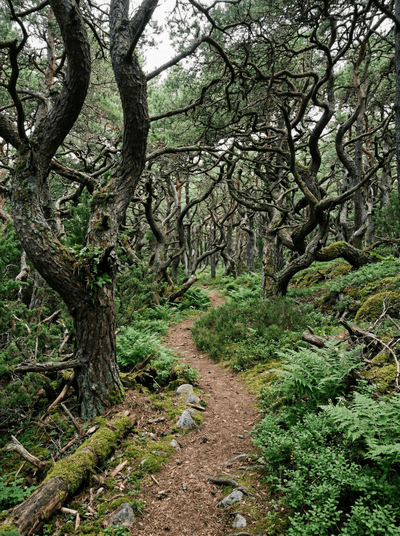
Trollskogen (Öland)
Sweden
A forest of wind-warped oaks so twisted they look like a witch's spell gone wrong.
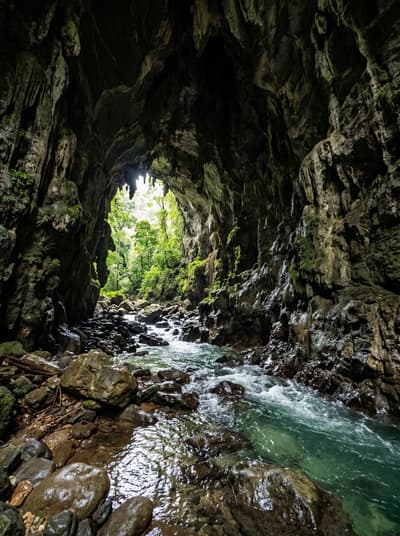
Millennium Cave
Vanuatu
Scramble through jungle and wade chest-deep rivers to a cave you enter walking and exit floating.

Maryang-ri
South Korea
A five-hundred-year-old forest of camellia trees bleeding red flowers against the grey winter sea.
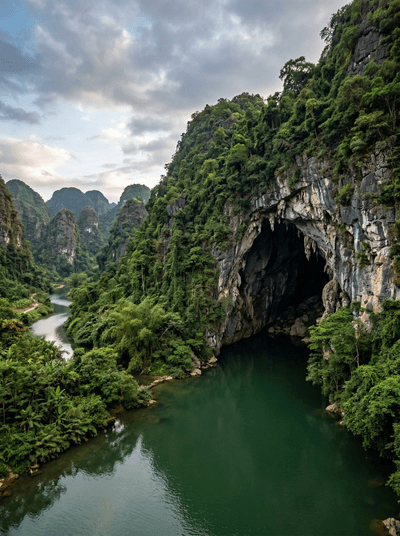
Phong Nha
Vietnam
Hidden jungle portals opening into subterranean river systems and limestone caverns.
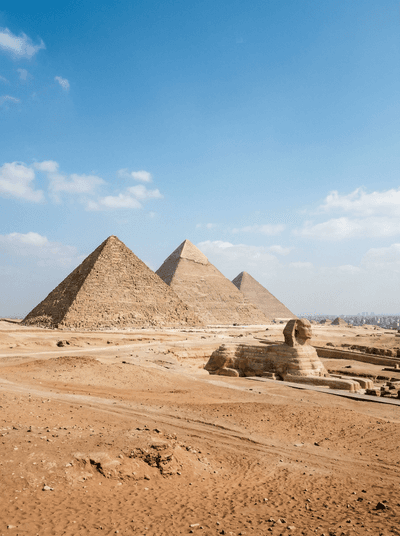
Giza
Egypt
Camel shadows stretch across sand where the last ancient wonder meets the Sahara's edge.
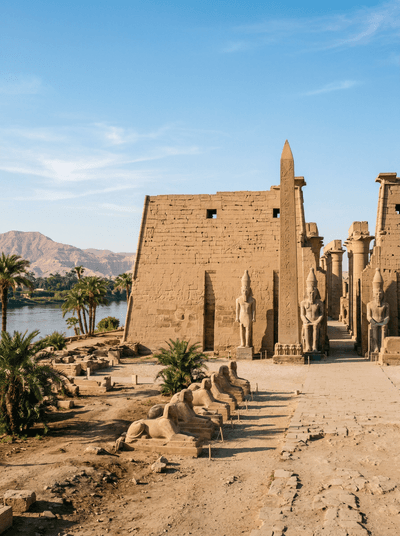
Luxor
Egypt
Dawn light flooding Karnak's hypostyle hall through columns carved before Rome existed.
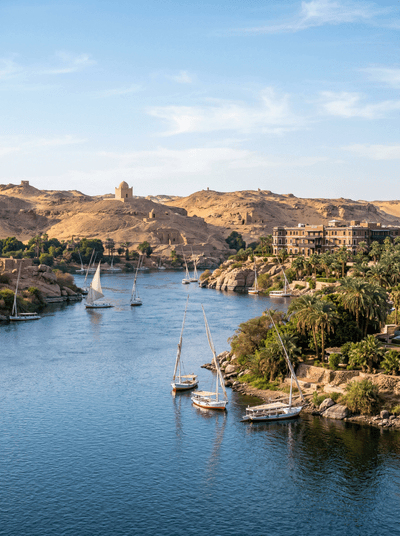
Aswan
Egypt
Feluccas gliding past granite islands where the Nile runs quietest and Nubian colour blazes.
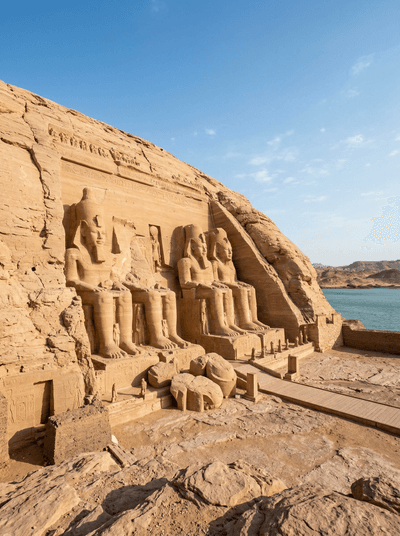
Abu Simbel
Egypt
Twice a year, dawn crawls sixty metres through solid rock to light a pharaoh's face.