Egypt
Luxor
Dawn light flooding Karnak's hypostyle hall through columns carved before Rome existed.
First light enters Karnak's Great Hypostyle Hall at a low angle, catching the reliefs on 134 columns and turning cold stone almost warm. Dust hangs in the shafts of sun. Across the Nile, the Valley of the Kings waits in shadow, its tombs sealed into cliffs that hold the heat of three millennia.
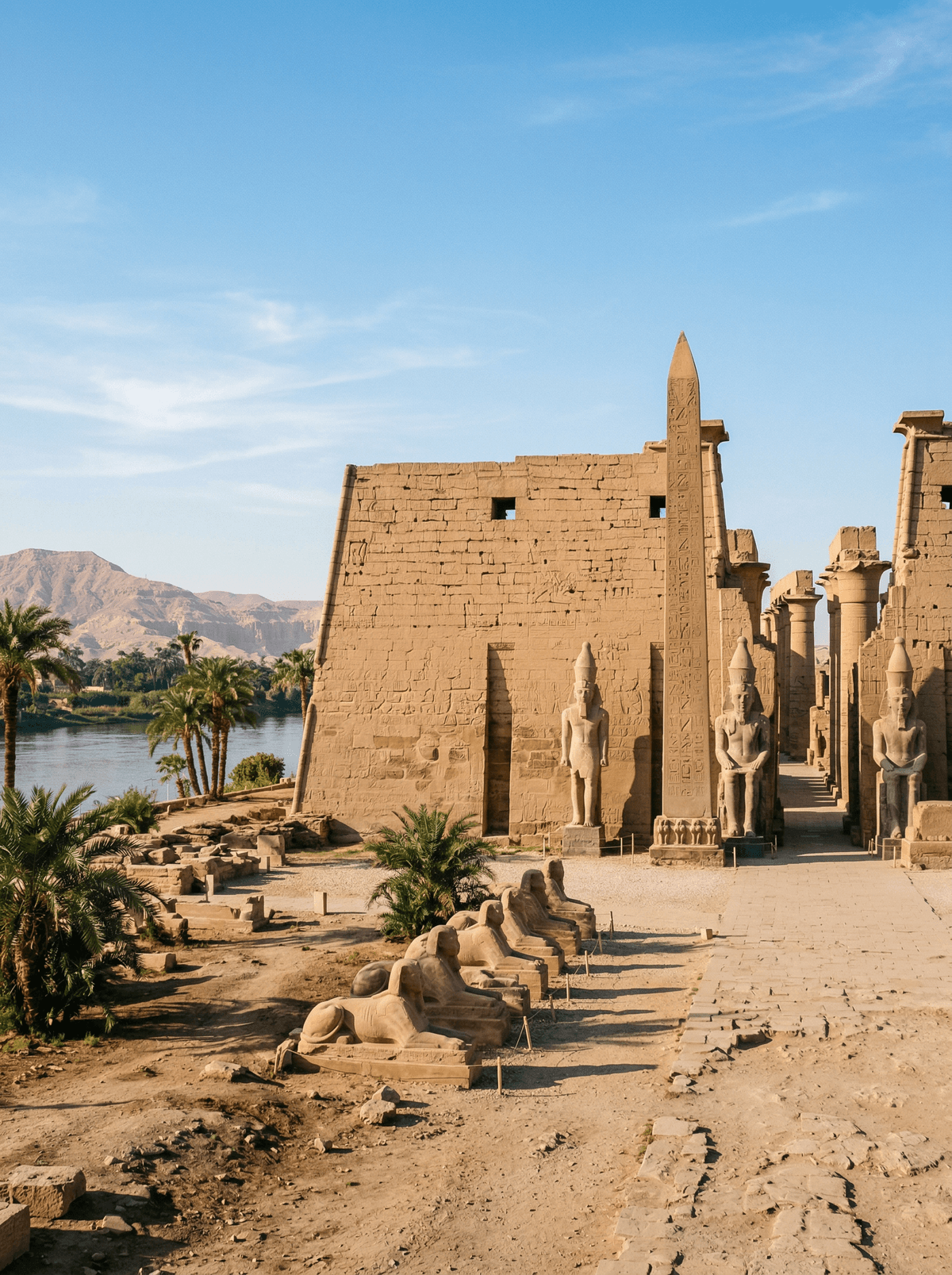
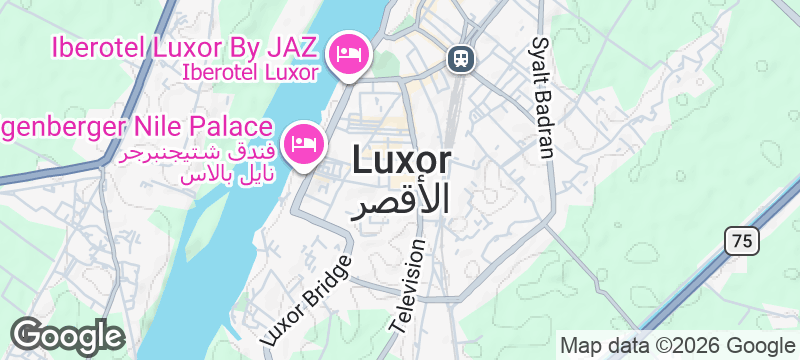
Luxor is ancient Thebes, Egypt's New Kingdom capital and arguably the greatest open-air museum on Earth. The East Bank holds Karnak — built and rebuilt by over thirty pharaohs across two thousand years, its ruins covering more than 200 acres — and Luxor Temple, joined to it by the restored three-kilometre avenue of sphinxes. The West Bank answers with the Valley of the Kings and its sixty-three royal tombs, Tutankhamun's among them, Hatshepsut's terraced mortuary temple at Deir el-Bahari, and the Colossi of Memnon standing guard over the road in.
Family
Give the children the balloon dawn and a three-tomb valley run, then save Karnak for the cool of evening.
- Karnak's Temple of Amun is the largest religious building ever raised — and walkable end to end in a morning.
- Hot-air balloons lift off the West Bank before sunrise and drift over the royal tombs in the half-light.
- The Valley of the Kings ticket admits three tombs of your choosing; the special tombs are priced on their own.
- The Winter Palace has hosted Agatha Christie and Howard Carter — the hotel of the tomb-hunting age.
At Sofra, in a restored house on Mohamed Farid Street, tagines and Daoud Basha meatballs come with cash-only house rules.
Ful from copper pots at dawn in the souq, cumin on top — and sugarcane juice pressed streetside through the winter.
Jaipur
India
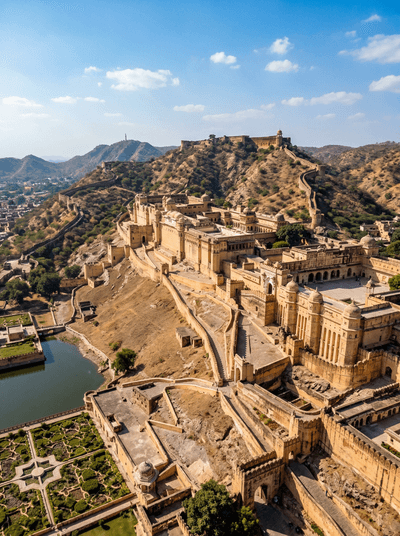
A city dyed terracotta pink where carved palace windows let women watch processions unseen.
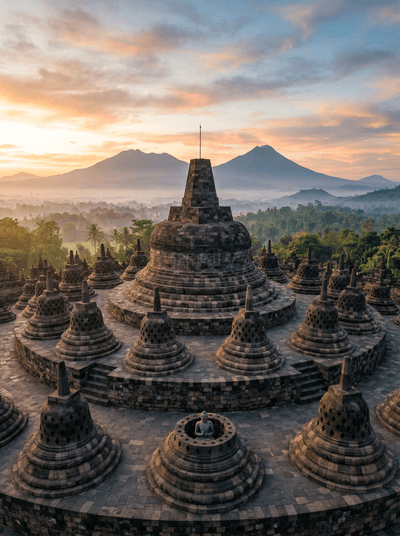
Borobudur
Indonesia
Buried under ash and jungle for centuries, the stone mandala came back.
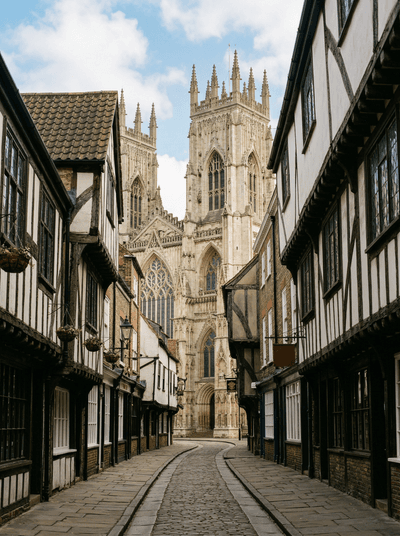
York
England
Viking streets and medieval snickelways where every alley hides a different century.
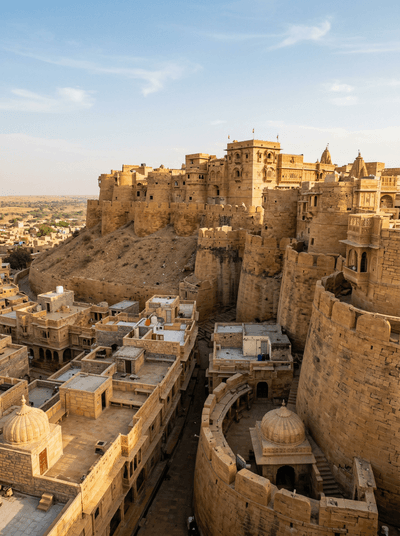
Jaisalmer
India
A living fortress carved entirely from golden sandstone rising like a mirage from the Thar.