Peru
Yarinacocha
An oxbow lagoon where Shipibo-Konibo artists carry a living geometry of design.
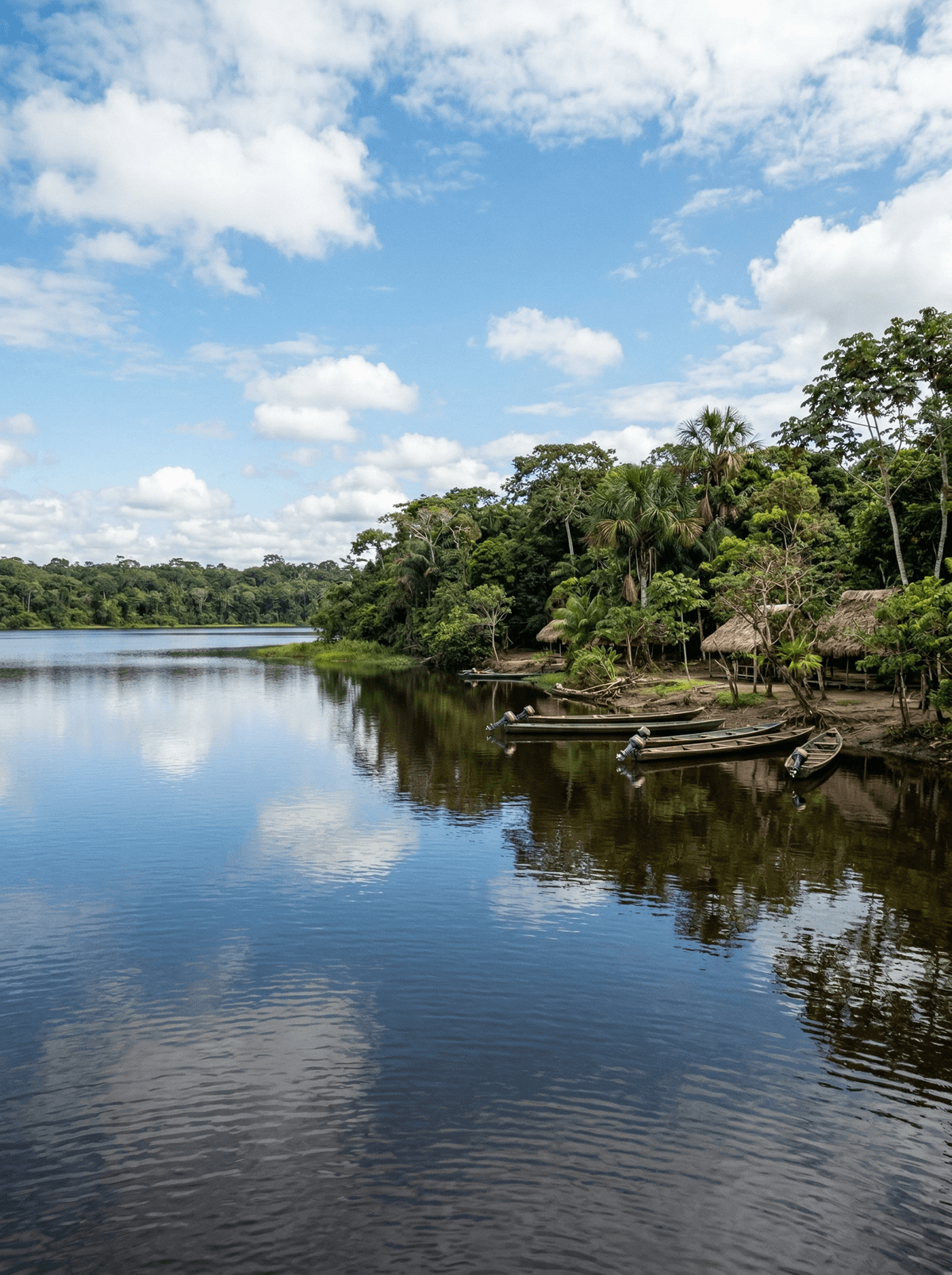
Warm, still water curves in a lazy crescent through the Ucayali lowlands, the surface broken by wooden canoe prows heading out from Pucallpa's edge. The air sits heavy with moisture and insect hum. In the shallows, giant Victoria amazonica lilies spread their metre-wide pads like green serving plates.
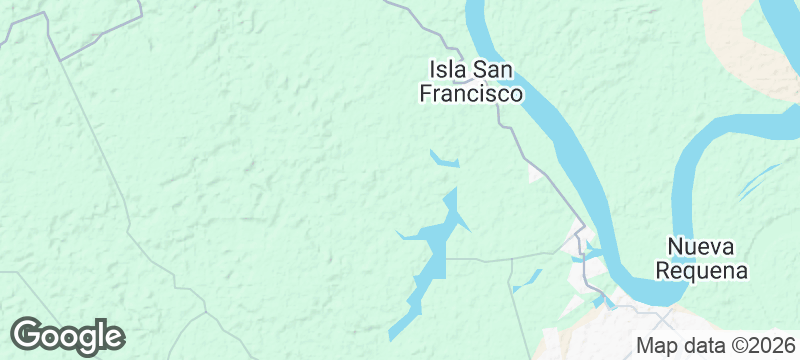
Yarinacocha is an oxbow lagoon left behind when the Ucayali shifted course — a broad, calm water world minutes from Pucallpa, working boats and lakeside kitchens along its shore. Its deepest draw is cultural: the Shipibo-Konibo communities here sustain kené, the intricate linear design system honoured as national cultural heritage, alive today in textiles, ceramics and contemporary art. The right visit runs through Indigenous-led enterprises — workshops where the artists set the terms, consent precedes photographs, and buying is direct — rather than through anyone's staged version of the culture. Between workshop and water: canoe crossings to road-free villages, patarashca grilling in bijao leaves, and evenings when the lagoon turns to hammered copper.
Solo
Locally led textile workshops and lake time reward the unhurried solo visitor who lets Shipibo-Konibo hosts define the exchange.
Couple
Calm water, warm evenings and artists at work make a quietly romantic counterpoint to Peru's highland circuit.
- Shipibo-Konibo kené design is living national heritage, made and sold by its own artists.
- The oxbow lagoon carries canoe traffic to villages no road reaches.
- Giant Victoria amazonica lilies spread metre-wide pads in the shallows.
- Pucallpa sits minutes away — remoteness of spirit without logistical pain.
Patarashca — fish sealed in bijao leaves and grilled over coals — at locally run lakeside kitchens.
Masato offered at community gatherings — accepted or declined with equal grace.
Dampier Peninsula
Australia
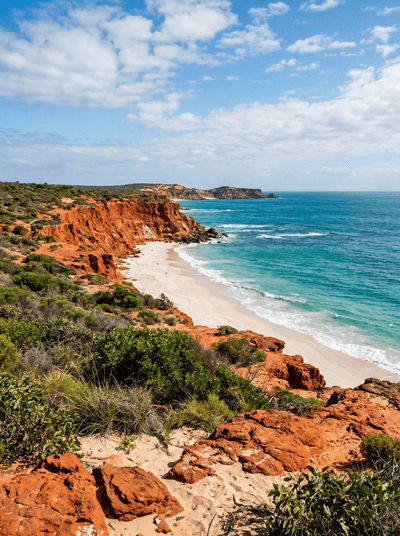
Red pindan falls into turquoise tide where Bardi Jawi guides read sea country.
Bafa Lake
Turkey
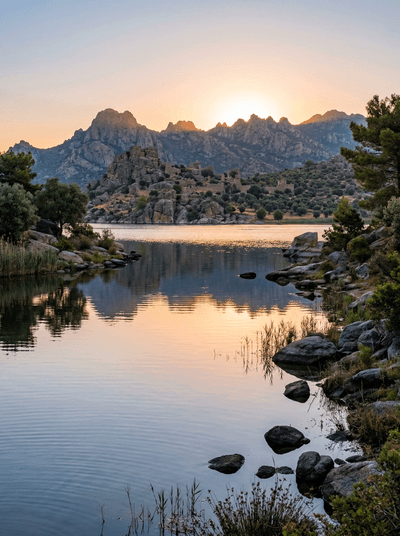
A Byzantine monastery on a boulder-strewn island in a lake that was once an Aegean inlet.
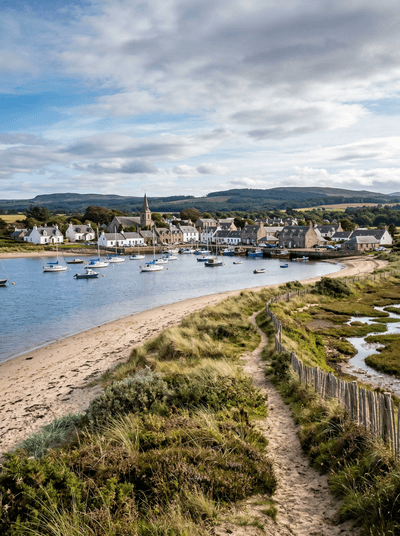
Findhorn
Scotland
Sand dunes hiding an ecovillage where forty-pound cabbages once grew from barren soil.
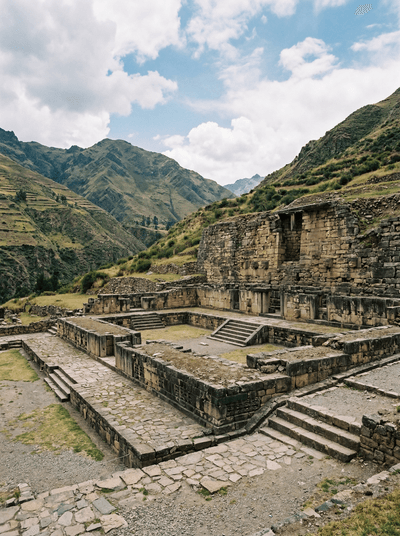
Chavín de Huántar
Peru
Underground galleries where a fanged god has waited in the dark for 3,000 years.
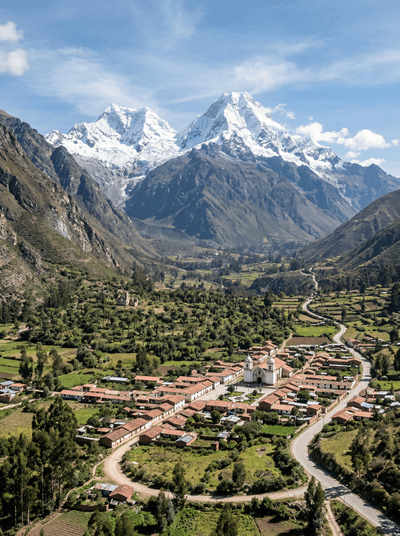
Yungay
Peru
A buried city marked by four palm tips piercing the debris that entombed it.
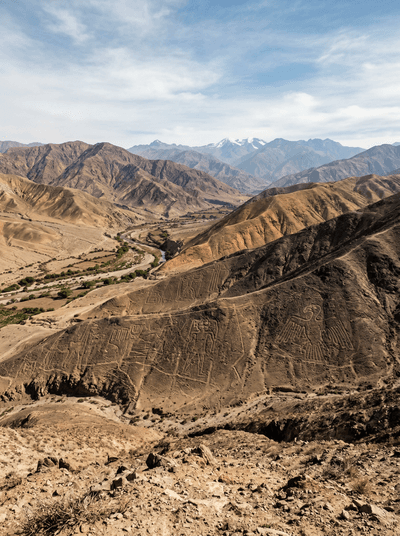
Palpa
Peru
Hillside geoglyphs with human faces, in a valley the tour planes ignore.
Tarma
Peru
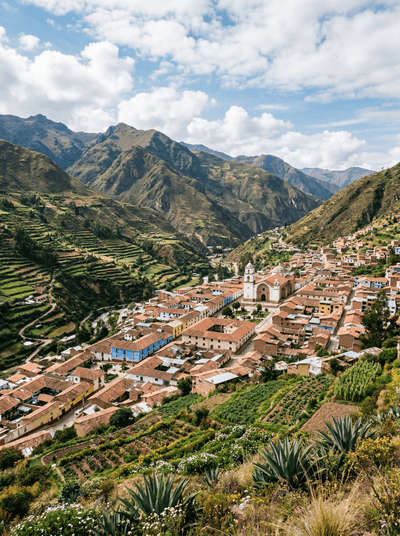
Streets carpeted in fresh flowers for Holy Week — a town redrawn in petals.