Peru
Chavín de Huántar
Underground galleries where a fanged god has waited in the dark for 3,000 years.
The gallery is dark — properly dark. You move by touch through cool, close stone until light falls on a carved pillar over four metres tall, its face a tangle of fangs, snakes and staring eyes. This is the Lanzón, the central deity of Chavín de Huántar, standing exactly where its makers planted it three thousand years ago.
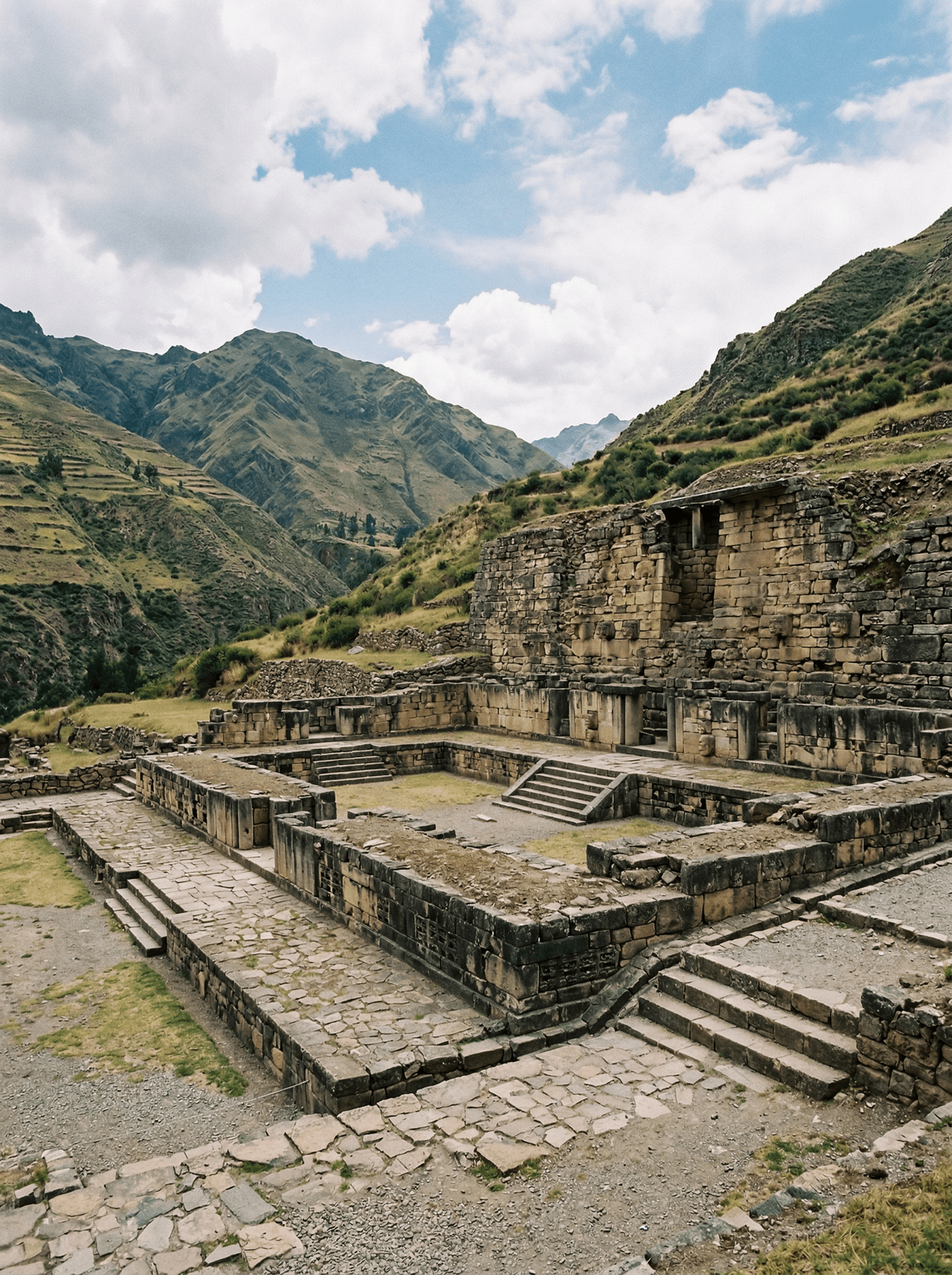
Chavín de Huántar is a UNESCO-listed ceremonial centre in the Áncash mountains, built and elaborated between roughly 1200 and 500 BCE by one of the Andes' earliest complex societies. Its genius is architectural theatre: stone-lined underground galleries, sunken plazas, and hydraulic channels whose engineered soundscapes archaeologists have studied in earnest — conch-shell trumpets were found here, and evidence points to San Pedro cactus in the rituals, sensation managed as deliberately as stone. At the heart stands the Lanzón, a 4.5-metre granite monolith in its original position at a crossing of passages. Conservation decides which interiors open at any time, and the site museum's carved heads and trumpets complete what the galleries begin. Huaraz lies three hours' drive across the Cordillera Blanca.
Solo
Entering the galleries alone — temperature dropping, sound changing, walls narrowing — is South America's most visceral archaeological encounter.
Couple
Descending into the dark and meeting the Lanzón together is genuine shared awe, with the Cordillera Blanca crossing as the day's scenic overture.
- The Lanzón monolith still stands in its original underground crossing after 3,000 years.
- Stone galleries and engineered acoustics staged ritual as sensory theatre.
- Conch trumpets and San Pedro evidence sketch the ceremonies archaeology can trace.
- Circular and square plazas and carved heads open the compressed passages back to the mountains.
Pachamanca — the earth-oven feast older than the Inca — done properly in the valley.
Valley cheese and honey on fresh bread before the drive back over the Blanca.
Jarlshof
Scotland
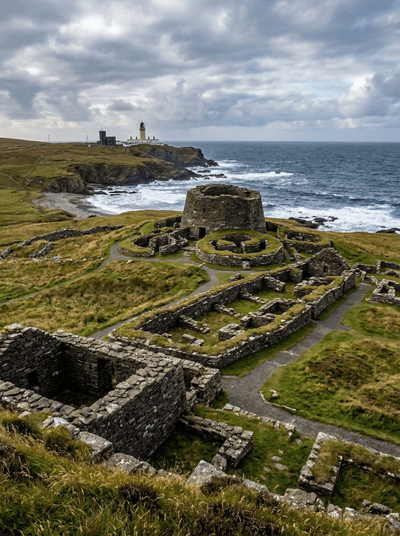
Four millennia of homes stacked on one headland — Bronze Age to Viking, layer upon layer.
Jabrin Castle
Oman
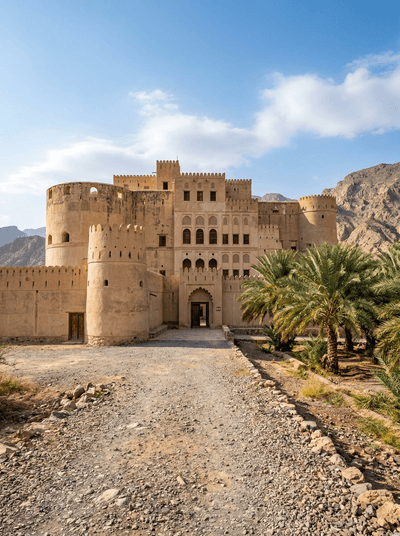
Astronomy and law were taught under painted ceilings, the finest fort interiors in Oman.
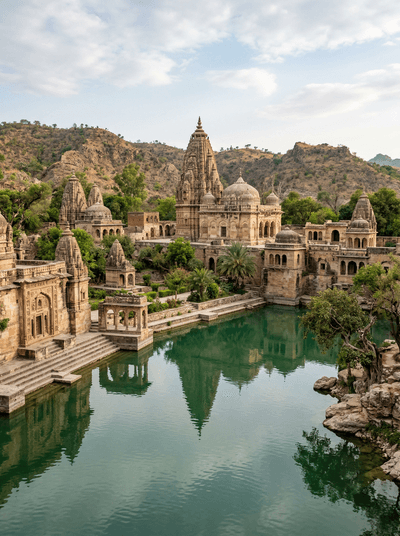
Katas Raj Temples
Pakistan
Hindu temples circling a sacred pool that Shiva's tears allegedly filled, still worshipped in Muslim Pakistan.
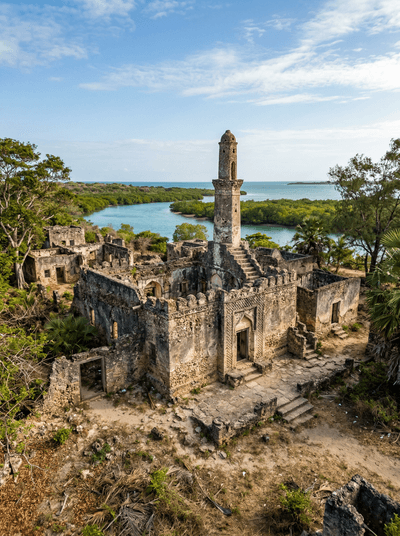
Takwa Ruins
Kenya
A Swahili ghost town in Manda Island's mangroves — its mosque still oriented toward Mecca.
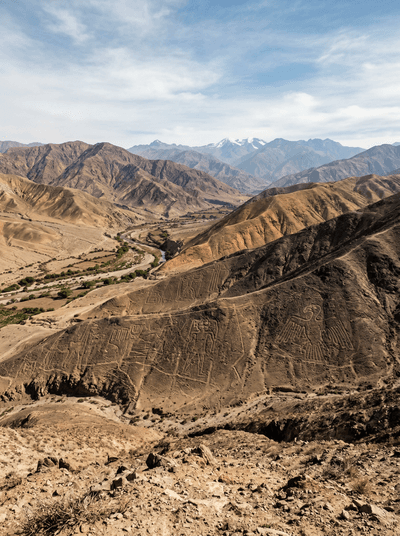
Palpa
Peru
Hillside geoglyphs with human faces, in a valley the tour planes ignore.
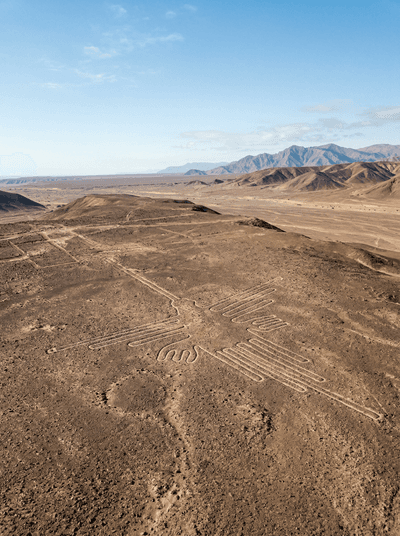
Nazca
Peru
Ancient figures etched so large across the desert they resolve only from above.
Taquile Island
Peru
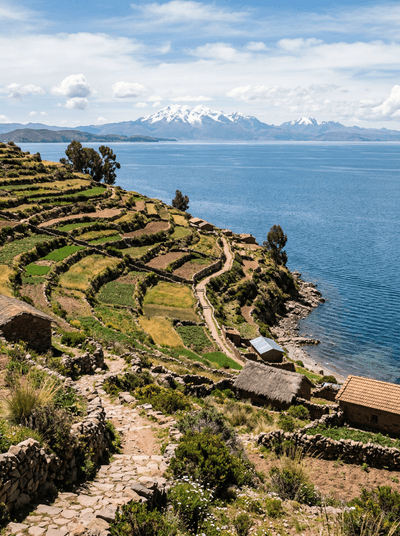
An island where the men knit, and the knitting is UNESCO-listed art.
Cumbemayo
Peru
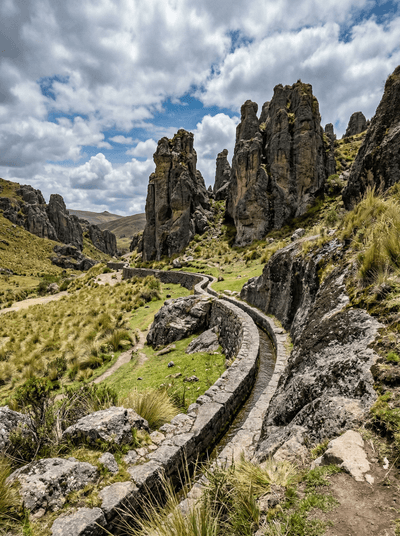
Pre-Inca aqueducts carved through living rock — still channelling water after millennia.