Pakistan
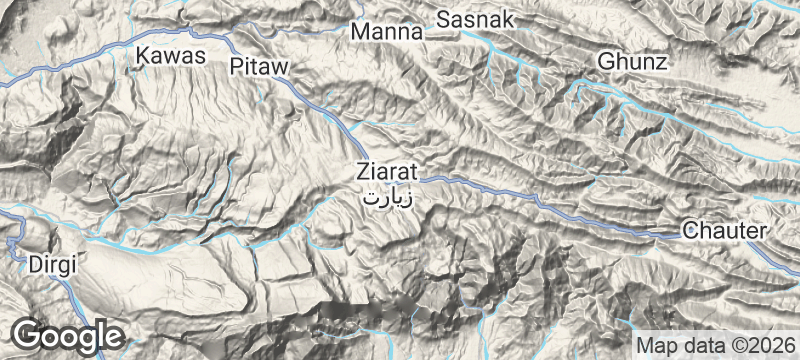
Ziarat
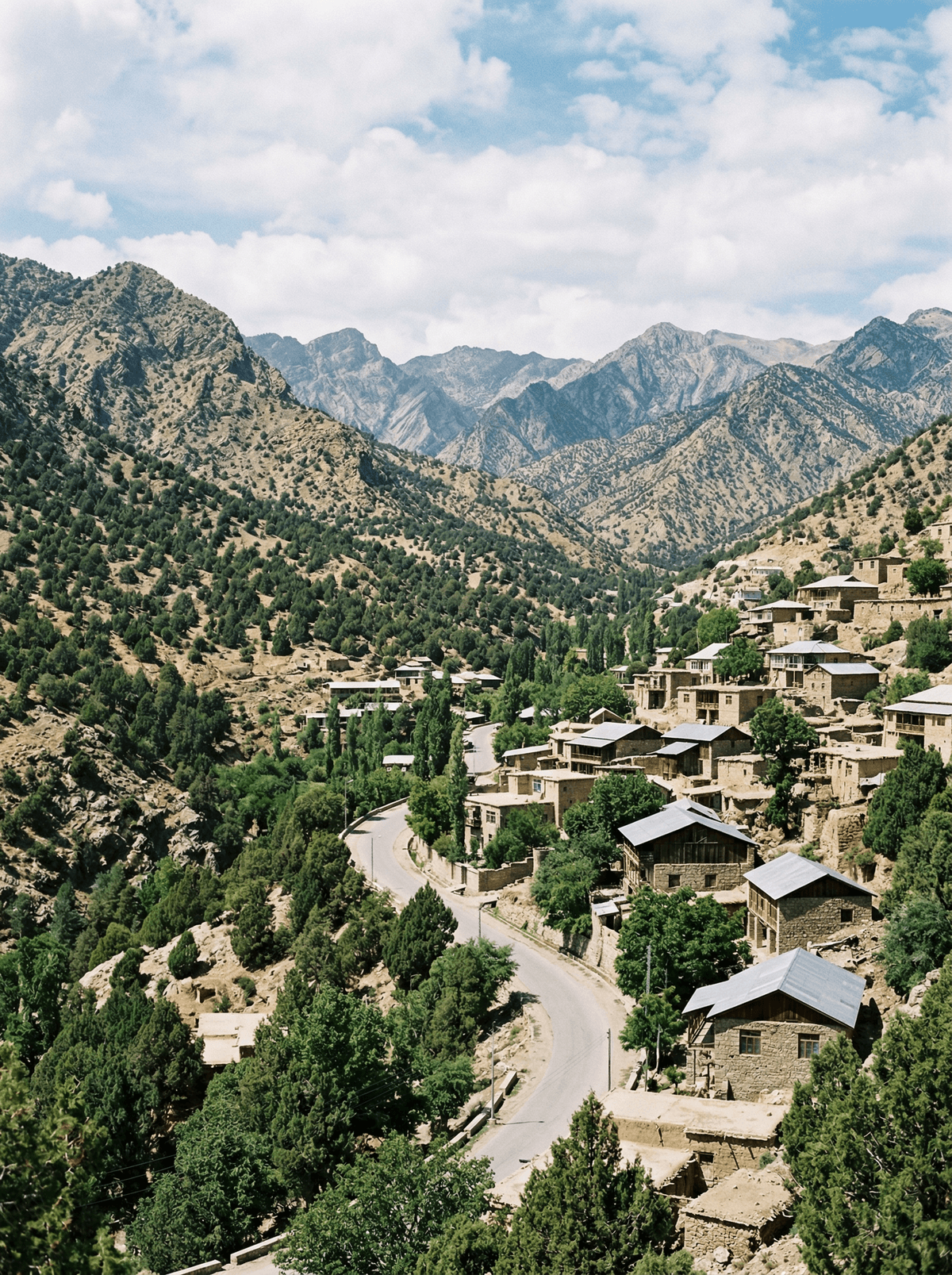
The world's second-largest juniper forest — trees older than Rome twisting through Balochistan's parched hills.
The air thins and sweetens as you climb into Balochistan's Ziarat valley, where ancient juniper trunks twist like wrung rope through dry stone hillsides. Resin sharpens every breath. The silence here is geological — the kind that accumulates over millennia in mountains too remote to be disturbed.
Ziarat is home to the Juniper Forest, the second-largest of its kind on Earth and a UNESCO Tentative List site. Some individual trees are estimated at over 5,000 years old, predating the founding of Rome. The forest covers the arid Zarghun hills of northern Balochistan at elevations between 2,000 and 2,500 metres, creating an improbable canopy in an otherwise parched landscape. The Quaid-e-Azam Residency — where Pakistan's founder Muhammad Ali Jinnah spent his final days in 1948 — sits at the valley's edge, now a memorial museum. The town itself is small and unhurried, a Pashtun hill station where the main activity is walking slowly beneath trees that were saplings when the pharaohs ruled.
Solo
Walking alone beneath 5,000-year-old junipers, the only sounds your footsteps and birdsong — this is solitude distilled to its essence. The pace of Ziarat asks nothing of you except presence.
Couple
The quiet seclusion of a hill station where the evening ritual is sajji by firelight and green tea with cardamom. No crowds, no rush — just ancient trees and the cool Balochistan air.
- The juniper forest around Ziarat contains trees estimated between 5,000 and 7,000 years old — some predating the Bronze Age civilisations of the Indus Valley.
- The town sits at 2,449 metres in the Brahui-speaking highlands of Balochistan, where summer temperatures are 15°C cooler than Quetta below.
- Mohammad Ali Jinnah spent his final weeks in Ziarat's colonial-era Residency in 1948, making the building a significant site for Pakistani national identity.
- Walking trails through the juniper woodland take you between trees so wide and gnarled they are almost unrecognisable as the same species as their younger counterparts.
Sajji — whole lamb slow-roasted over coals, the Baloch speciality perfected in these hills.
Kaak bread baked on hot stones — dense, satisfying, and ancient.
Green tea with cardamom and desert honey from the nearby bazaar.
Trollskogen (Öland)
Sweden
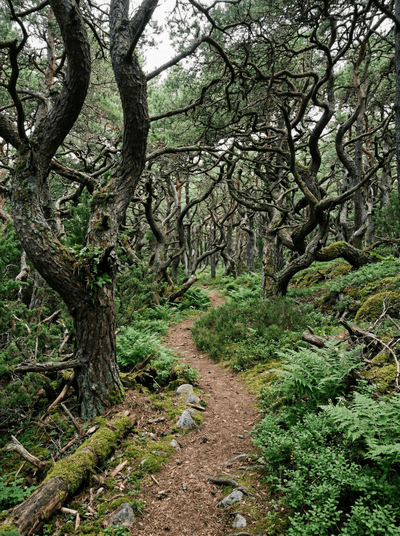
A forest of wind-warped oaks so twisted they look like a witch's spell gone wrong.
Millennium Cave
Vanuatu
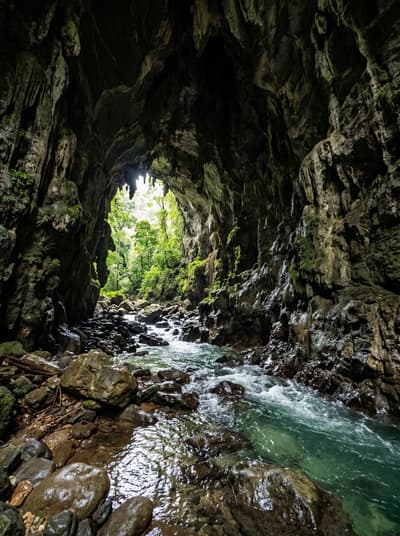
Scramble through jungle and wade chest-deep rivers to a cave you enter walking and exit floating.
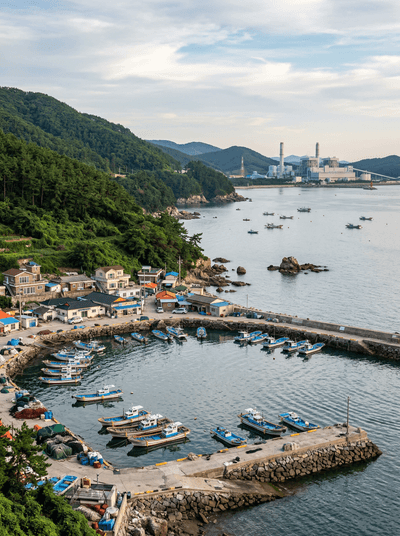
Maryang-ri
South Korea
A five-hundred-year-old forest of camellia trees bleeding red flowers against the grey winter sea.
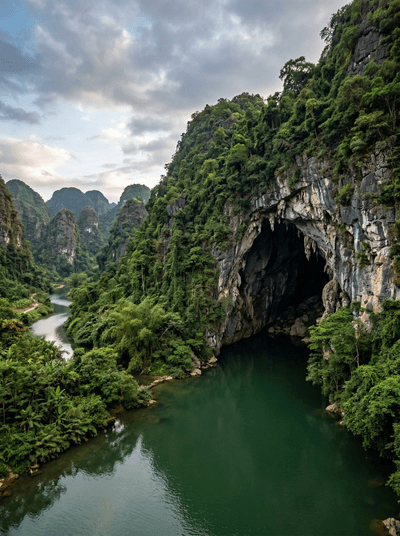
Phong Nha
Vietnam
Hidden jungle portals opening into subterranean river systems and limestone caverns.
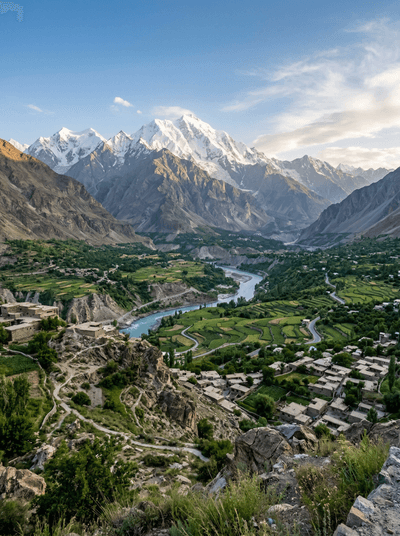
Hunza Valley
Pakistan
Apricot orchards cascading down terraces where three of Earth's mightiest mountain ranges collide.
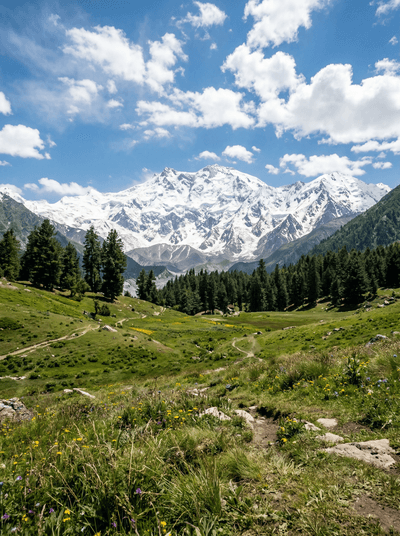
Fairy Meadows
Pakistan
A wildflower carpet at 3,300 metres where Nanga Parbat's killer face fills the entire sky.
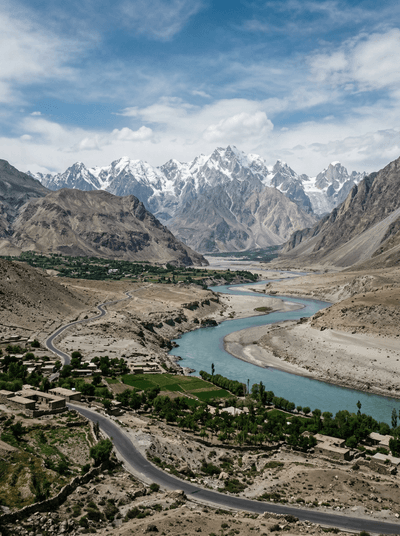
Skardu
Pakistan
Sand dunes and glacial lakes sharing the same valley floor beneath Karakoram granite walls.
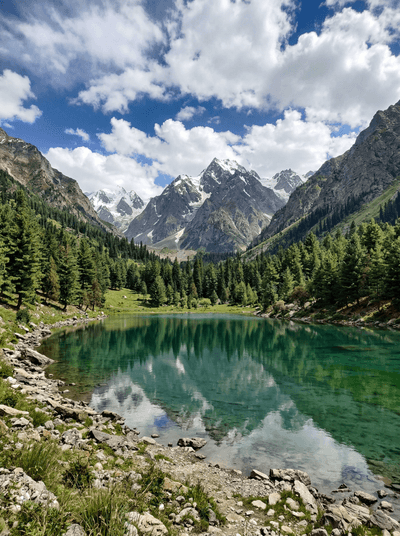
Naltar Valley
Pakistan
Three lakes cycling through turquoise, emerald, and sapphire depending on the angle of light.