Morocco
Ait Benhaddou
One man who lives here has been in ten films, because crews keep casting the village.
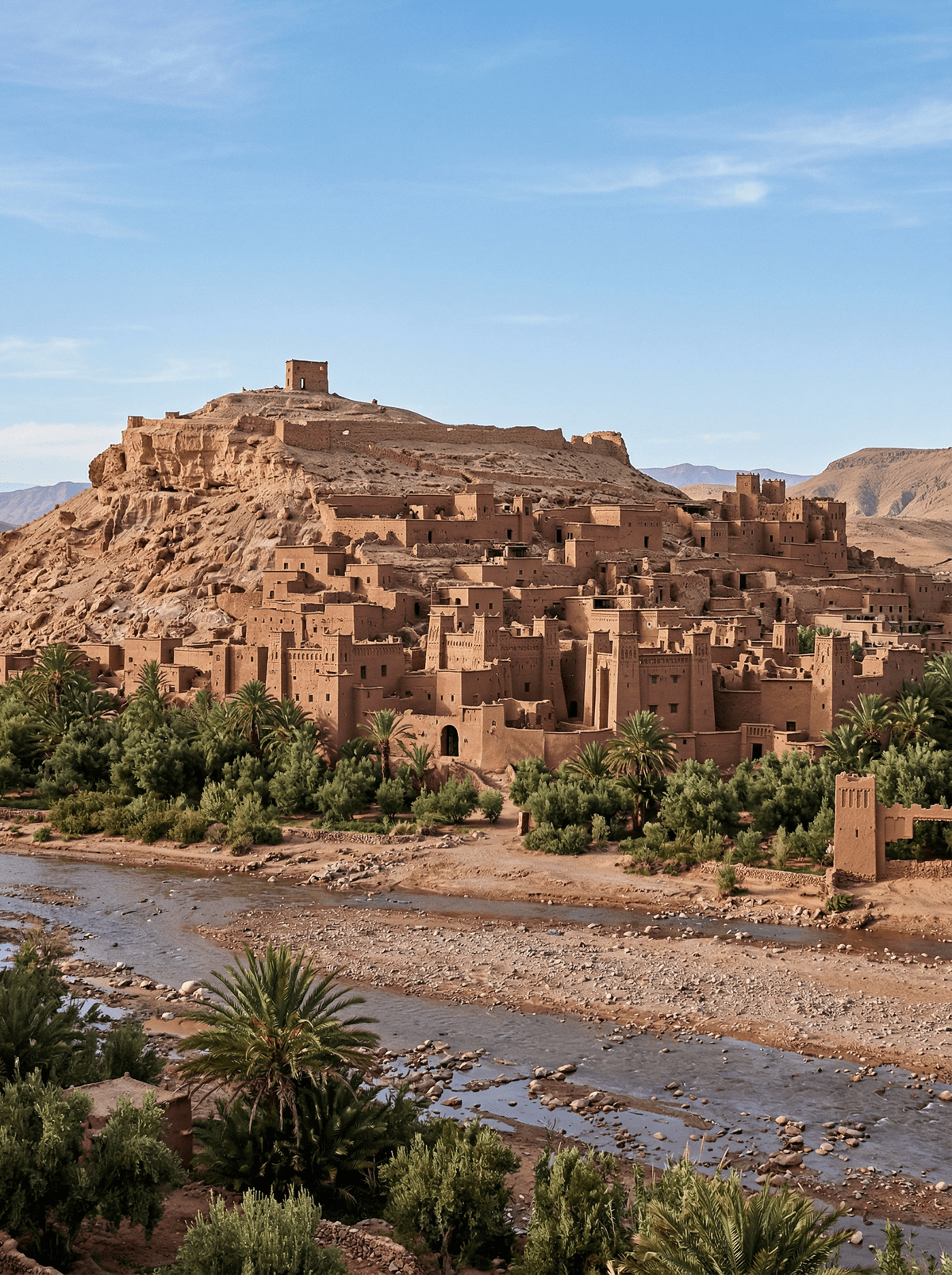
Ait Benhaddou is a ksar, a fortified village of packed earth, stacked up one side of a hill in the Ounila valley until it runs out of hill and turns into a communal granary. The colour is the colour of the ground it was dug from, so at midday the whole thing almost disappears into the slope behind it, and at the ends of the day it separates out again in red.
Earth architecture survives by being remade: repair, replastering and daily use are how the ksar has outlasted the caravan trade that built it. UNESCO inscribed it in 1987, and it had already worked as a film set for decades: Lawrence of Arabia in 1962, Game of Thrones, and in 2023 the wooden skeleton of a gladiators' arena going up in a fenced field alongside. The people who live here are cast as extras often enough that one of them counts ten films. Midday fills the alleys between the crafts stalls, while the deeper experience comes from staying long enough to watch the earthen walls change colour twice between afternoon and dark.
Solo
Climb early for cool lanes and clear light. The granary at the top opens the Ounila valley below before the midday rhythm gathers.
Couple
Stay the night on the modern side of the river instead of making it a day trip. The ksar changes colour twice between late afternoon and dark, and almost nobody who arrives at eleven sees either of them.
Family
The river crossing, hill fortress and summit granary give children a complete adventure in a compact climb. Film history adds a second thread for older ones.
- UNESCO has inscribed the ksar since 1987, for the preservation of Moroccan earthen architecture.
- Its packed-earth houses climb the hillside to a communal cereal granary built at the very summit.
- Film crews have worked here from Lawrence of Arabia in 1962 to a Gladiator II arena raised beside the site in 2023, casting villagers as extras.
- The Ounila Valley road places the ksar within a compact circuit of earthen villages and film landscapes.
Tagines come out smoking in the lanes below the ksar, and the same kitchens now set pumpkin soup beside them for the groups arriving from China.
Dates and rose water are what this stretch of valley grows and sells, and both are better eaten here than carried home.
Cajamarca
Peru
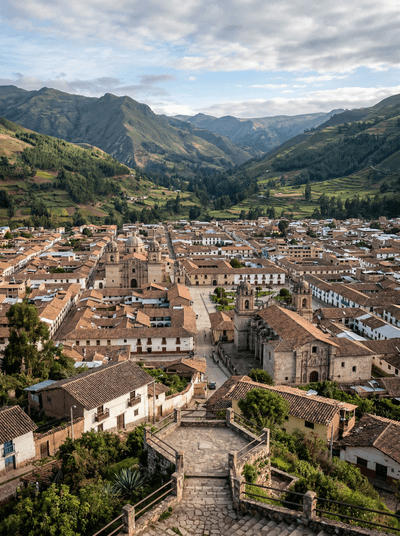
The stone room where the last Inca emperor offered to fill the walls with gold.
San Ignacio Miní
Argentina
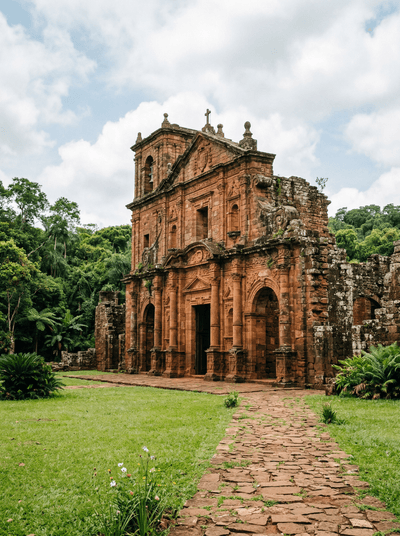
Jungle-wrapped Jesuit ruins where Guaraní played baroque beneath a howler-monkey canopy.
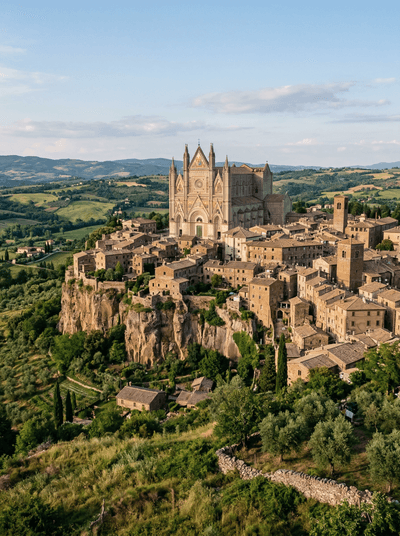
Orvieto
Italy
A city balanced on volcanic tufa, its underground carved into Etruscan tombs and medieval wells.
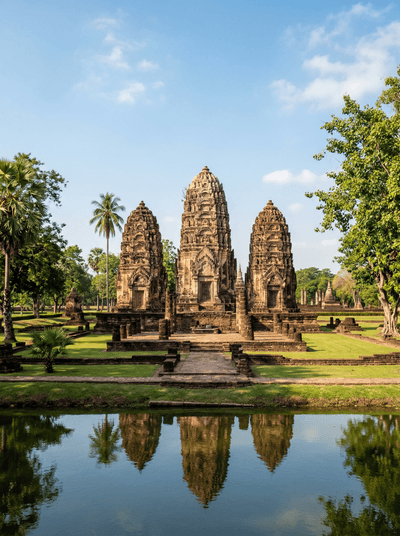
Sukhothai
Thailand
Cycling through lotus ponds and brick stupas where Thailand's first capital crumbles into dust.
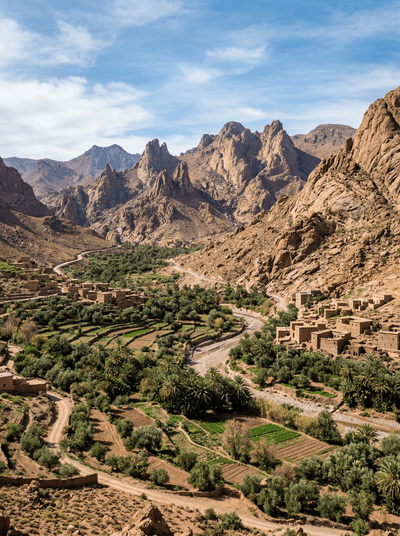
Ameln Valley
Morocco
Ochre villages disappear into Jbel Lekst while almond blossom clouds the valley floor.
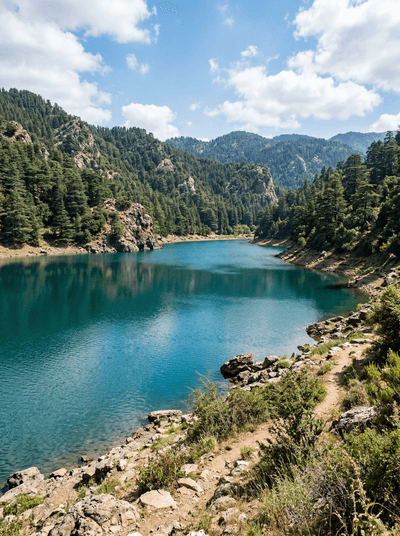
Aguelmame Azigza
Morocco
A blue-green lake fills a limestone bowl where cedar forest comes down to the water.
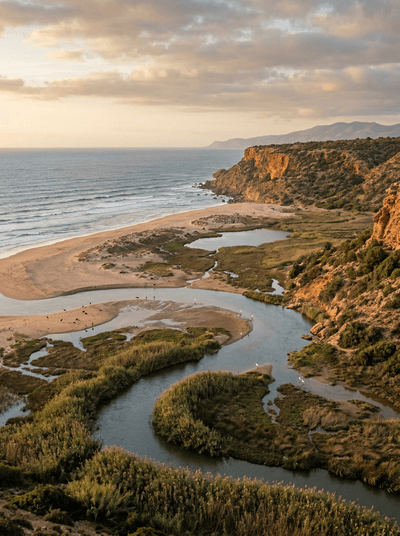
Souss-Massa National Park
Morocco
Red-faced ibises lift from Atlantic cliffs while migrants crowd a desert-edge estuary.
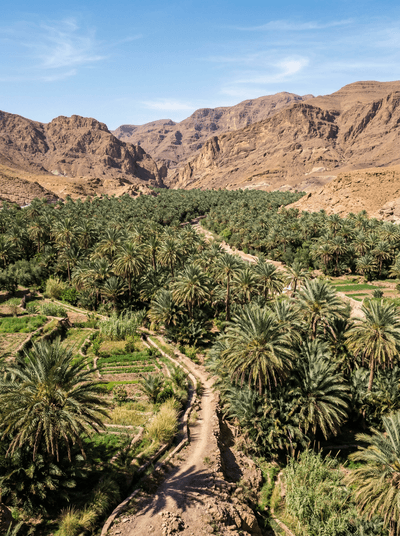
Tata Palm Groves
Morocco
Elephants and rhinoceroses survive in stone beyond Tata's living palm shade.