Argentina
San Ignacio Miní
Jungle-wrapped Jesuit ruins where Guaraní played baroque beneath a howler-monkey canopy.
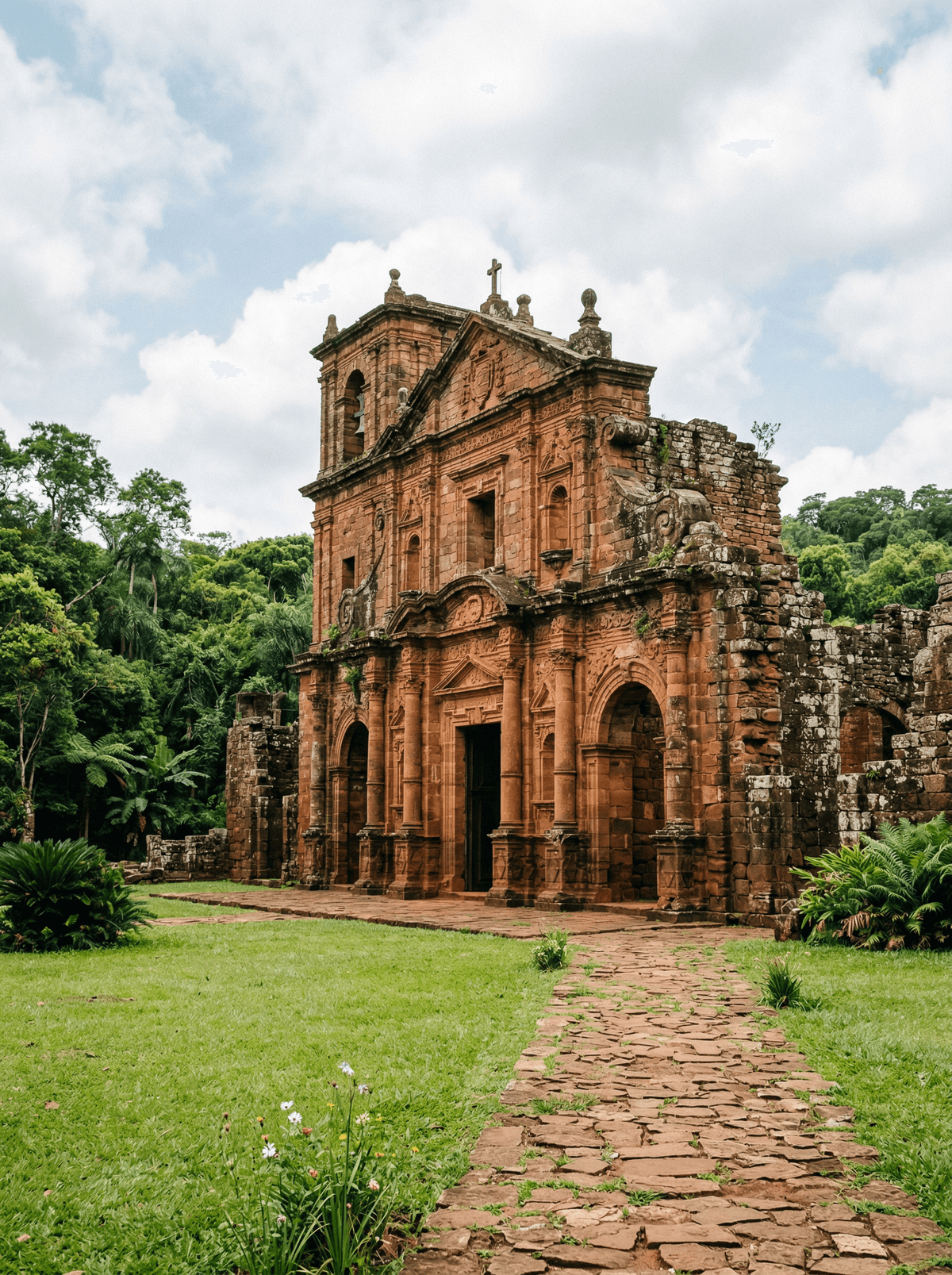
The Jesuit reduction of San Ignacio Miní was completed in 1696, abandoned when Spain expelled the Jesuits in the 1760s, and swallowed by the Atlantic Forest for more than a century before the first surveys began. What they found — and what stands today — is the most completely preserved of Argentina's missions: carved sandstone doorways in the jungle heat, howler monkeys calling across the plaza at dawn.
UNESCO listed San Ignacio Miní in 1984, jointly with its sister reductions across Argentina and Brazil, as the finest surviving evidence of the Jesuit–Guaraní experiment. At its height the mission housed some three thousand Guaraní in a planned settlement with library, school and hospital, and the craftsmen it trained turned European baroque into a hybrid aesthetic unique to the Americas — readable still in the carved façades. The ruins cover four hectares of plaza, church, priests' quarters and Guaraní residential blocks, stabilised since the 1940s. Around it, Misiones keeps the largest living Guaraní presence in Argentina — this is heritage with descendants, not a closed chapter.
Solo
Reading the carved doorways slowly — European saints, Guaraní flora, the grammar of two worlds negotiating — rewards the solo visitor who arrives at opening ahead of heat and buses.
Couple
The ruins at dusk, howlers starting up in the canopy and the sandstone holding the day's warmth, carry a melancholy grandeur built for two.
Family
Children take to the site's scale and story — a jungle city built, abandoned and swallowed — and the howlers in the canopy turn history into adventure.
- The jungle held the abandoned mission for more than a hundred years before excavation began.
- Howler monkeys call across the ruins from the canopy at dawn and dusk.
- Three thousand Guaraní lived here in a planned city with library, school and hospital.
- Misiones keeps Argentina's largest living Guaraní presence — heritage with descendants, not a closed chapter.
River fish — surubí and dorado — grilled at a roadside parrilla in the Misiones heat.
Mate and chipá shared in the shade of the mission ruins, the jungle humming around you.
Orkney
Scotland
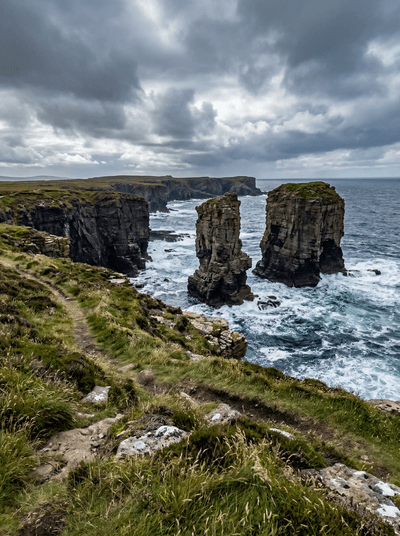
Neolithic villages older than the pyramids emerge from windswept farmland beside a Viking cathedral.
Sukhothai
Thailand
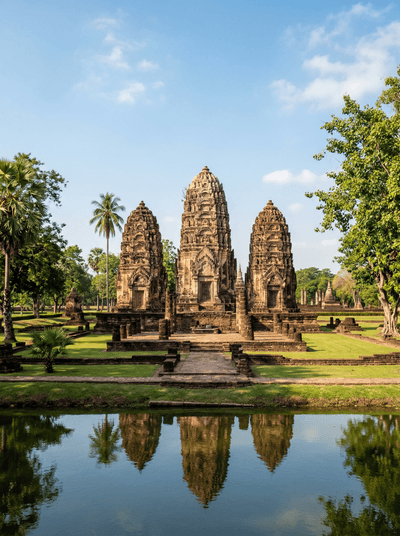
Cycling through lotus ponds and brick stupas where Thailand's first capital crumbles into dust.
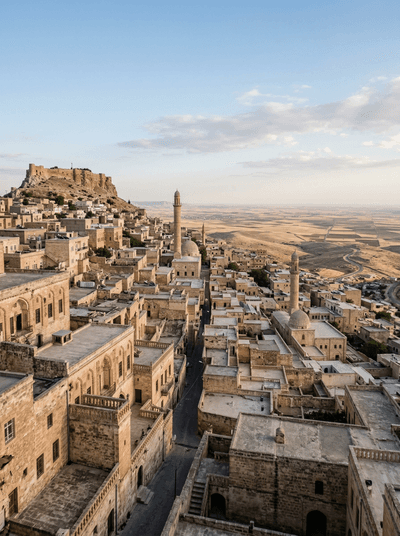
Mardin
Turkey
Honey-coloured stone houses cascade down a hill overlooking the flat Mesopotamian plain stretching to Syria.
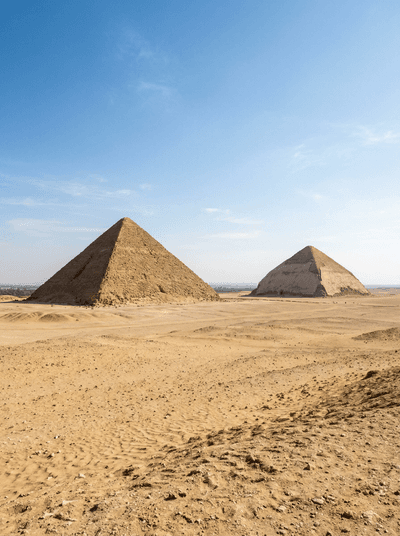
Dahshur
Egypt
Two experimental pyramids alone in empty desert — one bent, one red, hardly a visitor.
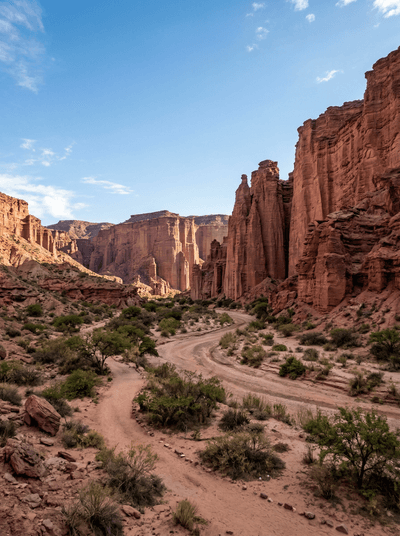
Parque Nacional Talampaya
Argentina
Red sandstone canyons where condors nest above dinosaur-age trackways in the riverbed.
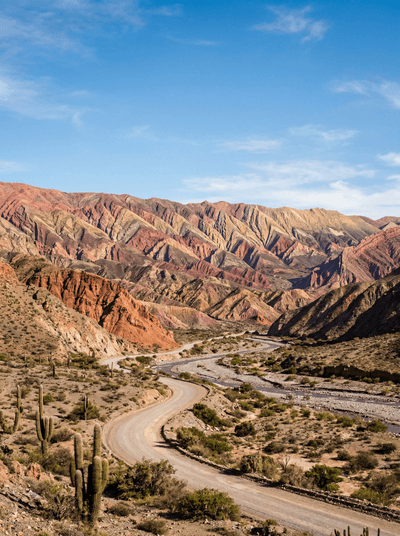
Quebrada de Humahuaca
Argentina
A canyon of painted strata where Andean trade routes thread villages older than the conquest.
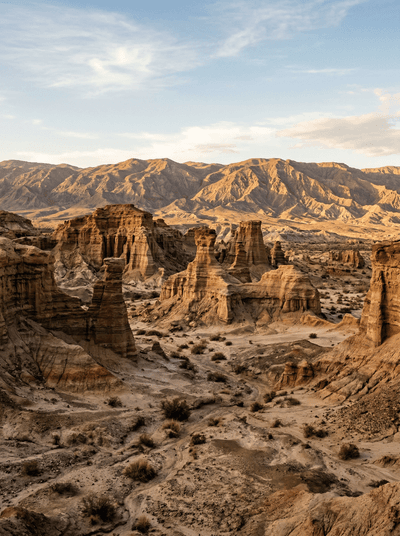
Ischigualasto
Argentina
A moonscape where the dinosaur age begins — bones in grey clay, stone spheres underfoot.
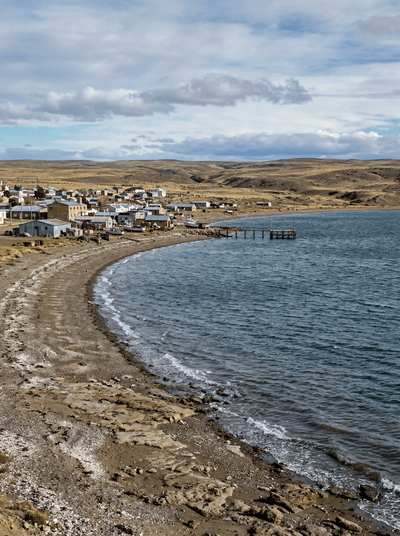
Puerto San Julián
Argentina
The bay where Magellan's crew mutinied in 1520, now patrolled by Commerson's dolphins.