
United Arab Emirates
Ras Al Khor Wildlife Sanctuary
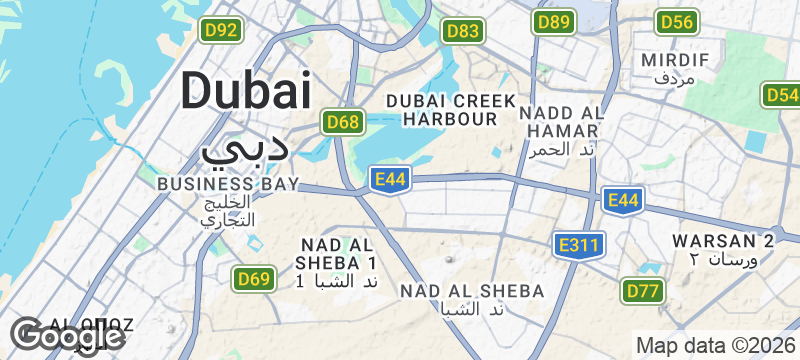
Flamingos feeding on salt flats while Dubai's skyscrapers shimmer behind them like a mirage.
Pink against glass: hundreds of greater flamingos sift the brine with curved bills while the Burj Khalifa wavers in the heat haze behind them. Inside the wooden hide the only sound is wet beaks working the mud, fifteen minutes from Downtown.
Ras Al Khor means head of the creek, and that is exactly what it is: roughly 1,300 hectares of lagoon, mudflat and mangrove where Dubai Creek runs out of city. It became the UAE's first wetland recognised under the Ramsar Convention in 2007, and the numbers justify the title: around 470 animal species use the sanctuary, more than 3,000 greater flamingos have been counted on the flats, and in winter over 20,000 waterbirds of 67 species stage here on the flyway between East Africa and West Asia. Wooden hides on the sanctuary's fenced edge hold telescopes and no more than fifteen visitors at a time, which keeps even a busy morning quiet. The spectacle is the collision of contexts, wild birds in their thousands feeding against the tallest skyline on Earth, and the cooler months deliver it at full strength.
Solo
Arrive when the hides open and take the telescope unhurried; a flamingo flock against the towers is the strangest, calmest hour Dubai offers.
Couple
A slow morning at the hide costs nothing but attention and beats any observation deck: thousands of birds, one skyline, no queue.
Family
Children get flamingos within telescope range minutes after leaving the car, and the fifteen-person hide limit keeps the watching calm; whisper and they stay.
- More than 3,000 greater flamingos have been counted feeding on the mudflats, framed by Downtown Dubai's towers.
- The wetland became the UAE's first Ramsar-recognised site in 2007 and supports over 20,000 wintering waterbirds of 67 species.
- Around 470 animal species use roughly 1,300 hectares of lagoon, mudflat and mangrove at the head of Dubai Creek.
- Wooden observation hides with telescopes hold no more than fifteen visitors at a time, keeping the watching quiet.
Food stays outside the fence, so eat first: Al Fanar at Festival City, minutes up the creek, plates machboos and jesheed the old Dubai way.
Debrief the sightings over karak tea and luqaimat under date syrup, the city's default reward for an early start.
Lake Nakuru National Park
Kenya
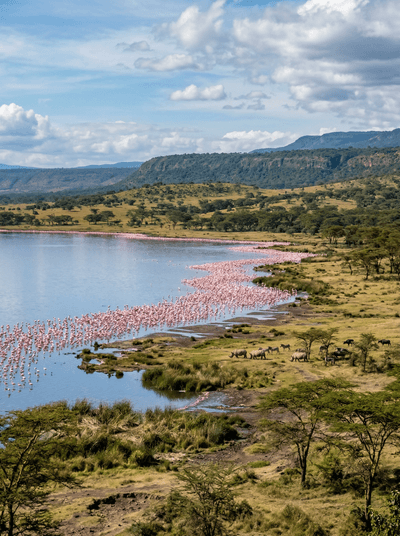
Rhinos browse beneath fever trees where a Rift lake sometimes blushes pink with flamingos.
Ischia
Italy
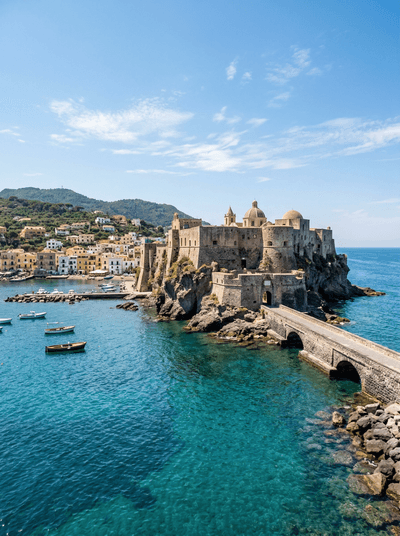
Volcanic hot springs bubbling from the seabed, thermal gardens on cliffs, fumaroles in back gardens.
Loch an Eilein
Scotland
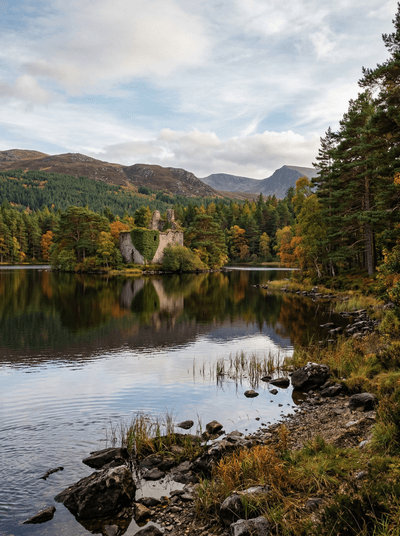
A castle ruin on a loch island surrounded by forest so old the trees remember wolves.
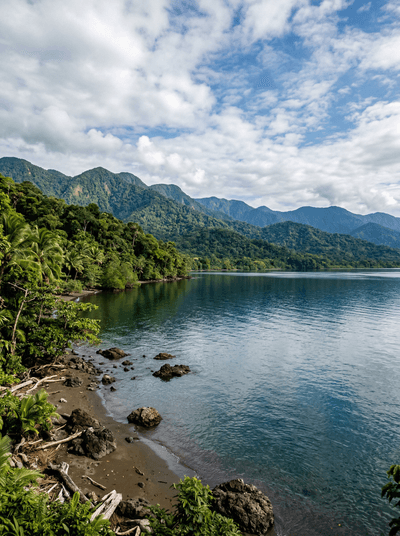
Golfo Dulce
Costa Rica
A tropical fjord of bathwater-warm calm, ringed by primary rainforest and cruised by dolphins.
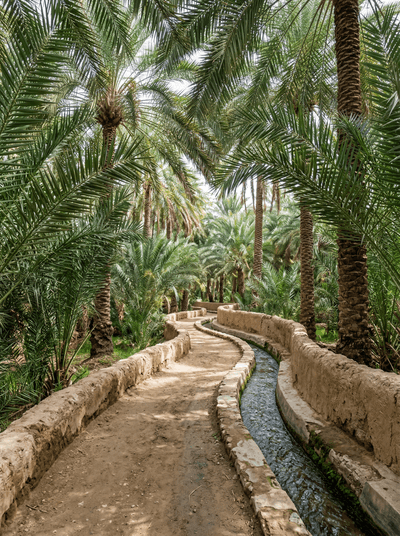
Al Ain Oasis
United Arab Emirates
A 3,000-year-old falaj still waters 147,000 date palms in the middle of a desert city.
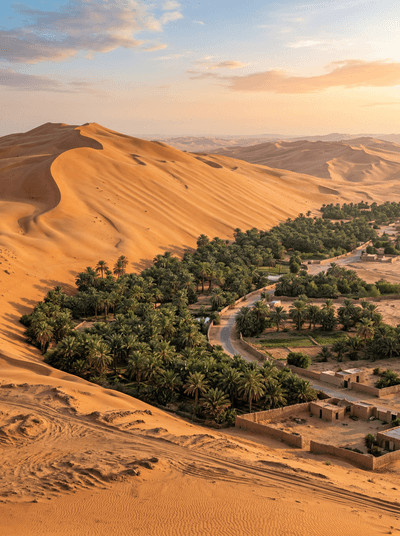
Liwa Oasis
United Arab Emirates
South of the last date farm, Moreeb Dune lifts 300 metres of sand at 50 degrees.
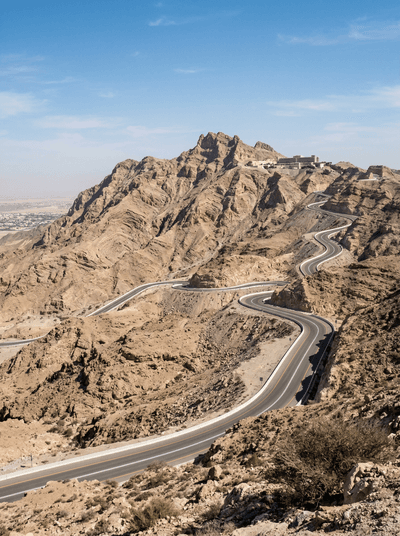
Jebel Hafeet
United Arab Emirates
A road of sixty corners spirals up a bare limestone fang above 5,000-year-old tombs.
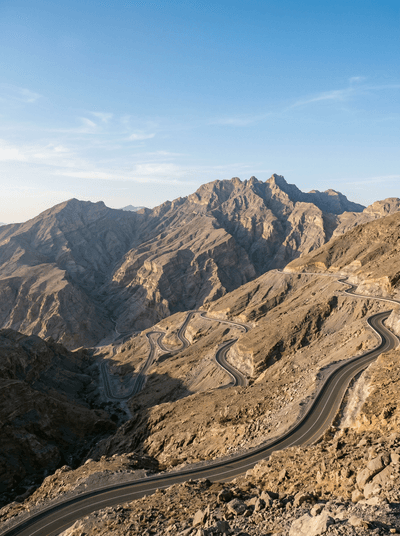
Jebel Jais
United Arab Emirates
Ice sheets the UAE's highest ridge on the coldest winter dawns, desert haze far below.