United Arab Emirates
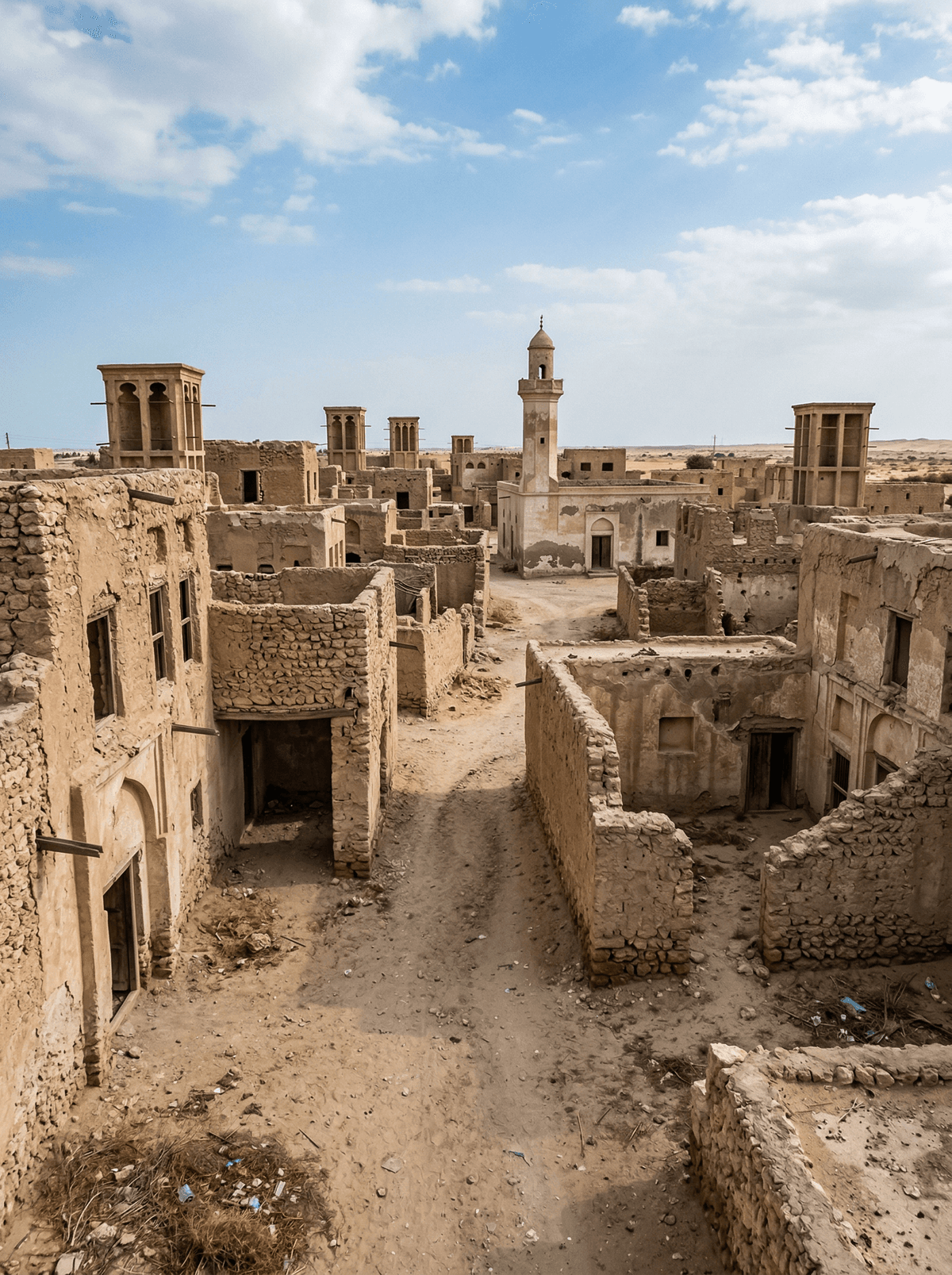
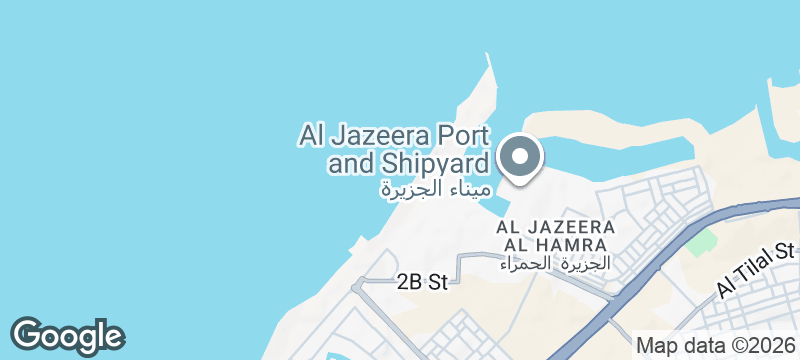
Al Jazirat Al Hamra
The Gulf's last intact pearling town stands empty, coral walls open to the wind.
Doorways of coral block and fossilised beach rock frame empty rooms, mangrove beams sagging over lanes nobody has lived on in half a century. Wind towers still catch the sea breeze above houses that once ran on pearls, and the quiet has the specific weight of a place people walked away from.
Al Jazirat Al Hamra is the only historical pearling village left largely intact anywhere in the Gulf. The Za'ab tribe settled this tidal island around the 14th century and built it into an international pearling centre; when Japanese cultured pearls and the Depression broke the industry in the early 1930s, decline set in, and between the 1950s and 1971 the families left for the new oil economy. What remains is remarkable: more than 300 buildings, among them wind-tower merchant houses, eleven mosques, a fort, watchtowers and a souq, built from coral, beach rock and palm trunks, now on the UNESCO tentative list. The emptiness bred folklore. Locals tell of jinn in the lanes, stories some believe were deliberately spread to keep outsiders off ancestral land, and a horror film called Djinn was shot here in 2013. The abandonment itself needs no embellishing. Walk the lanes freely, and stay out of the buildings marked unsafe; the coral fabric is fragile.
Solo
Come in the last hour of daylight, when the coral walls go amber and the lanes empty of the few other visitors; the town reads like an open-air archive of the pearl economy.
Couple
Wander the souq lanes and wind-tower courtyards at dusk, then drive ten minutes for a Lebanese supper at the mall that modern Al Hamra built next door; the contrast is the point.
Friends
Explore the fort, mosques and merchant houses together with one rule agreed upfront: nothing gets climbed, entered past a barrier or carried away.
- This is the Gulf's only historical pearling village to survive largely intact.
- More than 300 coral and beach-rock buildings remain, including wind-tower houses, eleven mosques, a fort and a souq.
- The Za'ab families left between the 1950s and 1971 for the oil economy, leaving the town as a pre-oil time capsule.
- Local jinn folklore clings to the empty lanes, a reputation strong enough that a horror film was shot here.
Ten minutes away at Al Hamra Mall, Allo Beirut hands over shawarma and crisp falafel, Beirut street food in mall clothing.
Back in the old town of Ras Al Khaimah, seek out madrooba, salted fish stirred into a rich spiced porridge, the coast's oldest way with the catch.
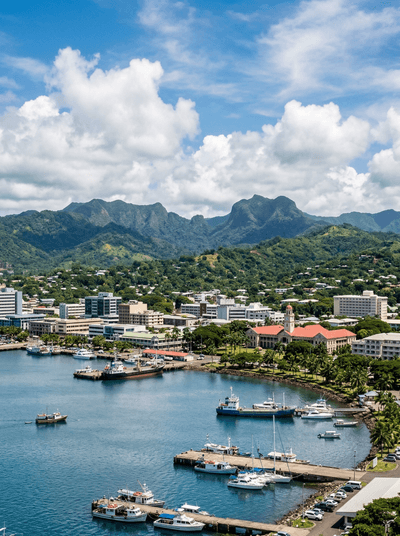
Suva
Fiji
South Pacific hustle where Hindu temples share streets with Fijian markets and colonial verandahs.
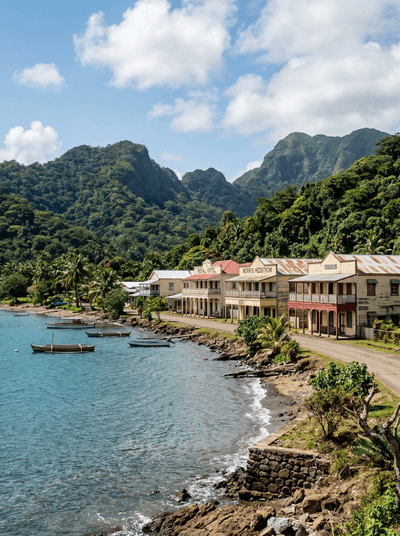
Levuka
Fiji
Fiji's first colonial capital frozen in the 1870s, wooden shopfronts sagging under tropical rain.
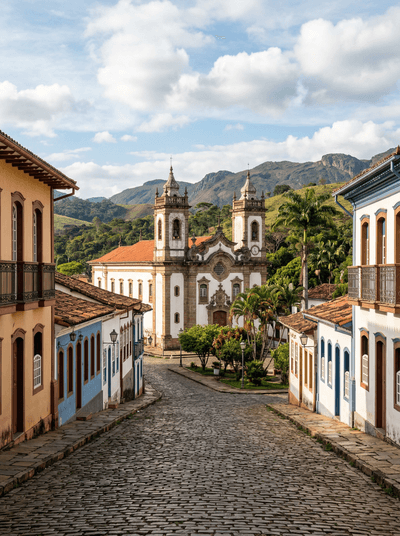
São João del-Rei
Brazil
Baroque towers answering each other across a valley, ringing the sex of whoever has just died.
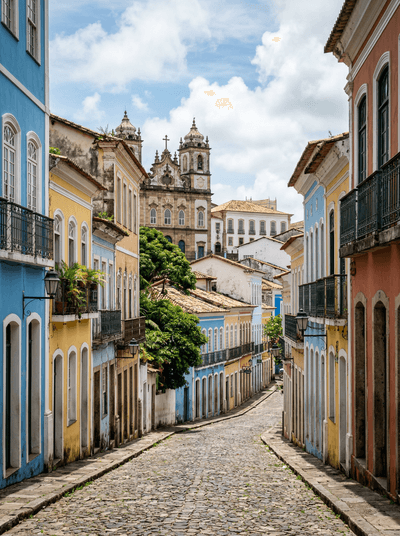
Salvador
Brazil
Drum rhythms ricocheting off colonial walls where song, dance and combat happen at once.
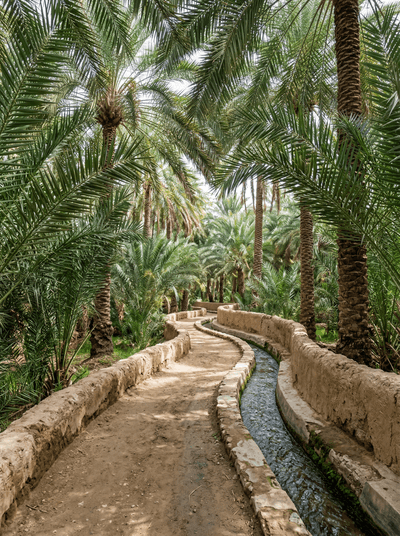
Al Ain Oasis
United Arab Emirates
A 3,000-year-old falaj still waters 147,000 date palms in the middle of a desert city.
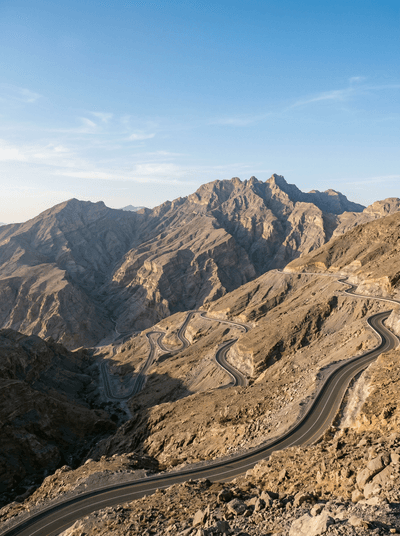
Jebel Jais
United Arab Emirates
Ice sheets the UAE's highest ridge on the coldest winter dawns, desert haze far below.
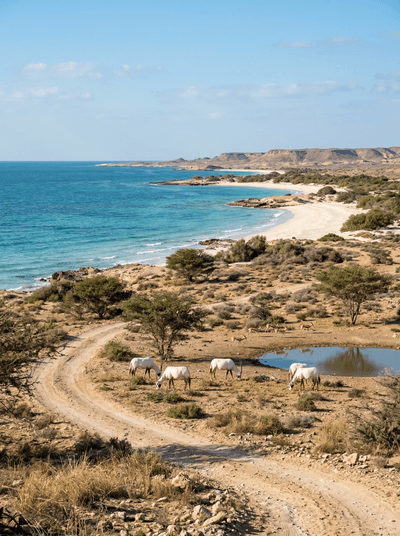
Sir Bani Yas Island
United Arab Emirates
A year after the first oryx arrived here, the species went extinct in the wild.
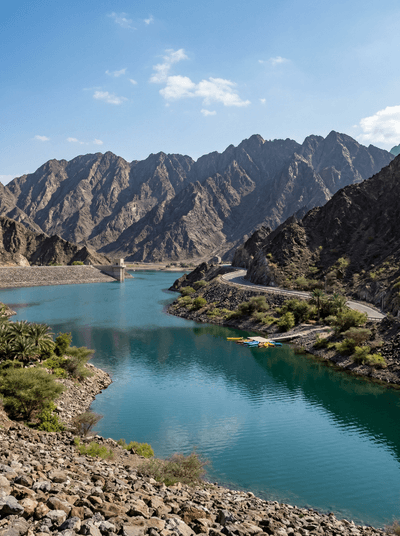
Hatta
United Arab Emirates
A turquoise reservoir pooled between rust-red peaks, in the emirate everyone thinks is all sand.