Peru
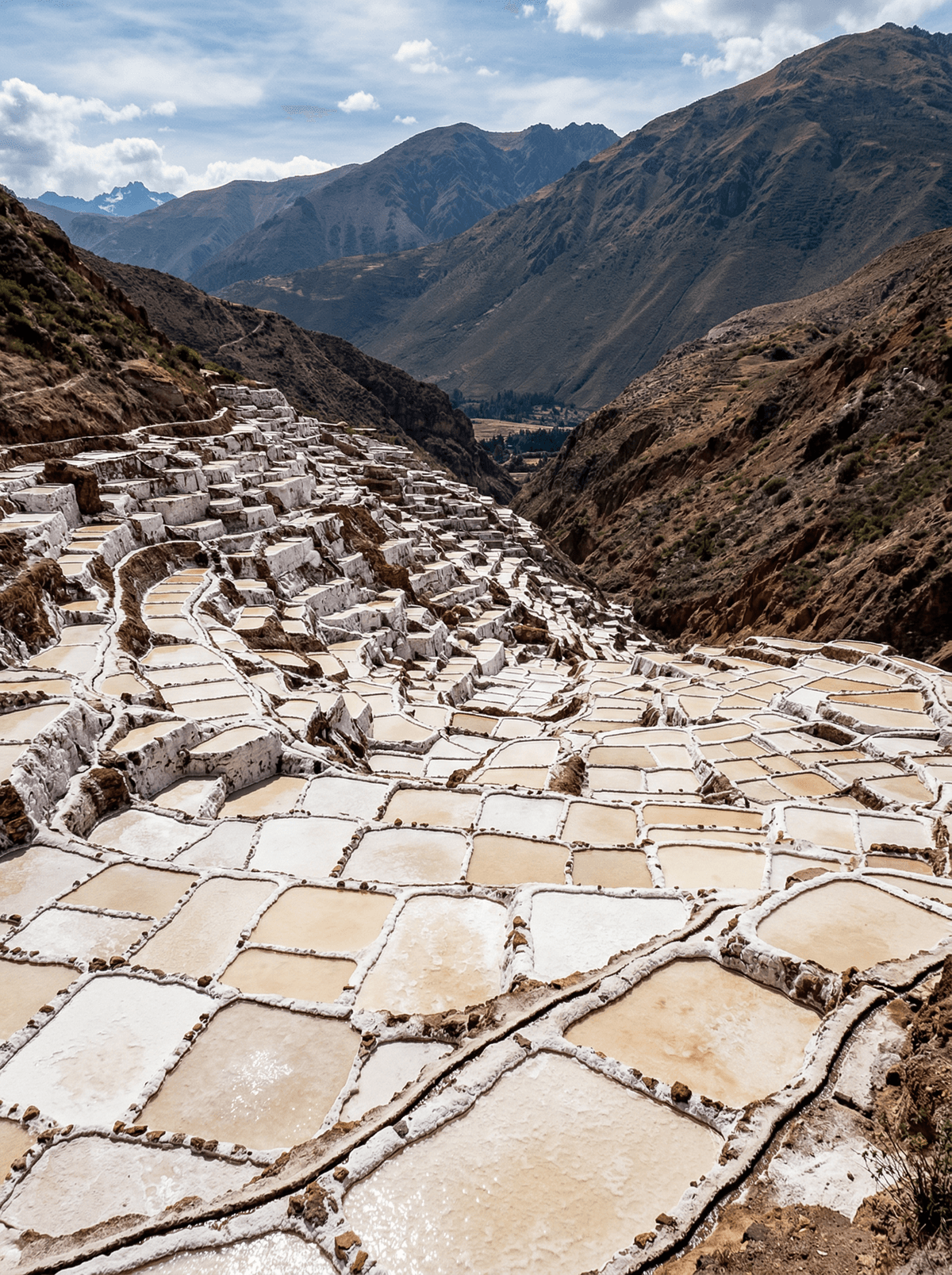
Salineras de Maras
Thousands of salt pans cascading down a mountainside, hand-harvested since before the Inca.
From above, the mountainside looks shattered into thousands of white and rose fragments, each a shallow pan catching the light. Up close the air is faintly saline, and the wooden channels between pans trickle with warm brine that has flowed from the same spring for a millennium.
The Salineras de Maras are that rare thing: a pre-Hispanic industry still doing exactly what it always did. A saline spring — salt from ancient ocean deposits trapped beneath the Andes — is channelled by gravity into thousands of stepped evaporation pans, where dry-season sun crystallises the famous rose-tinged salt, raked by hand and carried out in sacks. The working landscape belongs to the communities of Maras and Pichingoto, whose enterprise manages the site and whose hundreds of member families each tend their own pans — which is why today's visit runs along permitted viewpoints and paths rather than the free wander of old photographs: this is a livelihood first, spectacle second. Late afternoon turns the mosaic amber and rose, and the salt itself travels home better than any souvenir.
Solo
Walking the permitted paths in near-silence is meditative and surreal — colours shifting from white to deep orange as the afternoon leans.
Couple
Late light turns the pans to patchwork amber, the walk down is unhurried, and bags of rose salt make a genuinely useful keepsake.
Family
Evaporation happens in real time — children watch water become crystal — and the family-pan system gives the spectacle its human story.
- A single warm brine spring has fed the stepped pans across a millennium.
- The salt pans belong to Maras and Pichingoto families — hundreds of pans, each tended by hand.
- The rose-tinged salt is raked by hand and carried out in sacks, as ever.
- The stepped salt pans turn from white to amber and rose as the light drops.
Maras rose salt — floral and mineral — bagged at the entrance, sprinkled over everything after.
Trout baked in a crust of Maras salt at Sacred Valley tables.
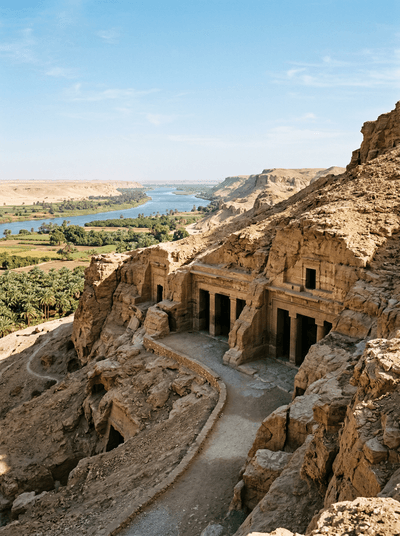
Beni Hasan
Egypt
Rock-cut tombs high on a cliff face, their four-thousand-year-old wrestlers still mid-grapple on the walls.
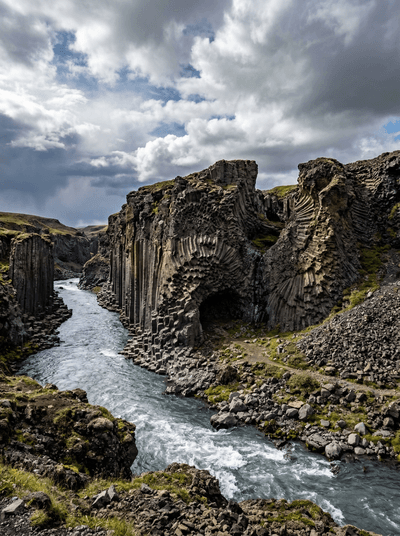
Hljóðaklettar
Iceland
The 'Echo Rocks' — a surreal labyrinth of basalt columns twisted into honeycomb and acoustic spirals.
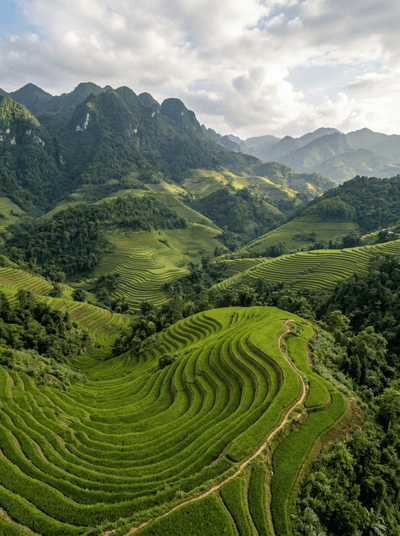
Hoang Su Phi
Vietnam
Rice terraces so vertiginous they look like topographical maps carved directly into the sky.
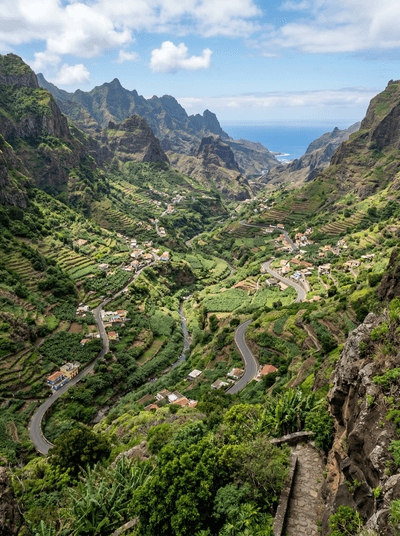
Vale do Paúl
Cape Verde
Sugarcane and coffee terraces pour off a crater rim into a valley threaded with running water.
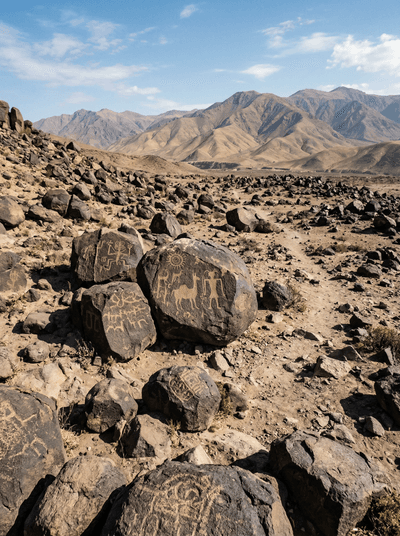
Toro Muerto
Peru
A desert of engraved boulders — thousands of petroglyphs, barely a visitor.
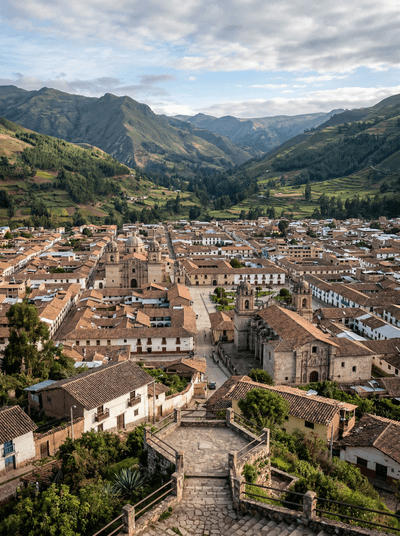
Cajamarca
Peru
The stone room where the last Inca emperor offered to fill the walls with gold.
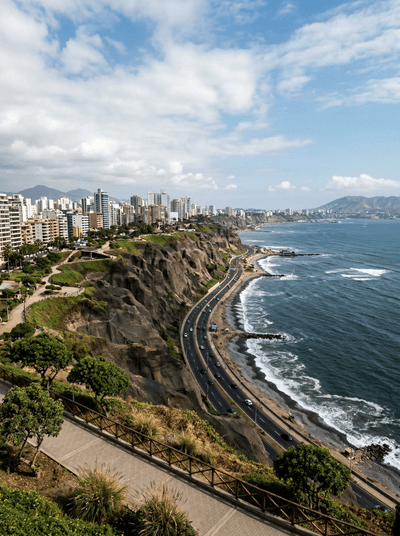
Lima
Peru
Pacific spray on clifftop terraces where ceviche began and the food never stopped evolving.
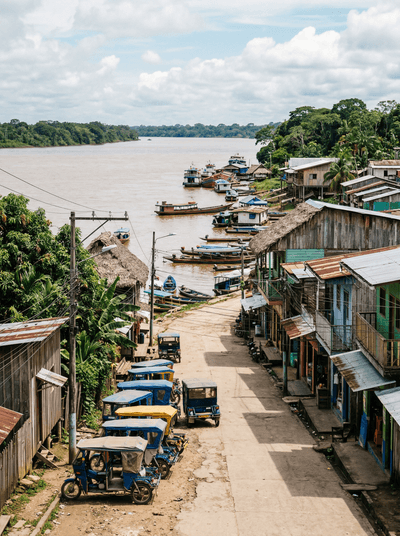
Iquitos
Peru
Half a million people in the Amazon with no road to the outside world.