United States
Canyon de Chelly
Navajo families still farm the canyon floor beneath cliff dwellings a thousand years old.
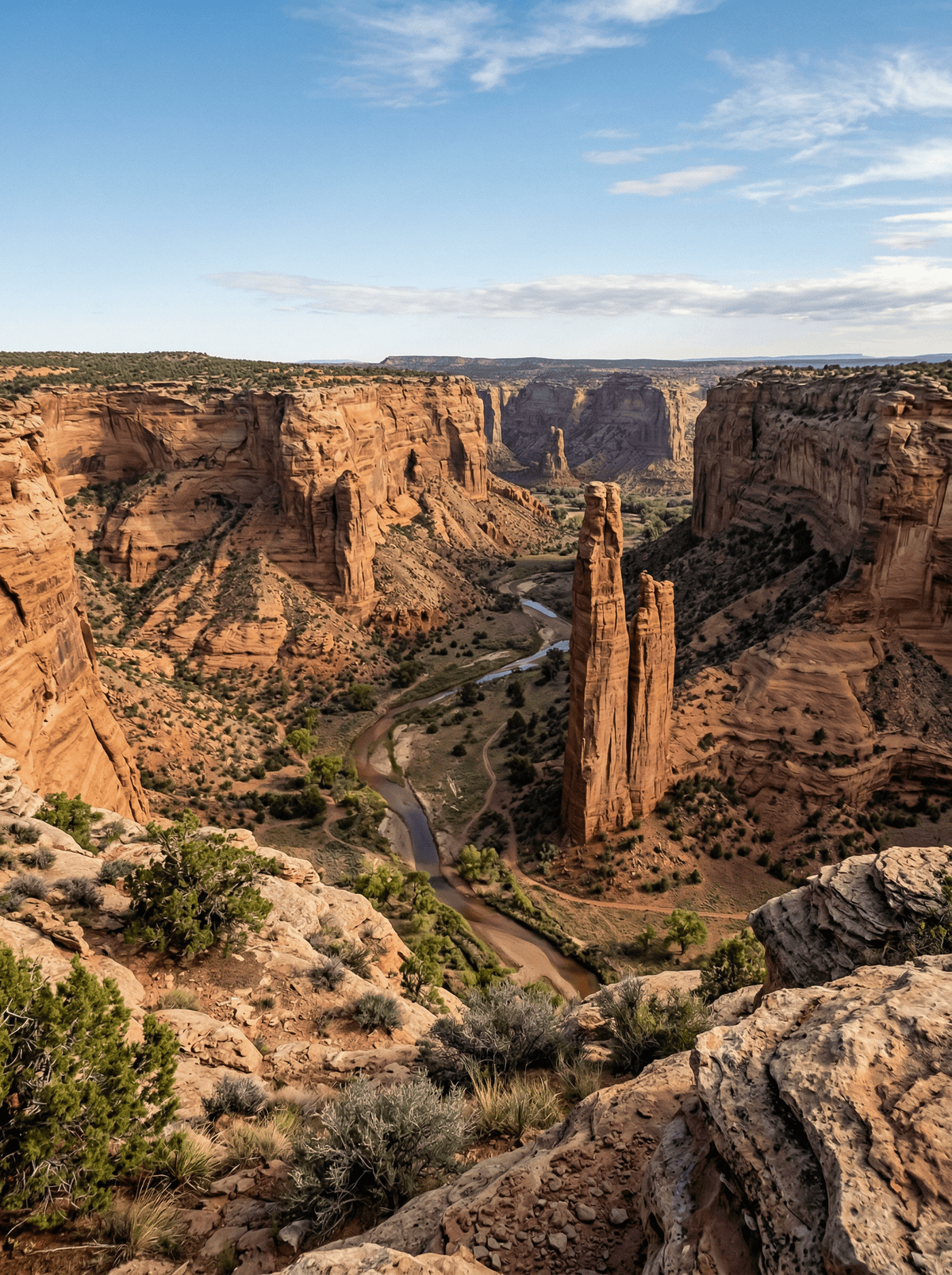
Peach trees grow on the canyon floor. Navajo families tend them in fields irrigated by the same stream that has cut these sandstone walls for millions of years. Above the orchards, tucked into an alcove 550 feet up the cliff face, White House Ruin sits exactly where its builders left it a thousand years ago — still plastered, still standing, still watching over the farming below.
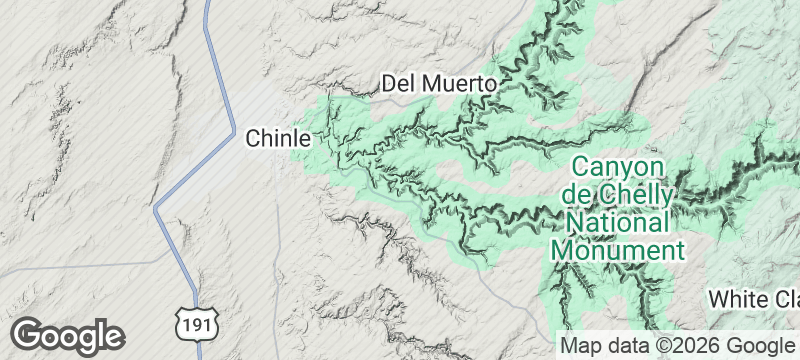
Canyon de Chelly National Monument in northeastern Arizona occupies a singular position in the American park system: federally administered but entirely on Navajo Nation land, with Navajo families holding the legal right to live, farm, and graze livestock within its boundaries. The canyon has been continuously inhabited for nearly 5,000 years. Spider Rock, an 800-foot freestanding sandstone spire at the junction of Canyon de Chelly and Monument Canyon, is visible from the South Rim overlook and features prominently in Navajo creation narratives. White House Ruin, constructed around 1060 AD and occupied for approximately 200 years, remains accessible via the only canyon trail open to visitors without a Navajo guide. All other access to the canyon floor requires a permitted Navajo guide — a policy that protects both the archaeological sites and the privacy of the families who still live below.
Solo
Hiring a Navajo guide to walk the canyon floor transforms the visit from sightseeing into something closer to an education. The stories, the ruins, the living community — Canyon de Chelly is a place where 5,000 years of history are still unfolding.
Couple
The canyon rim drive at sunset, the guided walk past cliff dwellings and living farms, the dawn light striking Spider Rock — Canyon de Chelly offers a depth of cultural immersion that pure landscape parks cannot match.
- The park is unique in the US system: federally administered but entirely on Navajo Nation property, with resident families holding the legal right to farm and live inside it.
- Spider Rock, a freestanding sandstone spire 800 feet tall, grows from the canyon floor at the confluence of two canyons — visible from the South Rim overlook without descending.
- White House Ruin, built into a 550-foot alcove around 1060 AD and inhabited for 200 years, is accessible via the only canyon trail open without a Navajo guide.
- The Thunderbird Lodge, a trading post converted to a hotel operating since 1902, serves Navajo tacos and mutton stew in the original sandstone structure.
Navajo fry bread with mutton and beans prepared by a local guide in the canyon.
Blue corn tamales from a family kitchen in Chinle.
Coffee brewed over a fire at the canyon rim as the first light hits Spider Rock.
Gaua
Vanuatu
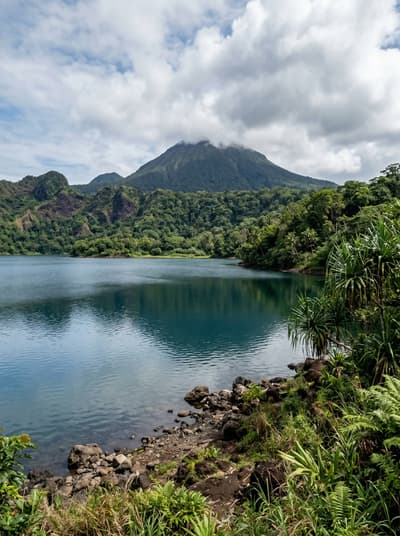
A volcanic lake drains into the ocean via a waterfall that plunges through untouched jungle.
Quebrada de Humahuaca
Argentina
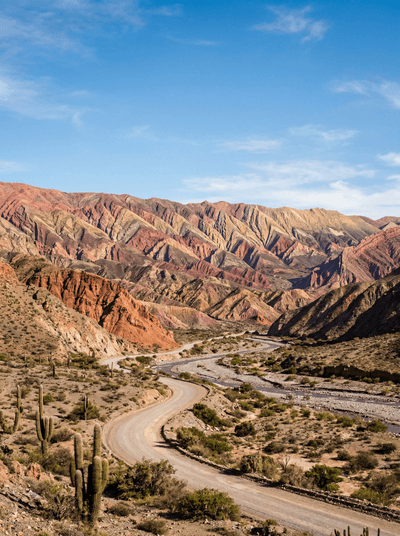
A canyon of fourteen-colour hills where Inca trails thread through villages older than the conquest.
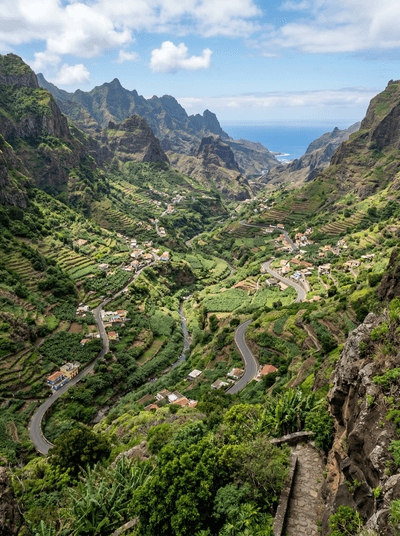
Vale do Paúl
Cape Verde
Sugarcane terraces spill down a volcanic crater into the greenest valley in the archipelago.
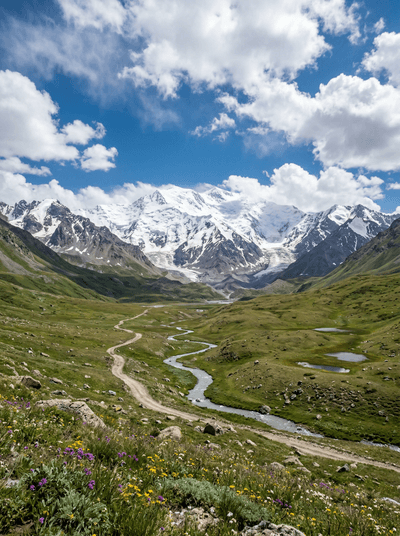
Achik-Tash
Kyrgyzstan
Yurt camps at 3,600 metres beneath a 7,134-metre peak, alpinists and trekkers sharing vodka at sunset.
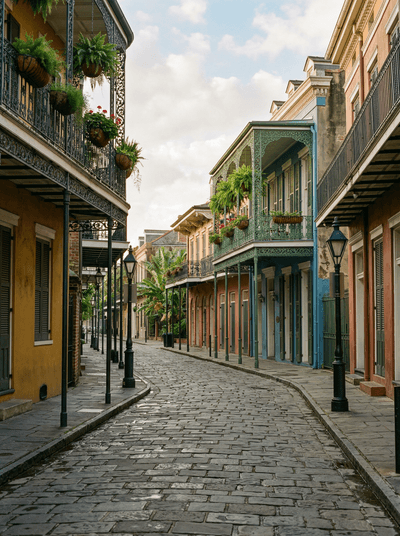
New Orleans
United States
Jazz spilling from doorways at 2 a.m. while beignet sugar dusts your collar.
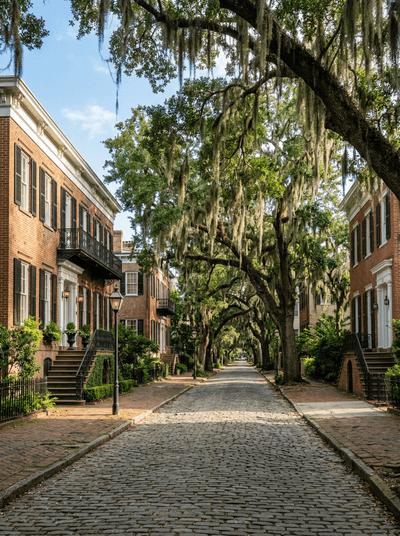
Savannah
United States
Spanish moss dripping into squares where horse hooves echo on cobblestones after dark.
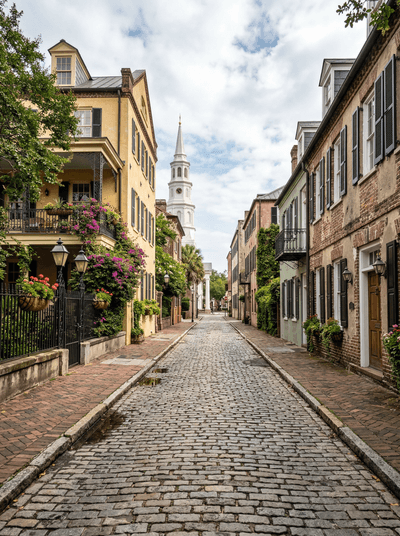
Charleston
United States
Sweetgrass baskets sold on street corners where the air smells of pluff mud and jasmine.
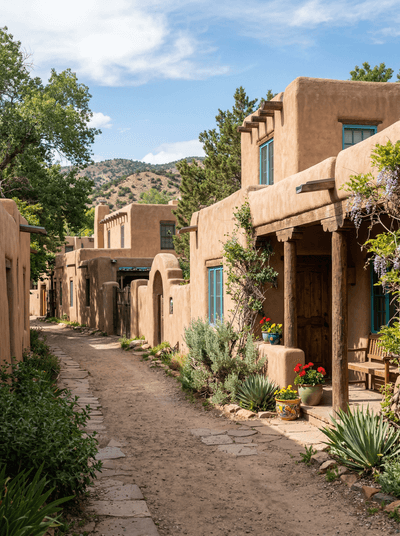
Santa Fe
United States
Adobe walls glow amber at sunset while piñon smoke drifts through the plaza.