Argentina
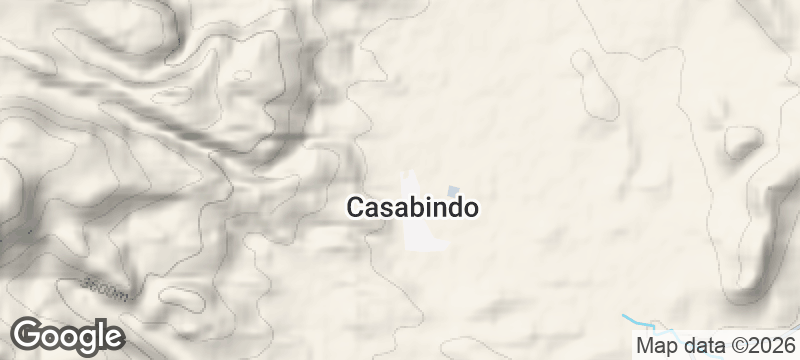
Casabindo
Argentina's only bull ceremony strips ribbons from horns before a gilded puna church.
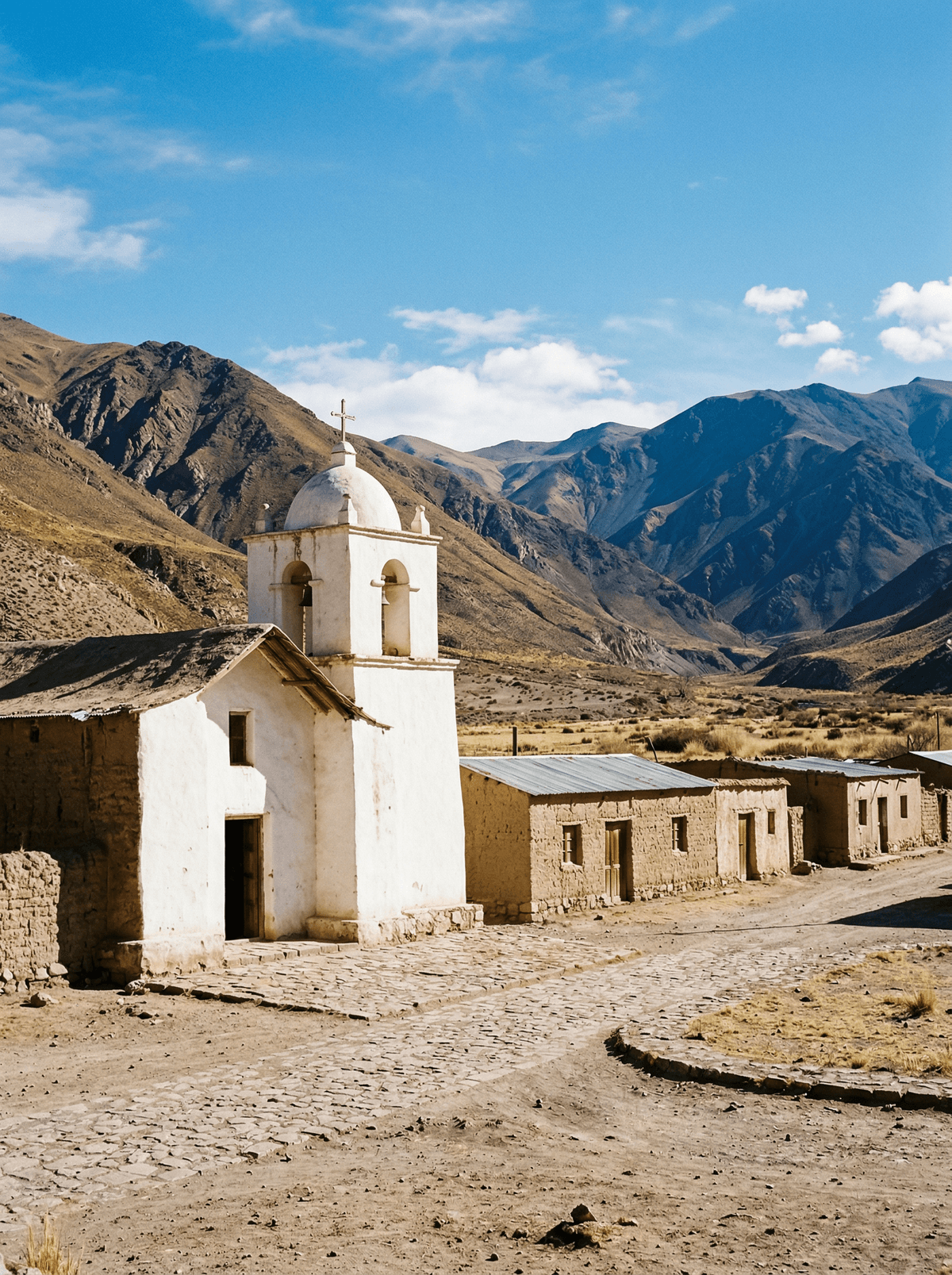
Casabindo holds the Fiesta de la Virgen de la Asunción every 15th of August — the only toreo de la vincha in Argentina, a ceremony in which a bull enters the plaza not to be fought but to have a ribboned headband taken from its horns by young men dodging on foot, and the animal leaves unharmed. The eighteenth-century church facing the plaza is called the cathedral of the Puna, and the village around both counts fewer than fifty permanent residents at 3,400 metres.
Casabindo was once the administrative heart of a colonial district spanning the high plateau, and its church keeps the wealth of that era: an exceptional collection of Cuzqueño school paintings — European iconography worked through Andean hands — one of the most elaborate gilded altarpieces in the Argentine north, and a colonial canvas of the Virgin in military dress that has few peers anywhere. The toreo itself may predate the Spanish, absorbed into the Catholic calendar rather than replaced by it; on the feast day thousands arrive from across Jujuy and Bolivia, and for the other 364 the village returns to puna silence, flamingo lagoons, salt flats and vicuña herds reached by dirt road. Both versions are true, and both are the destination.
Solo
Outside the fiesta, the church, the monument-listed adobe village and the puna emptiness reward the traveller who likes heritage without an audience — openings confirmed locally.
Friends
On the 15th of August the plaza fills for a ceremony existing nowhere else — the toreo, the procession and the stalls shared with all of Jujuy.
- The toreo de la vincha is Argentina's only bull ceremony — ribbons taken, animal unharmed.
- The feast of the Assumption fills the plaza each 15th of August as it has for centuries.
- The church holds Cuzqueño paintings and a Virgin in military dress with few peers.
- Under fifty people live here year-round; thousands arrive for the single day.
Humita en chala steamed in corn husks and charqui empanadas at the festival stalls.
Api morado ladled steaming into cups, warming hands against the puna cold.
Suva
Fiji
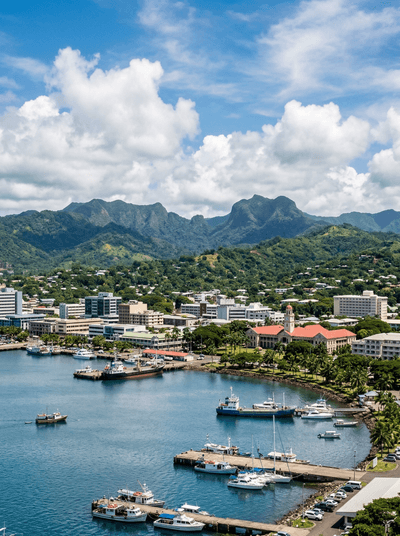
South Pacific hustle where Hindu temples share streets with Fijian markets and colonial verandahs.
Levuka
Fiji
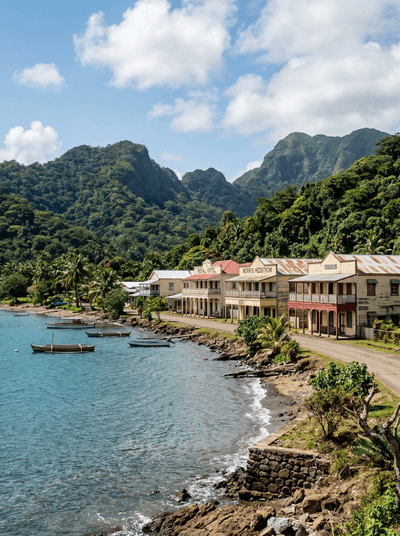
Fiji's first colonial capital frozen in the 1870s, wooden shopfronts sagging under tropical rain.
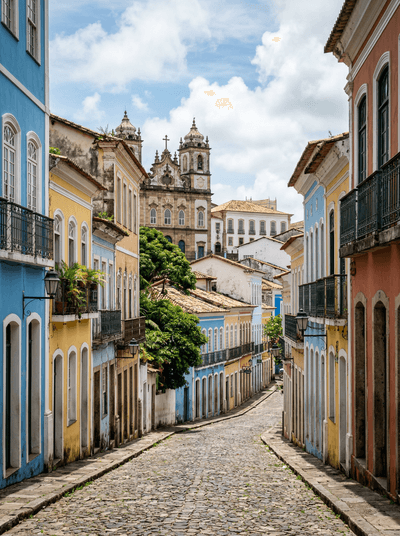
Salvador
Brazil
Drum rhythms ricocheting off colonial walls where song, dance and combat happen at once.
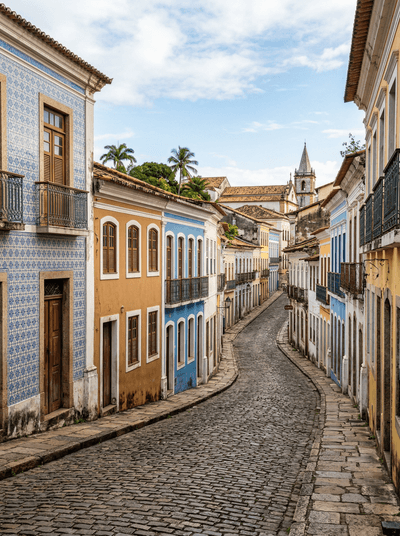
São Luís
Brazil
Hand-painted Portuguese tiles across four thousand colonial houses, cooling the walls against equatorial heat.
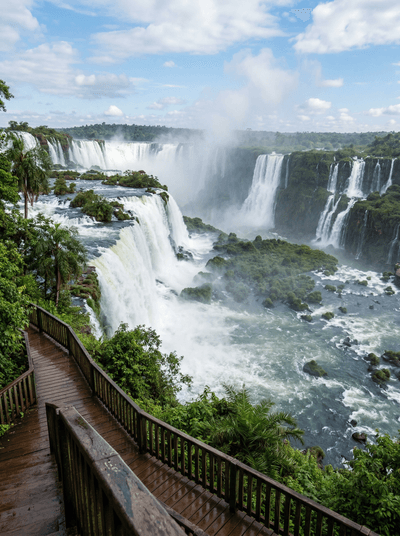
Iguazú Falls
Argentina
A river shatters into hundreds of waterfalls around the thunder of the Devil's Throat.
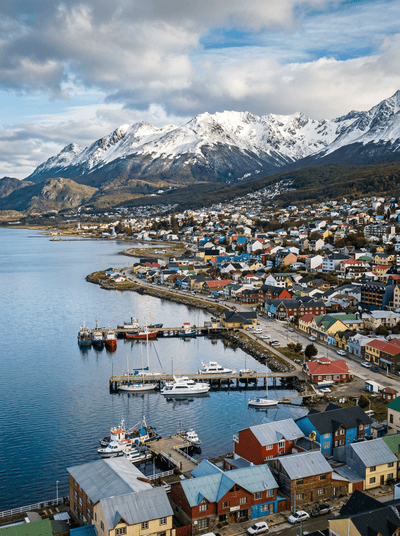
Ushuaia
Argentina
The port where Antarctica begins — beech forest climbing to glaciers at the planet's edge.
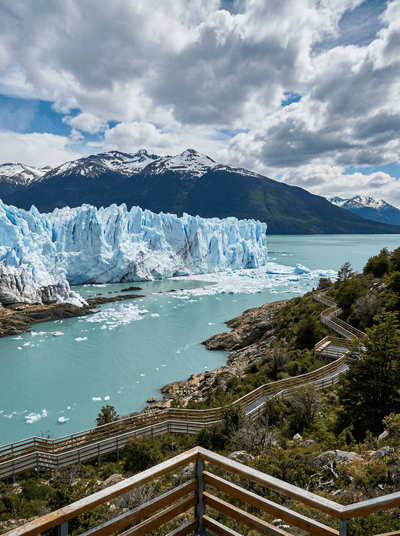
El Calafate
Argentina
A glacier calves office-block towers of ice into turquoise water as you watch.
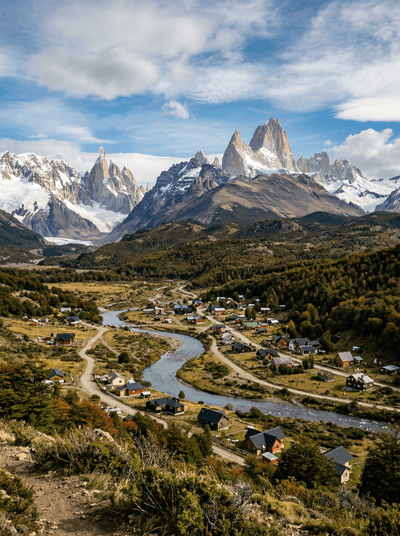
El Chaltén
Argentina
Granite spires pierce Patagonian cloud — condor country of vertical stone and wind.