Portugal
Castelo Rodrigo
A hilltop village that burned its own lord's palace and left it roofless since 1640.
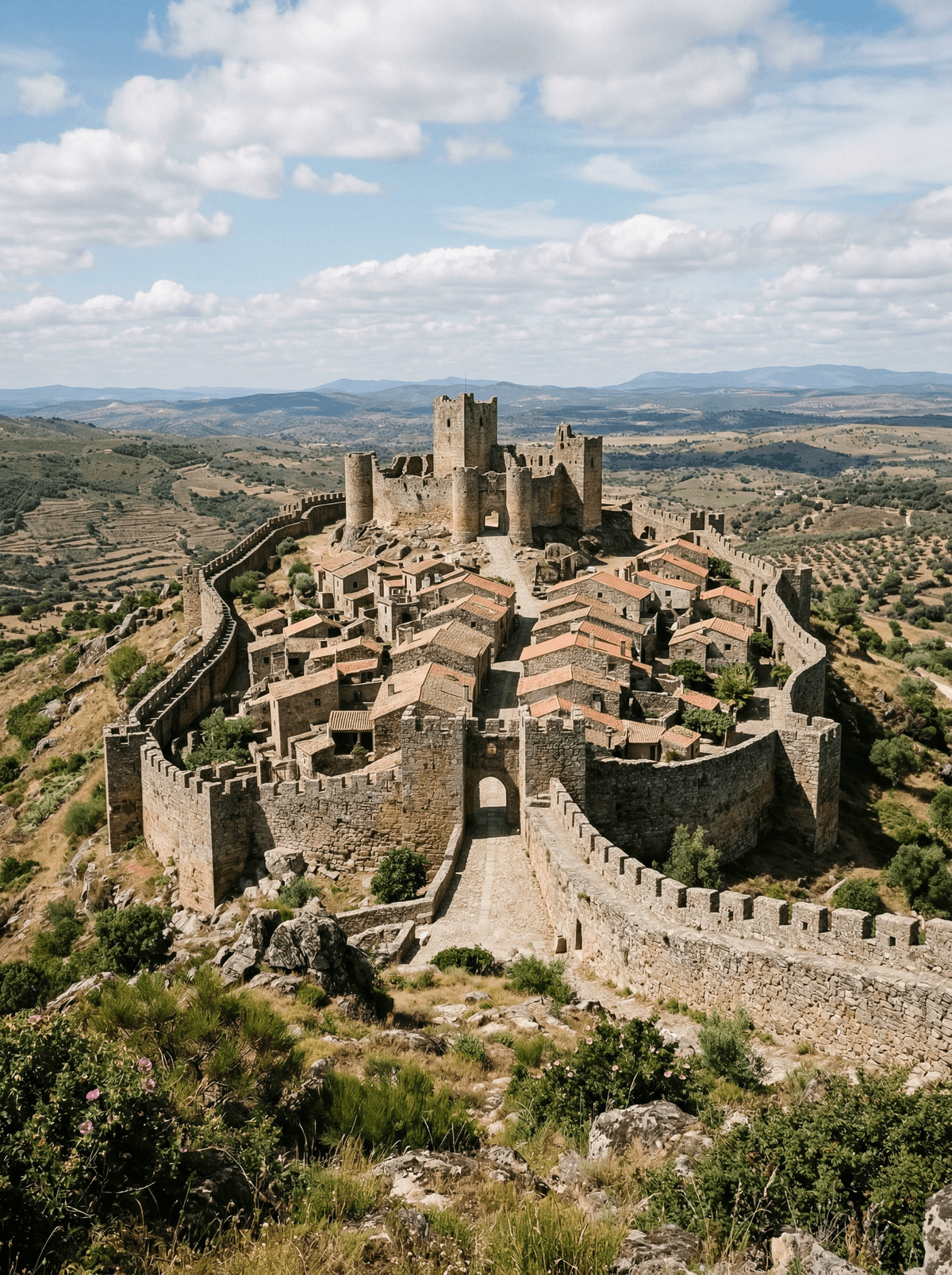
The ruined palace has no roof and no forgiveness. In 1640, when Portugal broke free from Spanish rule, the villagers of Castelo Rodrigo burned their own lord's home for backing the wrong king — and left the walls standing as a warning. Four centuries later the scorched shell still crowns the hilltop, open to rain and raptors.
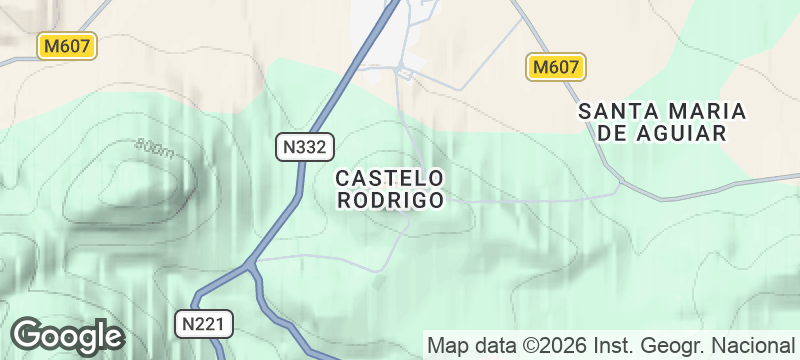
Castelo Rodrigo stands fortified at 820 metres near the Spanish frontier, commanding the Côa Valley toward the Serra da Marofa, its charter tracing to 1209 and its stones worn by the long tug-of-war with Castile. The palace of Cristóvão de Moura — the local grandee who served Spanish rule through the Iberian Union — was torched by his own people at the Restoration and remains deliberately unrestored, archways intact, interior gone to wildflowers: rebellion kept as monument. Within the walls a handful of residents keep granite houses, a Romanesque church and a quiet that borders on absolute, with Jewish, Moorish and Christian layers still readable in the streets themselves. One of the twelve Historical Villages, it sits at the heart of almond country — late winter turns the surrounding valley white with blossom.
Solo
Small, silent and layered with centuries of border conflict — for the traveller who reads a place's history from its stones, unforgettable.
Couple
Walking through the gates at sunset, the Spanish frontier dissolving into pink haze beyond the valley, is a moment that belongs to two people and nobody else.
- The 1640 Restoration saw the village burn its collaborating lord's palace itself.
- The roofless shell has faced the open sky for nearly four centuries, kept as warning.
- Jewish, Moorish and Christian medieval layers survive in one small street plan.
- Late winter turns the surrounding almond valley white with simultaneous blossom.
Smoked sausages and presunto from the Marofa hills, hung in cool stone cellars.
Queijo da Serra scooped warm from the rind with a spoon.
Suva
Fiji
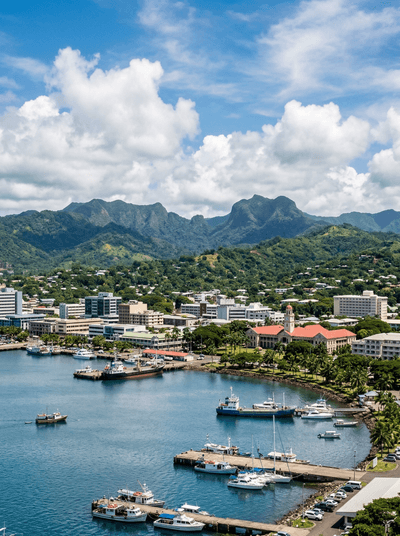
South Pacific hustle where Hindu temples share streets with Fijian markets and colonial verandahs.
Levuka
Fiji
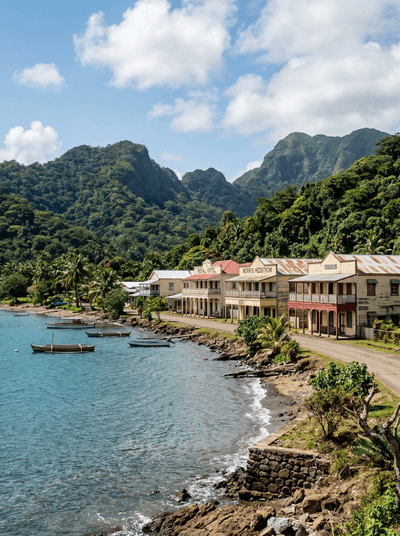
Fiji's first colonial capital frozen in the 1870s, wooden shopfronts sagging under tropical rain.
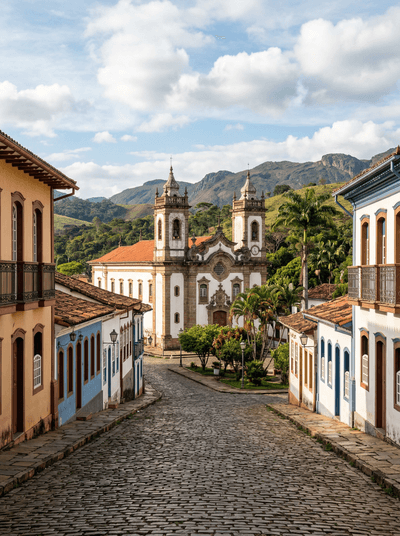
São João del-Rei
Brazil
Baroque towers answering each other across a valley, ringing the sex of whoever has just died.
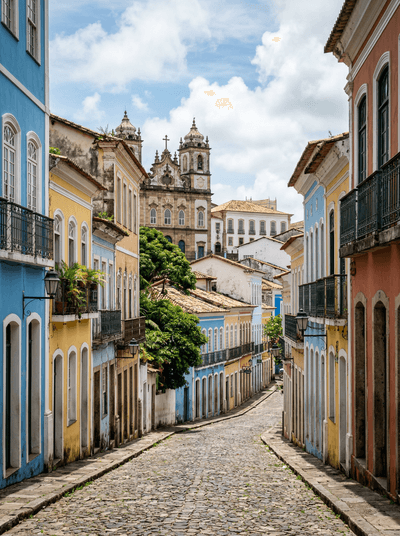
Salvador
Brazil
Drum rhythms ricocheting off colonial walls where song, dance and combat happen at once.
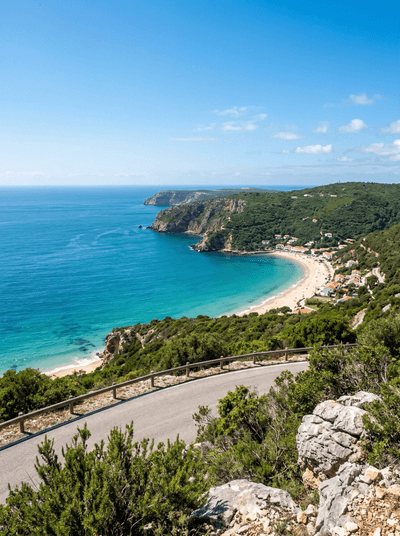
Arrábida
Portugal
Turquoise coves locked between limestone cliffs and monastery forest above the sea.
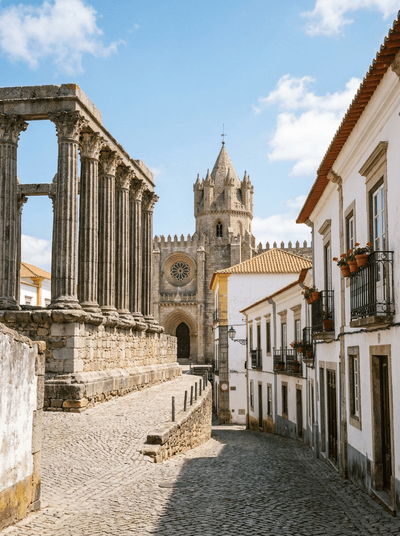
Évora
Portugal
A Roman temple stands intact beside a chapel the monks lined with their own dead.
Monsaraz
Portugal
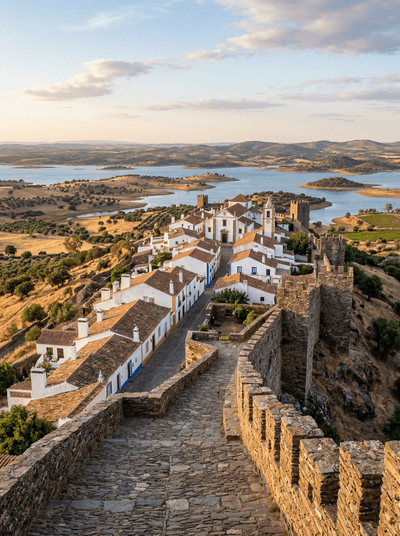
A walled village of whitewashed stone above a lake so still it doubles the sky.
Comporta
Portugal
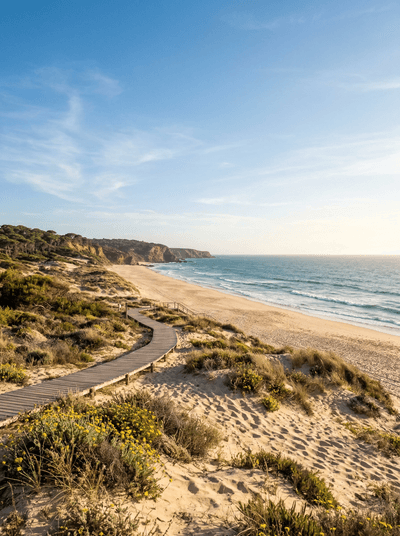
Rice paddies end where the dunes begin, an undeveloped Atlantic beach running for hours.