Moldova
Căușeni
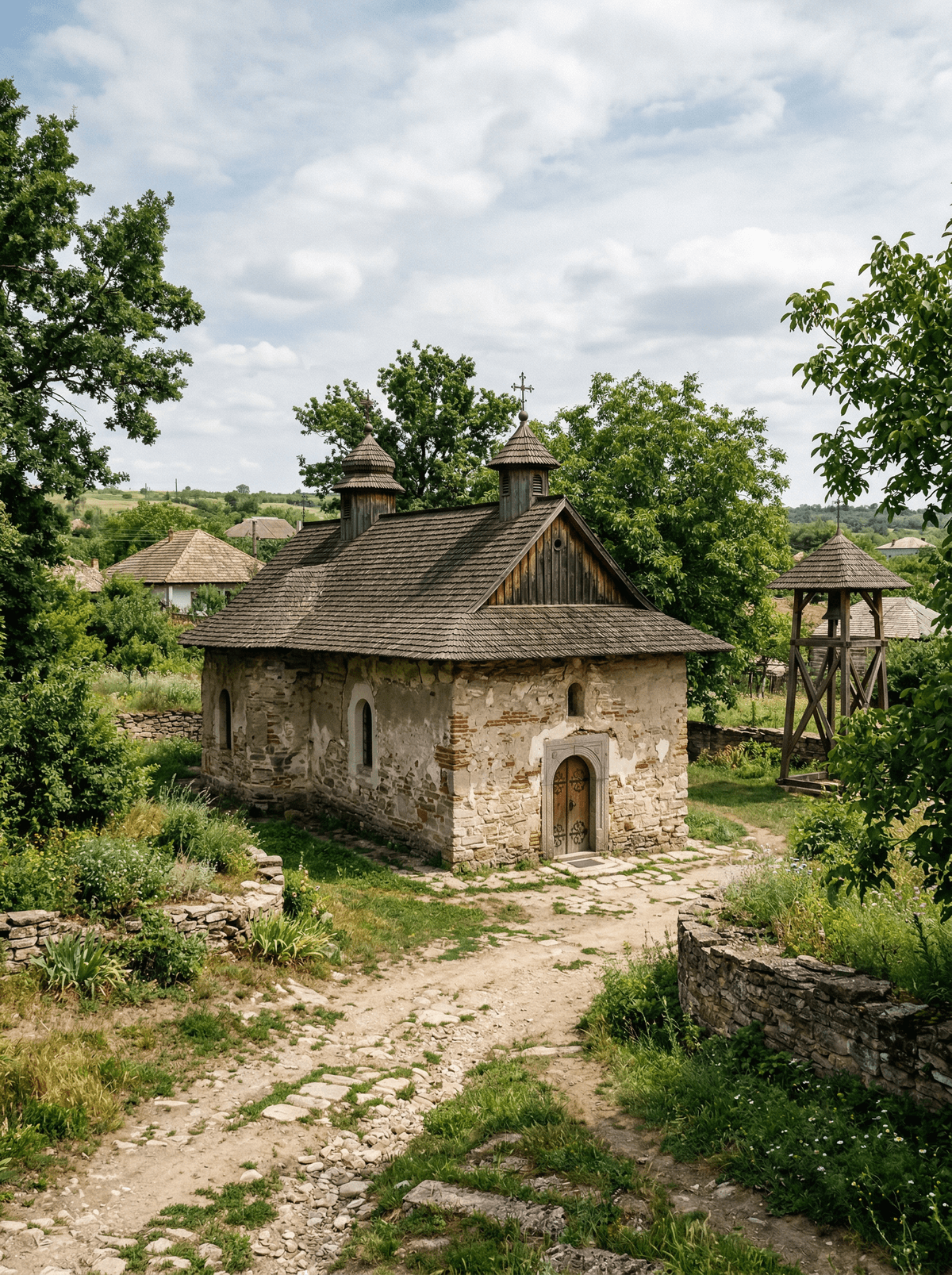
Built into the ground to duck Ottoman height law, a sunken nave filled with saints.
The church barely rises above the steppe it stands in, a low roof over a half-buried nave. Ottoman law would not let it stand taller than the base of a mosque's roof, so the builders went down instead. Inside, saints cover the walls in a fresco cycle painted in 1763.
Căușeni's Church of the Dormition is unique in the East-Carpathian region: a seventeenth-to-eighteenth-century church set semi-buried in the Bugeac steppe because Ottoman rules capped church heights in the territory. The master painters Stanciul, Radu and Voicul frescoed the interior in 1763, and the church keeps Moldova's only stone-built iconostasis. Soviet authorities used the building as a barn; a Romanian team then restored the murals from 2017 to 2023, backed by more than a million dollars from the US Ambassador's Fund, and the doors opened to visitors again in March 2024 in the care of the National Art Museum. The revelation is the jump: a modest roofline outside, a painted world within.

Solo
Take the frescoes slowly, panel by panel; the visit is the destination, and the flat steppe drive frames it.
Couple
See the painted nave, then drive on to Château Purcari for a tasting; church and cellar make one southern loop.
- Ottoman height rules pushed the church into the ground, leaving a semi-buried nave unique in the East-Carpathian region.
- The fresco cycle was painted in 1763, and the church keeps Moldova's only stone-built iconostasis.
- Seven years of mural restoration, backed by the US Ambassador's Fund, ended with the 2024 reopening under the National Art Museum.
Căușeni eats simply: bakery plăcinte and strong coffee cover lunch in the town centre.
Château Purcari, pouring wine since 1827, is an easy drive southeast; taste the estate reds before the run back.
Akita
Japan
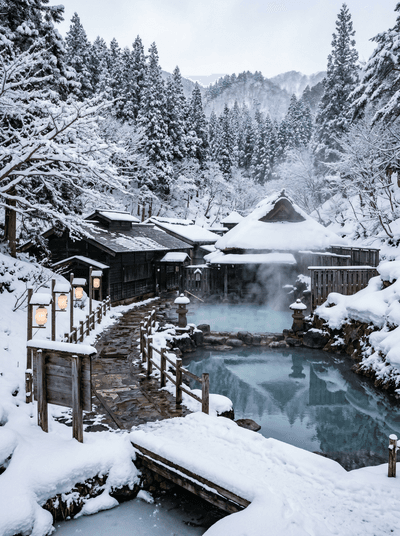
Bamboo poles hung with dozens of lanterns, balanced on a palm, a forehead, a hip.
Takwa Ruins
Kenya
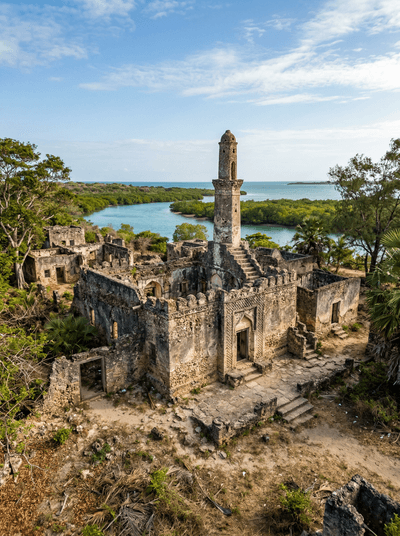
A Swahili ghost town in Manda Island's mangroves — its mosque still oriented toward Mecca.
Mitla
Mexico
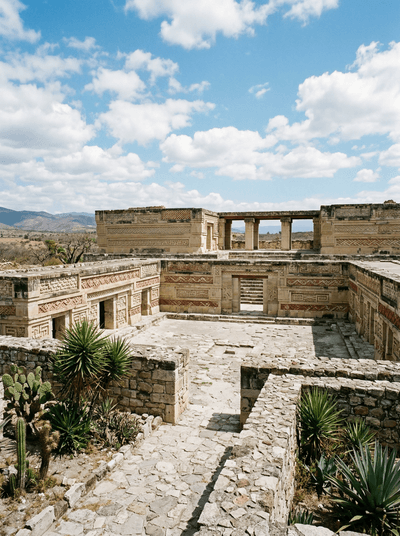
Zapotec mosaic walls assembled from thousands of hand-cut stones stand without mortar after a millennium.
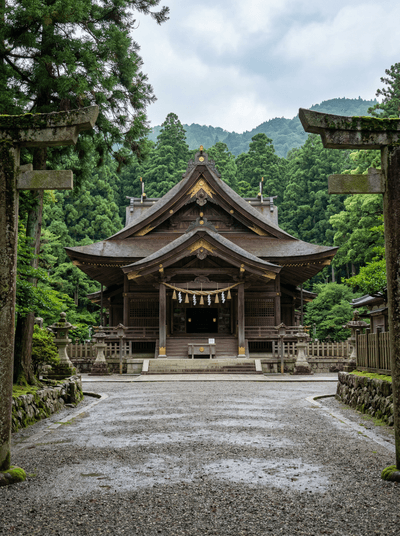
Izumo
Japan
The shrine where Japan's eight million gods are said to gather, leaving everywhere else godless.
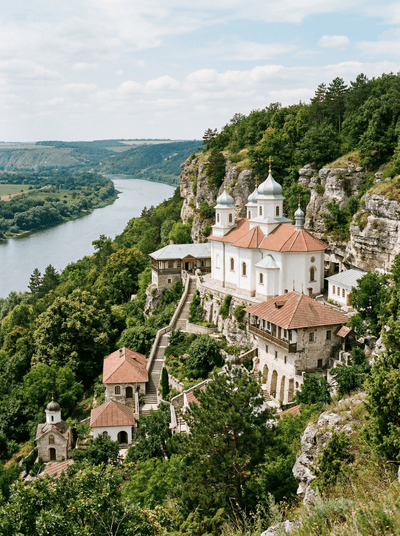
Japca Monastery
Moldova
Every monastery in Moldova closed under the Soviets except this one, praying above the Dniester.
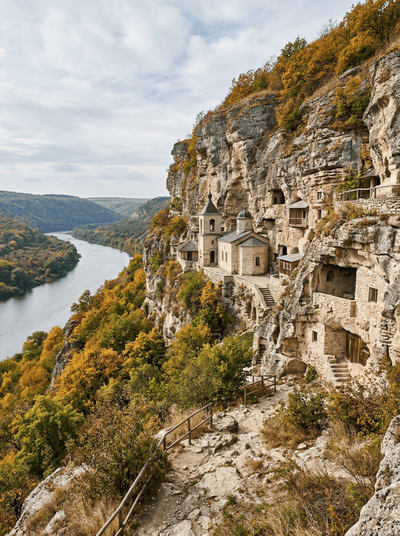
Țipova
Moldova
Hermit cells climb a Dniester cliff where legend buries Orpheus in a nook of a waterfall.
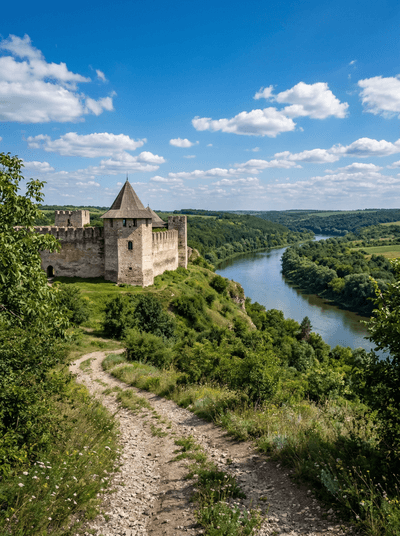
Cosăuți
Moldova
Stone-carvers work beside an ice-age camp that left antler pikes grooved to drain blood.
Rudi
Moldova
The Earth was measured from a stone in this orchard, on a line to the Arctic.