Egypt
El Alamein
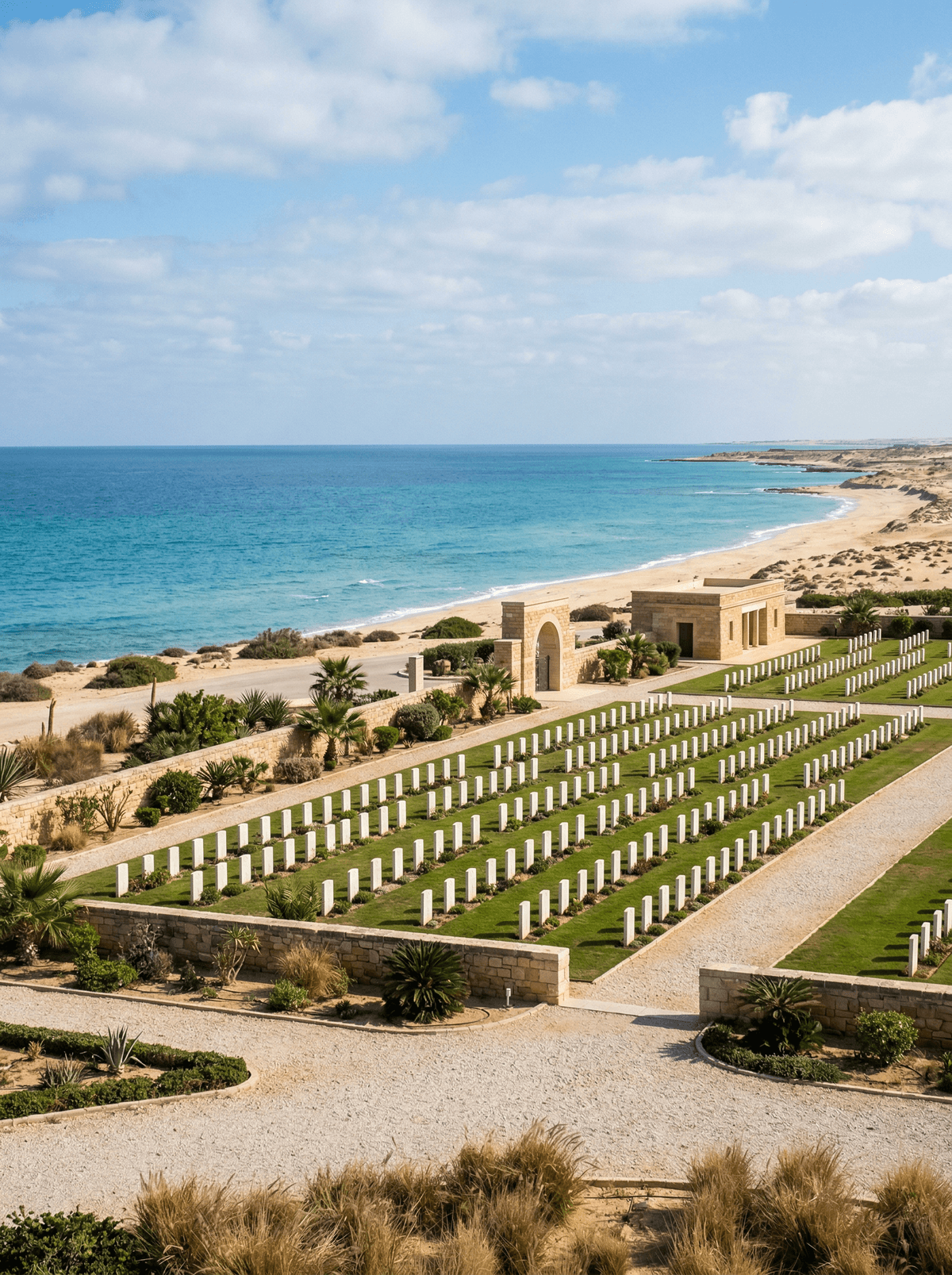
White headstones in rows facing the Mediterranean, the silence of a battlefield that changed a war.
The headstones run in rows toward the sea, each carved with a name, a regiment and an age. The silence at El Alamein's Commonwealth cemetery is not empty — it is held. The desert wind moves through the memorial's columns, and beyond the walls the flat scrubland where the battle happened runs unchanged to the horizon.
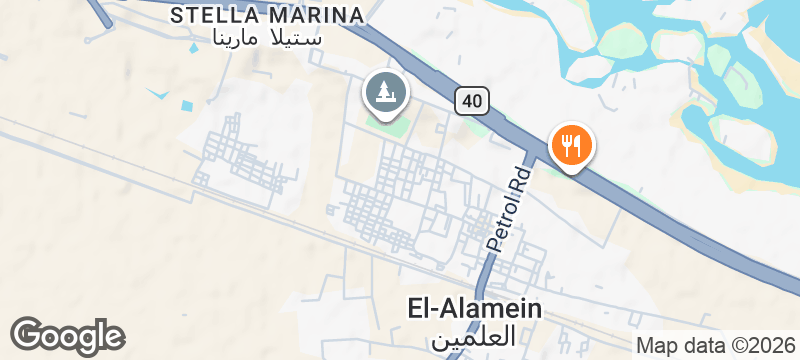
El Alamein sits on the Mediterranean coast about 100 kilometres west of Alexandria, where two battles in 1942 halted the Axis advance across North Africa and turned the course of the Second World War. The Commonwealth War Cemetery holds 7,240 burials — 815 of them unidentified — from Britain, Australia, New Zealand, South Africa, India and beyond. Across the road the War Museum ranks its tanks, anti-tank guns and armoured vehicles in rows, with maps and personal effects from both sides, and the German and Italian memorials stand along the same coast.
Solo
Walk the Commonwealth rows at your own pace, read the ages, and give the museum's hardware the slow hour it asks for.
- Three nations' cemeteries sit within five kilometres — British, German and Italian, each in its own architecture.
- The museum's hardware is original: cannons, troop carriers and tanks arranged in open rows.
- New Alamein's resort strip has grown along the shore, so the sombre sites now sit beside a living seafront.
- The Qattara Depression 65 kilometres inland made this coast the only way through — stand here and the strategy explains itself.
On the shore road the tables run to grilled sea bass, calamari and mezze.
Sayadeya — fish baked over spiced tomato rice — is the coast's own dish, worth asking for by name.
Durham
England
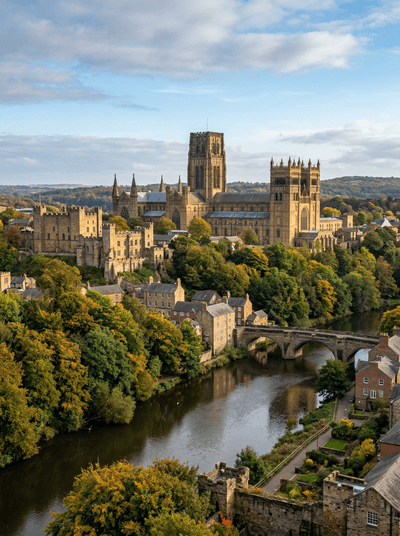
A Norman cathedral and castle perched on a river peninsula like a medieval island.
Hiroshima
Japan
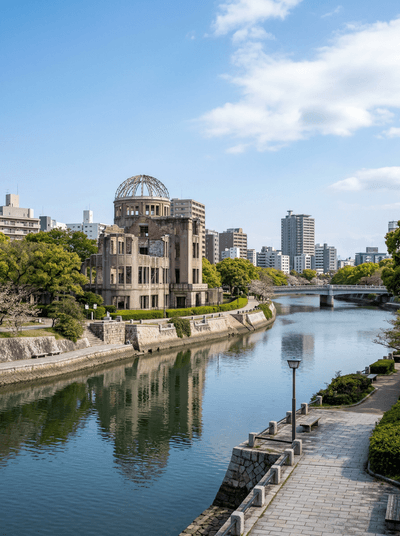
Paper cranes by the million beside a dome that refused to fall.
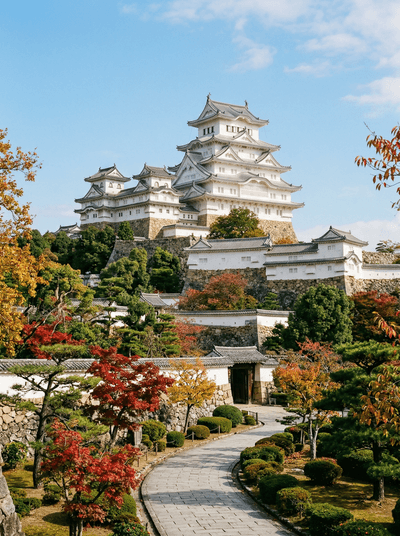
Himeji
Japan
A white heron of a castle above the blossom: original timber, four centuries old, never taken.
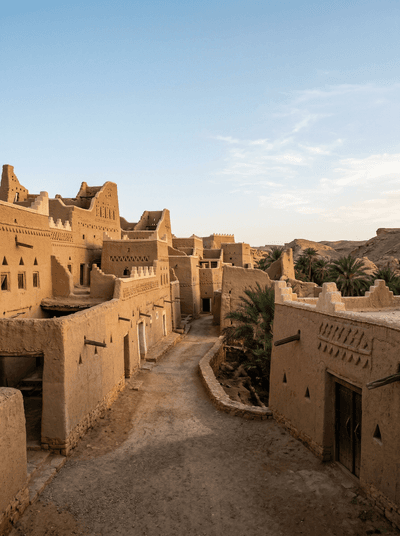
Diriyah
Saudi Arabia
Mud-brick fortress walls still sharp-edged against the Najdi sky after three centuries.
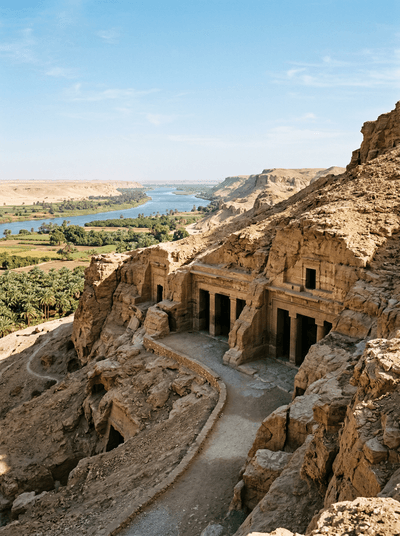
Beni Hasan
Egypt
Rock-cut tombs high on a cliff face, their four-thousand-year-old wrestlers still mid-grapple on the walls.
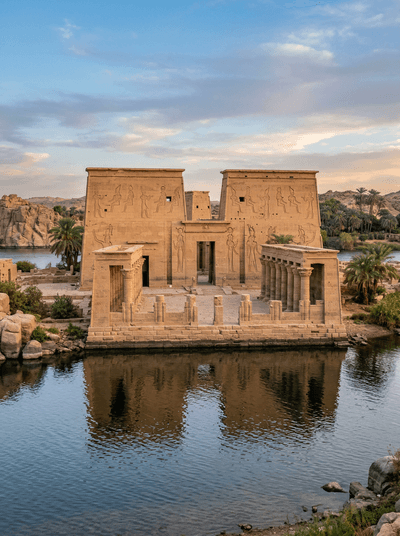
Philae Temple
Egypt
A temple rescued from rising waters, reassembled stone by stone on an island in the Nile.
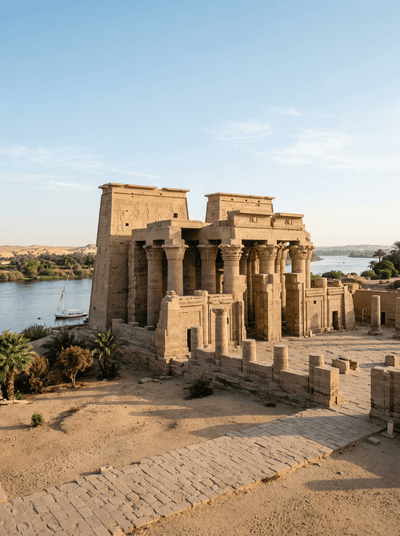
Kom Ombo
Egypt
A temple split between crocodile god and falcon, mummified crocs filling the gallery beside it.
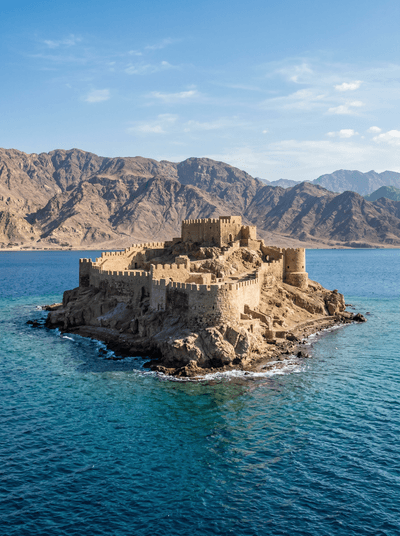
Pharaoh's Island
Egypt
Crusader-contested fortress on a Gulf of Aqaba island, four countries visible from its ramparts.