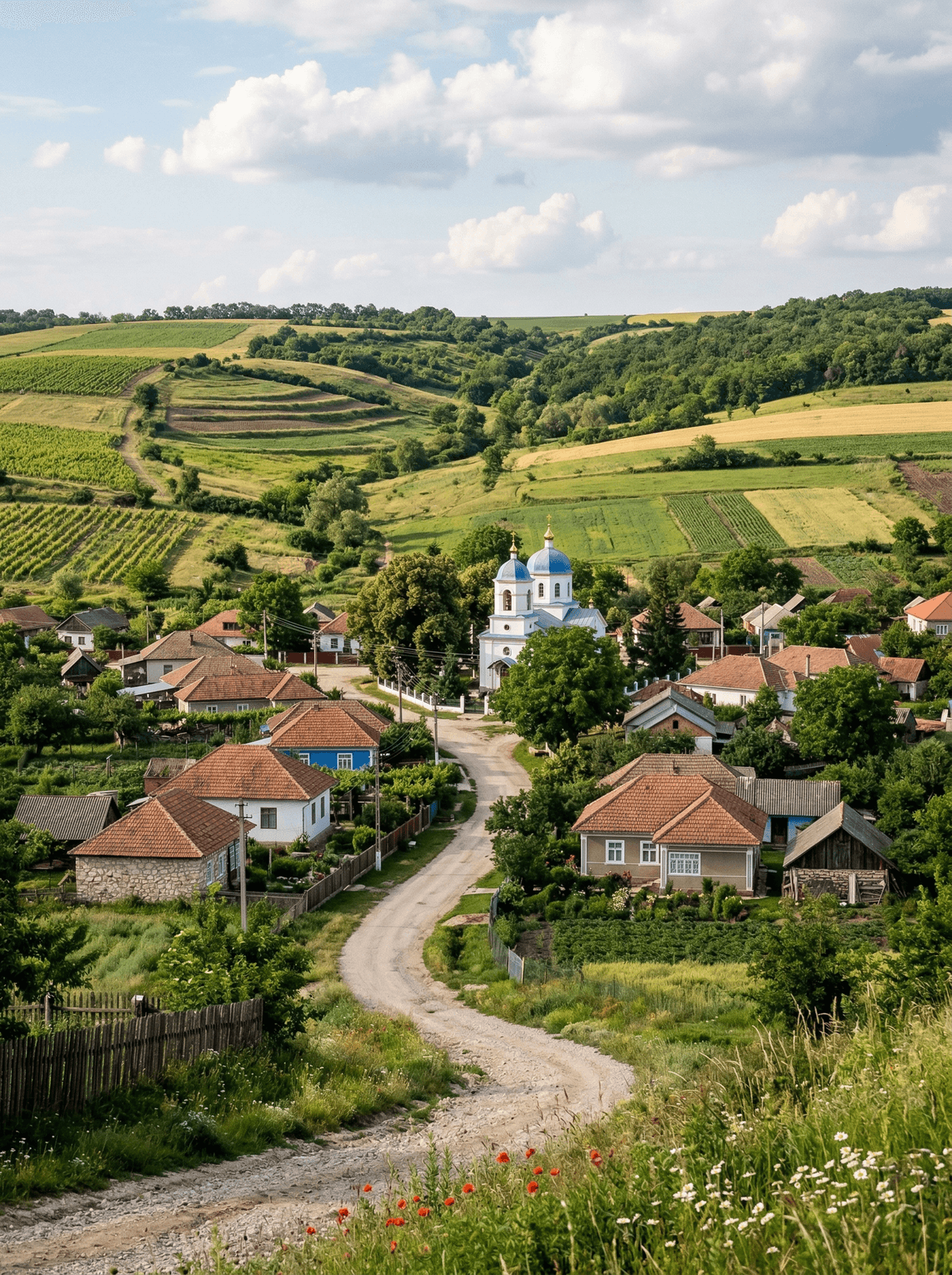
Moldova
Cișmichioi
Scythian burial mounds rise from Mediterranean steppe that should not exist this far north.
Dry grass hisses in the wind across a flat horizon broken only by low earthen humps. The air smells of wild thyme and baked soil. These mounds are not natural — they were raised by hand, grain by grain, 2,500 years ago by Scythian warriors who rode this steppe on horseback.
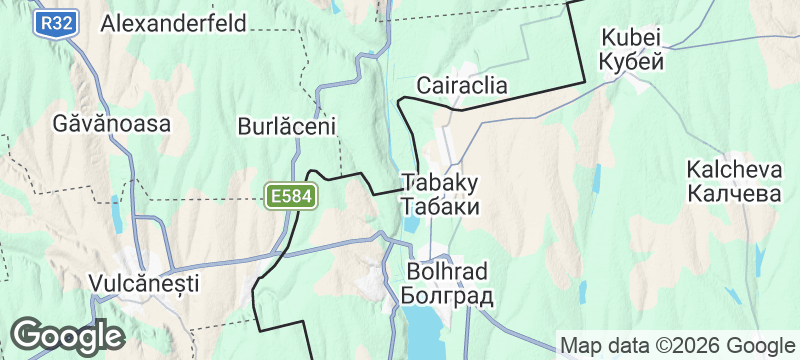
Cișmichioi sits in Moldova's southern Gagauzia region, where the Pontic steppe — a grassland biome more commonly associated with Central Asia — survives in a pocket that confounds biogeographers. Scythian burial kurgans here stand three to four metres above the surrounding flatland, earthen monuments raised by nomadic warriors who left no other permanent structures. The grassland hosts plant species typical of landscapes hundreds of kilometres to the east, including wild peonies that bloom briefly in late spring before vanishing entirely. Fewer than fifty foreign visitors reach Cișmichioi in a given year. The kurgans are unlabelled, unfenced, and entirely unattended — no ticket booth, no information board, no path.
Solo
Pure solitary exploration — no other visitors, no infrastructure, just you and a steppe that has barely changed since the Scythians walked it. Bring water, a map, and curiosity.
Couple
The spring peony bloom transforms the steppe into something fleeting and intimate — carpets of colour across ancient burial mounds, visible for a few weeks before they vanish.
Friends
A group expedition into a landscape that feels completely off the map of European travel. The remoteness and absence of any tourist infrastructure make it an adventure worth planning together.
- Scythian burial kurgans here stand 3–4 metres above flat steppe — earthen mounds raised 2,500 years ago by nomadic warriors who never built in stone.
- The surrounding grassland hosts plant species typical of the Pontic steppe — a biome more associated with Kazakhstan than central Europe.
- This corner of Gagauzia receives fewer than 50 foreign visitors per year; the kurgans are unlabelled, unfenced, and completely unattended.
- Spring brings a bloom of wild peonies across the steppe — a flower that disappears by June and leaves the landscape entirely transformed.
This deep in the south, food draws from Bulgarian and Turkish traditions — grilled peppers stuffed with feta and fresh herbs.
Roadside babushkas sell dried fruit leather and jars of pickled tomatoes from wooden crates.
Dhofar Frankincense Groves
Oman
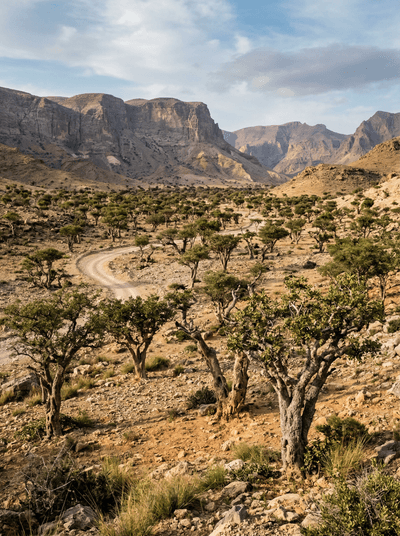
Gnarled trees bleeding white resin in wadis that supplied the world's incense for millennia.
Kejimkujik National Park
Canada
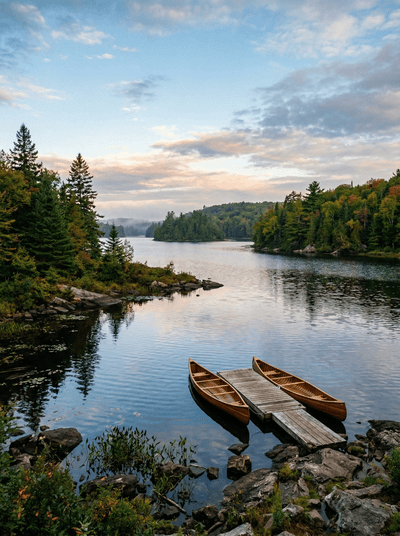
Mi'kmaw petroglyphs line canoe routes through a dark sky reserve where paddling feels like time travel.
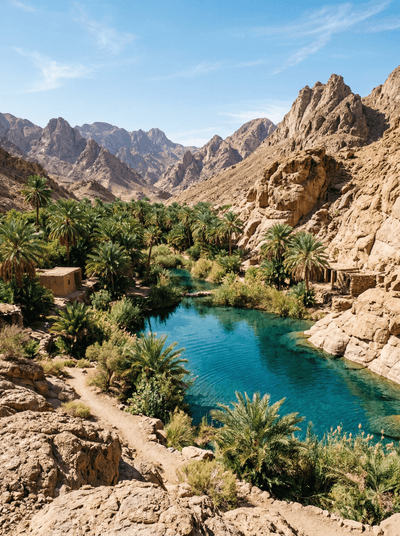
Ain Khudra
Egypt
A hidden green oasis cupped inside a red Sinai canyon, palm trees erupting from bone-dry rock.
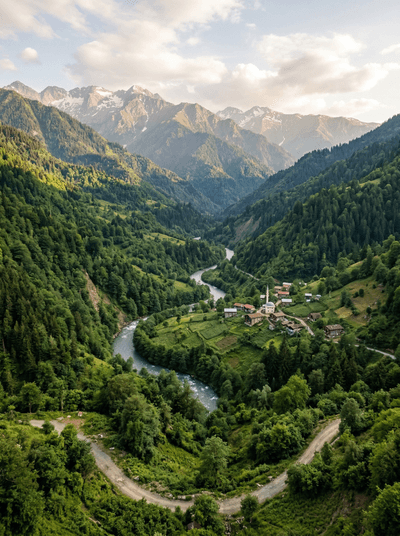
Camili Valley
Turkey
Turkey's first UNESCO biosphere reserve, where Georgian churches hide in forests no road reaches.
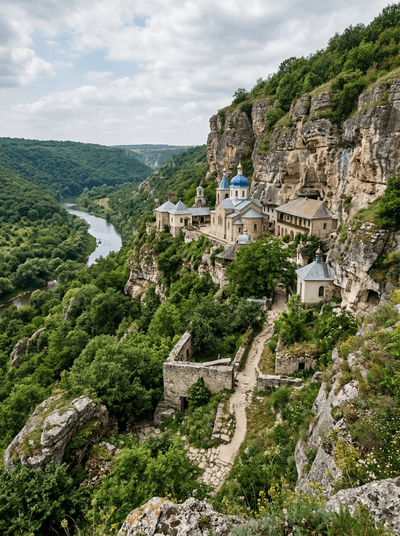
Saharna
Moldova
Twenty-two waterfalls through a wooded gorge to a monastery where pilgrims kiss a footprint in stone.
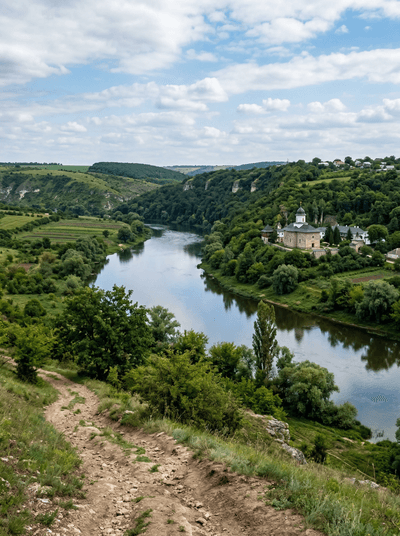
Rudi
Moldova
A Dniester cliff monastery marking the exact survey point where nineteenth-century scientists first measured the Earth.
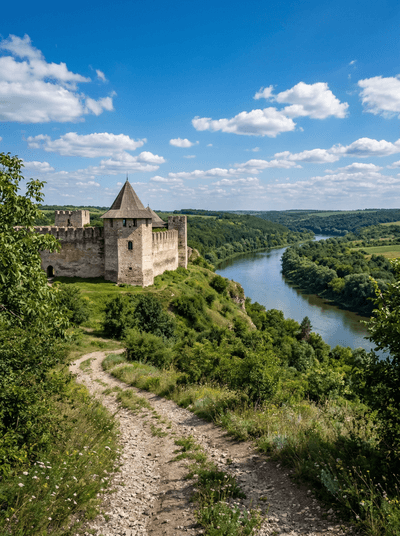
Cosăuți
Moldova
Palaeolithic cave dwellings peer from Dniester cliffs where ancient hunters watched the river for migrating game.
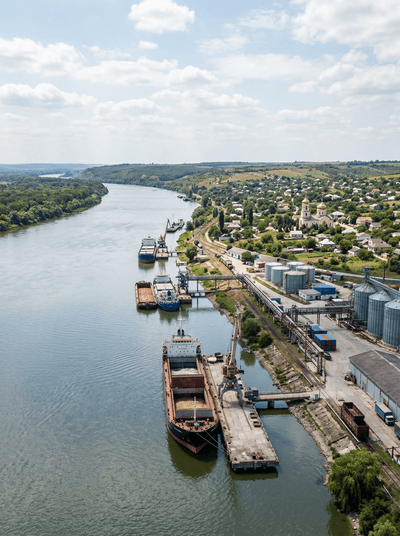
Giurgiulești
Moldova
Moldova's only port — a Danube sliver where a landlocked country's ships finally reach open water.