Brazil
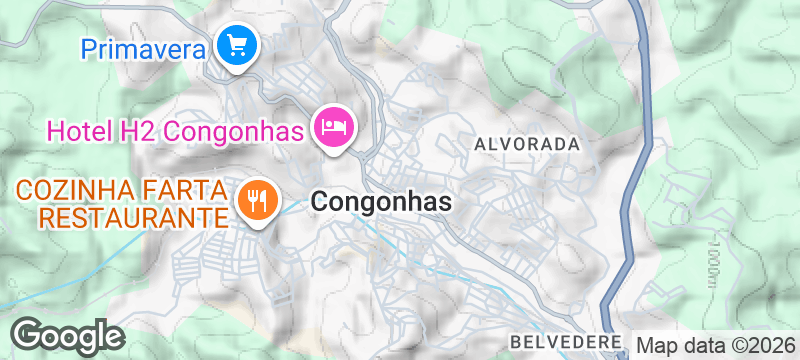
Congonhas
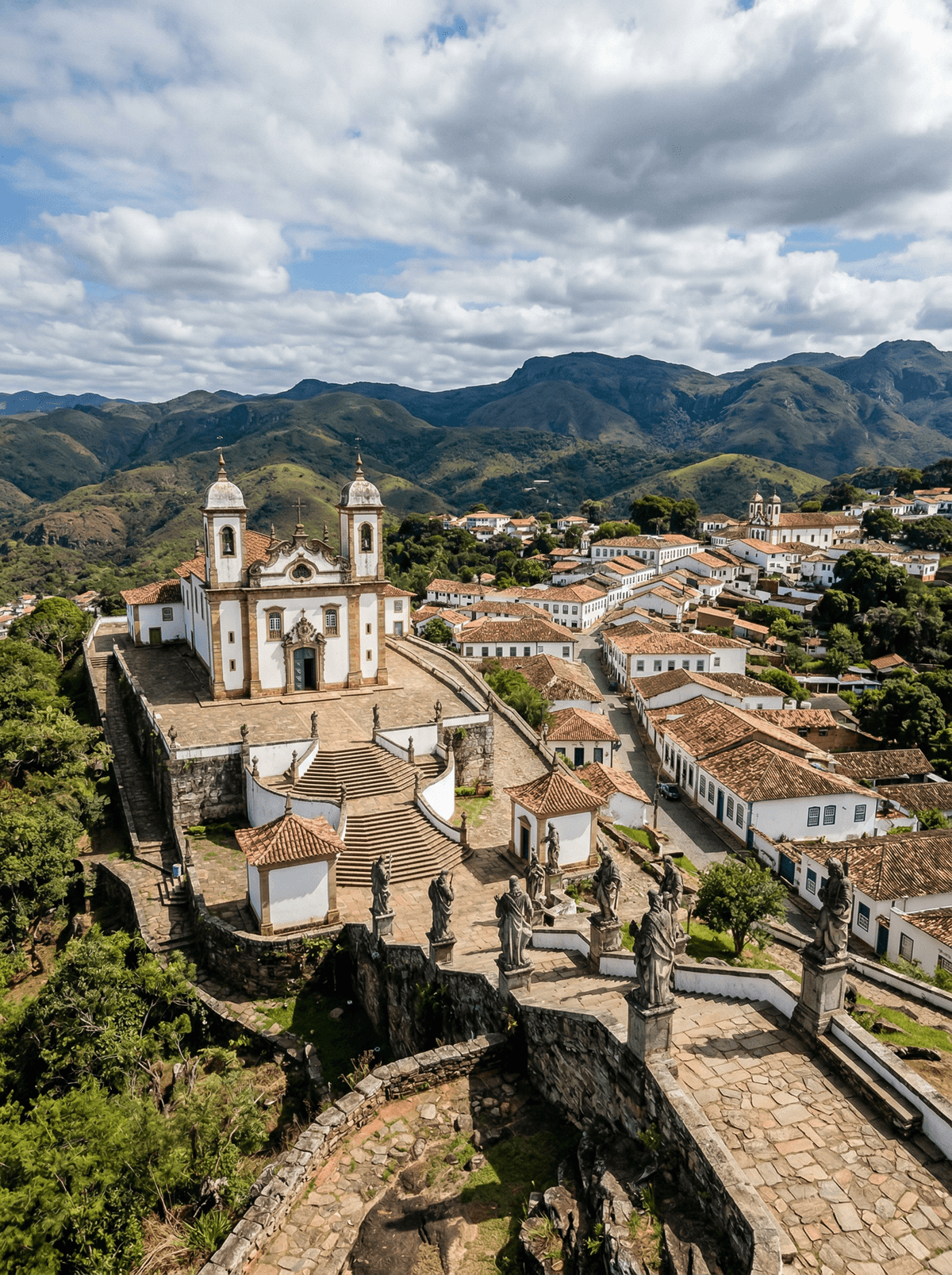
Twelve life-size soapstone prophets, each holding his own prophecy in Latin, cut by a failing sculptor.
The twelve stand on the adro in front of the church, life-size in soapstone, dressed in the oriental fashion, each holding a cartouche with his own prophecy on it in Latin. Aleijadinho and his assistants cut them between 1800 and 1805, when he was already gravely ill. They have names: Jeremias, Isaías, Baruc, Ezequiel, Daniel, Oséias, Joel, Amós, Abdias, Jonas, Naum and Habacuc.
The church behind them began as a sick man's promise. Feliciano Mendes, a miner travelling with Bartolomeu Bueno's bandeira, fell gravely ill, swore to work only in the service of Bom Jesus de Matosinhos if he recovered, and once cured spent his life collecting alms for a temple he never saw finished. It went up across the whole eighteenth century and was only completed late in the nineteenth, and the municipality is clear about what earned it UNESCO's list, which is the roll of people who worked on it: the painters João Nepomuceno Correia e Castro, Manuel da Costa Ataíde and Bernardo Pires, the carver Jerônimo Félix, the builder Francisco de Lima Cerqueira, the gilder João de Carvalhais, and Aleijadinho among them. Before the prophets came the Passion, 66 cedar figures across six chapels, from the Last Supper to the Crucifixion, cut between 1796 and 1799. The sanctuary entered IPHAN's Livro de Tombo de Belas Artes in 1939 and the UNESCO list in 1985.
Solo
Come on a Wednesday if the week allows it. The museum runs one until nine that day and charges nothing, which leaves the whole afternoon out on the adro while the light goes off the soapstone.
Couple
May and September are two different towns. The Festival da Quitanda takes the Praça da Romaria and the Alameda for two days in mid-May, while the Jubileu fills nine days of September with masses from six in the morning, and the prophets have plenty of company that week.
- Sixty-six cedar figures of the Passion fill six chapels, carved by Aleijadinho and his team between 1796 and 1799 and painted by Manuel da Costa Ataíde and Francisco Xavier Carneiro.
- The Salão dos Ex-votos holds a collection of 89 pieces that IPHAN listed on 29 January 1981: paintings, portraits, letters and wax arms, hands and heads.
- The Museu de Congonhas was the first purpose-built site museum in Brazil, ten reais to enter, five for students and over-sixties, and free on Wednesdays.
- The Jubileu do Senhor Bom Jesus reached its 244th edition over nine days of September 2025, with a men's procession leaving the Rosário church at ten at night.
Cubu, the quitanda that belongs to this town alone: fubá, sugar, fennel seed and clove, baked inside a banana leaf.
Chá de Congonha, brewed from the native plant the town is named after, handed round free at the May quitanda festival.
Saltaire
England
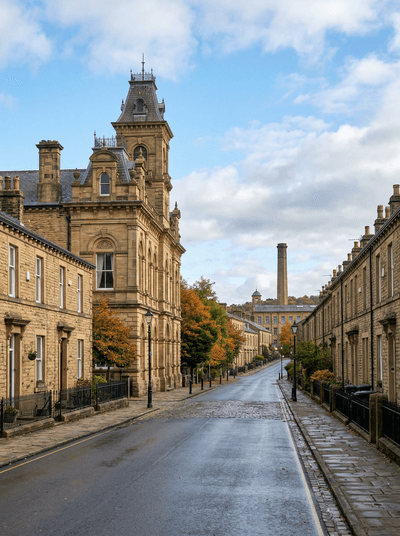
A utopian mill town built by one man's conscience, perfectly preserved beside the canal.
Shigar
Pakistan
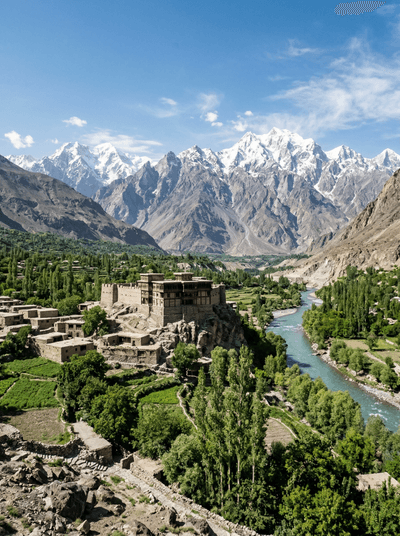
A 400-year-old Balti fort with Tibetan woodwork, rebuilt as a hotel where you sleep inside history.
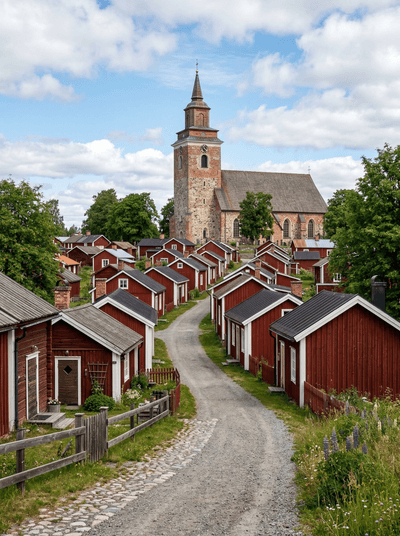
Gammelstad Church Town
Sweden
Over four hundred red wooden cottages huddled around a medieval church, frozen in communal piety.
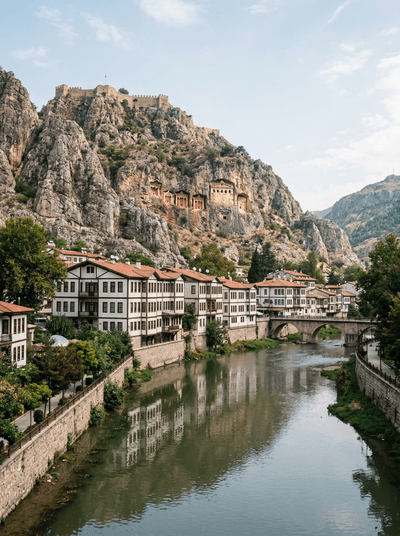
Amasya
Turkey
Ottoman mansions reflected in a narrow river gorge, Pontic rock tombs carved into the cliff above.
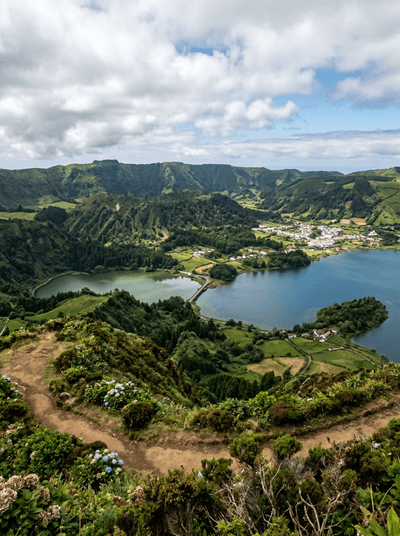
Sete Cidades
Brazil
Sandstone eroded into what look like seven separate cities, with rock paintings inside them.
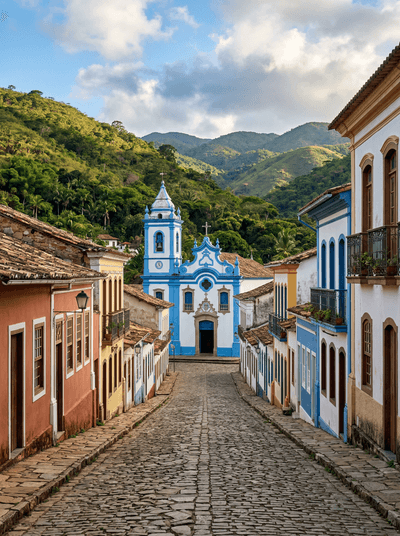
Triunfo
Brazil
Fog on dry-stone walls, in a scrap of rainforest stranded above the drought country.
Canudos
Brazil
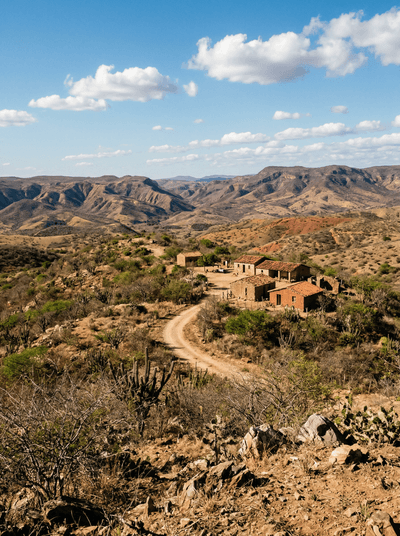
Canudos fell with four left in a trench: two men, an old man, a boy.
Itaúnas
Brazil
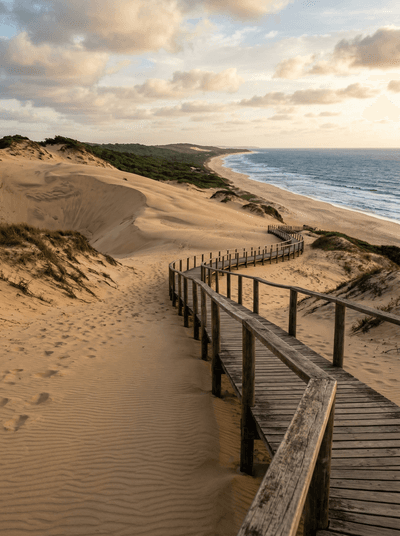
Sand dunes that swallowed an entire village, now a forró-dancing outpost on a wild coast.