Egypt
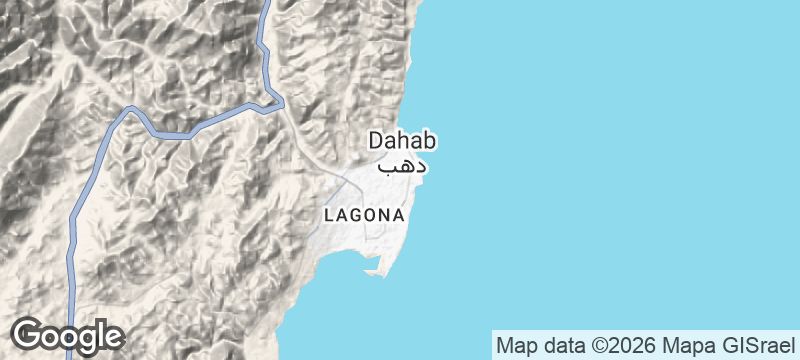
Dahab
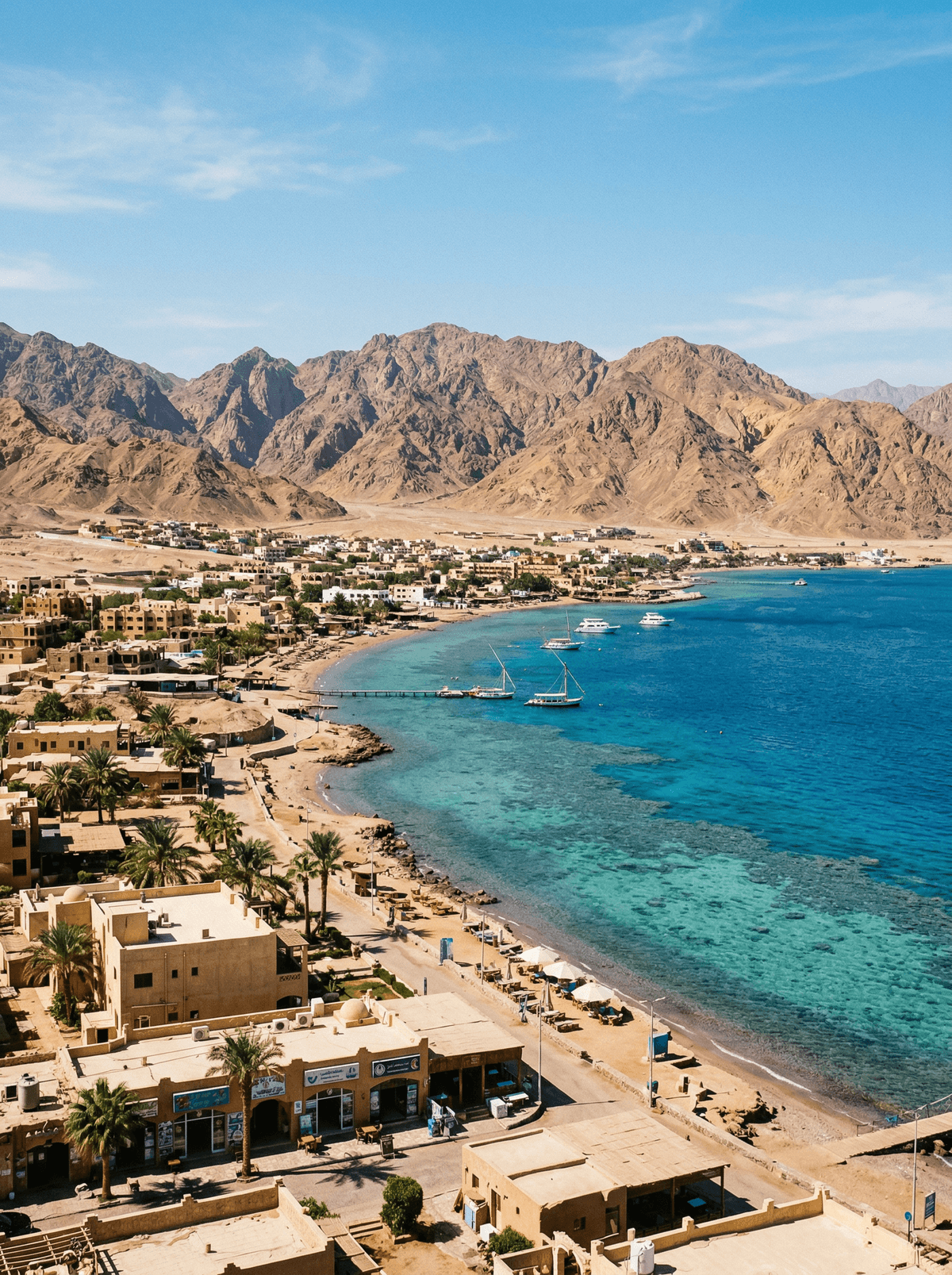
Desert mountains plunging into reef walls where freedive ropes disappear into blue-black nothing.
The Sinai mountains drop into the Gulf of Aqaba so steeply that the reef wall starts within wading distance of shore. Freedive ropes descend into blue-black water at the Blue Hole while the desert rises behind the beach in tiers of red and ochre granite. Dahab's sound is wind, waves, and Bedouin cafes that never quite close.
Dahab is a former Bedouin fishing village turned freediving and scuba capital. The Blue Hole — a submarine sinkhole plunging beyond a hundred metres — draws divers from across the world; the Bells entry drops down an eroded gash in the reef to 45 metres, and the Canyon snakes up from depth nearly closed over at the top. Shallower reefs at Lighthouse and Eel Garden give some of the Red Sea's most accessible snorkelling, and the desert hinterland answers with canyon hikes and Bedouin-guided treks.
Friends
Take a beachfront camp between you, alternate Blue Hole mornings with Lighthouse afternoons, and settle dinner at the fish display.
- The Blue Hole, nine kilometres north of town, is one of the most famous freedive sites on Earth.
- The Bells drop is a slot in the reef itself — divers descend a natural chimney straight off the shore.
- Lighthouse reef is a ten-minute walk from the centre, no boat needed — the coral starts at knee depth.
- Waterfront camps still rent simple rooms and cushions, with the mountains turning pink across the water each morning.
Nemo, in Mashraba, cooks the day's catch to order — prawns, squid and whole fish, tables overlooking the bay.
At Friends you choose your fish from the display and argue the method: grilled, baked or fried.
Jericoacoara
Brazil
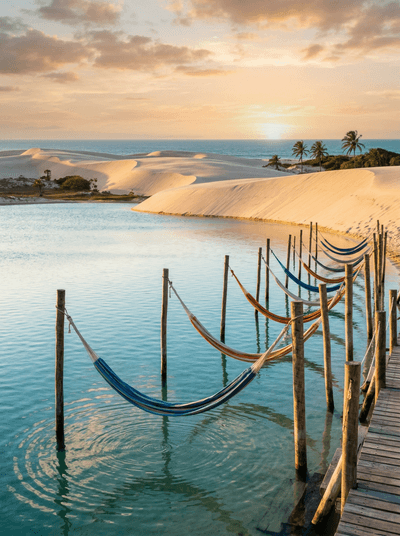
In July the sun sets exactly through the cleft in the Pedra Furada.
Nananu-i-Ra
Fiji
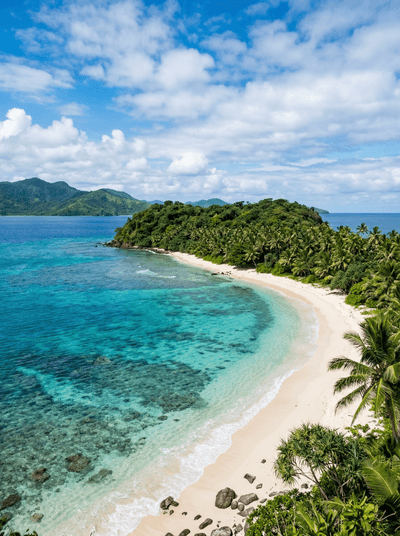
Fiji's wind-battered outlier: kitesurfers skip across trade-wind chop while the rest of the islands doze.
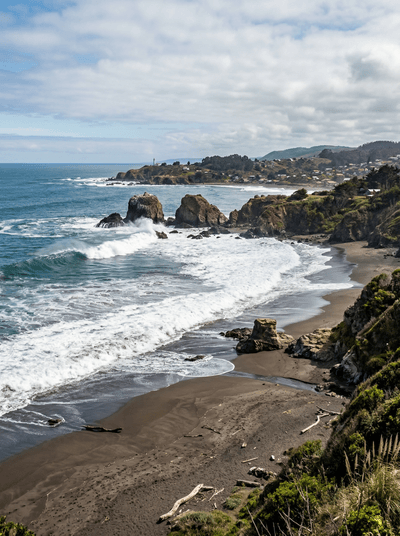
Pichilemu
Chile
Pacific swell, black sand and long lunches give Chile's surf town an easy rhythm.
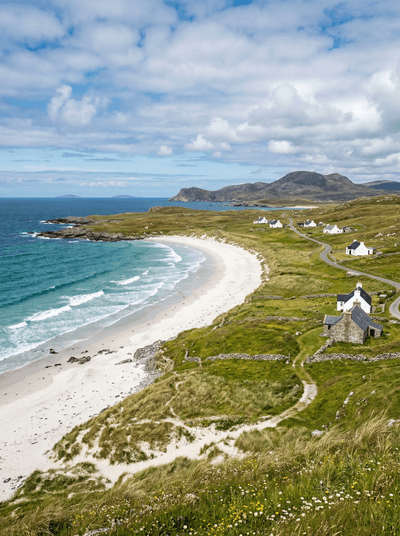
Tiree
Scotland
Scotland's sunniest island lies flat as a table, wind-scoured into surf of rare quality.
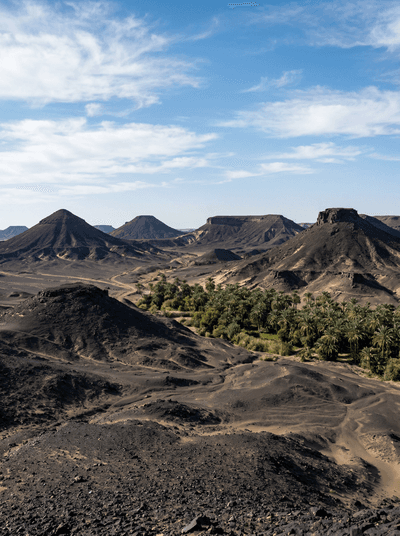
Bahariya Oasis
Egypt
Hot springs steaming in palm groves where golden mummies were unearthed beneath a donkey path.
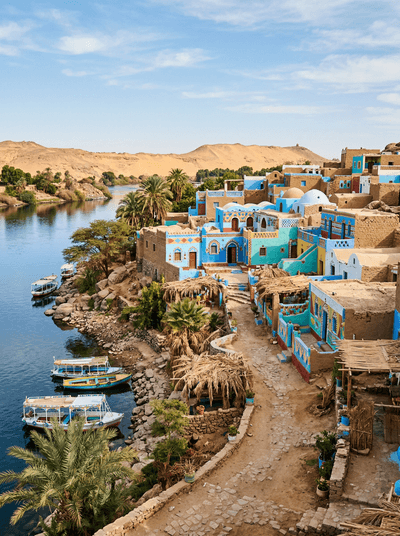
Nubian Villages
Egypt
Houses painted impossible blue and yellow, a language older than Arabic spoken on every corner.
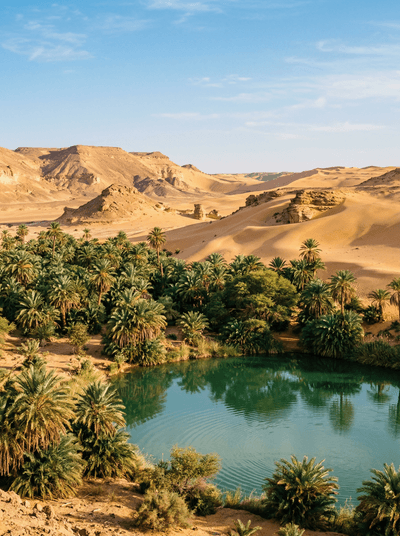
Dakhla Oasis
Egypt
Medieval mud-brick lanes and carved lintels marooned in the deep desert for eight centuries.
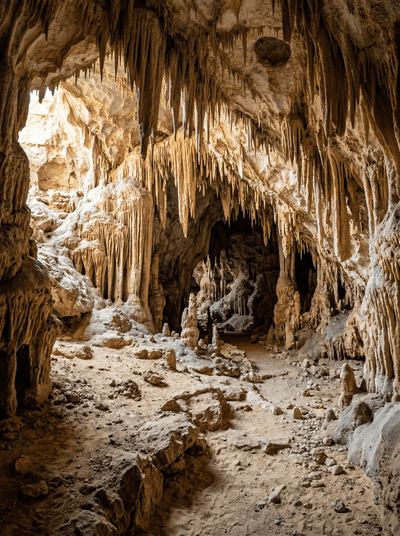
Djara Cave
Egypt
Stalactites hanging in a desert cave where someone painted giraffes when the Sahara was green.