Egypt
Dimeh es-Seba
Ptolemaic city abandoned to desert, its processional road still running toward a vanished lake.
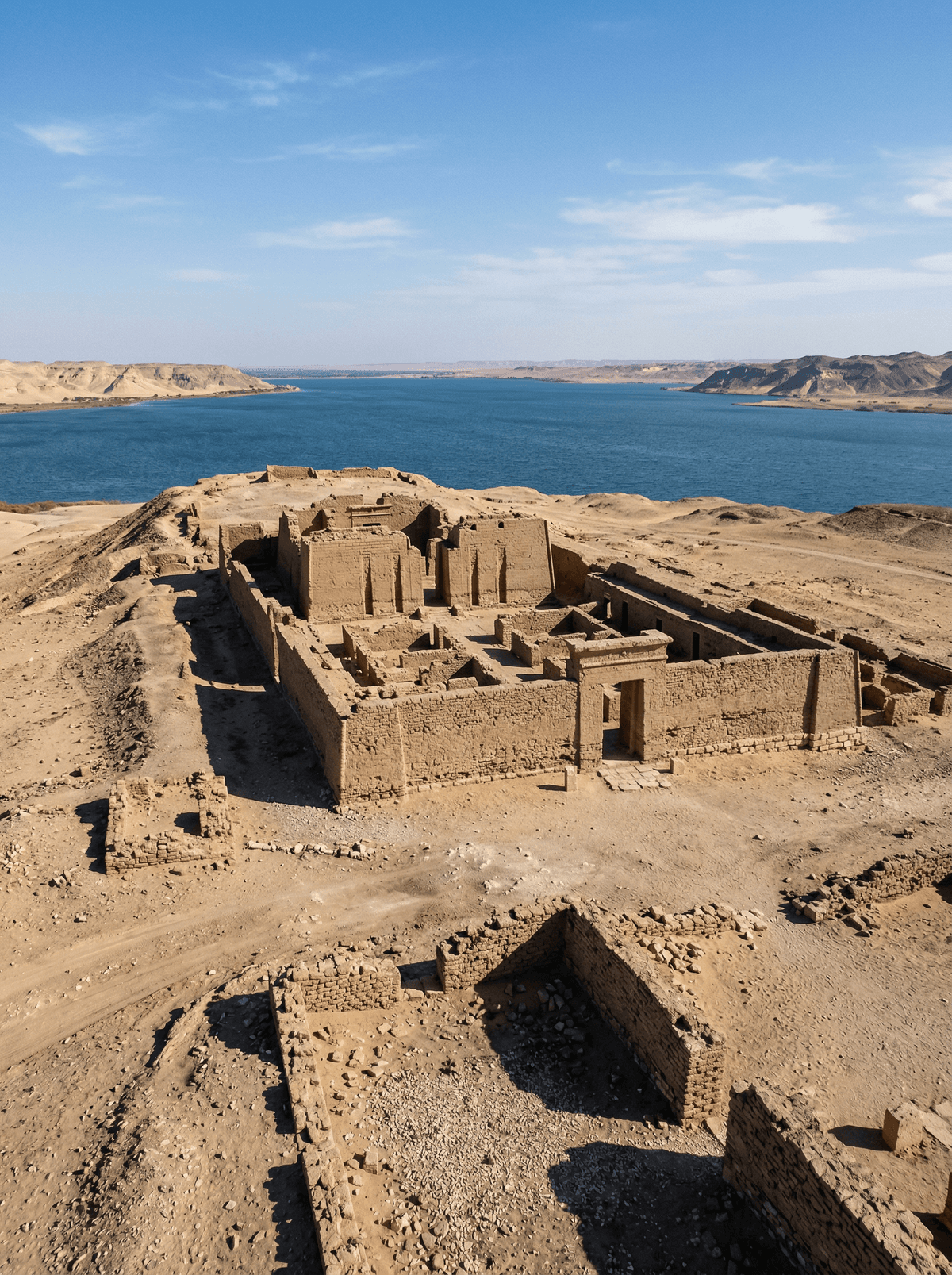
Sand has taken everything from Dimeh es-Seba except the bones. Walls of a Ptolemaic temple still stand waist-high in the desert, and the ancient processional road runs arrow-straight toward the shore of a lake that evaporated centuries ago. The silence is total — no guards, no fences, no footprints but yours across the dunes that have buried most of the city.
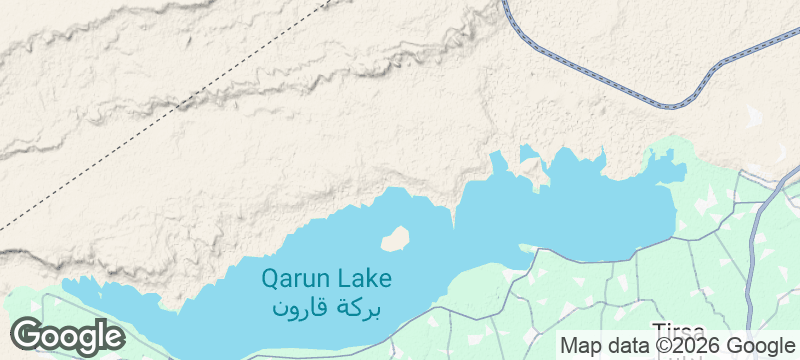
Dimeh es-Seba — ancient Soknopaiou Nesos — was a fortified Graeco-Roman town on the northern shore of Lake Moeris in Egypt's Fayoum region, occupied from the third century BCE until the third century CE. The city thrived on the worship of the crocodile god Sobek, and its temple precinct served as both religious centre and economic hub. When the lake retreated, the population left, and the desert preserved what remained. The site has yielded thousands of papyri documents that transformed scholars' understanding of daily life in Ptolemaic Egypt. Today it sits in open desert north of Lake Qarun, accessible only by 4x4 across trackless sand, with no facilities, no entrance fee, and — most days — no other visitors at all.
Solo
The complete absence of infrastructure means you set your own pace through ruins older than most European civilisations. Pair it with Wadi El-Hitan and Medinet Madi for a full day of Fayoum desert exploration that feels like genuine discovery.
Friends
A group with a shared 4x4 and a sense of adventure turns this into a proper desert expedition — sandboarding the surrounding dunes, exploring the ruins, and camping under stars with no light pollution for hundreds of kilometres.
- The temple enclosure walls reach 12 metres — massive enough to be visible from several kilometres across flat desert before you arrive.
- The processional road extends 100 metres northward toward what was once the shore of Lake Moeris — the vanished lake is now dry sand.
- The site is entirely unguarded and unfenced — the walk across Fayoum desert from the nearest road takes about 45 minutes.
- Sycamore and acacia trees in the hollow below the ruins mark a seasonal spring — the only vegetation for kilometres in any direction.
Pack everything from Fayoum city — Dimeh is deep desert with no facilities whatsoever.
Sandboard the dunes and then picnic among ruins older than most European civilisations.
Return to Fayoum for roast duck and rice, the regional comfort food after a desert day.
Gwichʼin Settlement Region
Canada
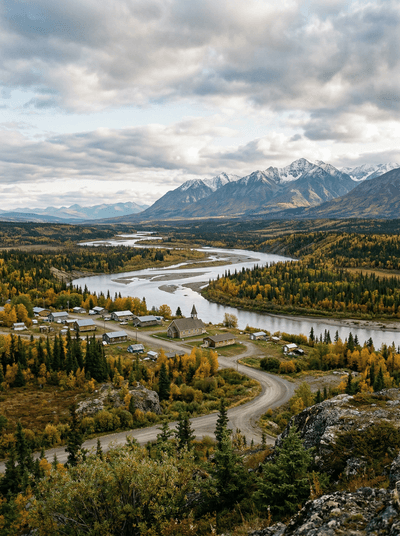
Where the Porcupine caribou herd — 200,000 strong — pours across the tundra every spring.
Unakoti
India
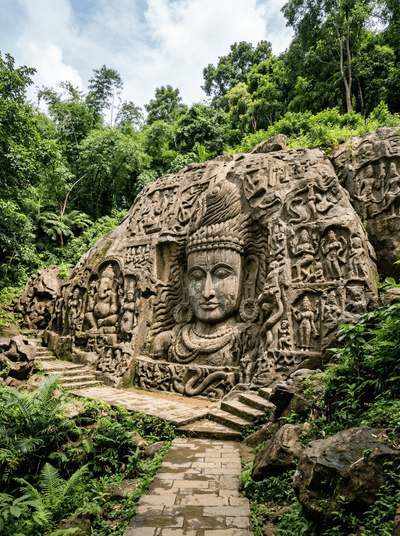
Massive stone faces of Hindu deities carved into a jungle cliff-face swallowed by vines.
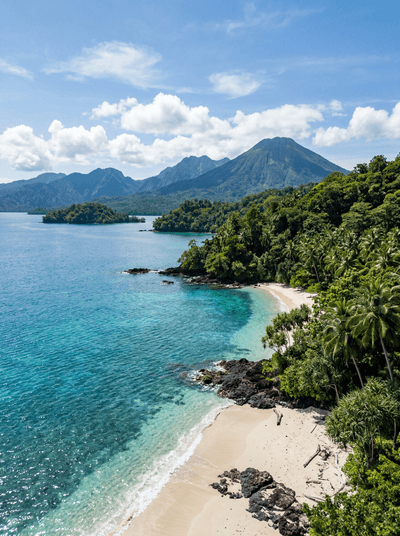
Halmahera
Indonesia
Two halves of one island hosting completely different species—where Wallace drew the line between worlds.
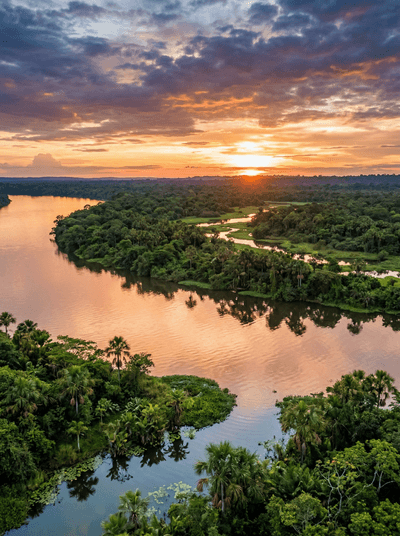
Bananal Island
Brazil
The world's largest river island — a Karajá homeland where the Araguaia splits into two channels.
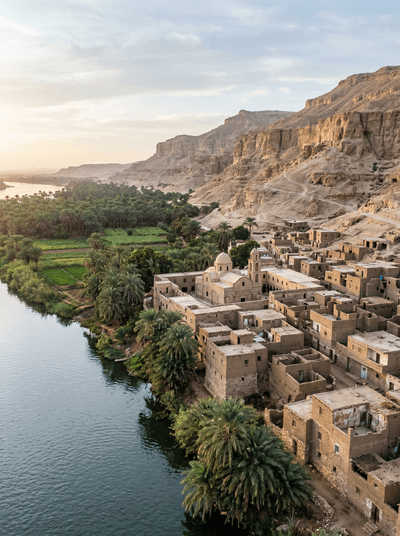
Deir Abu Hinnis
Egypt
Roman-era limestone quarries with workers' graffiti and a hidden early Christian chapel inside.
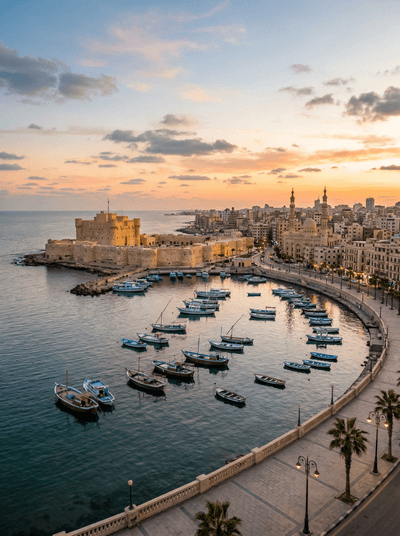
Alexandria
Egypt
Salt-weathered Mediterranean balconies above a seafront where Cleopatra's palace lies submerged offshore.
Luxor
Egypt
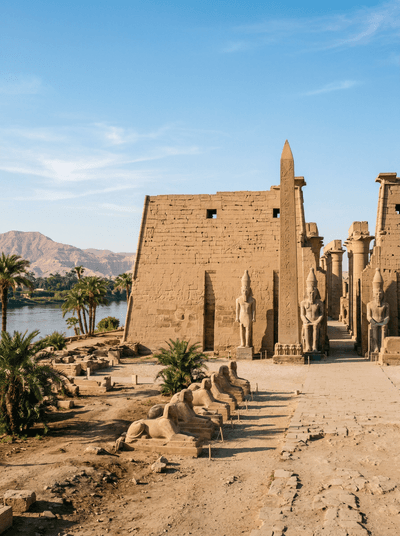
Dawn light flooding Karnak's hypostyle hall through columns carved before Rome existed.
Speos Artemidos
Egypt
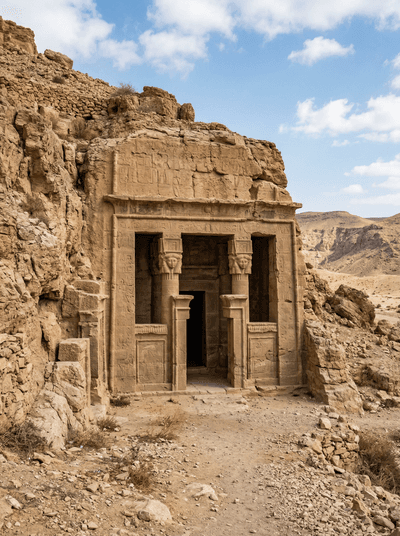
Hatshepsut's rock-cut temple hidden in a desert wadi, her carved queen's face still defiant.