Egypt
Kellia
Over a thousand monk cells buried under delta farmland — a desert monastery sprawling for kilometres.
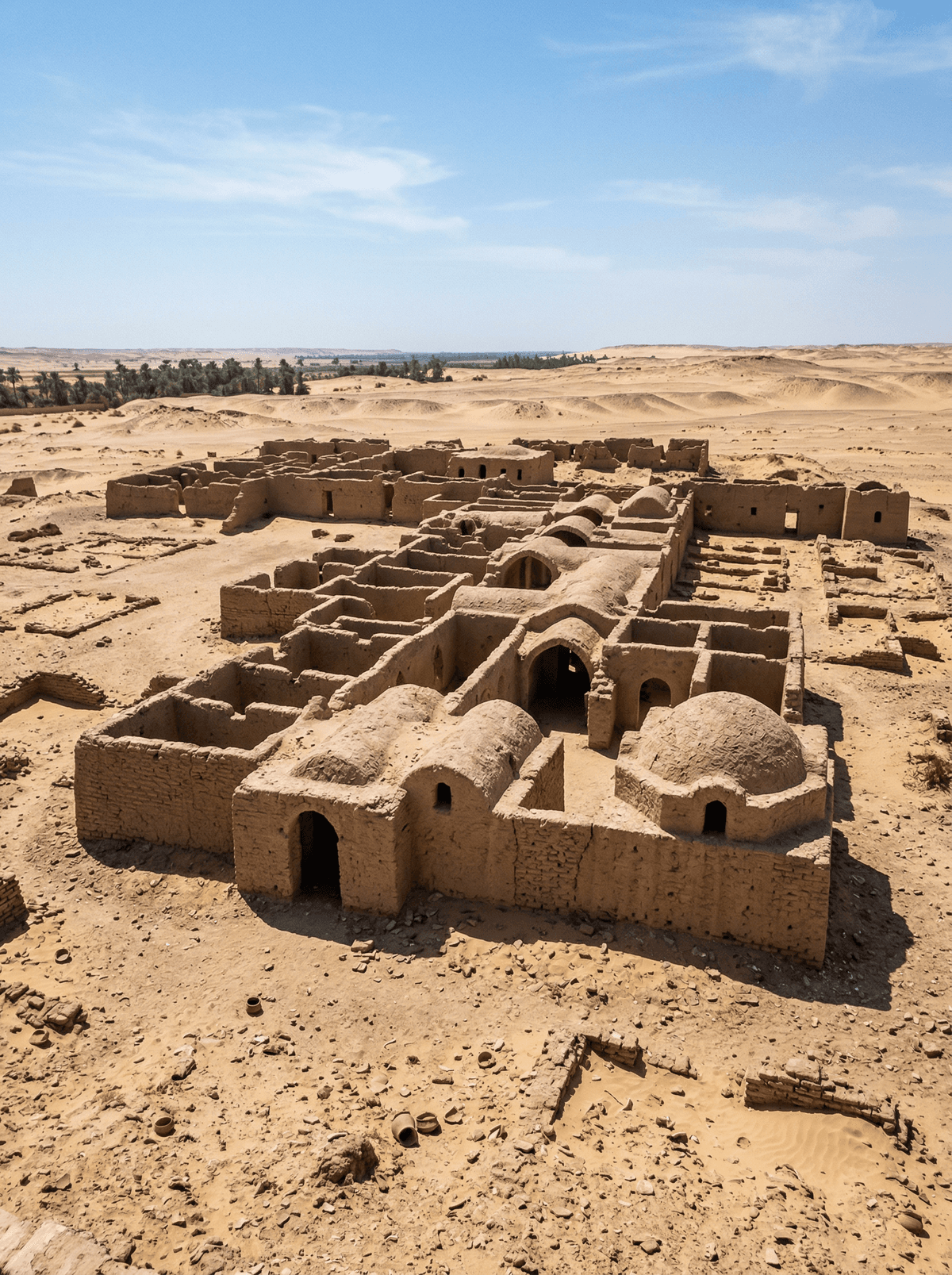
Flat delta farmland stretches in every direction, green and mundane. Then the excavation trenches appear — foundations of cells, chapels, and refectories stretching across the plain, the remains of a monastic community so vast it defies easy comprehension. Thousands of monks once lived here. The land remembers nothing of them above the surface.
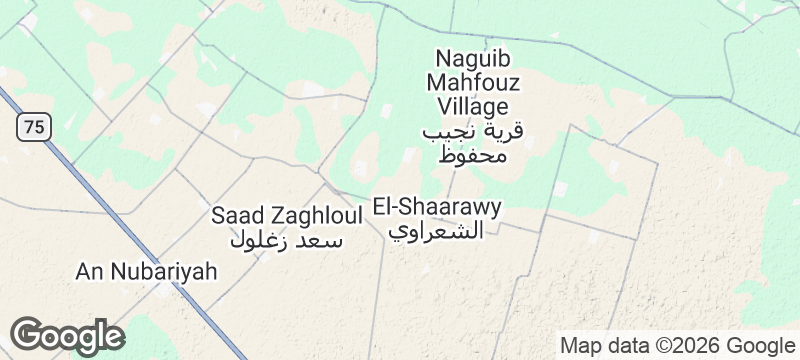
Kellia — the Cells — was one of the three great monastic settlements of Egypt's Western Desert, founded in 338 CE by Macarius the Great's disciple Amoun. At its peak, the community housed thousands of monks in individual hermit cells scattered across roughly 125 square kilometres of what was then desert, now reclaimed as Nile Delta farmland. French and Swiss archaeological missions excavated hundreds of cells between the 1960s and 1990s, revealing painted chapels, communal kitchens, and a sophisticated water management system. Much of the site has since been lost to agricultural expansion and construction, making what remains increasingly urgent for preservation. Kellia is located between Alexandria and the Wadi Natrun, accessible but almost entirely unknown to visitors.
Solo
Kellia is for the traveller who finds meaning in absence — in walking across farmland knowing that beneath your feet lies the largest monastic community of the ancient world, now almost entirely invisible.
- More than 1,500 individual hermitages have been identified across the site — the largest single monastic settlement in Christian history.
- Excavated monk cells contained 4th-century painted oratories, personal possessions, and food storage — an unusually intimate archaeological record of daily life.
- The monk Evagrius Ponticus wrote his most influential theological works here in the 380s AD — texts that directly shaped medieval Western theology.
- The site now lies under active delta farmland with no visitor infrastructure — access requires permission through the Coptic Patriarchate.
Fresh buffalo-milk cheese and warm bread from delta farm families near the excavation site.
Vine-leaf dolma and slow-braised duck at roadside restaurants between Alexandria and the ruins.
Nahanni Butte
Canada
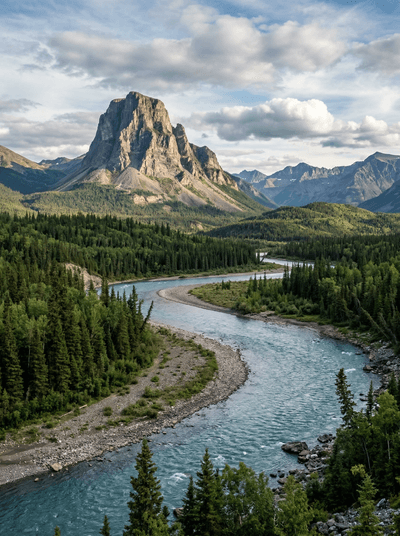
A Dene village of sixty people at the gateway to Canada's wildest river.
Erromango
Vanuatu
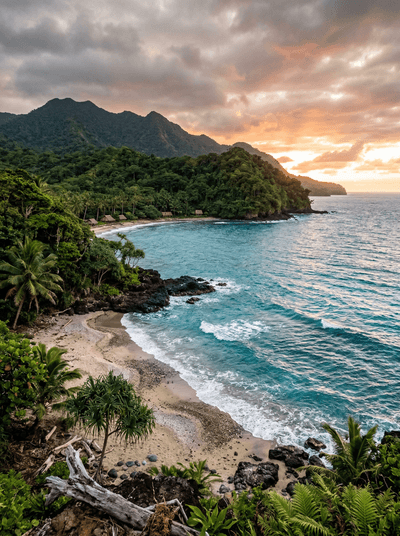
Missionaries killed on this beach in 1839 — vast kauri forests now stand where few tread.
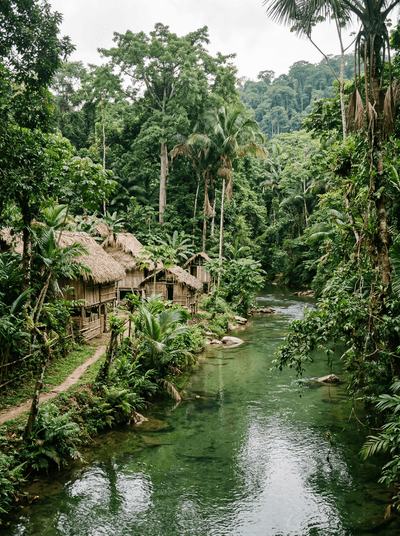
Lacanja Chansayab
Mexico
A Lacandón Maya village at the jungle's edge where the last rainforest guardians live.
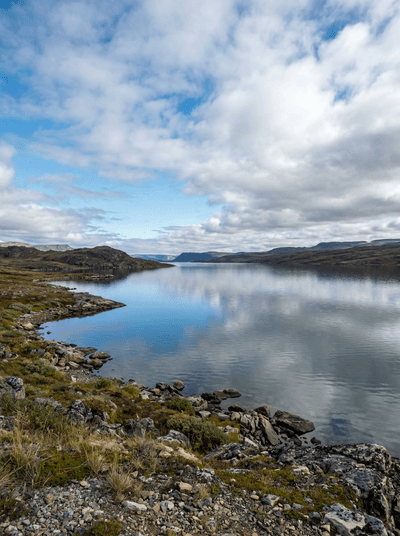
Baker Lake
Canada
The geographic centre of Canada is an Inuit hamlet where throat singers perform under midnight sun.
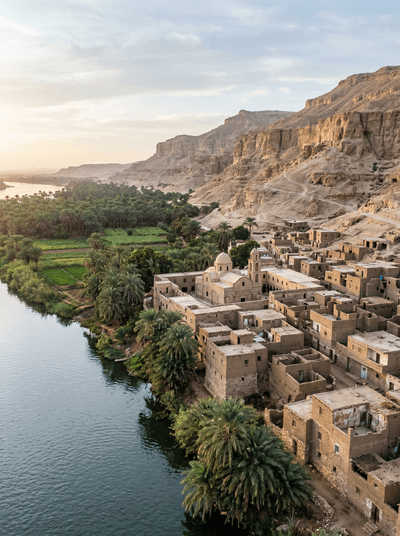
Deir Abu Hinnis
Egypt
Roman-era limestone quarries with workers' graffiti and a hidden early Christian chapel inside.
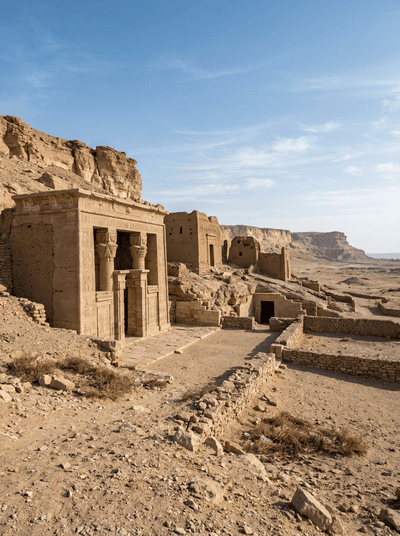
Tuna el-Gebel
Egypt
Catacombs stuffed with mummified ibises and baboons, sacred animals of a forgotten god.
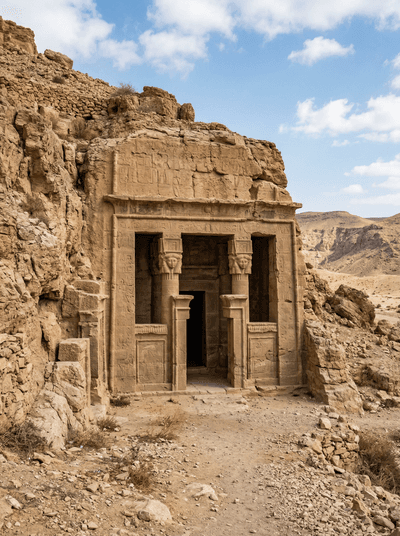
Speos Artemidos
Egypt
Hatshepsut's rock-cut temple hidden in a desert wadi, her carved queen's face still defiant.
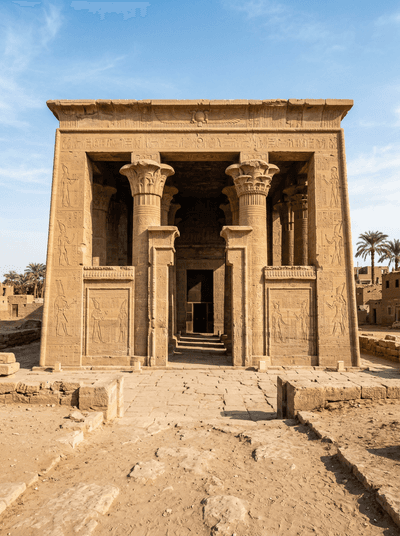
Esna
Egypt
A Ptolemaic temple buried nine metres below a modern town, its zodiac ceiling still overhead.