Egypt
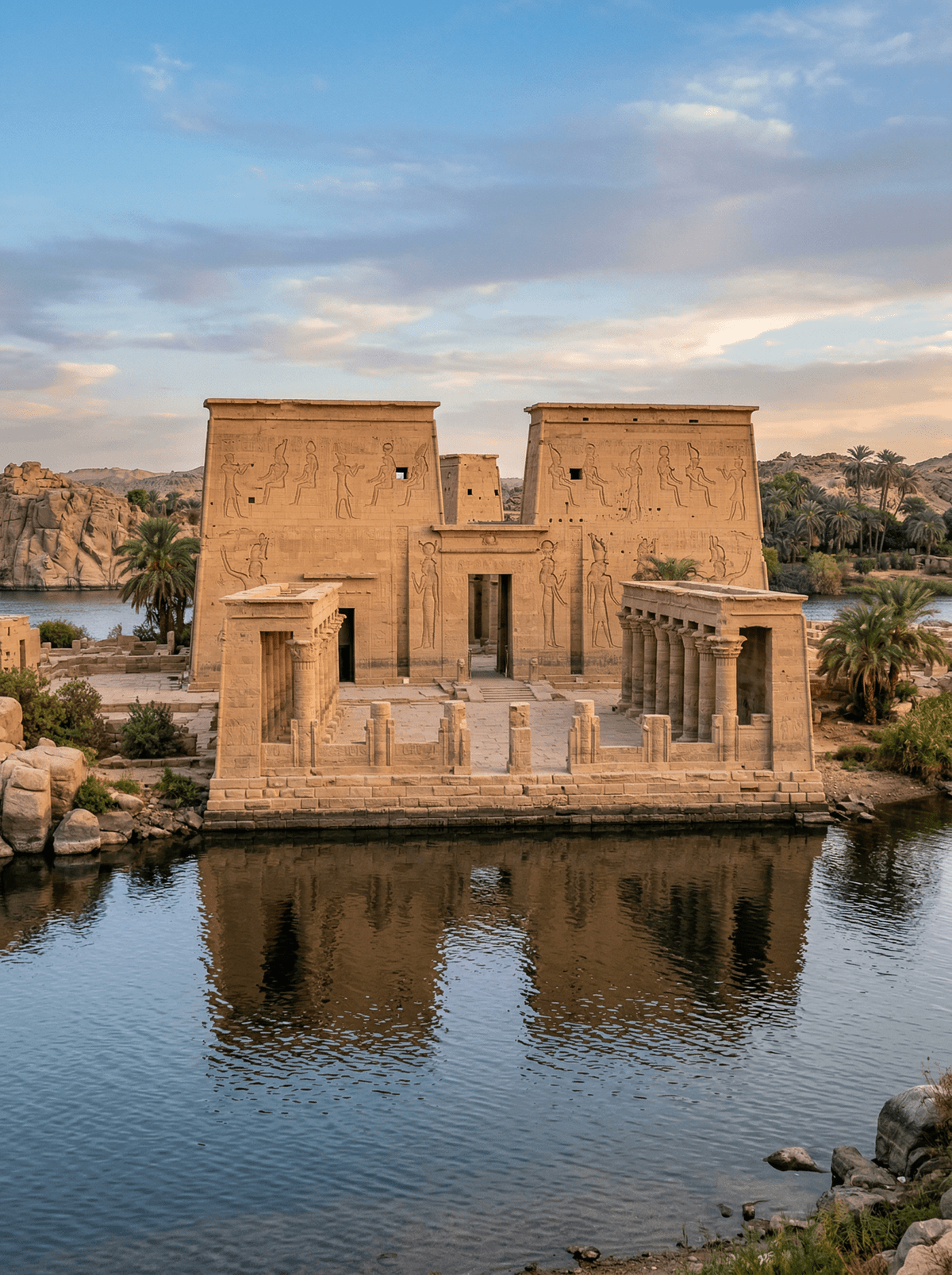
Philae Temple
A temple rescued from rising waters, reassembled stone by stone on an island in the Nile.
The motorboat cuts through blue-green water and the island rises ahead — columns, pylons and palms framed against bare granite hills. You step onto the quay where pilgrims once disembarked, and the temple of Isis unfolds in stages: courtyard, colonnade, inner sanctum, each stone reassembled in place.
Philae is the great temple of Isis, built through the Ptolemaic and Roman periods on an island the river later threatened to drown. Between 1972 and 1980, UNESCO's engineers documented, dismantled and rebuilt the whole complex on Agilkia Island above Lake Nasser's reach — tens of thousands of numbered blocks matched back into position. It was the last functioning outpost of the ancient Egyptian religion. Trajan's Kiosk still stands at the water's edge, fourteen columns raised for the Roman emperor in 113 AD.
Family
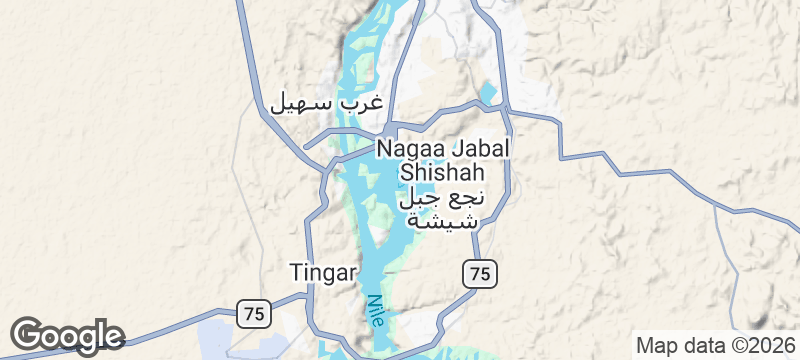
Take the taxi-boat across together — the island shows itself best from the water — then Nubian fatta at Gharb Soheil after.
- The final hieroglyphic inscription anywhere was carved here in 394 AD — the old religion's last words.
- UNESCO's eight-year rescue rebuilt the temple on higher ground without losing its original layout.
- The taxi-boat crossing takes ten minutes and circles enough of the island to show the temple from the water.
- Trajan's Kiosk was built for a Roman emperor — Egypt's gods still winning converts a century into empire.
At Gharb Soheil on the west bank, Solaih's Nubian kitchen serves fatta and grilled Nile fish.
Karkadeh — Aswan's hibiscus — comes hot or iced, and the boat-landing vendors brew tea strong and sweet.
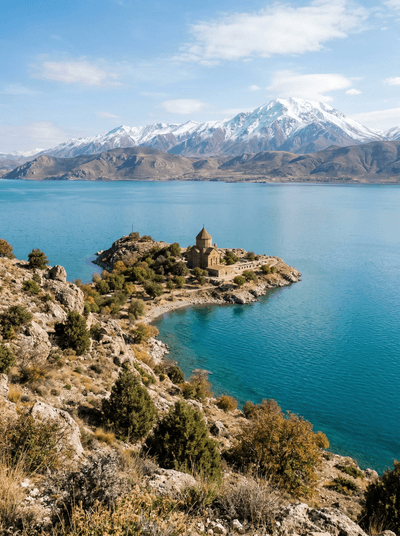
Lake Van
Turkey
A vast soda sea where you float without trying, ringed by snow-capped volcanoes.
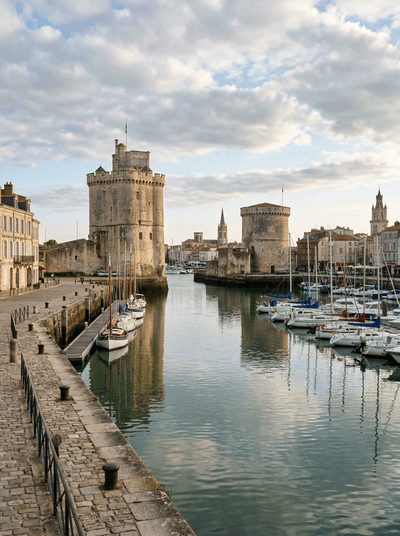
La Rochelle
France
Medieval towers guarding a harbour mouth where a chain once locked out the sea each night.
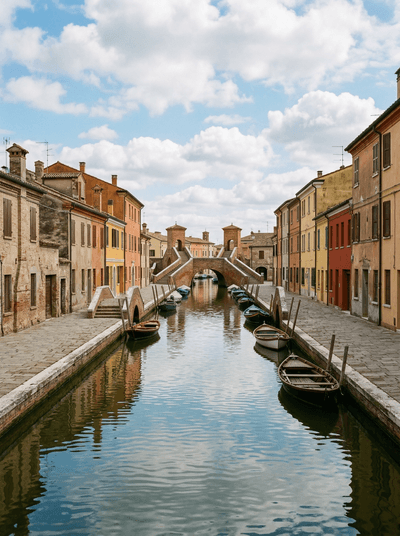
Comacchio
Italy
Canals thread a brick lagoon town whose fortunes have always swum in on the eels.
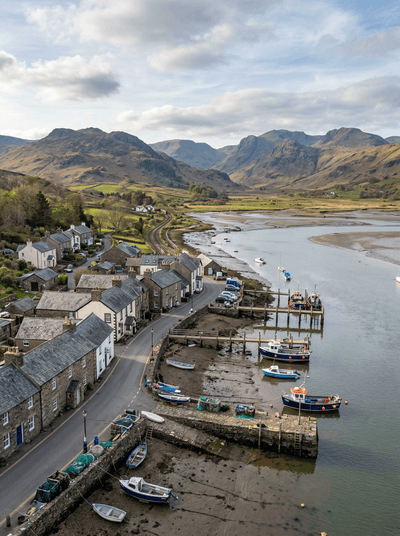
Ravenglass
England
A Roman bathhouse crumbles beside a narrow-gauge steam railway where the estuary empties to sand.
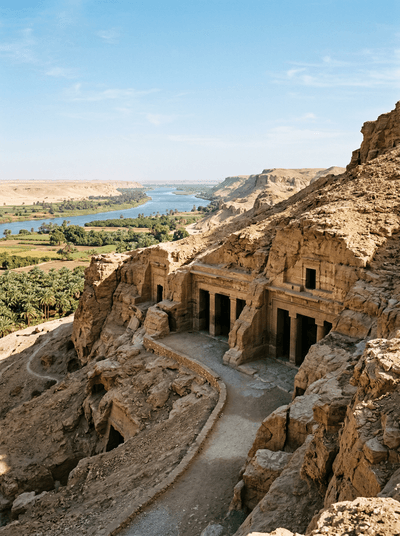
Beni Hasan
Egypt
Rock-cut tombs high on a cliff face, their four-thousand-year-old wrestlers still mid-grapple on the walls.
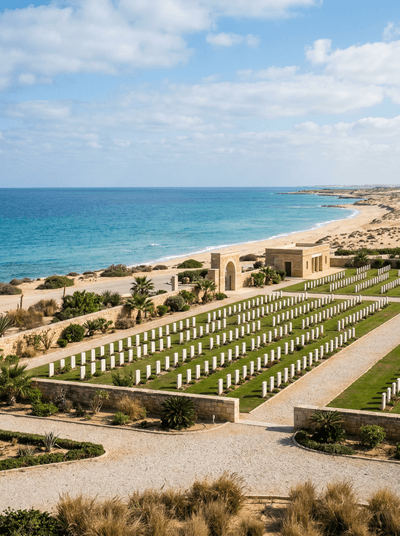
El Alamein
Egypt
White headstones in rows facing the Mediterranean, the silence of a battlefield that changed a war.
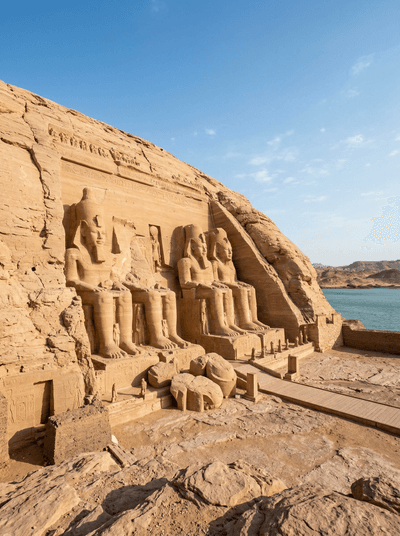
Abu Simbel
Egypt
Twice a year, dawn crawls sixty metres through solid rock to light a pharaoh's face.
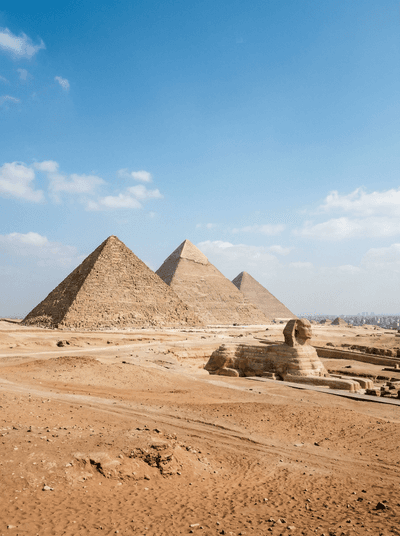
Giza
Egypt
Camel shadows stretch across sand where the last ancient wonder meets the Sahara's edge.