Japan
Himeji
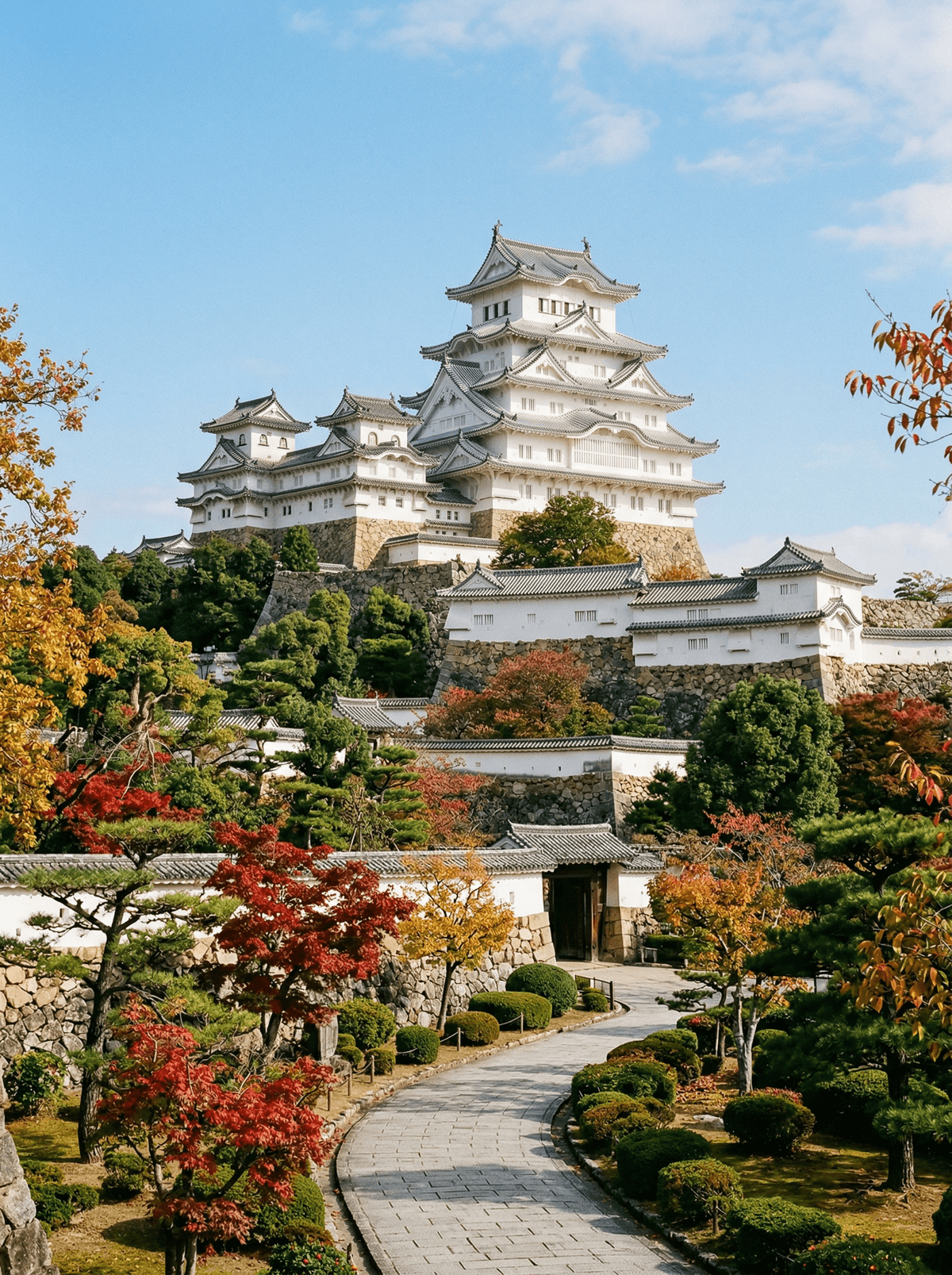
A white heron of a castle above the blossom: original timber, four centuries old, never taken.
It rises like a white heron about to take flight. Himeji Castle has stood through four centuries of war, earthquake, fire-bombing and neglect, its timber keep never destroyed and never rebuilt — one of only a handful of original castles left in Japan, and the finest of them. When the cherry trees around the moat bloom, the contrast of white plaster walls and pale pink is so clean it barely looks real.
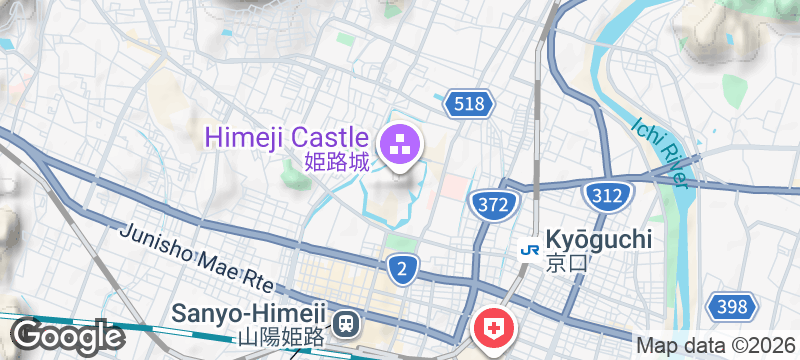
Himeji Castle is both a National Treasure and on UNESCO's World Heritage list — the complete early-seventeenth-century castle ensemble: a five-storey main keep and three smaller towers linked by covered corridors, inside concentric rings of walls, gates and moats. Where most Japanese castles are concrete reconstructions, Himeji's interiors are bare wooden floors and steep timber stairs, kept standing by centuries of careful repair. The defences are still legible as you climb — narrow loopholes for muskets, chutes for dropping stones, and a deliberately confusing maze of paths designed to disorient attackers, which works on visitors too. Kōko-en, beside the castle, is a compound of walled gardens in the Edo style, with a tea garden for the pause afterwards. Himeji eats its oden with ginger soy — a local habit so fixed it is a registered trademark — and anago conger eel from the shallow sandy coast is the lunch the town is proudest of.
Solo
Climbing the keep's steep interior stairs alone, reading the defensive architecture, and wandering Kōko-en's gardens at your own pace lets four centuries of history land without distraction.
Couple
Cherry-blossom season turns the moat into a pink mirror for the white walls. Kōko-en's tea garden and the evening illumination of the castle move the day from history to romance.
Family
Children enjoy the castle as a real fortress — stone-dropping chutes, hidden rooms and narrow stairs feel like an adventure — and Kōko-en's flat garden paths are the gentle counterpoint.
- The White Heron Castle has survived bombing, earthquakes and four hundred years of weather — Japan's finest original castle, a National Treasure and a UNESCO site.
- Bare wooden floors, steep timber stairs and a labyrinth of defensive corridors with trick paths built to confuse attackers are open to climb.
- The white plaster walls glow at sunset and under the cherry trees that ring the moat each spring.
- Kōko-en, beside the castle, is a compound of walled Edo-style gardens with a tea garden for the pause afterwards.
Anago conger eel from the sandy Harima coast — grilled in sweet sauce over rice, or as tempura and even sashimi at the specialist houses.
Himeji oden — daikon and konjac in light dashi, eaten with ginger soy instead of mustard — a local habit so fixed it is a registered trademark.

Durham
England
A Norman cathedral and castle perched on a river peninsula like a medieval island.

El Alamein
Egypt
White headstones in rows facing the Mediterranean, the silence of a battlefield that changed a war.
Uxmal
Mexico
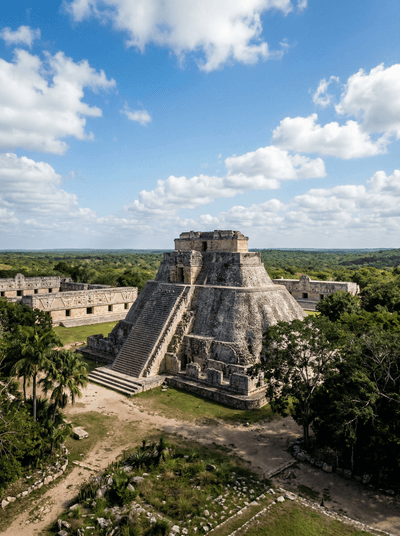
Rain-god masks and Puuc mosaics cover a Maya city shaped in warm limestone.

Mafra
Portugal
Bats patrol a palace library by night, guarding 36,000 leather volumes from bookworms.
Nikko
Japan
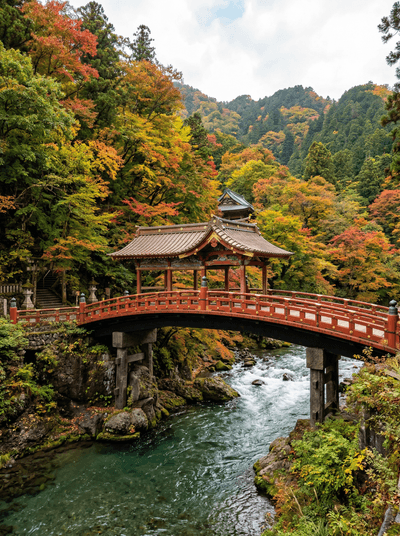
Gold-encrusted shrines hidden in cedar forest where a sleeping cat guards the gate.
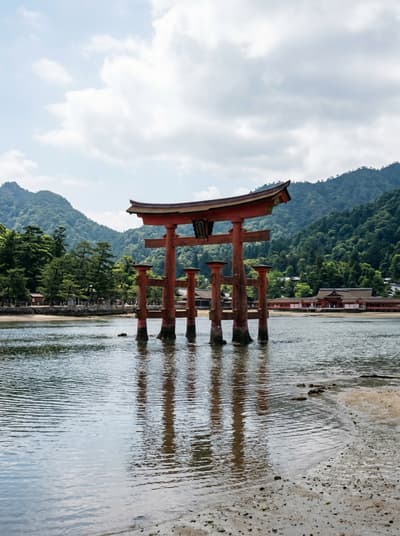
Miyajima
Japan
A vermilion gate floating on the tide while deer doze on the beach beside it.
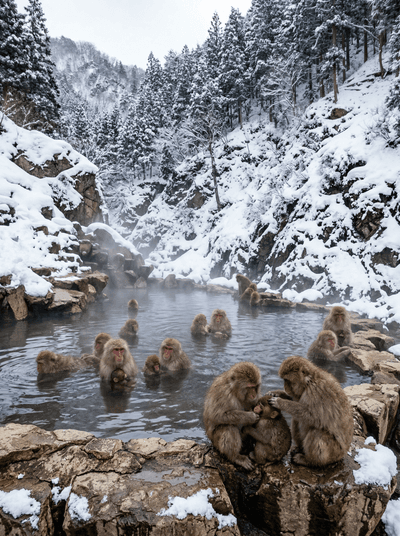
Jigokudani Monkey Park
Japan
Snow monkeys soaking in a hot spring while the snow piles up on their heads.
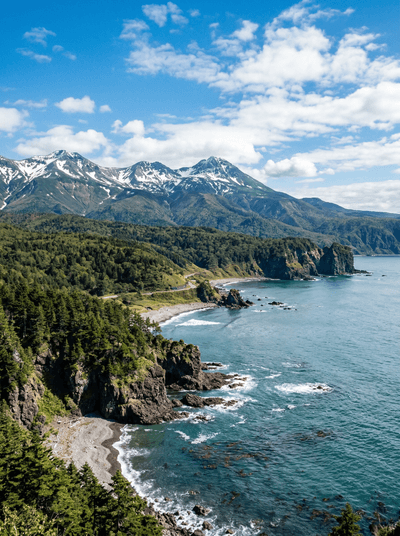
Shiretoko Peninsula
Japan
Brown bears fishing for salmon on a peninsula the Ainu named the end of the Earth.