Egypt
Beni Hasan
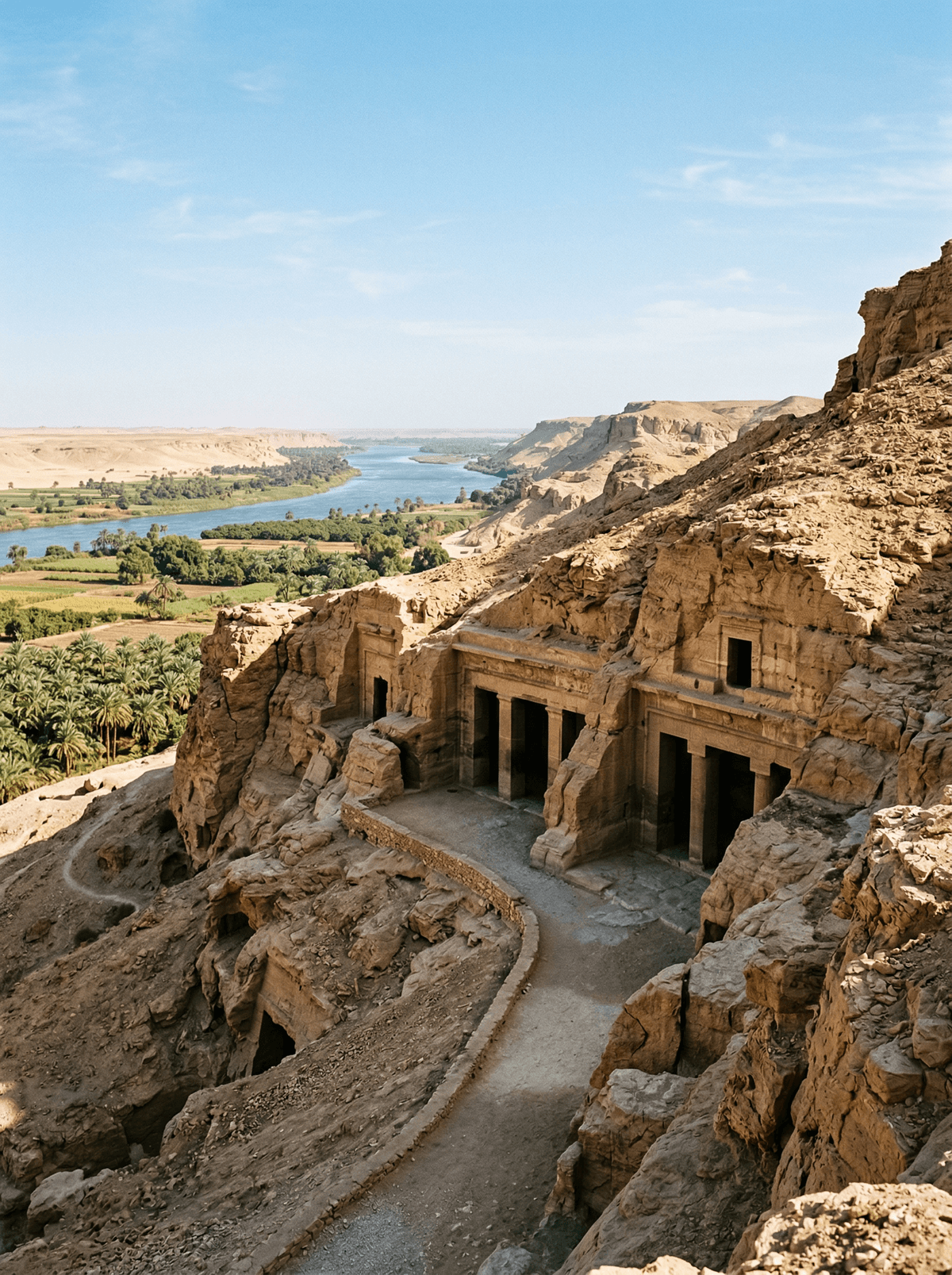
Rock-cut tombs high on a cliff face, their four-thousand-year-old wrestlers still mid-grapple on the walls.
The cliff face is pockmarked with dark rectangles — tomb entrances cut high above the Nile flood plain four thousand years ago. Climb the stone path, step inside, and the walls erupt: wrestlers mid-throw, acrobats bending backwards, geese taking flight in pigments still legible after four thousand years.
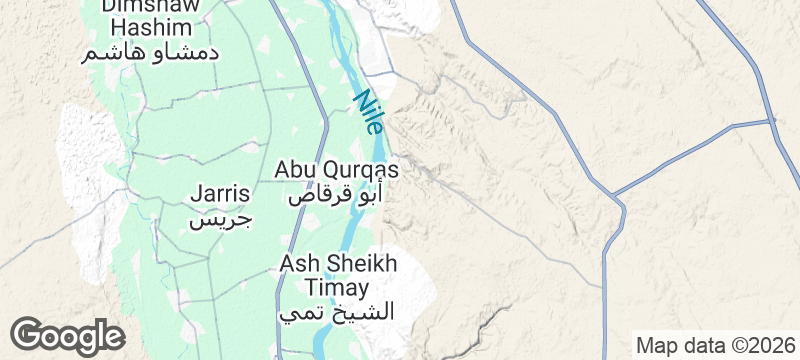
Beni Hasan is a Middle Kingdom necropolis in the limestone cliffs of the east bank, about 20 kilometres south of Minya. Of its thirty-nine rock-cut tombs from the Eleventh and Twelfth Dynasties, twelve are decorated and four can be entered. The Tomb of Khnumhotep II holds the famous scene of Asiatic traders arriving in Egypt — one of the earliest visual records of cross-cultural contact — and the Tomb of Baqet III documents over 200 wrestling holds, an ancient martial art painted move by move. These are provincial governors' tombs, so the walls show daily life rather than royal ceremony.
Couple
Take the morning visit together, count wrestling holds in Baqet III, and keep the afternoon for the riverbank.
- Baqet III's 220 painted combat holds are studied as the earliest documented wrestling manual.
- Four tombs are open — Baqet, Khety, Amenemhat and Khnumhotep II — each a different painted world.
- The climb is steep but short, and the reward is a governor's-eye view down the Nile's green ribbon.
- Middle Kingdom provincial art means domestic scenes: farming, dancing, board games, birds.
Eat in Minya before the trip out — taameya with pickled aubergine is the working breakfast.
Dinner runs back through Minya's kitchens, Orkeed the name travellers pass on.
Salineras de Maras
Peru
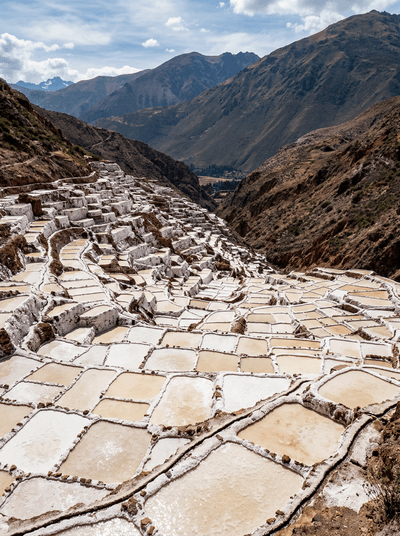
Thousands of salt pans cascading down a mountainside, hand-harvested since before the Inca.
Colca Canyon
Peru
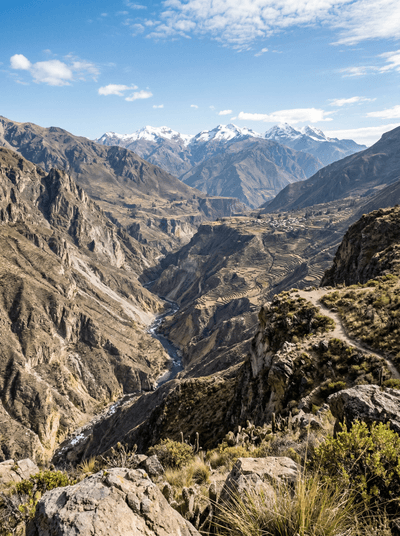
Condors riding dawn thermals out of a chasm that dwarfs the Grand Canyon.
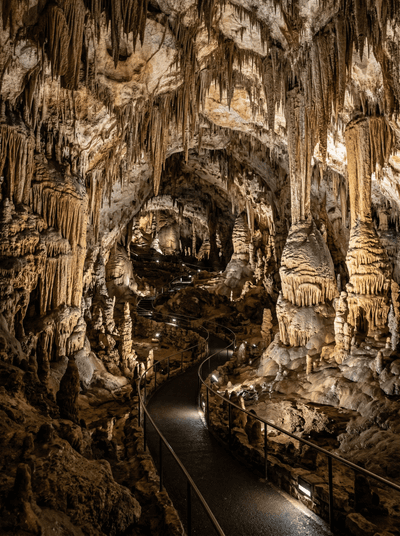
Carlsbad Caverns
United States
At dusk, hundreds of thousands of bats spiral upward from a hole in the desert floor.
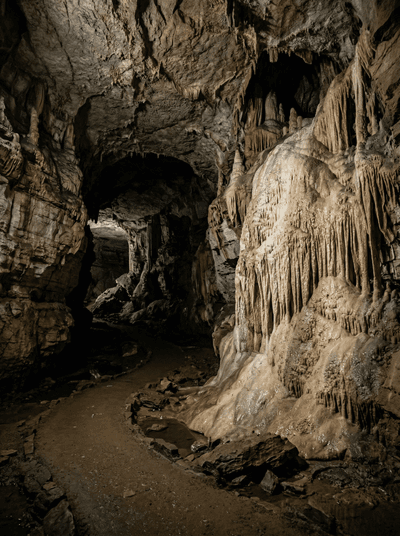
Mammoth Cave
United States
Echoing darkness stretching four hundred miles beneath Kentucky, the longest cave system on Earth.
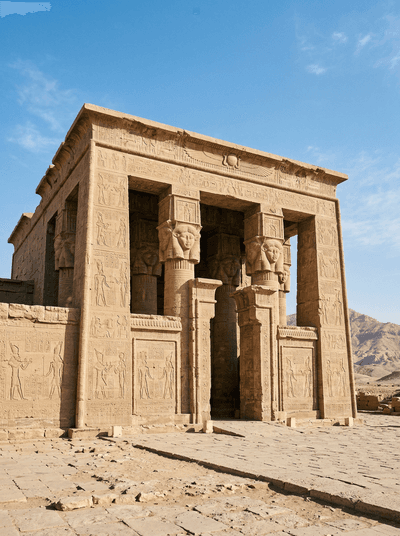
Dendera
Egypt
Two-thousand-year-old paint still vivid on ceilings where the goddess Hathor smiles from every column.
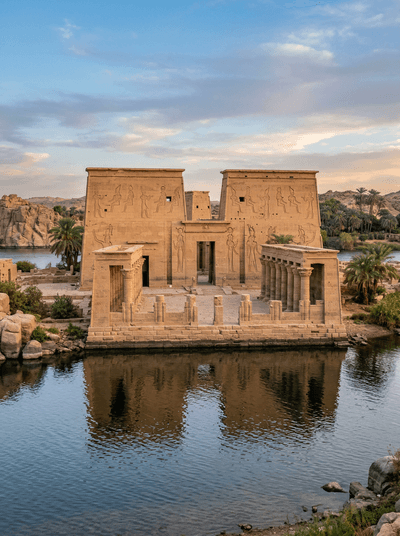
Philae Temple
Egypt
A temple rescued from rising waters, reassembled stone by stone on an island in the Nile.
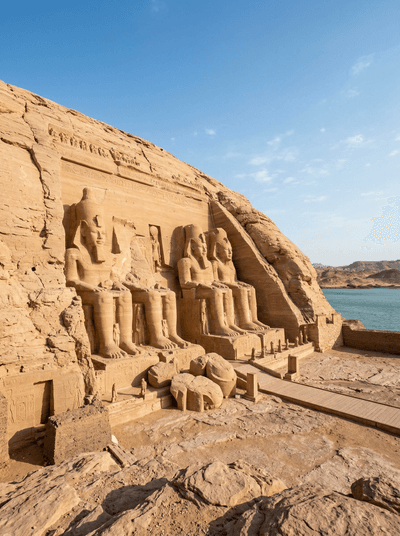
Abu Simbel
Egypt
Twice a year, dawn crawls sixty metres through solid rock to light a pharaoh's face.
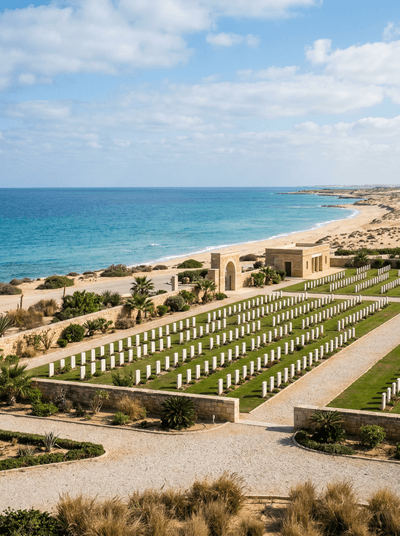
El Alamein
Egypt
White headstones in rows facing the Mediterranean, the silence of a battlefield that changed a war.