Argentina
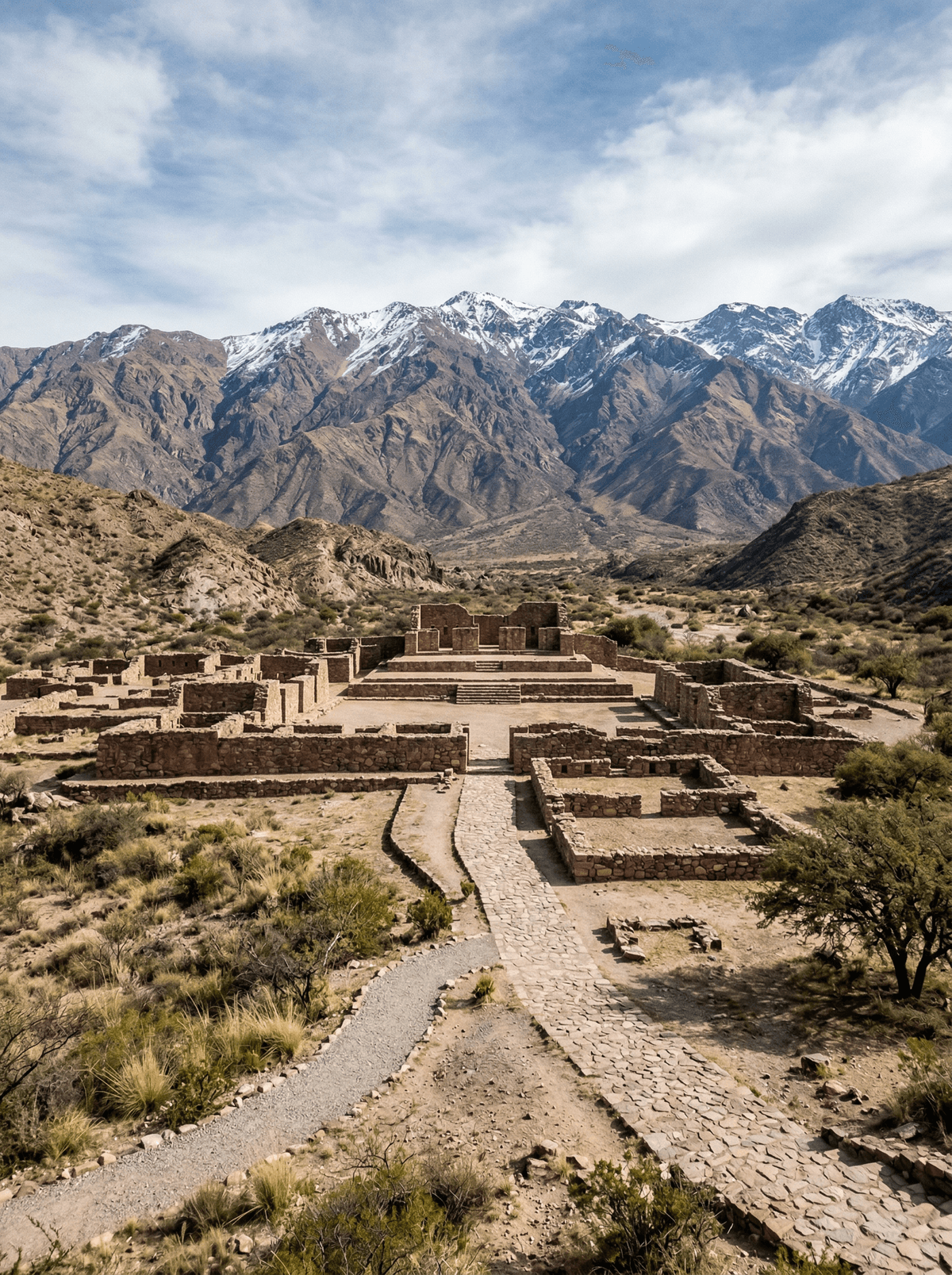
El Shincal de Quimivil
The Inca Empire's southern capital — plazas and platforms in a Catamarca cactus valley.
El Shincal de Quimivil was an Inca administrative capital raised in the 1480s at the southern reach of the empire, and its ceremonial platform, great halls and storehouses survive so completely that archaeologists have worked the site continuously for over three decades without running out of material. It sits in a valley of cardón cacti just outside Londres, the dry-stone precision of the imperial masonry legible from the path without a word of interpretation.
The complex carries the full grammar of an Inca provincial capital: the ushnu platform at the plaza's heart, twin terraced hills flanking it with stairways to their summits, kallanka halls, qollqa storehouses and a residential sector, the whole layout aligned to the June solstice sunrise. Excavation since 1991 has recovered metalworking, textile production and chicha fermentation — a working city of Tawantinsuyu, not a shrine — and an intact stretch of the Qhapaq Ñan road network still runs through, part of the transcontinental UNESCO-listed system. Visits go with the site's small-group guides, who protect the stonework while giving the empire's southern frontier its real historical content; the on-site museum grounds the finds, and Londres' colonial church and Belén's tables close the circuit.
Solo
The Argentine Inca site that rewards sustained reading — stonework intact enough and the academic presence continuous enough that a guided visit produces real history rather than general Inca mythology.
Couple
Archaeological integrity plus the small town that serves it — a morning of specific historical encounter, then a genuinely Argentine lunch in Londres or Belén. The site deserves more time than most visitors allocate.
- This was the southernmost administrative city of Tawantinsuyu, the empire's true limit.
- Twin terraced hills flank a plaza aligned with the June solstice sunrise.
- An intact stretch of the Qhapaq Ñan road network runs through the site.
- Small-group guiding and an on-site museum carry three decades of excavation.
Empanadas catamarqueñas — spicier than their Salta cousins — from a Londres bakery.
Locro and regional stews in nearby Belén after the ruins.
Suva
Fiji
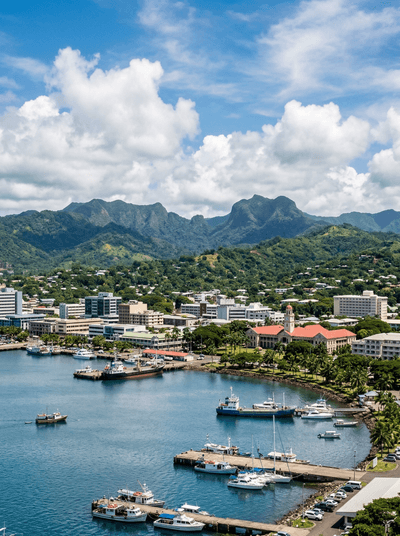
South Pacific hustle where Hindu temples share streets with Fijian markets and colonial verandahs.
Levuka
Fiji
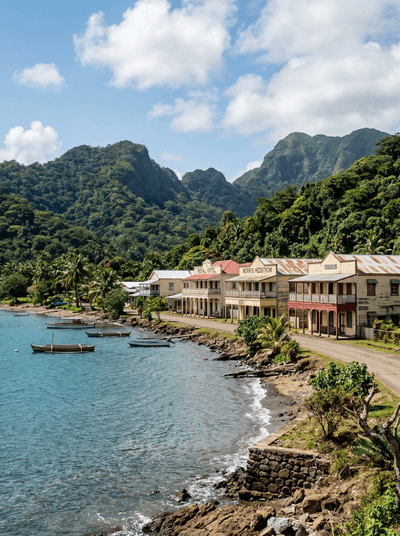
Fiji's first colonial capital frozen in the 1870s, wooden shopfronts sagging under tropical rain.
São João del-Rei
Brazil
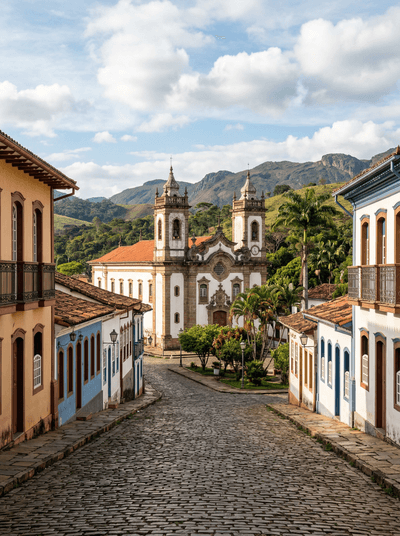
Baroque towers answering each other across a valley, ringing the sex of whoever has just died.
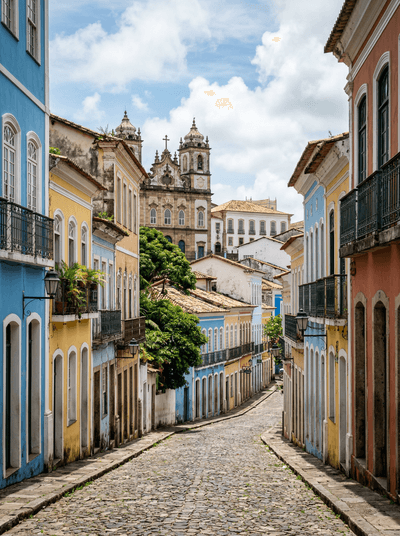
Salvador
Brazil
Drum rhythms ricocheting off colonial walls where song, dance and combat happen at once.
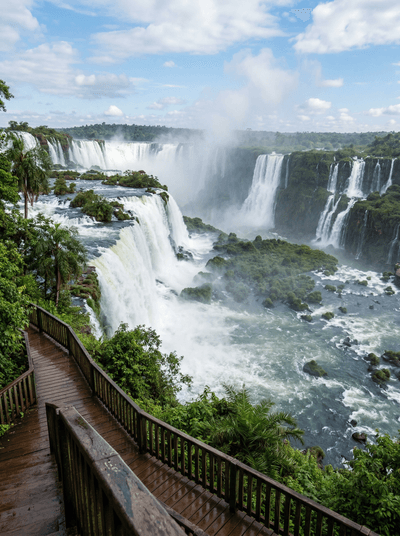
Iguazú Falls
Argentina
A river shatters into hundreds of waterfalls around the thunder of the Devil's Throat.
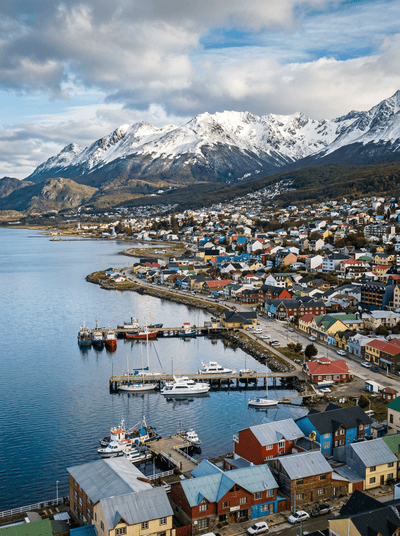
Ushuaia
Argentina
The port where Antarctica begins — beech forest climbing to glaciers at the planet's edge.
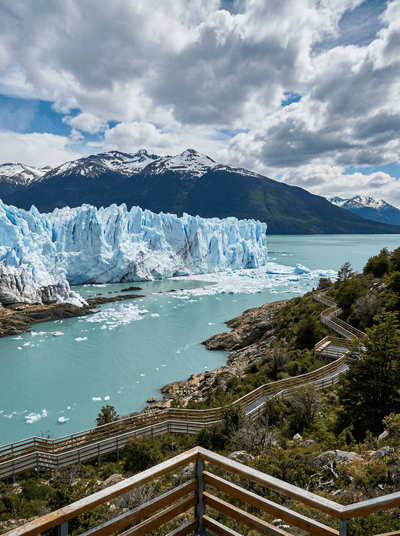
El Calafate
Argentina
A glacier calves office-block towers of ice into turquoise water as you watch.
El Chaltén
Argentina
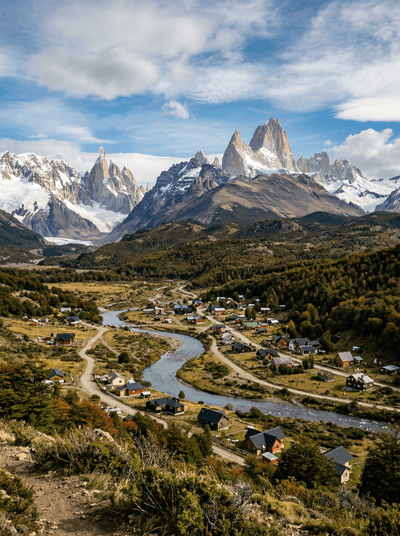
Granite spires pierce Patagonian cloud — condor country of vertical stone and wind.