Argentina
Epecuén
A resort town drowned by a salt lake in 1985, its ruins resurfacing as mineral-white skeletons.
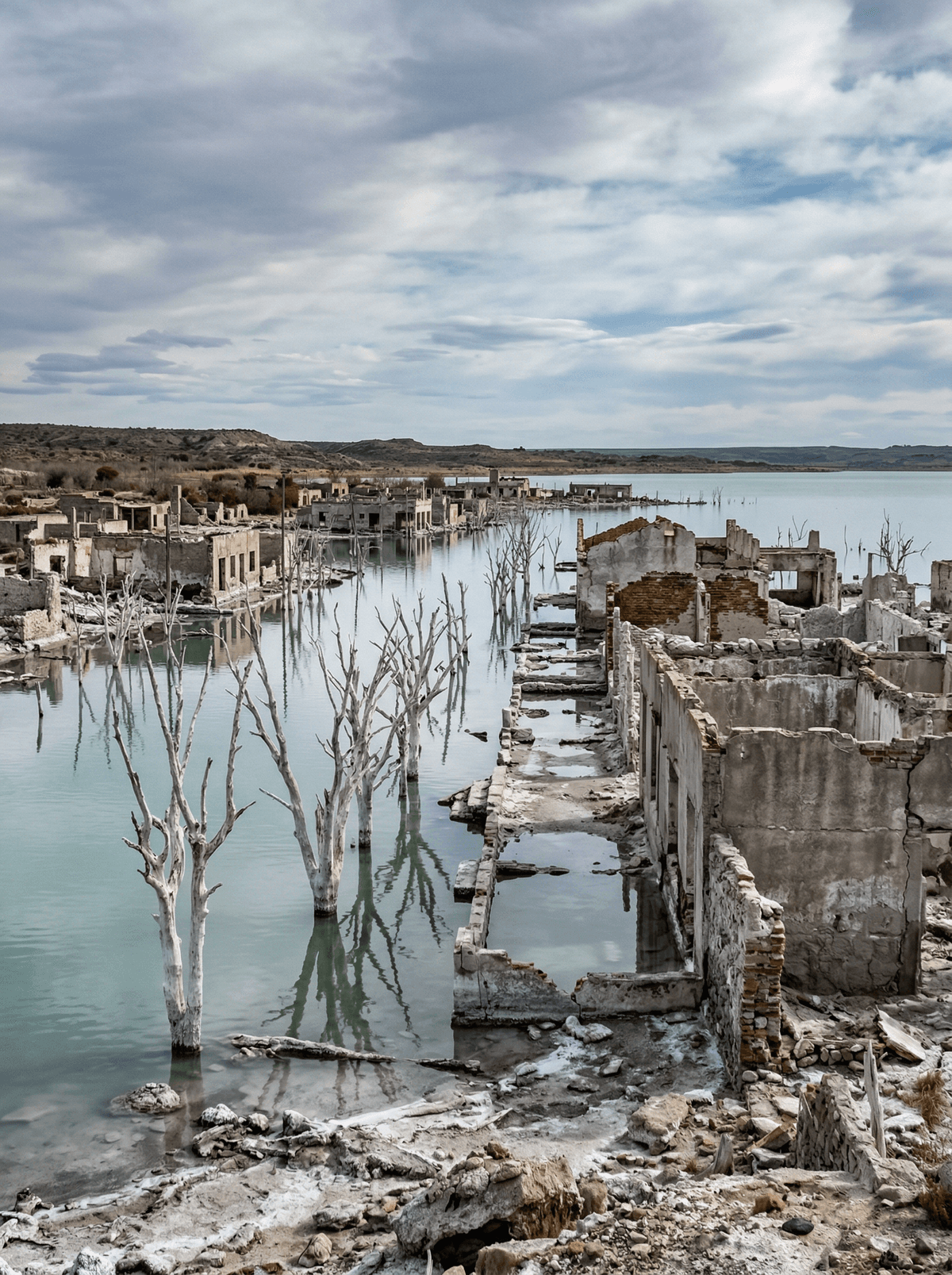
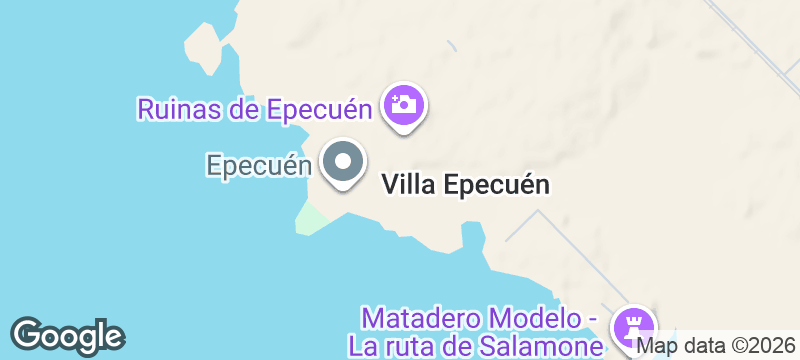
Villa Epecuén in Buenos Aires Province was a lakeside resort town of 5,000 residents until 1985, when the Lago Epecuén's dyke broke and the town was submerged under ten metres of hypersaline water. In 2009, the water began to recede, and what emerged was the ruins of a complete small city — streets, cars, trees turned white by salt, the foundations of houses, a clock tower — preserved in the brine for twenty-four years and now slowly deteriorating in the open air. The town is not being reconstructed. It is being remembered.
Lago Epecuén is a natural saline lake in Buenos Aires Province with a salinity several times higher than the ocean — the same salt concentration that has preserved the ruins of Villa Epecuén as a white, mineral-crusted record of pre-1985 Argentine resort culture. The lake's salt content fluctuates with rainfall and has been managed since the 1970s by a system of dykes; the 1985 flood was the result of a dyke failure combined with exceptionally high regional rainfall. The ruins include the remains of the Hotel Viena, the municipal slaughterhouse, the spa infrastructure that made Epecuén famous as a therapeutic bathing resort from the 1920s onwards, and the sole surviving resident — Rubén Córdoba, who returned to the ruins in 2009 and has lived there since as the last inhabitant of a submerged city. The photographer Alfredo Srur documented the ruins across multiple visits, and his work contributed to the site's international recognition.
Solo
Walking through Epecuén alone — the white salt crusting every surface, the trees reduced to mineral forms, the foundations of a complete Argentine life visible in the accumulated silence — produces a meditation on duration and loss that the site was never designed for but has become. Rubén Córdoba, who lives in a caravan in the ruins, gives tours himself.
Couple
Epecuén is a landscape that asks slow looking — the specific details of how a small Argentine town was preserved in brine for twenty-four years accumulate over two or three hours of walking. Coming as a couple, with time to move through the ruins without a guide's itinerary, allows the scale of the ordinary life that was submerged to register.
Friends
The Epecuén ruins are sufficiently disorienting — a complete small city reduced to salt-white architecture, preserved 24 years in a hypersaline lake — to hold a group's attention beyond the expected two hours. The drive from Buenos Aires through the southern pampas is itself a significant part of what makes arriving here feel like discovery.
- A provincial dam broke in 1985 after 30 years of rising lake levels — 1,500 residents evacuated within 24 hours.
- The salt lake receded in 2009, exposing rusted benches, tree skeletons, and hotel foundations in white mineral crust.
- The last remaining resident, Pablo Novak, returned after the water receded and still lives in the ruins today.
- The mineral crust coats every surface white — even rusted car frames are crystallised, creating a monochrome landscape.
Provisions from nearby Carhué — milanesas and empanadas at a small-town parrilla.
Dulce de leche bought from a local almacén and eaten with bread on the lake shore.
Mindelo
Cape Verde
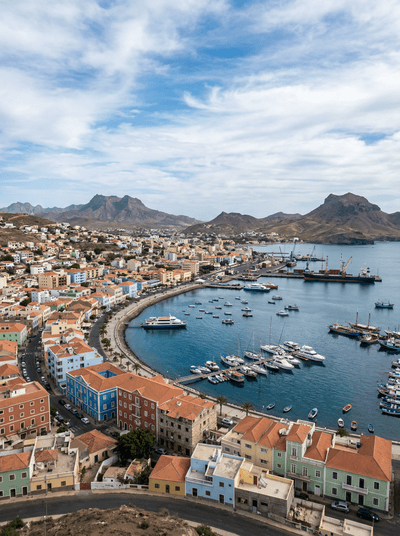
Morna music drifts from dimly lit bars where Cesária Évora once sang barefoot for sailors.
Cidade Velha
Cape Verde
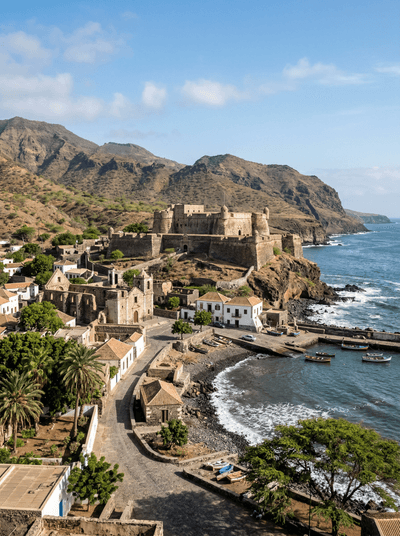
First colonial city in the tropics — a slave pillory still stands in the silent square.
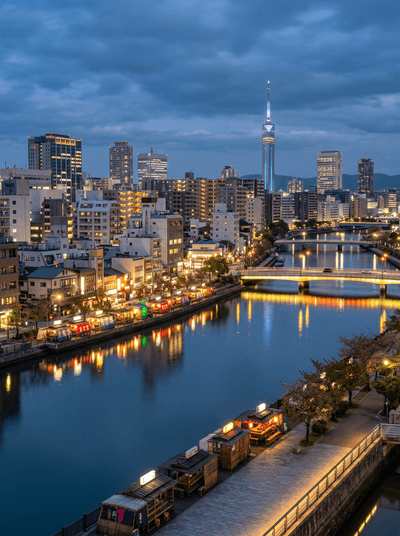
Fukuoka
Japan
Yatai street stalls steaming under canvas where strangers share ramen at midnight.
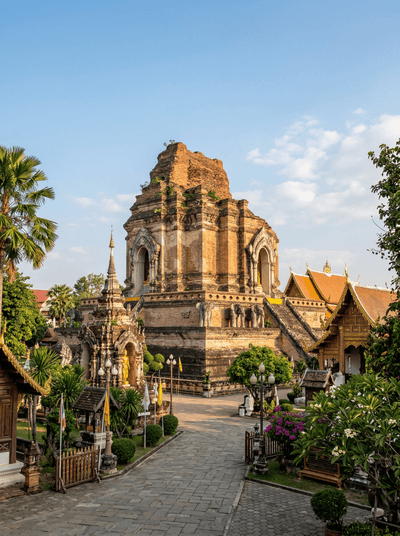
Chiang Mai
Thailand
Monks in saffron robes walking barefoot past tattooed expats and ancient brick chedis at dawn.
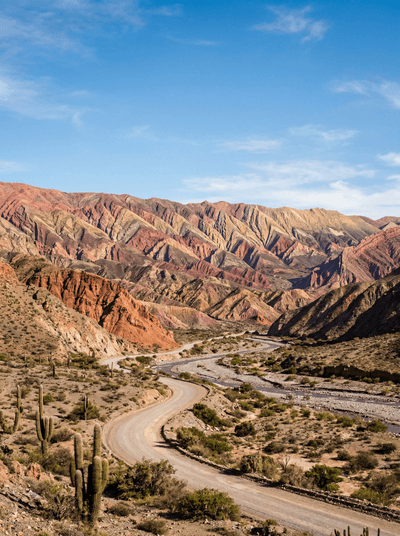
Quebrada de Humahuaca
Argentina
A canyon of fourteen-colour hills where Inca trails thread through villages older than the conquest.
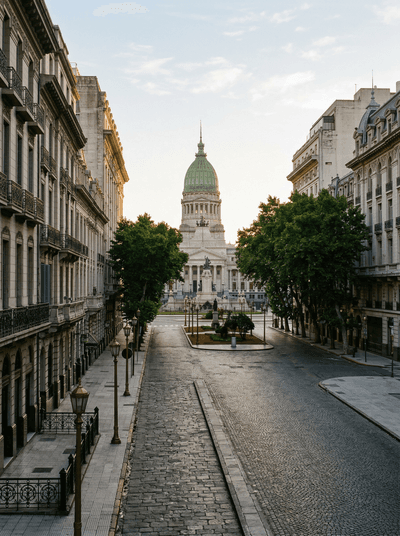
Buenos Aires
Argentina
Tango echoes through crumbling art-deco ballrooms where strangers dance until the city wakes.
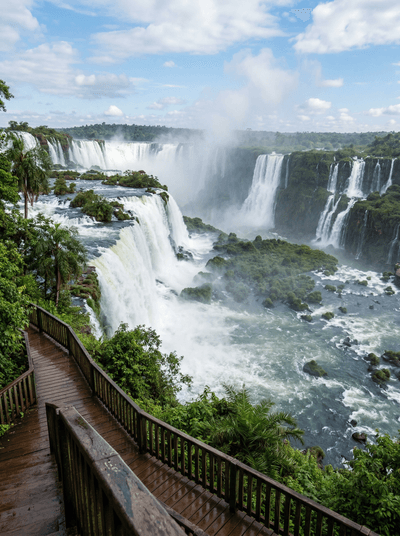
Iguazú Falls
Argentina
275 waterfalls collapse into a devil's throat of mist, thunder, and rainbow spray.
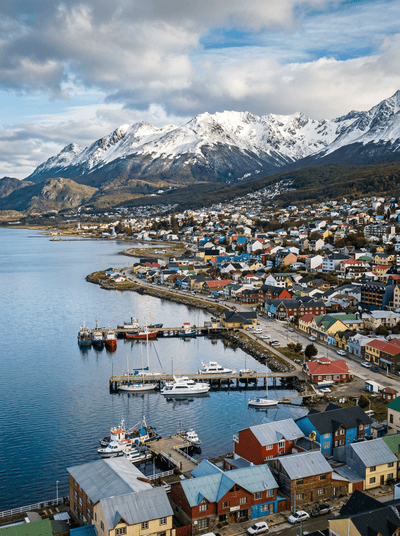
Ushuaia
Argentina
The last city before Antarctica, where beech forests dissolve into glaciers at the planet's edge.